 EN
EN
 English
  русский
  Español
  Deutsch
  عربى
عربى 
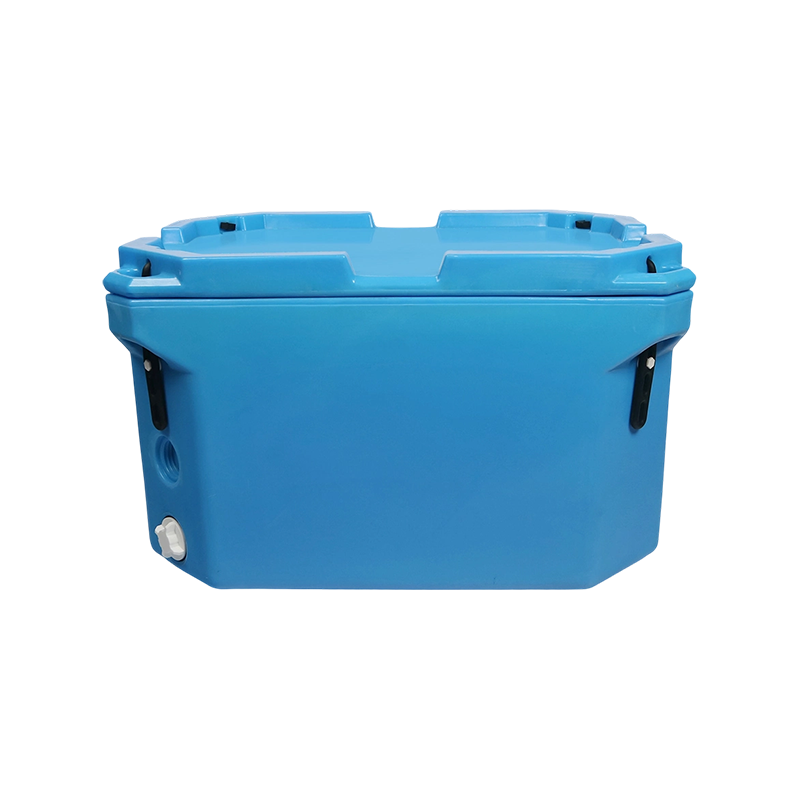
The NL-100 100L is the more compact and flexible size in the industrial fish-tub range, with an interior of about 68 × 48 × 38 cm. Its food-grade LLDPE rotomolded body and PU insulation suit catering ...
See Details
Why is the Insulated Fish Tub the Definitive Solution for Sustaining Seafood Freshness?
2026-03-26
How Does Double-Walled PE Construction Provide Unmatched Structural Durability?
The deck of a fishing vessel or the floor of a processing plant is a high-impact environment. Why is the material composition of an Insulated Fish Tub so vital for its operational lifespan? Most professional-grade tubs are manufactured using rotational molding technology, creating a seamless, double-walled structure.
This construction method ensures:
-
High Impact Resistance: The outer PE shell can withstand heavy drops, collisions with forklifts, and the constant vibration of maritime transport without cracking.
-
Seamless Hygiene: Without joints or seams, there are no crevices for bacteria to accumulate, making the tubs much easier to sanitize between uses.
-
UV Stability: Integrated UV stabilizers prevent the material from becoming brittle or discolored when exposed to harsh sunlight on open decks.
What are the Technical Specifications of a Professional Insulated Fish Tub?
To meet the rigorous demands of the global seafood supply chain, these containers must adhere to specific mechanical and thermal standards. The following table outlines the core technical specifications for our heavy-duty Insulated Fish Tub series.
|
Feature Attribute |
Technical Specification Details |
|---|---|
|
Primary Material |
Food-Grade LLDPE (Linear Low-Density Polyethylene) |
|
Insulation Core |
High-Density Injected Polyurethane (PU) Foam |
|
Capacity Range |
200L to 1000L (Standard Industrial Sizes) |
|
Temperature Retention |
Maintains <4°C for up to 72 Hours (with Ice) |
|
Stacking Capability |
Up to 3-5 Layers Fully Loaded (Reinforced Base) |
|
Drainage System |
Large Diameter Drain Plug with Leak-Proof Seal |
|
Handling Features |
4-Way Forklift & Pallet Jack Access |
|
Lid Configuration |
Insulated Tight-Fit Lid with Optional Rubber Straps |
Can Polyurethane Insulation Eliminate Thermal Bridging in Seafood Storage?
The effectiveness of a cooler is defined by its ability to stop heat transfer. How does the "Foam-in-Place" technology within an Insulated Fish Tub outperform traditional single-walled crates? The injected PU foam expands to fill every void between the double walls, creating a continuous thermal barrier.
By eliminating air gaps, the insulation:
-
Prevents Ice Melt: It significantly slows the melting rate of flake ice, which is the primary cooling agent used for fresh fish.
-
Eliminates Cold Loss: The foam acts as a structural adhesive that bonds the inner and outer walls together, increasing the tub's overall rigidity while providing superior R-value (thermal resistance).
-
Resists Water Absorption: Unlike open-cell foams, the closed-cell PU used in these tubs will not absorb moisture, maintaining its insulation performance over years of service.
Why is Food-Grade LLDPE Essential for Consumer Safety and Compliance?
Seafood is a highly sensitive product that can easily absorb chemical taints. Why must every Insulated Fish Tub be manufactured from certified food-grade materials? Using recycled or non-certified plastics can lead to the leaching of harmful substances into the catch.
The use of virgin LLDPE ensures:
-
Chemical Inertness: The plastic does not react with fish oils, salt water, or cleaning chemicals.
-
Smooth Surface Finish: It allows for "easy-rinse" cleaning, ensuring that proteins and scales do not stick to the walls.
-
Compliance with Regulations: Meeting FDA and EU food contact standards is mandatory for any equipment involved in the international export of seafood.
How Does the Integrated Drainage System Facilitate Meltwater Management?
Accumulated meltwater can lead to "water-logging" of the fish, which degrades texture and accelerates spoilage. How does the drainage design of the Insulated Fish Tub protect the quality of the bottom-layer catch? Each tub is equipped with a sloped floor leading to a recessed drain outlet.
This design allows for:
-
Continuous Drainage: Excess water can be removed without opening the lid, preserving the internal cold air.
-
Leak-Proof Transport: The heavy-duty plugs feature industrial-grade gaskets that prevent "fish juice" from leaking onto truck floors or warehouse docks.
-
Easy Flushing: During the cleaning cycle, the large-diameter drain allows for the rapid exit of rinse water and debris.
Is 4-Way Forklift Access Necessary for High-Volume Logistics?
In a busy processing plant, the speed of movement is a major factor in maintaining the cold chain. Why is the base design of the Insulated Fish Tub optimized for mechanical handling? Manual lifting of a 1000L tub filled with fish and ice is impossible.
The 4-way entry system allows:
-
Multi-Directional Handling: Forklifts and pallet jacks can approach the tub from any side, reducing the "turnaround time" in tight spaces like truck trailers.
-
Secure Stacking: The base is designed to nest securely into the lid of the tub below, preventing shifting during transport.
-
Automated Tipping: The tubs are compatible with hydraulic tippers, allowing for the rapid unloading of fish onto processing conveyors.
Why is a Tight-Fitting Insulated Lid the Key to Long-Duration Storage?
Heat rises, and an unsealed top is the primary source of energy loss. How does the lid design of the Insulated Fish Tub maximize the lifespan of your ice? The lid is not just a cover; it is a matching insulated component.
Key lid features include:
-
Gasket Seals: Many models use rubber gaskets to create an airtight environment.
-
Pressure Management: The fit is tight enough to stop air exchange but allows for easy removal even after pressure changes.
-
Locking Straps: Durable rubber or plastic straps keep the lid in place during rough sea crossings or high-speed road transport.
Can Reinforced Corners Prevent Structural Failure During Heavy Stacking?
When tubs are stacked five-high in a warehouse, the bottom tub must support several tons of weight. How does the Insulated Fish Tub prevent buckling under such extreme pressure? The corners and vertical pillars are the most heavily reinforced parts of the molding.
The structural reinforcement provides:
-
Weight Distribution: The load is transferred through the reinforced corners directly to the floor, rather than through the insulated walls.
-
Anti-Deformation: It ensures the tub maintains its shape, which is critical for maintaining the seal of the lid and the alignment of the stacking feet.
-
Long-Term Reliability: Even after years of heavy loading, the tubs remain straight and true, ensuring they continue to stack safely.
How Does the Easy-Clean Surface Impact Microbial Control?
In the seafood industry, "clean" is a relative term—true safety requires a surface that can be sanitized at a microbial level. Why is the internal surface finish of an Insulated Fish Tub a major engineering focus? A porous or rough surface would provide a sanctuary for Listeria or Salmonella.
The high-gloss finish of the LLDPE walls:
-
Repels Contaminants: Blood, slime, and scales are easily washed away with a standard pressure washer.
-
Resists Biofilm Formation: Bacteria find it difficult to anchor themselves to the smooth, non-porous surface.
-
Withstands Sanitizers: The material is unaffected by chlorine-based or iodine-based sanitizing solutions used in commercial food plants.
Why is Color Customization Vital for Sorting and Traceability?
In large-scale operations, keeping track of different species or "harvest dates" can be challenging. Does the Insulated Fish Tub offer visual management solutions? Tubs are often produced in a variety of high-visibility colors like blue, beige, or white.
This allows facilities to:
-
Segment Production: Using blue for raw material and white for semi-processed goods.
-
Assign Species: Quickly identifying a "tuna tub" versus a "shrimp tub" across a crowded dock.
-
Brand Identity: Incorporating company logos or serial numbers directly into the plastic through "in-mold labeling" for permanent traceability.
Are You Ready to Invest in the Future of Your Seafood Quality?
The success of your fishery or distribution business is measured by the freshness of the product you deliver. Are you ready to upgrade to an Insulated Fish Tub that offers superior PU insulation, food-grade safety, and the structural durability to survive the world’s harshest maritime conditions? By choosing a container that prioritizes thermal stability and hygienic design, you are investing in the premium value of your catch. Whether you are transporting high-value salmon across continents or storing day-boat catch on the harbor, the insulated fish tub provides the dependable, cost-effective, and accurate temperature control required for today’s most demanding seafood supply chains.
Our R&D team has over 15 years of rich experience in the field of rotational molding products and has applied for 6 product patents. The number of factory employees has exceeded 100. Strict management and quality control have enabled us to take the leading position in the industry. In addition, the experienced sales team can provide customers with a variety of solutions and high-quality services.
Related products
-
-
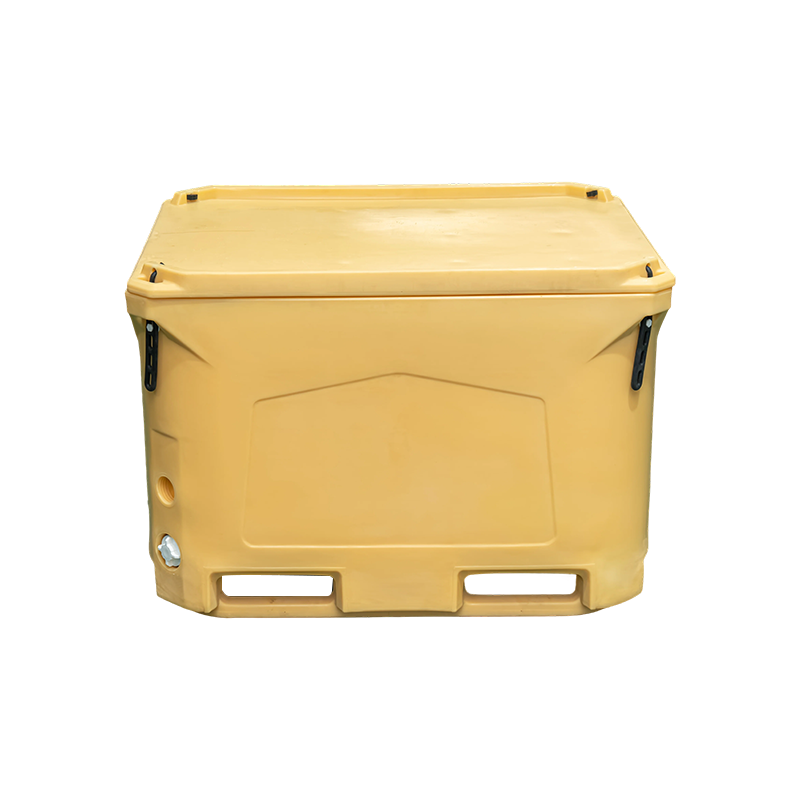
The NL-330 330L has an interior of about 92 × 68 × 53 cm and is particularly useful for sorting after vessel landing and handling medium seafood batches. Its food-grade LLDPE rotomolded body with PU i...
See Details -
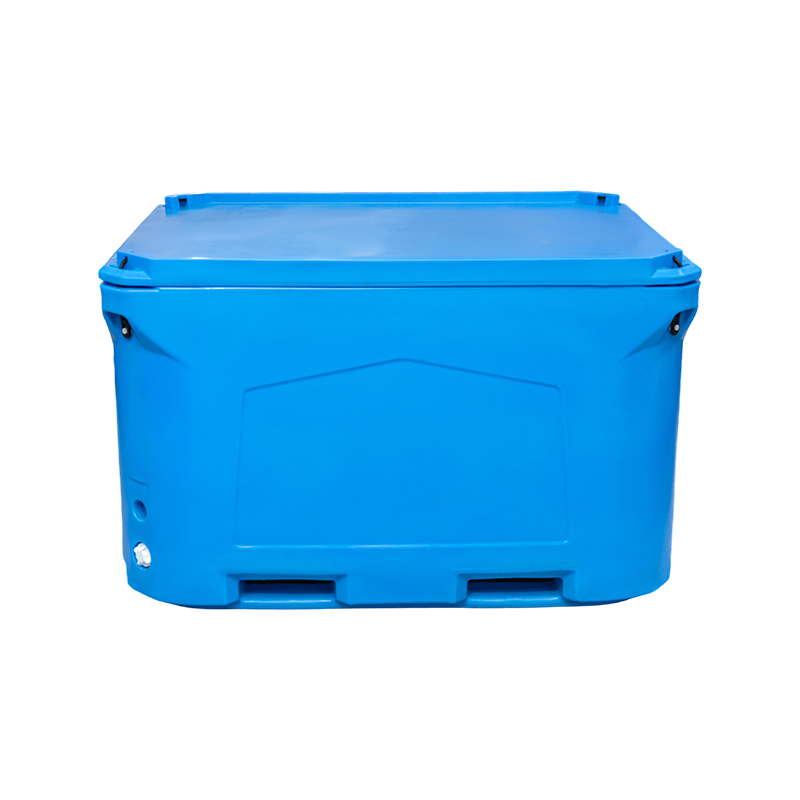
The NL-1000 A uses a high-profile body with an interior of about 140 × 108 × 73 cm and is designed for operations that handle large seafood volumes at one time. Processing plants, aquaculture harvests...
See Details -
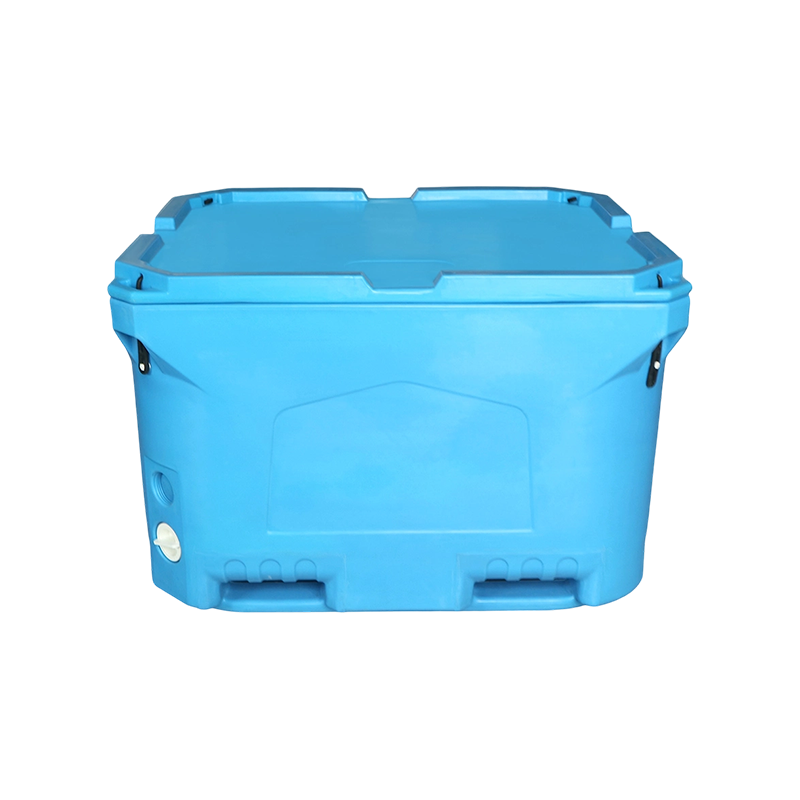
The NL-660 660L has an interior of about 114 × 94 × 63 cm, with a broad footprint suited to seafood distribution, dock loading and batch handling in processing plants. The wider floor area can accommo...
See Details -
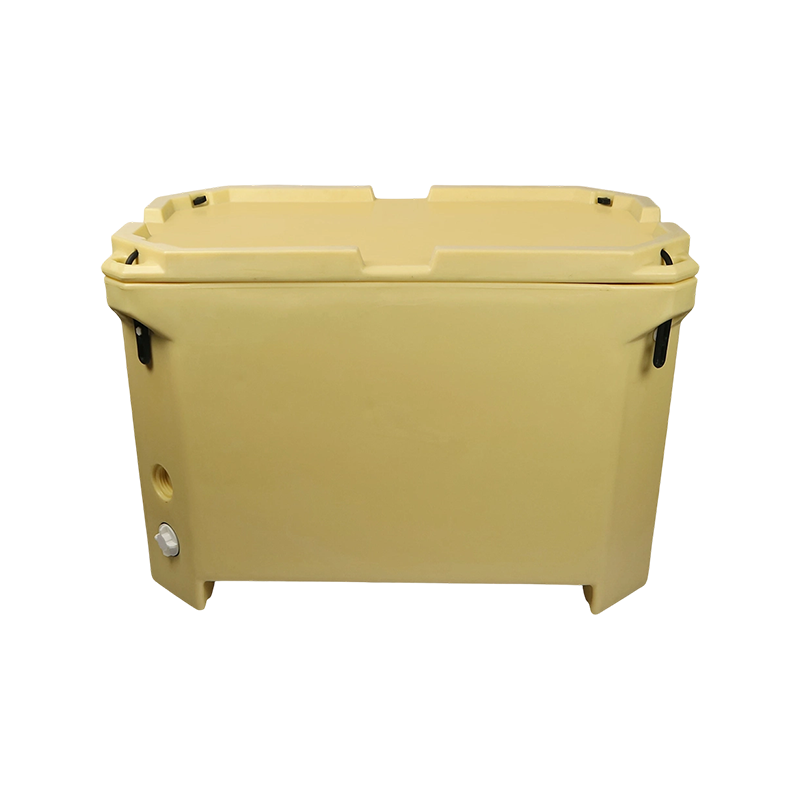
The NL-220 220L has an interior of about 88 × 48 × 53 cm, adding useful capacity over the 100L model while remaining a relatively compact industrial tub. Food-grade LLDPE rotomolded construction and P...
See Details -
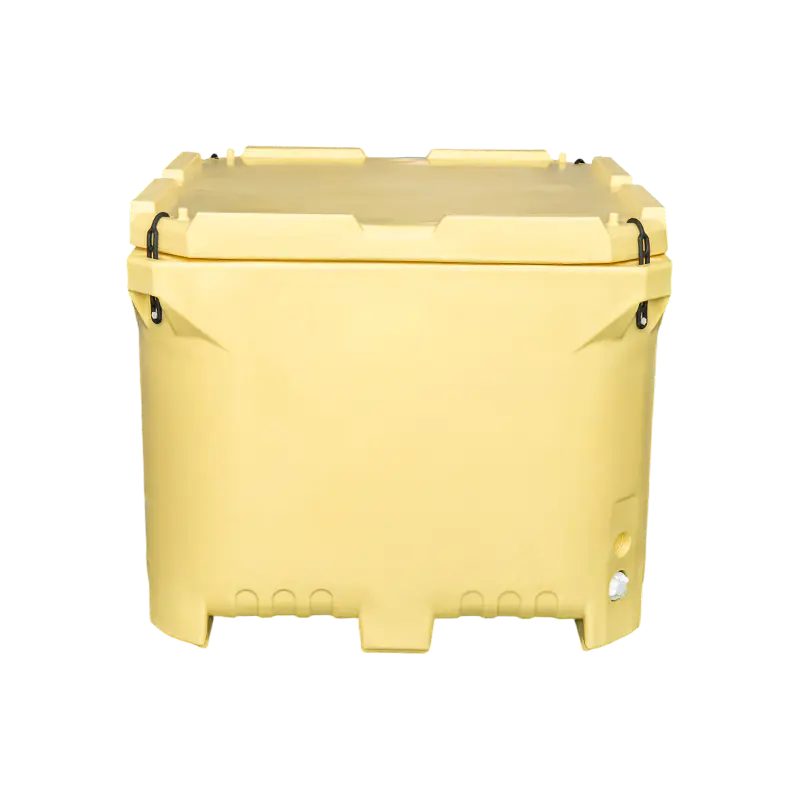
The NL-800 800L has an interior of about 106.5 × 96.5 × 74 cm and is deeper than the 700L model, making it useful when more load is needed in each tub. Larger fish, bulk seafood and processing-plant s...
See Details
Related News
-
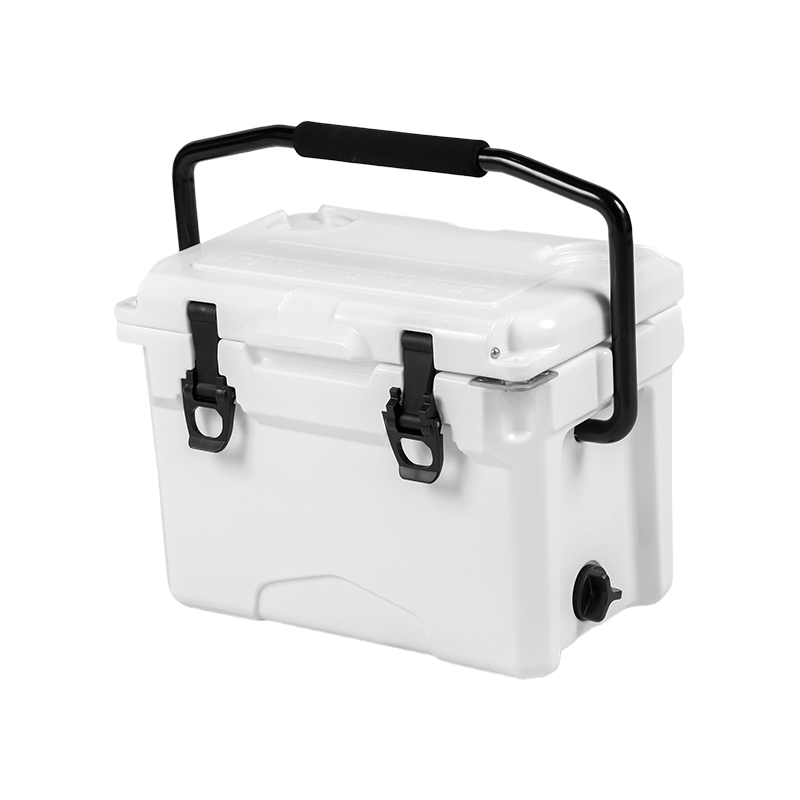
Why Choose a Rotomolded Cooler? Rotomolded Coolers: A Brief Introduction The Pinnacle of Portable Cooling Technology The modern era of outdoor recreation and de...
See Details -
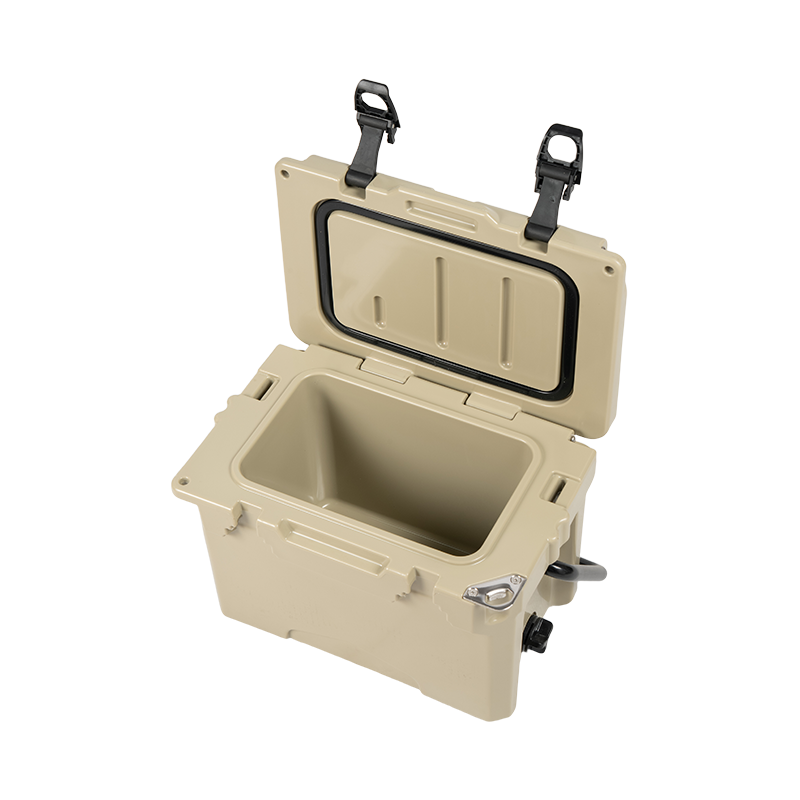
Introduction to Insulated Fish Tubs When you're out on the water, whether it's a deep-sea fishing trip or a relaxing day at the lake, the freshness of your catc...
See Details -
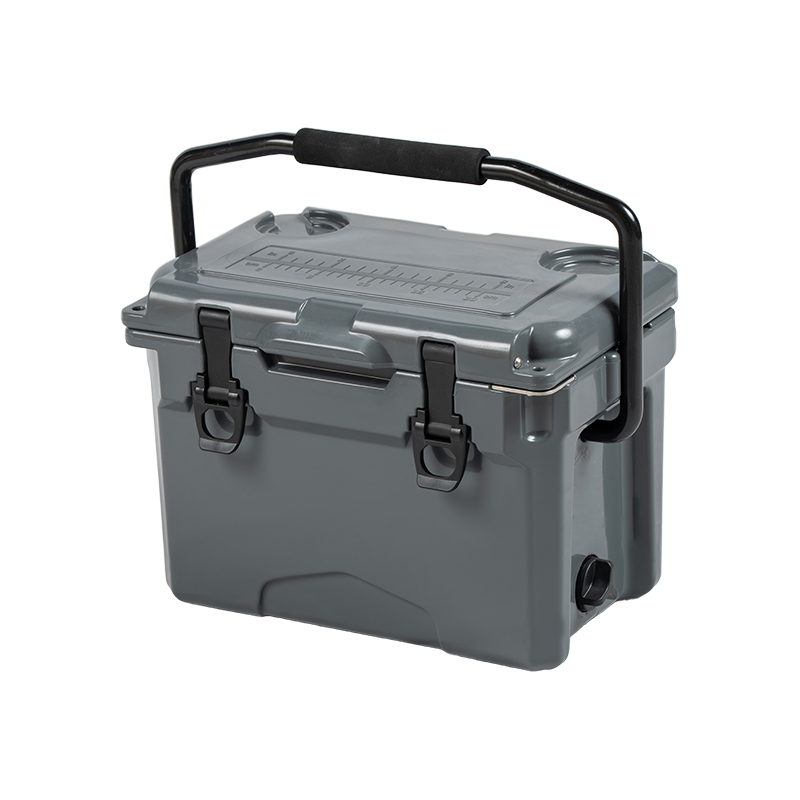
1. Insulation Quality in Outdoor Cooler Boxes When choosing an outdoor cooler box, one of the most critical factors to consider is insulation quality. The insul...
See Details -
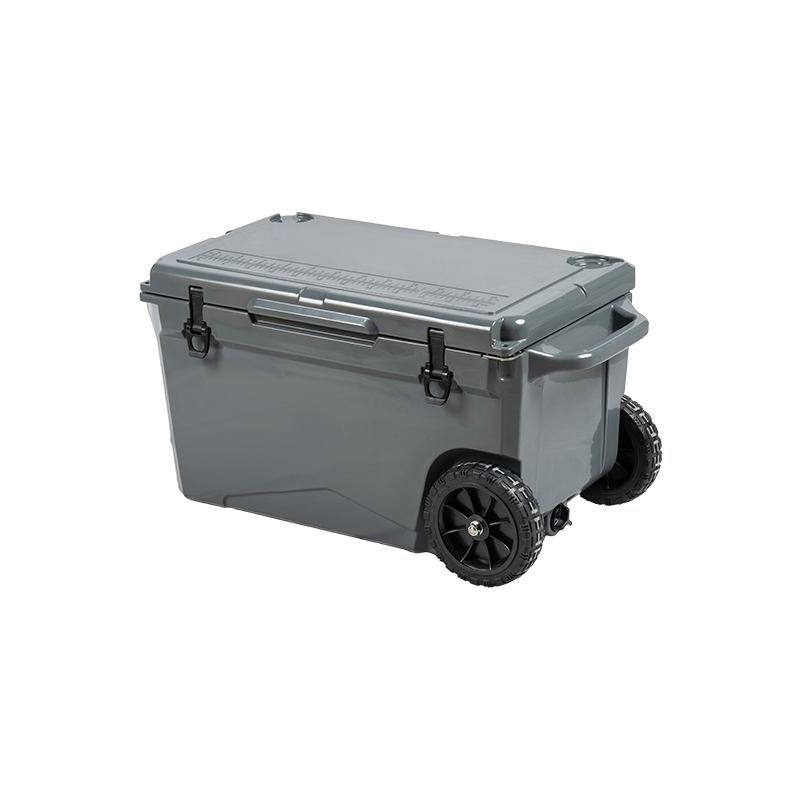
The Unmatched Advantage of ROTOMOLDING COOLER BOX Defining the Premium Standard: What exactly is a ROTOMOLDING COOLER BOX? The ROTOMOLDING COOLER BOX is not mer...
See Details
Be the First to Know
For exclusive deals and the latest offers, sign up by entering your email address below.


Contact Info
 No. 6, Guantong Road, South Zone, Xiaocaoe Town Industrial Park, Ningbo, Zhejiang, China
 +86 13736107260
  [email protected]
 Qr Code



Copyright © Ningbo Nelgreen Outdoor Products Co., Ltd. All Rights
Reserved
 OEM/ODM Seafood Insulated Boxes Manufacturers