 EN
EN
 English
  русский
  Español
  Deutsch
  عربى
عربى 
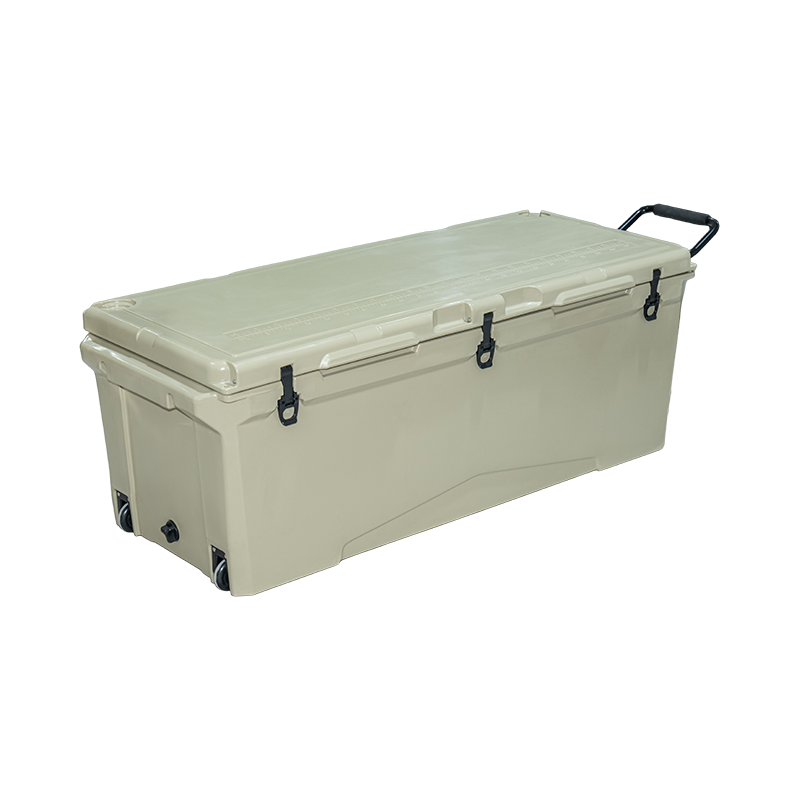
The 240QT NL-240 has an interior of about 124 × 43.5 × 40 cm and is one of the largest marine coolers in the range. It is intended for centralized storage of large catch and team supplies, reducing th...
See Details
Rotomolding cooler box: Ultimate guide to durability and performance
2025-12-17
The Unmatched Advantage of ROTOMOLDING COOLER BOX
Defining the Premium Standard: What exactly is a ROTOMOLDING COOLER BOX?
The ROTOMOLDING COOLER BOX is not merely a container for keeping items cold; it represents a significant leap in thermal engineering and structural integrity for portable cold storage. It is the gold standard for enthusiasts and professionals who demand uncompromising performance, rugged resilience, and superior ice retention in the most challenging conditions.
The fundamental difference lies in its manufacturing origin: rotational molding. Unlike basic coolers made from thin, blow-molded or injection-molded plastics that are prone to cracking and poor insulation, the rotomolded process creates a single, seamless, and exceptionally thick-walled shell. This seamless construction eliminates potential weak points and gaps where heat transfer (thermal conduction) can occur, establishing the ROTOMOLDING COOLER BOX as an indispensable piece of equipment for extended adventures.
Expansion Detail: The Evolution of Portable Cooling. Historically, portable coolers relied heavily on passive insulation (thin foam or fiberglass) encased in low-density plastic. The advent of the ROTOMOLDING COOLER BOX shifted the design focus from minimal cost to maximum efficiency. The rotational process allows for the creation of intricate, stress-free forms that can accommodate much thicker insulation layers, an impossible feat for high-speed molding methods. This dedication to thermal performance justifies the higher initial investment, repositioning the cooler from a seasonal purchase to a piece of lifetime gear.
Core Characteristics of Rotomolded Construction:
1. Durability and Impact Resistance
The construction of a ROTOMOLDING COOLER BOX is inherently more robust than traditional counterparts. The manufacturing technique uses high-grade polymers, typically Linear Low-Density Polyethylene (LLDPE), which is known for its excellent stress cracking resistance and toughness. The result is a structure built to withstand extreme abuse:
- Seamless Structure: No seams mean no joint weaknesses susceptible to splitting upon impact.
- Uniform Wall Thickness: The rotation ensures plastic material is distributed evenly, eliminating thin spots.
- Material Resilience: The LLDPE composition absorbs kinetic energy from drops and rough handling, making the ROTOMOLDING COOLER BOX virtually indestructible in typical use.
Expansion Detail: Understanding LLDPE Resilience. LLDPE, in its robust form used for rotomolding, exhibits a higher degree of short-chain branching compared to traditional HDPE. This molecular structure gives the final **ROTOMOLDING COOLER BOX** superior tensile strength and puncture resistance. When subjected to significant stress, the material deforms and flexes rather than shattering or fracturing. This flexibility is key for surviving high-velocity impacts, making the cooler suitable for harsh environments like construction sites, rocky terrain, or marine activities where drops and knocks are inevitable.
2. Superior Thermal Efficiency
The ability of a ROTOMOLDING COOLER BOX to maintain internal temperatures is its most valued feature, achieved through a synergistic combination of structure and insulation:
- Insulation Layer: The hollow rotomolded shell is pressure-injected with commercial-grade polyurethane foam. This foam is significantly denser than the insulation found in common coolers.
- Airtight Seal: The heavy-duty, usually freezer-grade, rubber gasket installed around the lid forms a tight, reliable seal against the cooler body. This seal is crucial for blocking ambient air infiltration and preventing thermal transfer.
- Wall Thickness and Material Choice: The correlation between the thickness of the ROTOMOLDING COOLER BOX walls and its performance.
| Feature for Thermal Efficiency | ROTOMOLDING COOLER BOX | Standard Cooler |
| Shell Construction | Seamless, Uniform, Thick-Walled | Multiple Pieces, Thin Walls, Seamed |
| Insulation Type | Pressure-Injected Polyurethane Foam | Expanded Polystyrene (Styrofoam) or Low-Density Foam |
| Gasket | Freezer-Grade, Airtight Gasket | Simple Lid/Body Contact or Poor Seal |
| Ice Retention Duration | Multiple Days (5-10+ days typical) | Hours to 1-2 Days |
Expansion Detail: The Importance of Insulation Density. The quality of polyurethane foam is paramount. It is rated by its density and its closed-cell structure. Denser foam provides higher resistance to heat flow (a higher R-value per inch). The pressure injection ensures the foam fills every microscopic space between the inner and outer LLDPE walls. This complete filling prevents microscopic air gaps, known as thermal bridges, which are often the hidden downfall of lower-quality coolers, regardless of their apparent wall thickness. The efficiency gain from this dense, void-free filling is exponential.
3. Consistency and Uniformity
The precision of the rotational molding process guarantees a consistent product quality across every unit.
- Even Wall Thickness: Critical for both structural strength and consistent thermal performance across the entire body of the ROTOMOLDING COOLER BOX.
- Material Integration: The polymer material is fused into a single piece, eliminating inconsistencies and guaranteeing a stable, non-warping structure over its lifespan.
Applications and Target Audience:
The demanding specifications of the ROTOMOLDING COOLER BOX make it the preferred choice for situations where performance failure is not an option:
- Serious Anglers and Hunters: Required for long-term preservation of fish and game, ensuring freshness and compliance with storage regulations over multi-day excursions.
- Extended Camping and Overlanding: The durability to withstand rough transport and the need for prolonged cold storage of food and medical supplies far from resupply points.
- Marine and Boating Use: Resistance to saltwater corrosion and UV degradation, coupled with their ability to serve as a durable casting platform or seat.
- Professional and Industrial Use: Catering, construction sites, and emergency services requiring reliable cold transport for sensitive materials or large volumes of consumables.
Expansion Detail: Marine and UV Demands. Marine environments present a unique challenge due to constant exposure to intense sunlight and corrosive saltwater. The integrated UV inhibitors in the LLDPE shell are essential here, as the sun's radiation can quickly break down standard plastics, causing chalking, fading, and brittleness. Furthermore, the robust, corrosion-resistant hardware (often stainless steel pins or heavy polymer materials) used on latches and hinges ensures the integrity of the cooler is maintained despite constant splashing and humid, salty air.
The Engineering Behind a ROTOMOLDING COOLER BOX
The Rotational Molding Process in Detail:
Rotational molding, or rotomolding, is the specialized manufacturing technique that elevates the ROTOMOLDING COOLER BOX from a simple container to an engineered piece of gear. This process is slower and more costly than injection or blow molding, but it is necessary to achieve the seamless, stress-free wall structure that defines the product's durability.
Step 1: Powder Loading
High-quality polymer resin, typically Linear Low-Density Polyethylene (LLDPE) powder, is measured and placed into a specialized mold cavity. LLDPE is chosen for its superior flexibility, high impact resistance, and excellent chemical resistance. Coloring pigments and UV stabilizers are mixed with the resin at this stage to ensure the final ROTOMOLDING COOLER BOX resists sun damage and maintains its color integrity over years of outdoor use.
Step 2: Heating and Rotation
The mold is sealed and slowly rotated on two perpendicular axes (bi-axially) within a large oven. As the mold is heated, the LLDPE powder melts and uniformly coats the interior surfaces of the mold cavity. The continuous rotation prevents the molten plastic from pooling, ensuring that every point of the final ROTOMOLDING COOLER BOX shell has a consistent, precise wall thickness. This slow, gentle heating process avoids placing stress on the material, which is a major contributor to the seamless strength of the finished product.
Step 3: Cooling and Demolding
Once the desired wall thickness is achieved, the mold is transferred to a cooling station. It continues to rotate as it is cooled, either by forced air or a water mist. Controlled cooling is crucial to allow the plastic to solidify without distortion or shrinkage. After cooling, the finished, hollow shell—the core structure of the ROTOMOLDING COOLER BOX—is extracted from the mold. The resulting piece is seamless, structurally sound, and ready for the insulation injection phase.
Expansion Detail: Stress-Free Molding. The rotational molding technique is unique because it uses minimal pressure during the heating and molding phase. This "stress-free" process is vital: plastic parts formed under high pressure (like injection molding) retain internal stresses which can lead to warping, cracking, or fatigue failure over time, especially when exposed to temperature extremes. The low-stress formation of the ROTOMOLDING COOLER BOX shell is a primary factor in its legendary durability and resistance to environmental stress cracking.
Anatomy of Ice Retention: The Critical Components
While the rotomolded shell provides the foundation, the genuine ice retention capability of the ROTOMOLDING COOLER BOX relies on three critical elements working in concert: insulation, the gasket system, and the overall material thickness.
1. Insulation Quality
The primary thermal barrier in a ROTOMOLDING COOLER BOX is the injected foam.
- Polyurethane Foam: After the shell is molded, the cavity between the inner and outer walls is pressure-injected with a high-density, closed-cell polyurethane foam.
- R-Value: The effectiveness of insulation is measured by its R-value (thermal resistance). The dense, closed-cell structure of the foam used in these premium coolers traps air much more effectively than the open-cell foam or thin polystyrene found in standard coolers. This high R-value minimizes conductive heat transfer through the walls.
- Void Filling: The high-pressure injection process ensures that the foam completely fills all voids within the cavity, eliminating air pockets which could create thermal bridges (paths for heat to travel).
2. Gasket System
The second most common source of heat intrusion is the lid seal. A high-performance ROTOMOLDING COOLER BOX incorporates a robust gasket system.
- Freezer-Grade Gasket: These gaskets are typically made from thick, durable rubber and are often identical in material and profile to those used on chest freezers.
- Airtight Seal: When the latches are secured, the gasket is compressed, creating a pressure seal that locks out ambient air and prevents convection (heat transfer through air movement). This seal is vital to the cooler’s multi-day ice retention capability.
3. Wall Thickness and Material Choice
The physical dimensions directly support the insulation's performance.
| Component Characteristic | ROTOMOLDING COOLER BOX | Typical Standard Cooler |
| Average Wall Thickness (Shell + Foam) | 2.0-3.0 inches (5-7.6 cm) | 0.5-1.5 inches (1.3-3.8 cm) |
| Shell Material | LLDPE (High Impact Resistance) | HDPE or Polystyrene |
| Resistance to UV Degradation | High (Integrated UV Inhibitors) | Low (Prone to Brittle Cracking) |
Expansion Detail: Calculating Thermal Resistance (R-Value). Thermal performance is measured by resistance to heat flow. The foam used in the **ROTOMOLDING COOLER BOX** is designed to achieve a high R-value per inch (typically R-7 to R-9 per inch, compared to R-3 or R-4 for standard foams). This means a 2.5-inch thick wall can provide an R-value of R-17.5 to R-22.5. This high thermal resistance across the walls minimizes conduction, forcing the ice to melt primarily through energy transfer across the seal and via convection when the lid is opened, rather than through the plastic itself.
Essential Hardware and Fixtures:
The durability of a ROTOMOLDING COOLER BOX extends beyond the shell to its integrated and attached hardware, designed for relentless outdoor use.
- Latches: Heavy-duty rubber latches (often T-shaped or compression style) are used to pull the lid down tightly, activating the gasket seal. These are chosen for their resilience, ability to withstand cycles of stress, and resistance to cold embrittlement.
- Hinges: Hinges are typically oversized, reinforced, or integrated into the rotomolded structure itself, preventing the common failure point found in pin-style hinges on lesser coolers.
- Drain Plugs: Large-diameter drain plugs allow for quick, complete draining. They often feature a gasketed seal to prevent leaks when closed and are tethered to avoid loss.
- Tie-Down Slots: Integrated slots or anchors are molded directly into the body, allowing the ROTOMOLDING COOLER BOX to be secured to a boat deck, truck bed, or vehicle, preventing movement without compromising the lid opening or structural integrity.
Expansion Detail: Over-Engineering the Latches. The latches are subjected to continuous mechanical stress, both from pulling the lid down to compress the gasket and from handling during transport. Premium rotomolded coolers utilize materials like UV-resistant marine-grade rubber or reinforced polymer composites. The T-shaped design distributes the force over a larger area, reducing point stress on the latch material and the adjacent cooler body, ensuring the seal remains consistently tight over thousands of opening and closing cycles without the fatigue failure common in plastic snap latches.
Performance Comparison: ROTOMOLDING COOLER BOX vs. Standard Coolers
The true measure of a ROTOMOLDING COOLER BOX is its operational performance under demanding conditions. This section details the measurable differences in ice retention, durability, and resistance to environmental factors when compared to traditional, low-cost cooling solutions.
Ice Retention Challenge: Documented Performance Metrics
While specific ice retention times vary based on external factors (ambient temperature, ratio of ice to contents, frequency of opening), the inherent design of the ROTOMOLDING COOLER BOX provides a massive advantage over standard models.
1. Performance Metrics
Real-world testing consistently demonstrates a significant difference in thermal endurance. This difference stems directly from the superior insulation (R-value), wall thickness, and airtight gasket seal previously discussed.
| Performance Metric | ROTOMOLDING COOLER BOX | Standard Cooler (Blow- or Injection-Molded) |
| Typical Ice Retention (Controlled Test) | 5 to 10+ days | 12 hours to 2 days |
| Heat Loss Mechanism | Primarily through Conduction (very slow) | Convection, Conduction, and Air Leakage (rapid) |
| Lid Seal Integrity | Airtight (Freezer-Grade Gasket) | Loose or Friction-Fit |
| Pre-Chilling Benefit | Significant (Cooler body absorbs less heat) | Minimal (Quickly loses stored chill) |
Expansion Detail: Heat Transfer Modes. Heat is transferred via three modes: conduction, convection, and radiation. The **ROTOMOLDING COOLER BOX** combats each effectively:
- Conduction: Minimized by the thick, high R-value foam and the low thermal conductivity of LLDPE plastic. Heat cannot easily pass through the shell.
- Convection: Blocked by the airtight gasket, which stops warm air from entering and cold air from escaping when the lid is secured. It is also limited by tightly packing the contents inside.
- Radiation: Reduced by the opaque, light-colored polymer shell (lighter colors reflect more heat) and the sheer thickness of the walls, which acts as a barrier to infrared radiation (heat absorbed from the sun). Standard coolers fail rapidly because they poorly manage all three modes simultaneously.
2. Factors Influencing Actual Ice Life
It is critical for users of a ROTOMOLDING COOLER BOX to understand that maximum ice retention is achieved by optimizing usage factors:
- Pre-Chilling: Cooling the ROTOMOLDING COOLER BOX itself with sacrifice ice or refrigeration before packing the main contents helps prevent the massive amount of thermal energy absorption by the warm plastic walls.
- Ice Type and Quantity: Block ice melts slower than cubed ice. Using a high ice-to-content ratio (ideally 2:1) significantly extends ice life.
- Placement and Usage: Minimizing lid openings and placing the cooler in the shade reduces convective and radiant heat gain, protecting the internal environment.
Resistance to Environmental Stress
Durability is not just about surviving a drop; it involves resisting the continuous assaults of environmental elements that cause materials to degrade over time.
1. UV Protection and Material Integrity
The polymer resin (LLDPE) used in a ROTOMOLDING COOLER BOX is formulated with integrated UV inhibitors.
- UV Resistance: These stabilizers absorb or block ultraviolet radiation. Without them, prolonged sun exposure causes standard plastics to become brittle, faded, and susceptible to cracking—a phenomenon known as photodegradation.
- Structural Longevity: The UV-resistant nature of the ROTOMOLDING COOLER BOX ensures that the plastic retains its flexibility and strength, preventing material degradation even after years of continuous outdoor exposure in sunlight.
2. Resistance to Temperature Extremes
The thick-walled, rotomolded construction maintains its material characteristics across a wide temperature range.
- High Heat Resilience: The cooler shell resists warping or softening under intense summer heat (e.g., inside a parked vehicle).
- Cold Weather Performance: Unlike thinner plastics that can become fragile or "embrittled" in freezing temperatures, the LLDPE used in the ROTOMOLDING COOLER BOX maintains its high impact strength, ensuring the cooler remains functional and resistant to cracking even in arctic conditions.
Value Proposition: Analyzing Long-Term Cost-Effectiveness
While the initial cost of a ROTOMOLDING COOLER BOX is significantly higher than that of a standard cooler, the investment provides superior long-term economic and functional value.
- Extended Lifespan: A standard cooler typically lasts 1 to 3 seasons before hinges break, insulation fails, or the body cracks. A ROTOMOLDING COOLER BOX is designed to last a decade or more, often backed by extended warranties, resulting in a lower cost per year of ownership.
- Reduced Consumable Costs: The multi-day ice retention drastically reduces the need to purchase ice frequently, leading to substantial savings on consumables over the cooler's lifespan, particularly for frequent users.
- Reliability: The avoided costs associated with food spoilage, lost catch (for hunters/anglers), or the failure of critical temperature-sensitive supplies due to equipment failure provide intangible, but significant, value.
Sizing and Selection: Finding the Right ROTOMOLDING COOLER BOX
Selecting the ideal ROTOMOLDING COOLER BOX involves more than just choosing a color; it requires careful consideration of capacity, dimensions, and the specific features needed for its intended use. Because of their thick walls, rotomolded coolers have a smaller internal volume relative to their external footprint compared to standard coolers.
Capacity Metrics and Naming Conventions
The industry commonly uses several measurements to define the size of a ROTOMOLDING COOLER BOX:
1. Quarts (Qt): This is the most common unit of measure, defining the actual internal liquid volume. For example, a "45-quart" cooler holds 45 quarts of liquid.
2. Liters (L): Used interchangeably with quarts in some regions (Note: 1 Quart ≈ 0.946 Liters).
3. Can Capacity: An estimate of the number of standard 12-ounce beverage cans the cooler can hold, typically based on a 2:1 ice-to-content volume ratio, which provides a more practical, but less precise, usage metric.
Expansion Detail: Internal vs. External Volume. Due to the necessity of thick insulation, users must recognize the volume difference. A standard 60-quart cooler might have exterior dimensions similar to a 45-quart ROTOMOLDING COOLER BOX. The internal space loss is the direct trade-off for multi-day ice retention. Always check the cooler's internal (usable) dimensions, not just the capacity rating, to ensure it can fit items like large fish or specific beverage containers.
Size Guide for Specific Activities
The size of your ROTOMOLDING COOLER BOX should be dictated by the duration of your trip and the number of people it needs to serve, while also accounting for the space taken up by the required ice (recommended 2:1 ice-to-contents ratio for maximum retention).
| ROTOMOLDING COOLER BOX Size Range | Typical Use Case | Estimated Duration Served | Key Consideration |
| Small (20 – 35 Quarts) | Personal day trips, lunch box, kayak/SUP fishing, single-person overnight use. | 1-2 Days | Easy to carry; best for high ice-to-content ratio. |
| Medium (40 – 75 Quarts) | Weekend camping for a family, multi-day fishing/hunting trips, boat deck storage. | 3-5 Days | The most versatile and popular size range. Balances capacity and portability. |
| Large (80 – 125 Quarts) | Week-long expeditions, commercial catering, long-term hunting trips, large group events. | 5-7+ Days | Requires two people to move when fully loaded; maximizes ice retention potential. |
| Extra Large (130+ Quarts) | Extreme excursions, whole animal storage, extended basecamp operations. | 7+ Days | Often requires dedicated vehicle space; ultimate capacity and thermal performance. |
Expansion Detail: Weight and Ergonomics. A large ROTOMOLDING COOLER BOX (e.g., 100 quarts) can weigh 40 to 50 pounds when empty. When fully packed with ice and contents, the total weight can easily exceed 150 pounds (68 kg). This heavy weight mandates strong, comfortable handles and thoughtful ergonomic design. The handles, whether rope or solid grip, must be positioned to distribute the load evenly between two users, minimizing strain during lifting onto trucks or boats.
Key Features to Look for in a ROTOMOLDING COOLER BOX
Beyond the core rotomolded shell and insulation, several optional and integrated features enhance the functionality and user experience of a premium ROTOMOLDING COOLER BOX.
1. Transport and Portability Features
- Heavy-Duty Handles: Most rotomolded coolers feature two types of handles: molded-in side handles for lifting and nylon rope or webbing handles with rubber grips for carrying. Look for handles secured with heavy-duty marine-grade hardware.
- Wheeled Versions: For coolers in the medium to extra-large size range, integrated heavy-duty, puncture-proof wheels and a telescoping or sturdy side handle are invaluable. These features allow a single person to manage the extreme weight of a fully loaded ROTOMOLDING COOLER BOX.
- Tie-Down Slots: Integrated anchor points (usually on the sides or corners) allow the cooler to be securely fastened to a vehicle, ATV, or boat deck without obstructing the lid opening or compromising the seal.
2. Usability and Convenience Features
- Integrated Measuring Rulers: Many ROTOMOLDING COOLER BOX lids feature a molded-in ruler (often in inches and centimeters) essential for anglers to quickly measure their catch.
- Dividers and Baskets: Internal wire or plastic baskets keep items out of the melting ice water, protecting produce or sandwiches. Dividers can partition the cooler for wet/dry storage or for use with dry ice.
- Non-Slip Feet: Durable rubberized feet are essential for stability on slick boat decks, truck beds, or wet ground, preventing the cooler from sliding during transport or movement.
- External Features: Integrated bottle openers, cup holders, or locking points for padlocks (often required for bear resistance certification) add practical value and safety to the design.
Expansion Detail: Non-Slip Stability. The non-slip feet serve a vital safety role. On a moving vehicle, boat, or wet surface, the mass of a fully loaded cooler creates significant momentum. High-quality non-slip rubber feet utilize friction to resist sliding and tipping, ensuring the cooler stays put without the constant need for cumbersome strapping or wedging, increasing user safety and preventing spills.
Maintenance and Optimal Usage for Your ROTOMOLDING COOLER BOX
The longevity and performance of a ROTOMOLDING COOLER BOX are directly influenced by how it is used and maintained. Proper usage techniques can dramatically extend ice retention beyond base expectations, while simple maintenance ensures the integrity of the crucial components over years of service.
Best Practices for Maximum Ice Retention
To maximize the thermal capability of your ROTOMOLDING COOLER BOX, follow these proven preparation and packing strategies:
1. Pre-Chilling the Cooler and Contents
This is perhaps the single most important step for multi-day ice retention. A warm cooler, especially one with thick, dense walls, contains a large amount of stored thermal energy that must first be absorbed by the ice before the cooling process can even begin.
| Preparation Step | ROTOMOLDING COOLER BOX Impact | Standard Cooler Impact |
| Pre-Chilling (12-24 hours prior) | Critical; reduces wall temperature and minimizes "ice tax." | Beneficial, but lower wall mass means less heat is stored to begin with. |
| Content Temperature | Essential: All contents must be chilled before packing. | Important, but warm contents rapidly degrade limited insulation. |
| Cooler Location | Store in a cool, shaded area before and during use. | Same, but highly susceptible to radiant heat gain. |
2. Strategic Packing and Ice Utilization
- Ice-to-Content Ratio: Aim for a ratio where ice accounts for approximately 2/3 of the total volume and contents account for 1/3. This high ratio provides the thermal mass needed for prolonged cooling.
- Ice Type: Block Ice (frozen in large containers) melts slower because it has less surface area exposed to warm air than Cubed Ice (standard refrigerator ice). Using a combination—blocks on the bottom for longevity, cubes on top for filling gaps—is often the best approach for a ROTOMOLDING COOLER BOX.
- Packing Density: Pack the contents tightly with as little air space as possible. Air pockets allow heat to move via convection, accelerating ice melt. Use towels or crumpled newspaper to fill empty space if necessary.
- Drain Plug Usage: Keep the drain plug closed. While many users believe draining water helps, the cold water (slush) acts as an excellent insulator, filling air gaps and maintaining a consistent temperature across the contents. Only drain if the water is compromising items (e.g., soggy food).
Expansion Detail: Thermal Energy Buffer. The ice in a **ROTOMOLDING COOLER BOX** serves two primary functions: cooling the contents and acting as a thermal buffer. The large volume of ice absorbs the constant, slow inflow of heat energy (heat load) from the environment. Once the ice has melted to water, the water can still absorb heat, but its temperature will quickly rise, signaling the end of maximum cooling efficiency. The dense foam ensures the heat load is minimized, allowing the ice buffer to last for days instead of hours.
Cleaning and Storage Procedures
The LLDPE material of the ROTOMOLDING COOLER BOX is highly durable and easy to clean, but attention must be paid to the seals and specialized hardware.
1. Routine Cleaning
- Solution: Use a mild soap and warm water solution. Harsh chemical cleaners, solvents, or abrasive pads should be avoided as they can damage the rubber gasket, the plastic's surface finish, or the UV protective layer.
- Deep Cleaning: For stubborn odors or stains (e.g., from fish or strong food), a solution of baking soda and water or a diluted bleach solution (e.g., 1 part bleach to 10 parts water) can be used sparingly, followed by a thorough rinse.
- Rinsing: Rinse all soap residue completely from the interior and exterior.
Expansion Detail: Preventing Mold and Mildew. The airtight nature of the **ROTOMOLDING COOLER BOX** makes it highly susceptible to mold and mildew if stored improperly. For sterilization, a natural solution of white vinegar and water (1:1 ratio) can be sprayed and allowed to sit for 10 minutes before rinsing. This is particularly effective at targeting mold spores on the rubber gasket and drain area without resorting to harsh chemicals that might degrade the seal's elasticity.
2. Gasket and Hardware Care
- Gasket Cleaning: Pay special attention to the lid gasket. Food particles or moisture trapped here can lead to mold or mildew. Clean the gasket gently and ensure it is dry before storage.
- Latch Maintenance: Inspect rubber latches periodically for signs of stress or tearing. While highly durable, replacement parts are often available for the hardware, ensuring the complete function of the ROTOMOLDING COOLER BOX is maintained.
3. Proper Long-Term Storage
The most crucial storage tip is to prevent mold and mildew growth, which thrives in a sealed, damp, dark environment.
- Air Circulation: Always store the ROTOMOLDING COOLER BOX with the lid slightly ajar or completely open. This promotes air circulation, preventing musty odors and biological growth.
- Location: Store indoors or in a garage, away from direct sunlight, even though the plastic is UV stabilized.
Troubleshooting Common Issues
- Condensation: While rare, exterior condensation can occur in extremely hot and humid weather, indicating the cooler is performing well by isolating the cold interior. Check that the gasket is free of debris and sealing properly.
- Stiff Latches: Extreme cold can make the rubber latches temporarily stiff. Warming the latches slightly or exercising them before use can restore their flexibility.
- Odor Absorption: The internal LLDPE liner can occasionally absorb strong odors. Thorough cleaning followed by air drying in the sun (with the lid open) can help neutralize smells. Placing crumpled newspaper or activated charcoal inside while stored can also absorb lingering odors.
FAQ about the ROTOMOLDING COOLER BOX
This section addresses common questions users have regarding the performance, safety, and functionality of their premium ROTOMOLDING COOLER BOX.
Q1: How long will a ROTOMOLDING COOLER BOX truly hold ice?
While many factors are at play, the typical operational range is 5 to 10 days under optimal or near-optimal conditions.
- Variables: Ice retention is highly sensitive to external factors. The stated retention period is generally achieved during controlled testing (e.g., room temperature environment, fully packed with ice, minimal lid openings).
- Real-World Expectation: In hot weather with frequent lid openings (e.g., a picnic or fishing trip), expect a retention duration closer to 3 to 5 days for the bulk of the ice, as heat gain from convection (air exchange) and conduction (warm food/drinks) will accelerate melting.
- Best Practice: By pre-chilling the ROTOMOLDING COOLER BOX and its contents, using block ice, and minimizing lid exposure, the cooler can consistently approach the higher end of its claimed performance envelope.
Q2: Are all rotomolded coolers the same quality?
No. While the rotational molding process itself ensures a high level of structural durability, the final performance and longevity of a ROTOMOLDING COOLER BOX vary based on key material and design choices:
| Quality Differentiator | High-Quality ROTOMOLDING COOLER BOX | Lower-Tier Rotomolded Cooler |
| Polymer Resin | Virgin, Food-Grade LLDPE with high impact rating and UV inhibitors. | Recycled or lower-grade HDPE/LLDPE; potential for brittleness. |
| Insulation Density | High-density, commercial-grade injected polyurethane foam (higher R-value). | Lower-density foam; may not fully fill all voids. |
| Hardware Durability | Heavy-duty, corrosion-resistant latches, thick hinges, and premium gaskets. | Thinner rubber latches, basic gaskets prone to premature wear. |
| Wall Uniformity | Extremely consistent and even wall thickness across all surfaces. | May exhibit slight variations or thinner spots due to faster rotation/cooling. |
Q3: Is the ROTOMOLDING COOLER BOX bear-resistant?
Many premium ROTOMOLDING COOLER BOX models are designed to meet the rigorous testing standards required for bear resistance certification.
- Mechanism: Certification typically requires the cooler to be securely locked using padlocks inserted through specific molded-in padlock holes. The strength of the rotomolded shell and the security of the hardware prevent bears from accessing the contents.
- Safety Note: Users should confirm that their specific cooler model has received the appropriate certification if they plan to use it in bear country. The certification ensures the structural integrity and locking mechanism are adequate for protecting both the contents and wildlife.
Q4: Can I use dry ice in my ROTOMOLDING COOLER BOX?
Yes, a ROTOMOLDING COOLER BOX is highly suitable for use with dry ice (solid carbon dioxide), but with specific precautions:
- Dry Ice Temperature: Dry ice sits at approximately -78.5°C. The thick insulation and durable LLDPE plastic can handle this extreme cold without becoming brittle, unlike many standard coolers.
- Insulation: The cooler's excellent insulation actually makes dry ice very effective, extending its sublimation time significantly compared to lesser coolers.
- Venting: Crucially, the lid should not be sealed airtight when using dry ice. As the dry ice sublimates (turns from solid to gas), it releases carbon dioxide gas. The sealed nature of the gasket would cause pressure to build up. Always keep the drain plug slightly open or ensure a minimal gap in the seal to allow pressure to escape safely.
Q5: What is the ideal environment for storing a ROTOMOLDING COOLER BOX?
The ideal storage conditions maximize the cooler's lifespan and prevent the development of odors or mildew.
- Clean and Dry: Ensure the cooler is thoroughly cleaned and completely dry inside before storage.
- Lid Ajar: The primary rule is to store the cooler with the lid open or propped slightly ajar. This promotes air circulation and prevents mold, mildew, and stale odors from forming within the airtight environment.
- Temperature: Store in a stable temperature environment (e.g., garage or shed) away from direct, harsh sunlight, even with UV inhibitors integrated into the plastic.
Q6: Why is it sometimes difficult to open the lid of my ROTOMOLDING COOLER BOX?
This phenomenon is usually caused by air pressure differential. When you pack the cooler with ice, the cold air inside shrinks (loses volume) due to the decrease in temperature. The airtight gasket prevents the entry of new air to equalize the pressure, creating a slight vacuum inside the cooler. This vacuum makes the lid extremely hard to pull open until the pressure is equalized. The easiest way to resolve this is to temporarily open the drain plug, allowing ambient air to rush in and equalize the pressure, after which the lid will open normally.
Q7: Can I attach custom accessories to my ROTOMOLDING COOLER BOX?
Yes, the durable, thick walls of the ROTOMOLDING COOLER BOX are ideal for customization and accessories. Many manufacturers integrate specific attachment points or rail systems (e.g., molded-in slots or drilled holes with secure threading) designed to accept custom add-ons. Common accessories include fishing rod holders, cup holders, gear bags, or specialized cutting boards that clip onto the cooler's edges. The LLDPE structure provides a stable and strong mounting base that can withstand the weight and forces applied to the accessories.
Our R&D team has over 15 years of rich experience in the field of rotational molding products and has applied for 6 product patents. The number of factory employees has exceeded 100. Strict management and quality control have enabled us to take the leading position in the industry. In addition, the experienced sales team can provide customers with a variety of solutions and high-quality services.
Related products
-
-
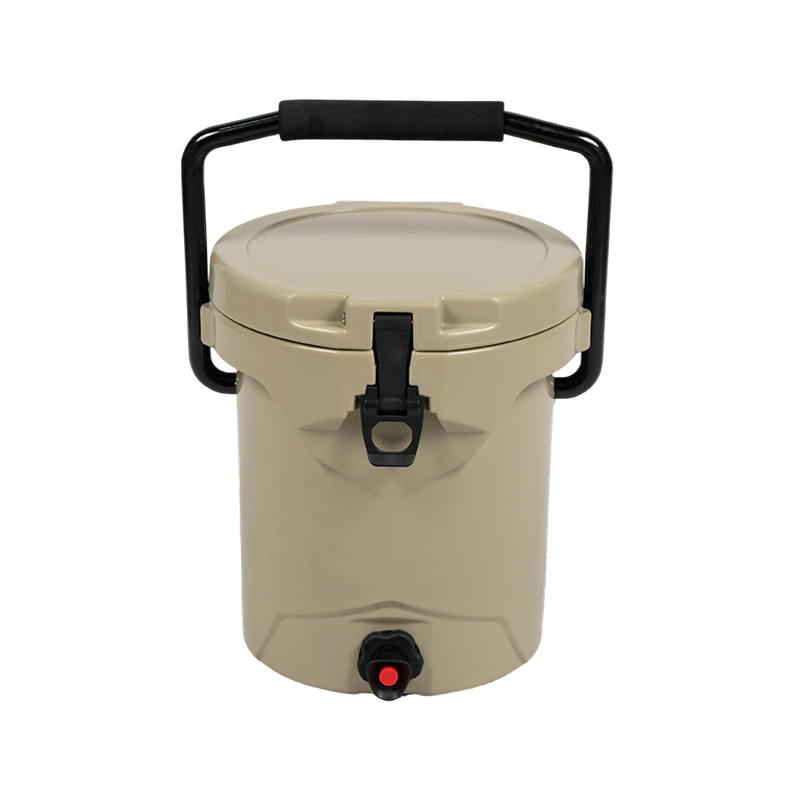
The 10QT NL-10 uses a compact bucket-style body with an interior of about Ø21.3 × H27.8 cm. It is made for simple grab-and-go use: personal lunches, a few drinks, kayaking, paddleboarding or short out...
See Details -
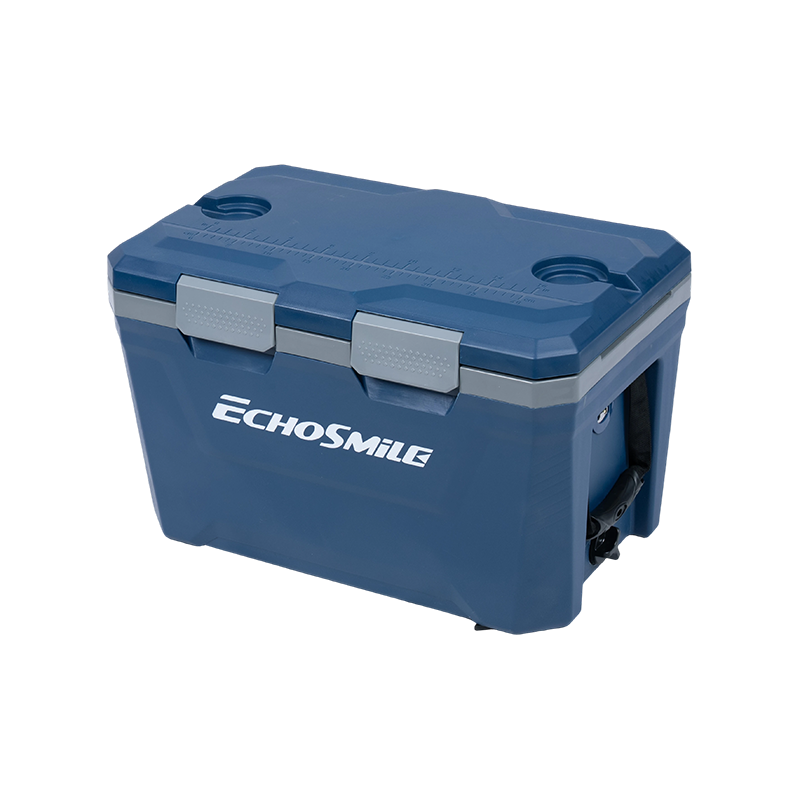
This 35QT cooler uses an injection-molded outer shell with PU foam insulation, with a clear focus on portability and everyday use. It measures approximately 58.2 × 36.1 × 36.4 cm externally and 45.5 ×...
See Details -
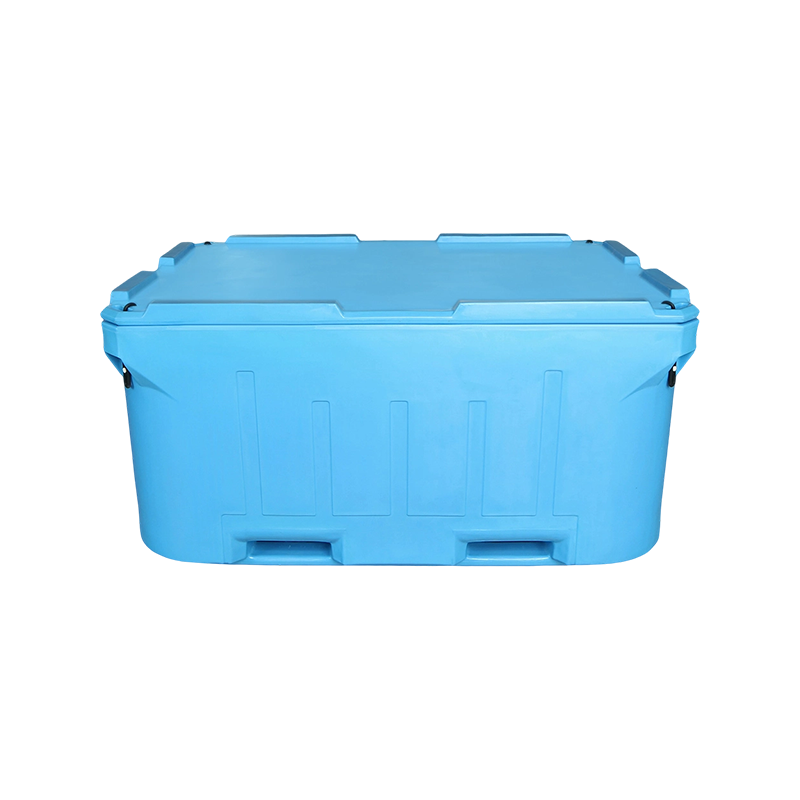
The NL-1000 B is also a 1000L model, but its interior of about 154 × 108 × 68 cm is longer and relatively shallower than the A version. The 154 cm internal length is more practical for long-bodied fis...
See Details -
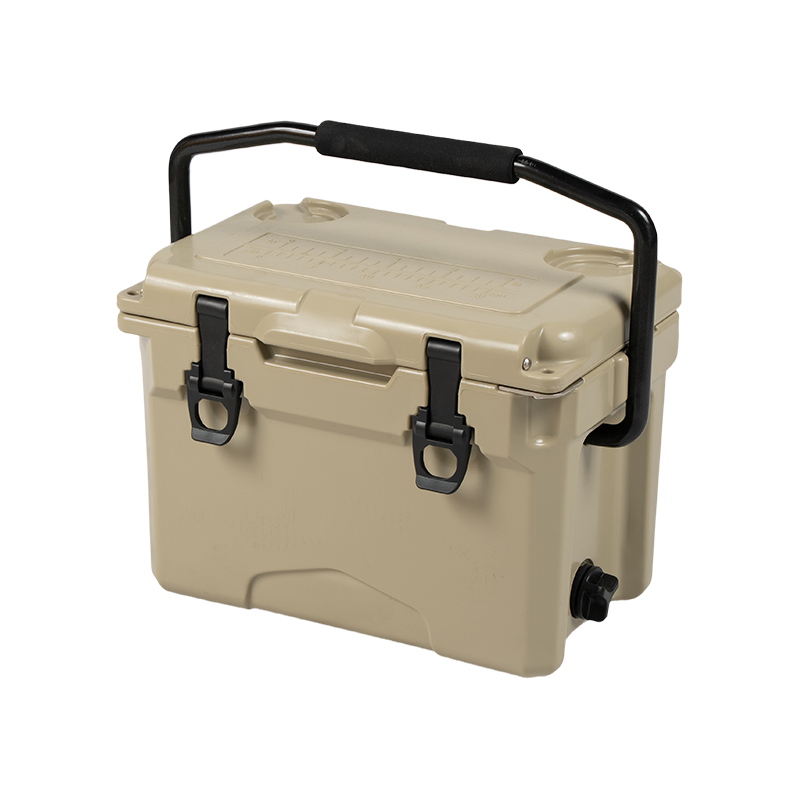
The 12QT NL-12L has an interior of about 28.5 × 17.4 × 22.3 cm and is sized for everyday carrying and light outdoor trips. It holds lunch, drinks, fruit or supplies for a short fishing trip without be...
See Details -
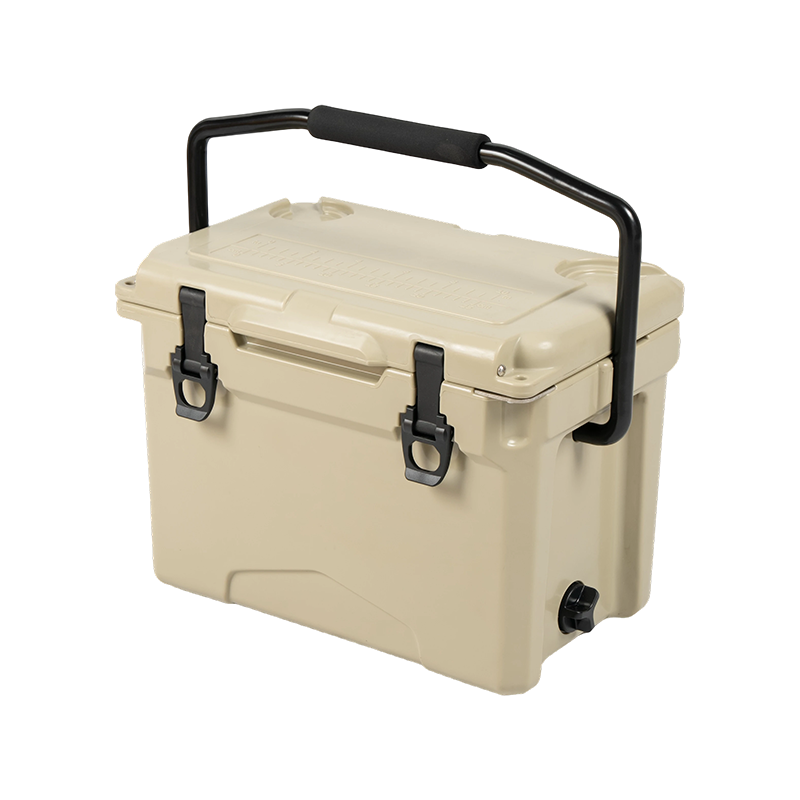
The 18QT NL-18 has an interior of about 35.3 × 21.7 × 25.8 cm, giving it noticeably more room than a personal lunch cooler without moving into bulky territory. It can carry ice, drinks and food for a ...
See Details
Related News
-
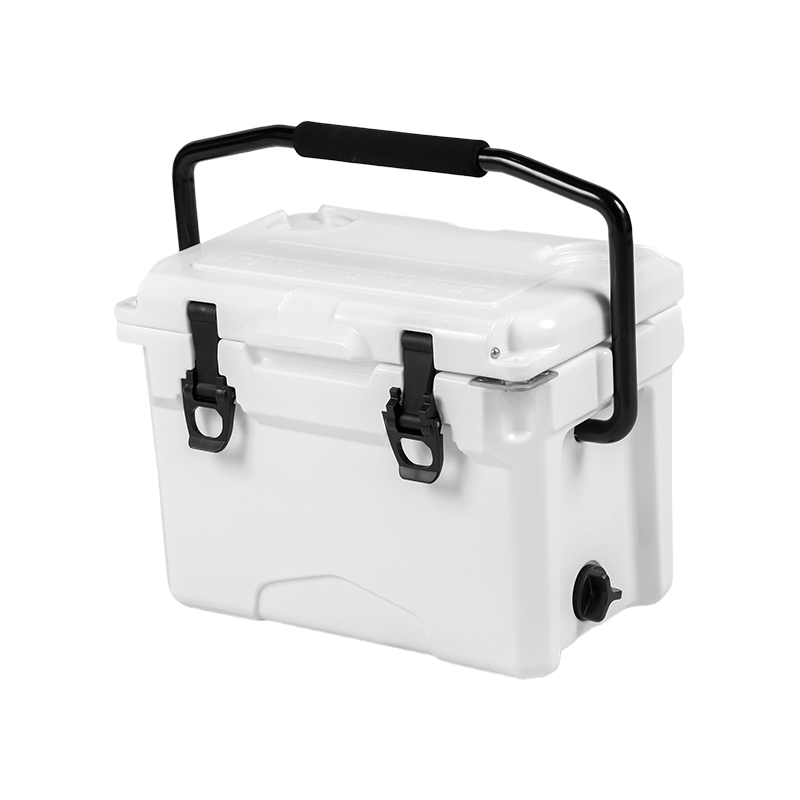
Why Choose a Rotomolded Cooler? Rotomolded Coolers: A Brief Introduction The Pinnacle of Portable Cooling Technology The modern era of outdoor recreation and de...
See Details -
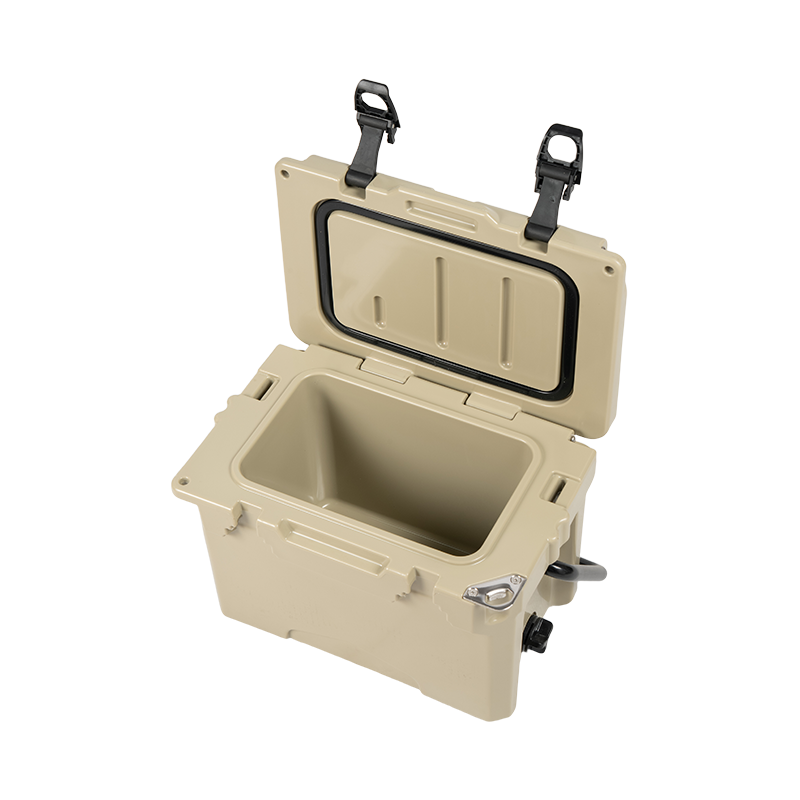
Introduction to Insulated Fish Tubs When you're out on the water, whether it's a deep-sea fishing trip or a relaxing day at the lake, the freshness of your catc...
See Details -
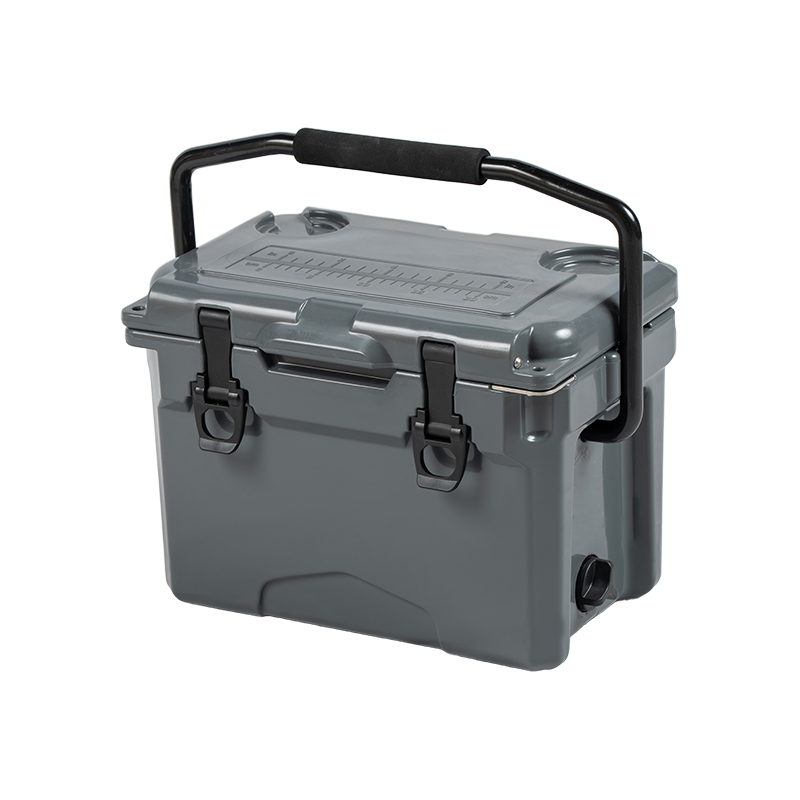
1. Insulation Quality in Outdoor Cooler Boxes When choosing an outdoor cooler box, one of the most critical factors to consider is insulation quality. The insul...
See Details -
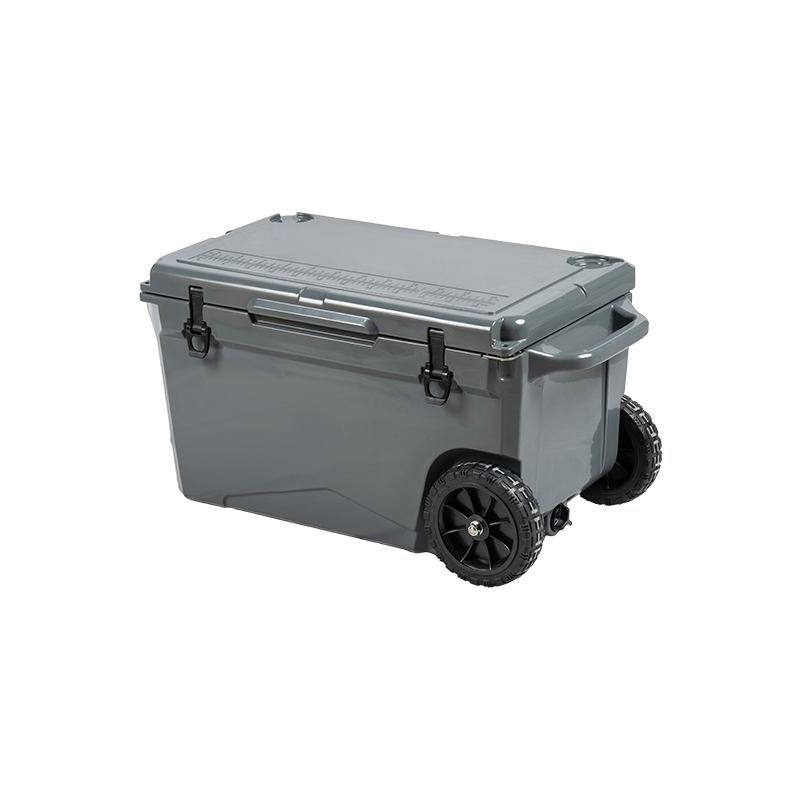
The Unmatched Advantage of ROTOMOLDING COOLER BOX Defining the Premium Standard: What exactly is a ROTOMOLDING COOLER BOX? The ROTOMOLDING COOLER BOX is not mer...
See Details
Be the First to Know
For exclusive deals and the latest offers, sign up by entering your email address below.


Contact Info
 No. 6, Guantong Road, South Zone, Xiaocaoe Town Industrial Park, Ningbo, Zhejiang, China
 +86 13736107260
  [email protected]
 Qr Code



Copyright © Ningbo Nelgreen Outdoor Products Co., Ltd. All Rights
Reserved
 OEM/ODM Seafood Insulated Boxes Manufacturers