 EN
EN
 English
  русский
  Español
  Deutsch
  عربى
عربى 
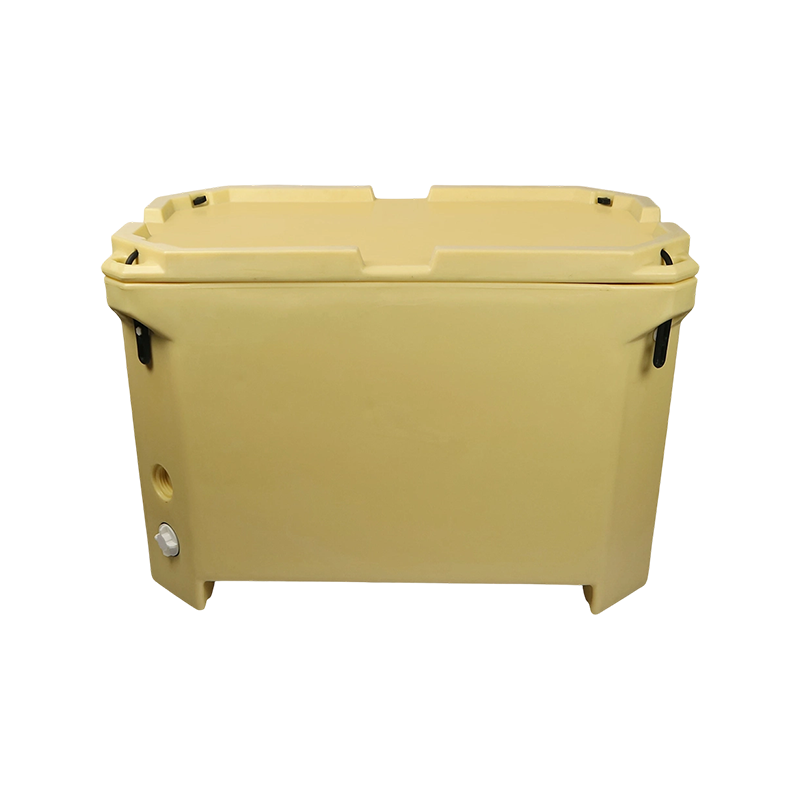
The NL-220 220L has an interior of about 88 × 48 × 53 cm, adding useful capacity over the 100L model while remaining a relatively compact industrial tub. Food-grade LLDPE rotomolded construction and P...
See Details
Insulated Fish Tubs: How to Keep Your Catch Fresh
2025-12-17
Introduction to Insulated Fish Tubs
When you're out on the water, whether it's a deep-sea fishing trip or a relaxing day at the lake, the freshness of your catch is critical. An insulated fish tub is one of the best solutions for keeping your fish at their optimal freshness after they’ve been caught. These specialized coolers are designed to maintain low temperatures and prevent spoilage, allowing you to preserve your catch until you’re ready to clean or transport it.
Unlike traditional coolers or fish storage methods, insulated fish tubs provide superior temperature control, which is essential for preventing bacterial growth and maintaining fish quality. They’re not just a luxury—they’re an essential piece of fishing gear for anyone who spends time on the water and wants to ensure their fish remains fresh.
While other methods such as plastic bags or standard coolers can work in a pinch, they don’t offer the same level of performance. Insulated fish tubs are built with durable, heavy-duty materials that stand up to the challenges of outdoor environments, including saltwater, rough handling, and exposure to UV rays. With proper insulation and design, these tubs offer reliable cooling and help protect the flavor and texture of your fish.
Whether you're storing small catches on a quick fishing trip or preserving a large haul from an offshore adventure, choosing the right insulated fish tub can make all the difference in keeping your fish fresh from the catch to the table.
Why Use an Insulated Fish Tub?
When you're out fishing, there’s nothing worse than catching a big haul only to watch it spoil before you can get it back to shore. Freshness is everything when it comes to fish, whether you're fishing for sport or for sustenance. This is where an insulated fish tub becomes indispensable. Offering a perfect blend of temperature control, durability, portability, and versatility, these tubs are designed to preserve the quality of your catch, ensuring it stays fresh for hours or even days.
Maintaining Fish Quality
Temperature Control for Optimal Freshness
One of the primary reasons to use an insulated fish tub is the temperature control it provides. Fresh fish needs to be kept at a low temperature as soon as possible after being caught to prevent bacterial growth and spoilage. In fact, fish can begin to deteriorate within hours if not properly chilled, especially in warmer weather.
Insulated tubs are engineered with thick layers of insulation that help maintain a cool environment, slowing down the natural decay process. This is crucial for keeping fish fresh, tender, and flavorful. By preventing temperature fluctuations, these tubs ensure that your fish stays cool for longer, preserving its texture and taste until it’s ready to be cleaned or transported.
In comparison, traditional coolers or plastic bags don’t provide the same level of consistent temperature control. Ice chests might help for a while, but the cold doesn't last as long and requires frequent replenishing of ice. Insulated fish tubs, however, hold the cold much more effectively, reducing the frequency of ice replacement and improving the overall preservation of your catch.
Preventing Spoilage and Bacterial Growth
Fish spoilage begins when bacteria start to multiply, which is typically accelerated by higher temperatures. Keeping fish at or below 40°F (4°C) can slow this growth significantly. Insulated tubs help to stabilize the temperature of the fish, preventing the rapid rise in warmth that can lead to spoilage. This is especially important in saltwater environments, where bacterial contamination can happen quickly if the fish is not chilled properly.
By ensuring that the fish remains in a consistently cool environment, insulated tubs greatly reduce the risk of spoilage and help preserve the flavor and texture of the fish.
Durability and Portability
Robust Construction for Outdoor Use
Fishing isn’t always a gentle activity. Whether you’re hauling in a big catch or navigating choppy waters, the gear you rely on must be able to withstand the rigors of the environment. Insulated fish tubs are specifically designed to handle rough outdoor conditions.
Made from materials like high-density plastic, fiberglass, or aluminum, these tubs are resistant to UV damage, cracks, and corrosion, even in saltwater environments. Unlike regular coolers, these tubs are built to endure the heavy use that comes with fishing trips, whether you're on a boat, dock, or out in the wilderness.
Their rugged design makes them ideal for use in marine environments, where exposure to saltwater and sun can quickly break down inferior materials. The long-lasting construction means that an insulated fish tub is a reliable investment that can withstand years of use without deteriorating.
Easy to Carry and Transport Fish
Portability is another key factor to consider when choosing a storage option for your fish. Insulated fish tubs come with features like ergonomic handles, side grips, or straps for easy carrying, making it simple to move your catch from the boat to the dock, or from the dock to your vehicle. These features make it far easier to transport heavy loads of fish compared to cumbersome, non-insulated coolers that may lack convenient handles or are too bulky to manage comfortably.
Even when the tub is full of ice and fish, many designs are lightweight enough to carry with ease, especially when considering the amount of weight you’d have to manage with other types of coolers.
Versatility
Suitable for Various Types of Fish and Fishing Environments
Another great benefit of insulated fish tubs is their versatility. These tubs are perfect for a variety of fishing types, whether you're freshwater fishing, saltwater fishing, or deep-sea fishing. The design of these tubs can accommodate different species of fish, ranging from small catches like bass and trout to larger catches such as tuna or marlin.
Additionally, these tubs come in different sizes and capacities, allowing you to choose the one that fits your typical catch. From small, portable tubs that are great for a quick day trip, to large tubs that can handle a full offshore haul, there’s an option for everyone.
Multiple Uses Beyond Storage
While an insulated fish tub’s primary role is to preserve your fish, it can also serve other purposes. Many anglers use these tubs for fish cleaning or as temporary storage for other fishing gear such as bait or tackle. The spacious, easy-to-clean interior makes it a convenient tool for a variety of fishing-related tasks.
You can also use it to store ice, seafood, or even beverages when you’re not fishing, adding to its versatility. Some models even come with lids or secure closures to prevent spills and keep your contents secure.
Convenience and Cost-Effectiveness
Less Frequent Ice Replacement
Unlike traditional coolers that require constant replenishment of ice, insulated fish tubs are designed to retain ice for longer periods of time. The high-quality insulation minimizes heat transfer, keeping the ice colder for longer and reducing the need for frequent ice changes. This is particularly helpful for long fishing trips or for those who need to store their catch overnight. By investing in an insulated fish tub, you're not only preserving your catch more effectively, but you’re also saving time and money by not needing to constantly restock on ice.
Long-Term Value
While insulated fish tubs may have a higher upfront cost than standard coolers, their long-term value far exceeds that. Due to their durability and efficient cooling, you’ll likely find that an insulated fish tub pays for itself over time. The longevity of these products, combined with their multi-use functionality, ensures they will be a useful tool for years of fishing trips.
Types of Insulated Fish Tubs
When it comes to choosing an insulated fish tub, there’s no one-size-fits-all solution. Depending on your fishing needs, the type of fish you're targeting, and the conditions you'll be using the tub in, you'll want to consider various options. Insulated fish tubs come in different materials, sizes, and features, so it’s essential to understand the available options before making a purchase.
Based on Material
The material of your insulated fish tub is a crucial factor in its durability, performance, and how well it holds up to tough environmental conditions. Here are the three most common materials used in insulated fish tubs:
Plastic Insulated Fish Tubs
Plastic is the most common and affordable material used for insulated fish tubs. These tubs are generally made from high-density polyethylene (HDPE) or similar durable plastics that are resistant to UV rays, saltwater corrosion, and impact damage.
Advantages:
- Cost-Effective: Plastic tubs tend to be more affordable than fiberglass or aluminum options.
- Durable: HDPE plastic is highly resistant to cracks and damage, making it ideal for rugged outdoor conditions.
- Lightweight: Compared to fiberglass and aluminum, plastic tubs are generally lighter, making them easier to carry.
Disadvantages:
- Insulation Quality: While plastic is a good insulator, it may not offer the same level of temperature retention as fiberglass or aluminum, especially if the tub walls are thinner.
Plastic tubs are a great choice for those on a budget who need a reliable, durable tub for general fishing needs. They work well for most freshwater and inshore saltwater fishing trips.
Fiberglass Insulated Fish Tubs
Fiberglass tubs are known for their superior insulation and strength. They’re commonly used in marine environments and for serious offshore fishing. The outer layer of these tubs is typically made from fiberglass, which is then lined with high-quality insulation material.
Advantages:
- Superior Insulation: Fiberglass provides excellent temperature retention, keeping your catch colder for longer.
- Durability: These tubs are highly durable and resistant to wear, making them perfect for harsh saltwater conditions.
- Long Lifespan: Fiberglass tubs can last for many years, even with frequent exposure to sun, salt, and rough handling.
Disadvantages:
- Weight: Fiberglass tubs tend to be heavier than plastic options, which can be a drawback if portability is a priority.
- Cost: Fiberglass tubs are generally more expensive due to the materials and construction involved.
If you're heading out on long offshore trips or need to store large quantities of fish, a fiberglass fish tub is an excellent investment. It’s particularly well-suited for saltwater fishing where high-performance cooling is essential.
Aluminum Insulated Fish Tubs
Aluminum is a popular material for both fish tubs and marine coolers due to its lightweight nature and durability. These tubs are often used by anglers who need a strong yet portable option. Aluminum is a non-corrosive material, which makes it a great choice for exposure to both saltwater and freshwater.
Advantages:
- Lightweight and Portable: Aluminum tubs are easier to carry compared to fiberglass, making them ideal for anglers who need to move their catch around quickly.
- Highly Durable: Aluminum is resistant to corrosion, ensuring that your tub stays in great condition even when exposed to saltwater or harsh outdoor conditions.
- Good Insulation: Aluminum tubs typically use high-density foam insulation between the inner and outer layers, which allows them to maintain temperatures effectively.
Disadvantages:
- Prone to Dents: Aluminum can dent or scratch more easily than plastic or fiberglass, especially if it’s dropped or subjected to rough handling.
- Price: Like fiberglass, aluminum tubs can be on the pricier side, depending on the brand and features.
An aluminum-insulated fish tub is a great choice if you need a high-performing, durable option that’s also lightweight enough for easy transport.
Based on Size and Capacity
Choosing the right size and capacity for your insulated fish tub is essential for making sure you can properly store your catch. Fish tubs come in a variety of sizes to accommodate different amounts of fish, and choosing the right one depends on the types of fish you catch and how many you typically haul in.
Small Tubs (Up to 50 Quarts)
Small insulated fish tubs are perfect for short trips or light catches. They’re ideal for anglers who fish inshore or freshwater, where the catch might not be as large, or for those who primarily fish for smaller species.
Advantages:
- Compact and Lightweight: These tubs are easy to carry and store, making them great for quick trips or anglers with limited space.
- Perfect for Smaller Catches: If you’re targeting fish like bass, trout, or smaller saltwater species, these tubs provide enough space without being too bulky.
Disadvantages:
- Limited Capacity: If you’re an angler who regularly hauls in large fish or a big catch, a smaller tub may not be suitable.
Medium Tubs (50-150 Quarts)
Medium-sized insulated fish tubs are the most versatile, offering a balance between capacity and portability. These are a great choice for anglers who frequently fish for larger species like snapper, walleye, or pike, but don’t need to store an enormous haul.
Advantages:
- Adequate Storage for Moderate Catches: These tubs can hold several fish, making them ideal for medium-sized fishing trips.
- Still Relatively Portable: While larger than small tubs, these tubs are still portable enough for easy transport without being too heavy.
Disadvantages:
- Not Ideal for Large Catches: For those who fish offshore or catch very large fish, these tubs might not provide enough capacity.
Large Tubs (150+ Quarts)
Large insulated fish tubs are designed for big-game fishing and offshore trips. They offer the capacity to hold multiple large fish, making them ideal for anglers targeting species like tuna, marlin, or sharks.
Advantages:
- Maximum Storage Capacity: These tubs are perfect for storing large hauls or big fish, ensuring that you have plenty of space to keep them cool and fresh.
- Ideal for Offshore Fishing: If you regularly fish far from shore or participate in deep-sea fishing, a large tub is essential to properly store your catch.
Disadvantages:
- Bulky and Heavy: Large tubs can be difficult to handle, especially when filled with ice and fish. They may not be ideal for anglers who prioritize portability.
Based on Features
In addition to the material and size, many insulated fish tubs come with additional features that make them even more practical and efficient. Some of the most popular features include:
With Drain Plugs
A drain plug is a must-have for easy maintenance and cleaning. It allows you to quickly remove excess water, such as melted ice, without having to tip the entire tub. This feature is especially useful if you’re storing fish for an extended period or need to drain water between catches.
With Handles and Straps
For added portability, many fish tubs come with ergonomic handles or adjustable straps. These features make it easier to carry the tub, especially when it’s full. Some models even have folding handles for added convenience, allowing you to save space when the tub is not in use.
With Lids and Secure Closures
Some tubs come with lids or secure closures to keep the fish protected from the elements and prevent spills. A secure lid is especially useful in windy or choppy conditions, ensuring that your fish stay contained and the tub stays cool. Some lids are locking, providing extra security for transporting your catch.
Factors to Consider When Choosing an Insulated Fish Tub
Choosing the right insulated fish tub can significantly affect how well you preserve your catch and how easily you can transport it. With so many options available, it’s important to consider several key factors to make sure you select a tub that best suits your specific fishing needs. Here’s a breakdown of the most important considerations when choosing an insulated fish tub.
Size and Capacity
The size and capacity of your insulated fish tub will depend largely on the type of fishing you do and the typical size of your catch. Whether you're fishing for smaller species like trout or bass, or targeting larger fish like tuna or marlin, the size of your tub plays a critical role in how effectively it preserves your catch.
Consider the Typical Size of Your Catch
If you’re primarily fishing for smaller species, a smaller tub (around 50 quarts or less) should be sufficient. These are compact, lightweight, and easy to store. For anglers targeting larger fish or who frequently fish offshore, larger tubs (over 150 quarts) are necessary to accommodate more significant quantities or larger fish.
Match Capacity to Frequency and Type of Fishing
- Small Tubs (Up to 50 Quarts): Ideal for short trips, small catches, and inshore or freshwater fishing.
- Medium Tubs (50-150 Quarts): Great for medium-sized fish and moderately sized catches, perfect for those who fish regularly.
- Large Tubs (150+ Quarts): Best for offshore or deep-sea fishing, where you expect a large haul or large fish like marlin, sharks, or swordfish.
While larger tubs provide more room, they can be bulkier and harder to move when full. Finding the right balance between capacity and portability is essential for getting the most out of your insulated fish tub.
Insulation Quality
The primary function of an insulated fish tub is to keep your catch cool, so the quality of insulation should be one of your top priorities. The better the insulation, the longer your fish will stay fresh. Thickness, material, and the insulation type play a major role in temperature retention.
Thickness of the Insulation
The thicker the insulation, the longer the tub can maintain a low temperature. A well-insulated tub can keep your fish cooler for longer periods, reducing the need for frequent ice replenishing. Look for tubs with 2 to 3 inches of high-density foam insulation for the best temperature control.
Material Used for Insulation
- Polyurethane foam is a common insulation material due to its high efficiency at retaining cold and water resistance.
- Expanded polystyrene (EPS) is another material that offers good insulation, although it is typically less durable than polyurethane.
How Well Does the Tub Seal?
The effectiveness of insulation depends not just on the thickness but also on how well the tub seals. Make sure the tub has an airtight seal when closed, whether it’s a lid that latches securely or a gasket around the edges. Even the best insulation can’t help if warm air continually leaks in.
Material and Durability
The durability of your insulated fish tub is crucial for ensuring that it can withstand the elements, rough handling, and frequent use. Your choice of material affects not only the durability but also the weight, price, and functionality of the tub.
Plastic (HDPE)
- Pros: Lightweight, UV-resistant, corrosion-resistant, and affordable. High-density polyethylene (HDPE) is a popular material that offers good strength and flexibility. It resists damage from rough handling and exposure to saltwater.
- Cons: Less durable than fiberglass or aluminum, especially in extremely hot conditions, though it is still highly resistant to cracks and general wear and tear.
Fiberglass
- Pros: Extremely durable and resistant to damage from UV rays, saltwater, and impacts. Fiberglass tubs tend to last for many years, making them ideal for anglers who frequently fish in harsh marine environments.
- Cons: Heavier than plastic and generally more expensive. It can also be prone to cracking under extreme impact, though this is less of an issue if the tub is well-constructed.
Aluminum
- Pros: Lightweight and resistant to corrosion, making it ideal for saltwater fishing. Aluminum tubs are durable, easy to maintain, and resistant to UV rays.
- Cons: While generally strong, aluminum can dent more easily than fiberglass or plastic. It can also be more expensive than plastic.
Portability and Ease of Use
When you’re out fishing, the last thing you want is a tub that’s difficult to move, especially when it’s filled with heavy fish and ice. Portability is a key factor to consider, as you’ll need to carry the tub to and from your boat or fishing spot, and potentially across long distances.
Handles and Straps
Look for a tub with ergonomic handles that make carrying it easier. Some models feature recessed handles or heavy-duty straps that can support the weight of a full tub. If you’re fishing alone or need to haul the tub a longer distance, dual handles or carry straps can make a significant difference.
Weight Considerations
While larger tubs offer greater capacity, they can be quite heavy. Consider the tub’s weight when empty, as well as the weight when filled with ice and fish. If portability is a top priority, you may want to opt for a lighter, smaller tub or one made from plastic or aluminum.
Wheels
Some larger tubs come equipped with wheels for easier movement, which is especially helpful for transporting large quantities of fish without straining your back. Keep in mind that wheels may add bulk and weight to the tub, so ensure that they can be easily maneuvered on various terrains, such as gravel or sand.
Drainage and Cleaning
Keeping your insulated fish tub clean is essential for both hygiene and ensuring the longevity of the tub. Over time, fish residue, melted ice, and saltwater can leave behind unpleasant smells or even promote mold growth if not properly cleaned. Look for a tub that’s easy to drain and clean.
Drain Plug
A tub with a drain plug makes it much easier to remove excess water and ice after a fishing trip. Drain plugs should be large enough to allow for quick drainage and secure enough to prevent leaks while the tub is being transported. Some high-end tubs also offer multi-directional drain plugs that let you drain water quickly from different angles.
Interior Design
Smooth, non-porous interiors are easier to clean and maintain than rough, textured surfaces. Look for tubs with rounded corners and easy-to-wash surfaces, as this will help remove fish scales, blood, and other debris more easily.
Mold and Mildew Resistance
A good-quality fish tub should be resistant to mold and mildew growth. Look for tubs that are made with anti-microbial materials or treated with protective coatings to help prevent mold growth inside the tub. This will keep your tub odor-free and safe for storing fish on future trips.
Price and Warranty
While it’s tempting to go for the cheapest option, remember that the durability and performance of an insulated fish tub are directly tied to its price. High-quality tubs made from fiberglass or aluminum may cost more upfront, but their durability and insulation can save you money in the long run by reducing the need for ice and preventing spoilage.
Additionally, always check if the manufacturer offers a warranty or a satisfaction guarantee. A good warranty can offer peace of mind, knowing that the tub is built to last and that any defects will be covered.
How to Properly Use and Maintain Your Insulated Fish Tub
An insulated fish tub is an investment in preserving the freshness of your catch, and like any piece of gear, it requires proper use and maintenance to ensure its longevity and efficiency. By following a few simple steps, you can get the most out of your tub, ensuring that your fish stays fresh and your tub remains in excellent condition trip after trip.
Pre-Cooling the Tub
One of the best ways to ensure that your insulated fish tub performs at its best is to pre-cool it before use. This simple step can significantly enhance the tub’s ability to retain cold temperatures and maintain the freshness of your catch.
Why Pre-Cooling Matters
Pre-cooling the tub helps to lower the temperature inside the tub before you place fish or ice inside. Without pre-cooling, the tub might absorb some of the heat from the surrounding air, which can cause the temperature to rise more quickly when ice is added, ultimately reducing its cooling efficiency.
How to Pre-Cool Your Tub
There are a few methods to pre-cool your tub:
- Ice Packs or Ice Bags: One of the easiest ways to pre-cool your tub is by filling it with ice or ice packs before you head out on your fishing trip. Let it sit for an hour or so to chill the interior.
- Cold Water: If you have access to water at the dock or boat, you can fill the tub with cold water to bring down the temperature.
- Chilled Water Bottles: Another option is to place a few large bottles of frozen water inside the tub, which will gradually cool it down.
Once the tub is cool, drain the water or remove the ice and begin loading your catch for the day. The tub will now maintain the fish at a lower temperature for a longer period.
Packing Fish with Ice
Properly packing your fish with ice is one of the most effective ways to maintain their freshness. Insulated fish tubs work best when ice is used in combination with the tub’s insulation to keep temperatures low and prevent spoilage.
Layering Fish and Ice
- Layering: When packing your fish, layer the fish with ice rather than just dumping it all in at once. Start by placing a layer of ice at the bottom of the tub, then place your fish on top of the ice. Add another layer of ice on top of the fish, ensuring that the fish are completely surrounded by ice. This will help maintain a more consistent temperature throughout the tub.
- Fish Placement: Avoid overcrowding the tub, as it can lead to less effective cooling. Leave some space between the fish to allow the cold air to circulate more evenly.
- Ice-to-Fish Ratio: A general rule of thumb is to use about 1 pound of ice per pound of fish to ensure proper cooling. If you have a lot of fish, be sure to add more ice.
Choosing the Right Type of Ice
- Ice Blocks vs. Crushed Ice: Ice blocks melt slower than crushed ice and provide longer cooling. However, crushed ice is better at packing around fish and can cool the tub more efficiently. Ideally, a mix of both ice blocks and crushed ice will give you the best of both worlds.
- Saltwater Ice: For those fishing in saltwater environments, saltwater ice is a great option. Saltwater ice stays colder for a longer period because the ice melts at a slower rate. Saltwater ice also prevents the ice from becoming too diluted by melting freshwater ice, which can raise the overall temperature inside the tub.
Drainage and Cleaning
A key to maintaining your insulated fish tub is ensuring that water, melted ice, and fish debris are properly drained after each use. This helps prevent odors, mold, and bacteria buildup, keeping your tub in great condition.
Using the Drain Plug
Most high-quality fish tubs come with a drain plug at the bottom to allow for easy drainage of excess water or melted ice. To drain the tub:
- Open the drain plug to allow melted ice and water to escape.
- Depending on the design of the tub, you may need to tilt it slightly to ensure that all the water drains out.
Make sure the drain plug is securely closed after each use to prevent leaks during transport.
How to Clean the Tub
Cleaning your insulated fish tub after each use is essential for removing fish residue and preventing odors. Here are some steps to ensure your tub stays fresh and hygienic:
- Rinse Immediately: After fishing, rinse out any fish scales, blood, and other debris as soon as possible to prevent them from drying on the tub's surface.
- Use Soap and Water: Use a mild soap and warm water to clean the interior of the tub. Avoid using harsh chemicals that might damage the material or leave a residue.
- Scrub the Interior: Use a soft brush or cloth to scrub the interior, paying special attention to corners and edges where debris can accumulate.
- Sanitize the Tub: To prevent odors and bacteria, you can occasionally sanitize the tub with a mixture of water and white vinegar or baking soda. These natural cleaners help remove fishy smells and disinfect the surface without damaging the tub.
Drying the Tub
After cleaning, let the tub dry completely before storing it. Mold and mildew can grow if moisture is trapped inside. Dry it with a towel, or leave it in a well-ventilated area to air dry.
Storage Tips for Long-Term Care
Proper storage of your insulated fish tub when it’s not in use can extend its life and ensure it’s ready to go for your next fishing trip.
Keep It Dry
Make sure the tub is completely dry before storing it. If moisture is trapped inside, it can lead to the growth of mold and mildew, which could cause unpleasant odors and deteriorate the tub’s materials over time.
Store in a Cool, Dry Place
Store your insulated fish tub in a cool, dry location away from direct sunlight and extreme temperatures. Prolonged exposure to the sun or freezing temperatures can damage the tub’s insulation, especially if it’s made of plastic or foam. Avoid storing it in damp areas such as basements or garages prone to high humidity, as this can encourage mold growth.
Prevent Deformation
If you’re storing a large, heavy tub, be mindful of how it’s stored. Don’t stack heavy items on top of it or allow it to get deformed. Keeping the tub upright and in its natural shape will ensure that it remains functional and efficient when you need it again.
Additional Maintenance Tips
Here are a few extra tips to help keep your insulated fish tub in optimal condition:
- Check the Seal and Lid: Regularly inspect the lid and seal for any damage. A compromised seal can lead to poor cooling performance. Ensure that the seal is intact and that the lid closes securely.
- Inspect for Cracks or Damage: Especially after a long trip, inspect the tub for any cracks, dents, or damage. Even small damage can affect its performance, so make repairs or replacements as needed.
- Use Ice Gel Packs: If you don’t want to deal with water buildup from melting ice, consider using ice gel packs, which remain solid and cool longer without creating a mess.
Tips for Keeping Fish Fresh Longer in Your Tub
One of the most important aspects of fishing is ensuring that your catch stays fresh until it can be properly cleaned, processed, or transported. An insulated fish tub helps to maintain a cool temperature and prevent spoilage, but there are several techniques that you can use to enhance the performance of your tub and keep your fish in the best possible condition for as long as possible.
Use Saltwater Ice Instead of Freshwater Ice
When it comes to keeping your catch fresh, the type of ice you use can make a huge difference in how long your fish stays at an optimal temperature. Saltwater ice is one of the best ways to keep fish cold for extended periods.
Why Saltwater Ice is Better
- Slower Melting: Saltwater ice melts much slower than regular freshwater ice. This is because the freezing point of saltwater is lower than that of freshwater, meaning saltwater ice will stay solid for a longer period.
- Better Cold Retention: Saltwater ice is more efficient at maintaining a lower temperature for a longer time. This is especially important for preserving the freshness of your fish in hot weather or during extended trips.
If you’re fishing in saltwater, you can make your own saltwater ice by mixing salt into fresh water and freezing it into blocks or bags. Alternatively, some fishing gear stores offer pre-made saltwater ice packs that you can use to line the bottom of your tub.
Avoid Overcrowding the Tub
One of the most common mistakes anglers make when using an insulated fish tub is overcrowding the catch. Overcrowding reduces airflow and circulation, which leads to uneven cooling and quicker spoilage.
Why Overcrowding is Harmful
When fish are packed too tightly, they cannot get the proper amount of cold air or ice circulation around them. This means that some fish may warm up, while others may be cooled too slowly, leading to uneven preservation and a higher risk of bacterial growth or spoilage.
How to Avoid Overcrowding
- Give Your Fish Space: Ensure that your fish are spaced out inside the tub so that cold air can circulate evenly. Leave room around the edges of the tub to allow ice to surround each fish.
- Separate Large and Small Fish: Larger fish require more space, and if they’re mixed in with smaller fish, they may not cool down effectively. Consider using separate tubs for large catches or use dividers inside your tub to prevent overcrowding.
A good rule of thumb is to use a tub that offers enough space to accommodate your catch without excessive squeezing, allowing cold air and ice to reach all the fish equally.
Minimize Opening the Tub
One of the easiest ways to reduce the effectiveness of your insulated fish tub is by frequently opening the lid. Every time the lid is opened, warm air enters the tub, reducing the cold temperature and causing ice to melt faster.
Why Frequent Opening is Detrimental
Opening the tub too often allows warm air to enter, which leads to a spike in the internal temperature. This can cause the ice to melt more quickly and reduce the effectiveness of the insulation. Additionally, the more the tub is opened, the greater the chance that contaminants or bacteria will be introduced, leading to faster spoilage.
How to Minimize Tub Opening
- Plan Ahead: Before opening the tub, plan what you need to do so you can do everything at once. For instance, if you’re going to clean fish or transfer fish to a different location, try to do it in one go rather than opening the tub multiple times.
- Use a Thermometer: Consider using a thermometer to monitor the internal temperature of your tub. This will help you assess if the fish are staying at the optimal temperature (below 40°F or 4°C). If the temperature begins to rise, it might indicate the need for more ice or better ventilation, but you won’t need to open the tub to check constantly.
When possible, try to keep the lid closed for as long as possible to maintain the internal cooling environment and minimize heat transfer.
Layer Fish with Ice for Even Cooling
Properly layering your fish with ice is one of the most effective ways to ensure even cooling and prevent spoilage. The principle is simple: cold air circulates more efficiently when the fish are surrounded by ice.
How to Layer Fish and Ice Properly
- Start with a Base of Ice: Place a solid layer of ice at the bottom of the tub before you add any fish. This provides a cool base and prevents the fish from coming into direct contact with the tub’s surface, which might not be as cold.
- Layer the Fish: Place the fish on top of the ice, ensuring that they are arranged in a way that maximizes the cooling contact between the ice and the fish.
- Top with More Ice: Once all the fish are packed in, add another generous layer of ice over the fish. If the fish are large, make sure that the ice surrounds them on all sides.
Tip: If you have smaller fish, like trout or perch, you may also want to add crushed ice to pack around the fish more effectively. Larger fish, such as tuna or mackerel, will benefit more from larger blocks of ice that can maintain colder temperatures for longer.
Use Ice Gel Packs for Longer Freshness
While traditional ice works well, using ice gel packs can be a more efficient way to keep your fish fresh, especially if you don’t want to deal with the mess of melting water.
Why Ice Gel Packs Are Useful
- Longer Cooling: Ice gel packs stay colder longer than traditional ice, which makes them perfect for prolonged trips.
- No Water Mess: Unlike regular ice, ice gel packs don’t melt into water. This is particularly advantageous for keeping the tub clean and preventing fish from being submerged in excess water.
Ice gel packs are available in various sizes and can be stacked around the fish inside the tub. This method is particularly useful when fishing in hotter climates, as the packs maintain a steady temperature without the need for continuous ice replenishing.
Keep Your Tub in the Shade
If you’re fishing in warm weather or direct sunlight, try to keep your insulated fish tub in a shaded area whenever possible. Direct sunlight can heat up the tub and cause the ice to melt more quickly, even if the tub is well insulated.
How to Keep the Tub Cool
- Use a Tarp or Cover: Consider using a tarp, umbrella, or cooler cover to shield your tub from the sun. This simple step can help prevent the temperature inside the tub from rising.
- Store in a Cool Area: If you’re fishing from a boat, try to keep your tub in the coolest part of the boat, ideally away from engines or areas that might get direct sun exposure.
Keeping the tub shaded ensures that the insulation can do its job more effectively and the ice will last longer.
Maintain Ice Levels Regularly
Even with good insulation, ice will eventually melt. Regularly check the ice levels inside your tub, especially if you’re on an extended fishing trip. The more ice you have, the better the cooling effect.
How to Maintain Ice Levels
- Bring Extra Ice: If you’re going on a long fishing trip, make sure to bring enough ice to replenish as needed. Keep a cooler of extra ice nearby so you can top off your tub during the day.
- Use Ice Retention Enhancers: Consider using insulated ice packs or ice bricks in addition to regular ice. These have a much slower melt rate and are perfect for maintaining the necessary cold temperatures for extended periods.
Quick Fish Processing
Finally, if possible, clean and gut the fish as soon as possible after catching them. This helps to reduce bacterial growth and speeds up the cooling process. Fish that have been gutted and bled will stay fresher for longer, and removing the entrails reduces the chance of spoilage due to internal organs breaking down.
Our R&D team has over 15 years of rich experience in the field of rotational molding products and has applied for 6 product patents. The number of factory employees has exceeded 100. Strict management and quality control have enabled us to take the leading position in the industry. In addition, the experienced sales team can provide customers with a variety of solutions and high-quality services.
Related products
-
-
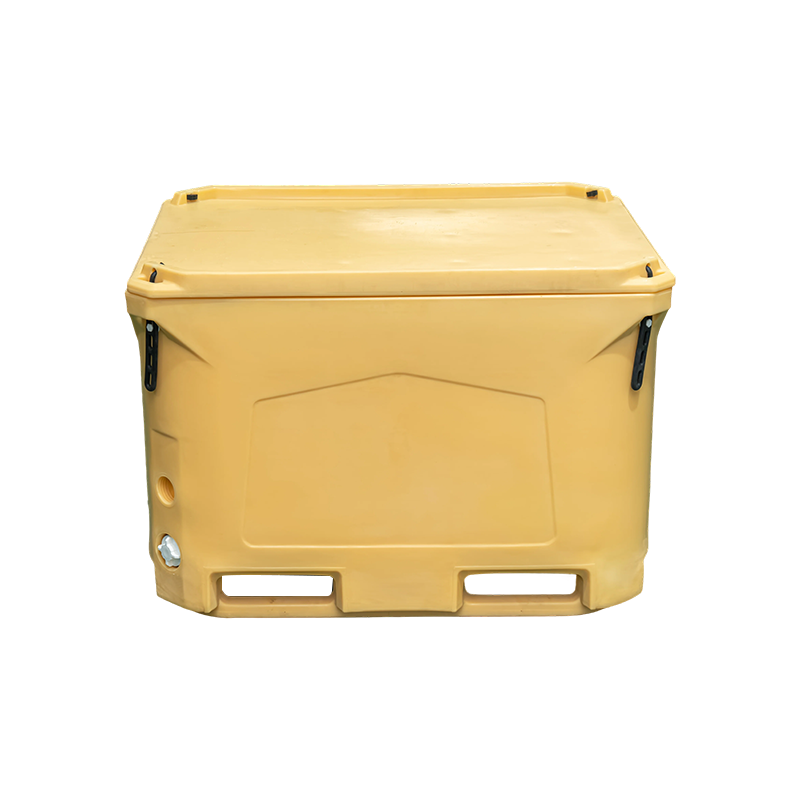
The NL-330 330L has an interior of about 92 × 68 × 53 cm and is particularly useful for sorting after vessel landing and handling medium seafood batches. Its food-grade LLDPE rotomolded body with PU i...
See Details -
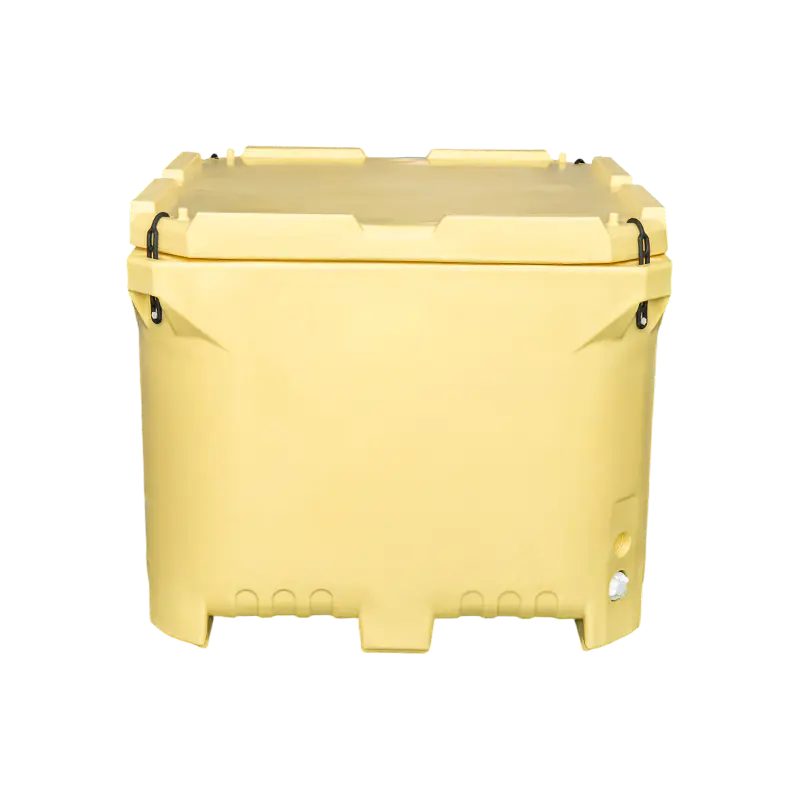
The NL-800 800L has an interior of about 106.5 × 96.5 × 74 cm and is deeper than the 700L model, making it useful when more load is needed in each tub. Larger fish, bulk seafood and processing-plant s...
See Details -
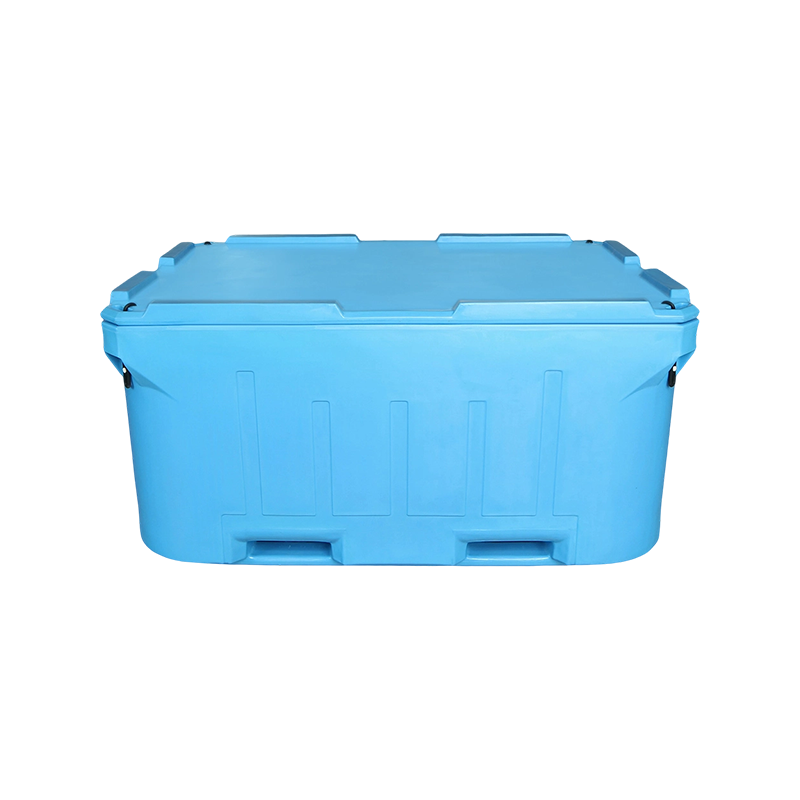
The NL-1000 B is also a 1000L model, but its interior of about 154 × 108 × 68 cm is longer and relatively shallower than the A version. The 154 cm internal length is more practical for long-bodied fis...
See Details -
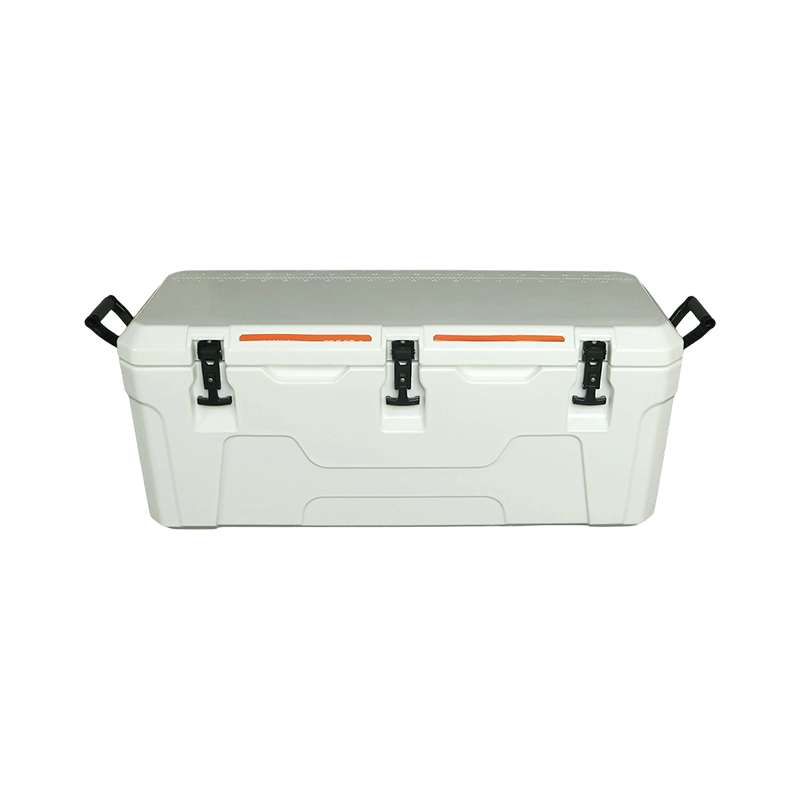
The 140QT NL-140 has an interior of about 105 × 32 × 38 cm, and its more-than-one-meter usable length is the key advantage of this model. It is better suited to larger fish, longer catch and supplies ...
See Details -
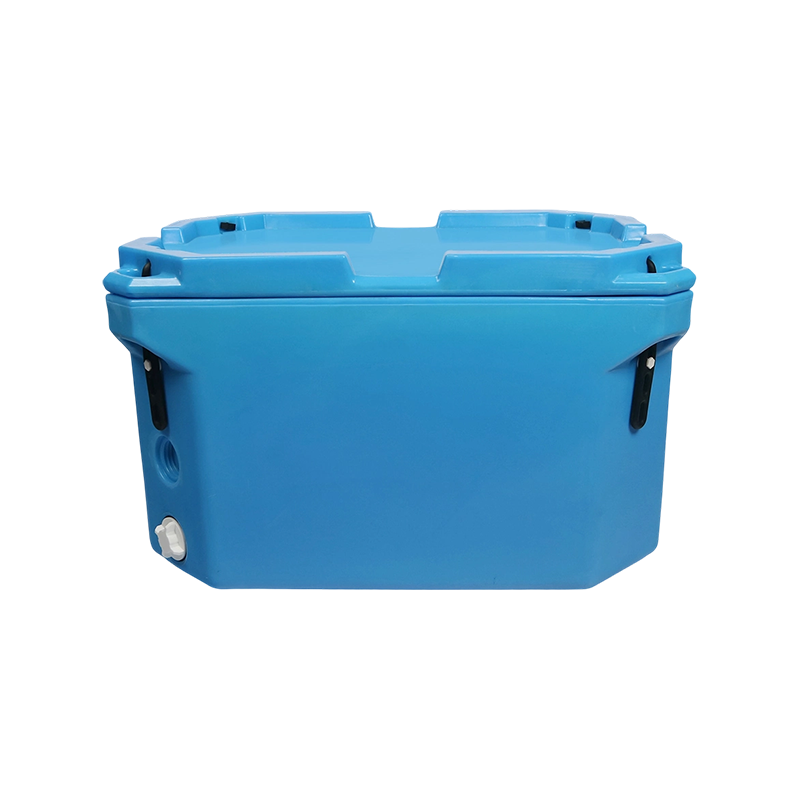
The NL-100 100L is the more compact and flexible size in the industrial fish-tub range, with an interior of about 68 × 48 × 38 cm. Its food-grade LLDPE rotomolded body and PU insulation suit catering ...
See Details
Related News
-
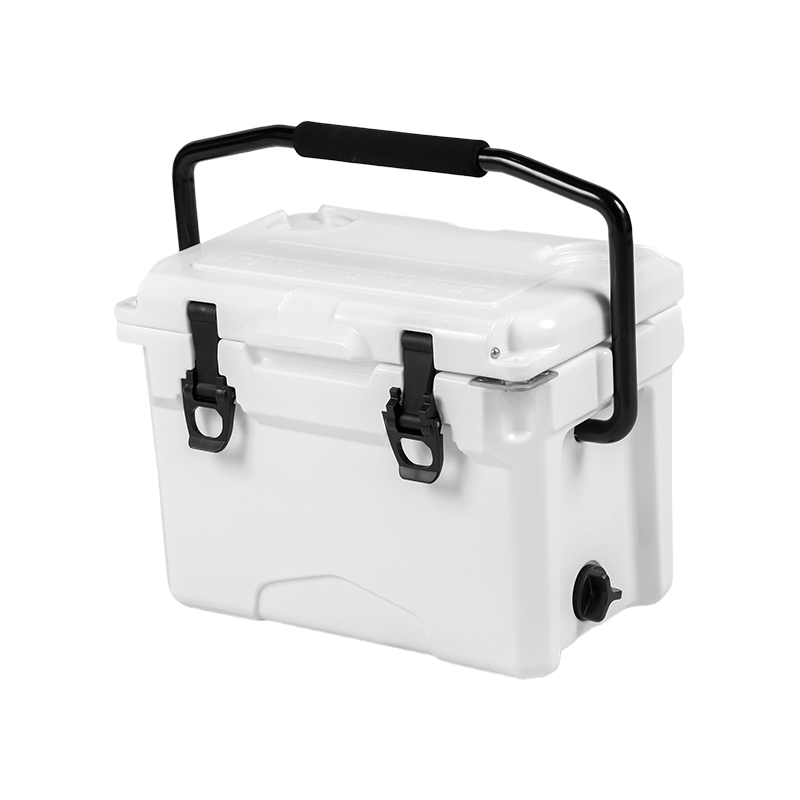
Why Choose a Rotomolded Cooler? Rotomolded Coolers: A Brief Introduction The Pinnacle of Portable Cooling Technology The modern era of outdoor recreation and de...
See Details -
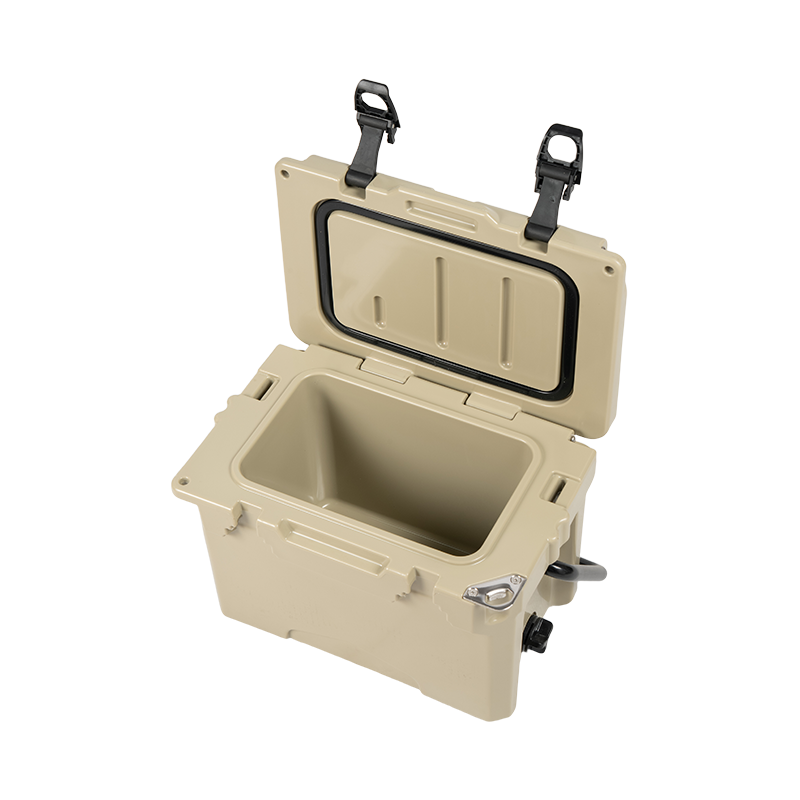
Introduction to Insulated Fish Tubs When you're out on the water, whether it's a deep-sea fishing trip or a relaxing day at the lake, the freshness of your catc...
See Details -
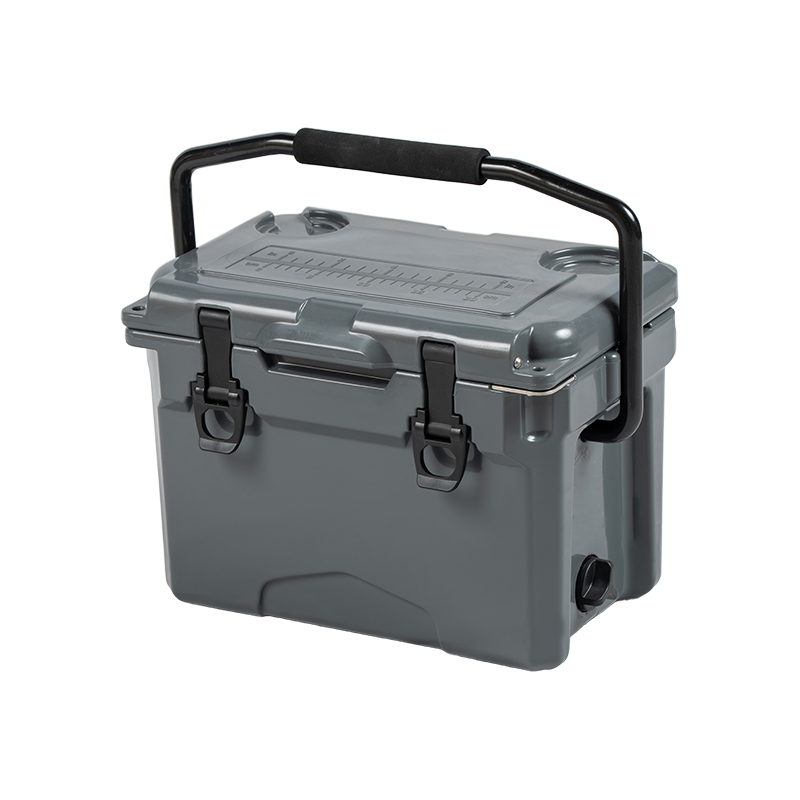
1. Insulation Quality in Outdoor Cooler Boxes When choosing an outdoor cooler box, one of the most critical factors to consider is insulation quality. The insul...
See Details -
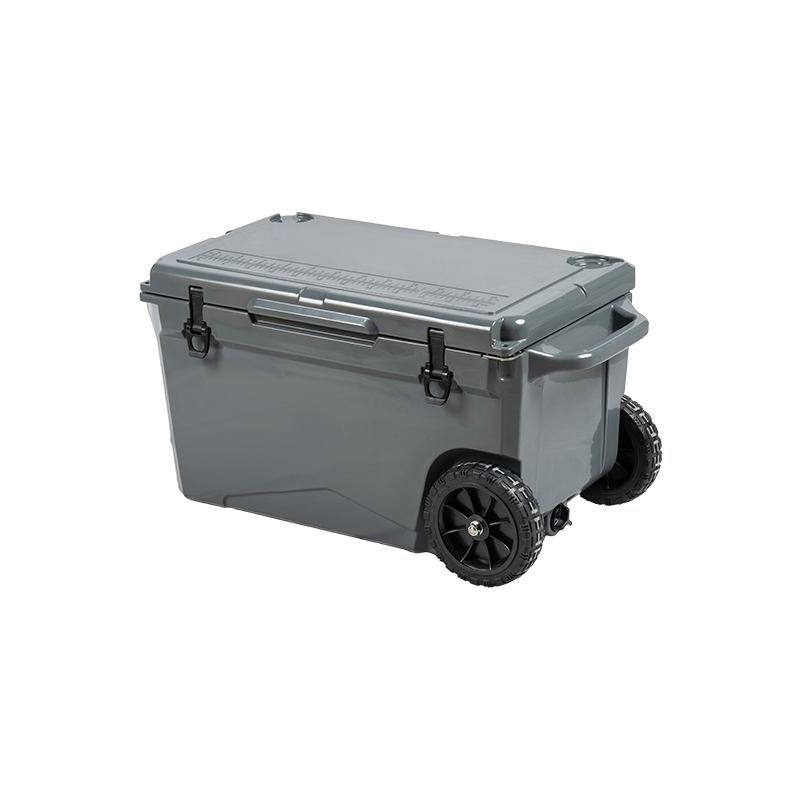
The Unmatched Advantage of ROTOMOLDING COOLER BOX Defining the Premium Standard: What exactly is a ROTOMOLDING COOLER BOX? The ROTOMOLDING COOLER BOX is not mer...
See Details
Be the First to Know
For exclusive deals and the latest offers, sign up by entering your email address below.


Contact Info
 No. 6, Guantong Road, South Zone, Xiaocaoe Town Industrial Park, Ningbo, Zhejiang, China
 +86 13736107260
  [email protected]
 Qr Code



Copyright © Ningbo Nelgreen Outdoor Products Co., Ltd. All Rights
Reserved
 OEM/ODM Seafood Insulated Boxes Manufacturers