 EN
EN
 English
  русский
  Español
  Deutsch
  عربى
عربى 
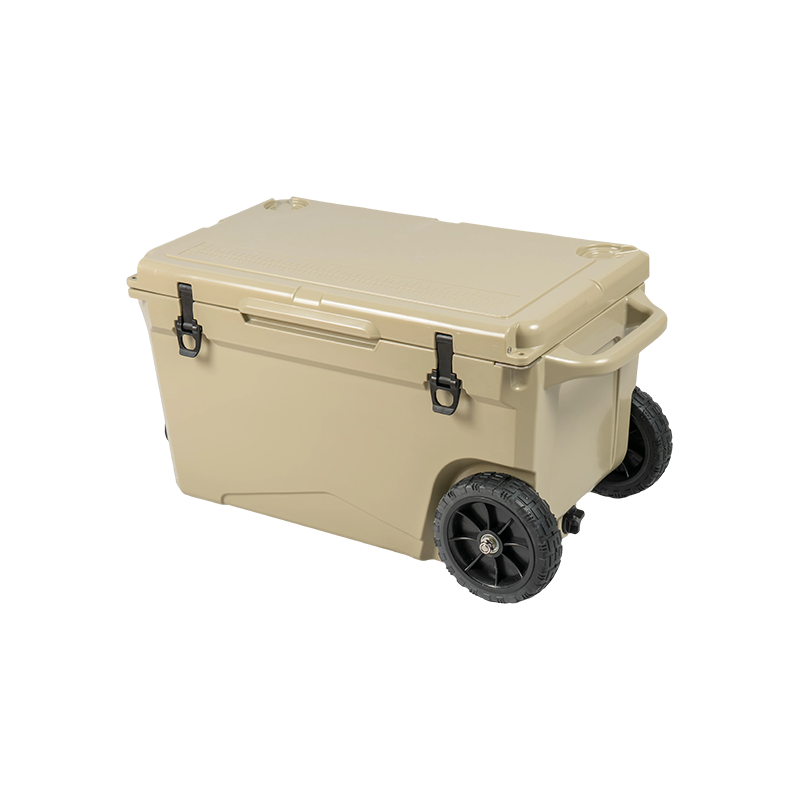
The 75QT NL-75 is a large wheeled model with an interior of about 66.2 × 34.1 × 35.8 cm. It is suited to offshore fishing, boating, family barbecues and group events where more ice, drinks, food or ca...
See Details
What Are the Key Features to Look for in an Outdoor Cooler Box?
2025-12-17
1. Insulation Quality in Outdoor Cooler Boxes
When choosing an outdoor cooler box, one of the most critical factors to consider is insulation quality. The insulation in a cooler box plays a vital role in determining how well it can maintain a low internal temperature, ensuring that your food and drinks stay cold for as long as possible. A good cooler should keep ice frozen for days, even in hot conditions.
Why Insulation Quality is Crucial
Insulation works by creating a barrier that prevents warm air from entering the cooler and cold air from escaping. This is achieved by using materials that trap air or slow down the transfer of heat. For a cooler to perform optimally, it must keep the inside temperature consistently low over an extended period, even as the outside temperature rises.
The importance of insulation quality becomes apparent when you’re outdoors in extreme weather conditions. Whether you are camping in the summer heat, tailgating on a sunny day, or going on a long road trip, a cooler with good insulation can be the difference between having ice-cold beverages and warm, unpleasant drinks. A poorly insulated cooler will require you to keep replenishing ice frequently, which can be both inconvenient and expensive.
In the market today, there are various types of coolers with different insulation materials. Some coolers use low-cost foam insulation, while others use more advanced materials like polyurethane. The choice of material, combined with the cooler’s design, determines how well the cooler will perform. If you’re serious about keeping your items cold for extended periods, investing in high-quality insulation is a must.
Types of Insulation Materials
Coolers use various types of insulation materials, each with its pros and cons. The two most common materials used are foam insulation and polyurethane. Let’s take a closer look at how they compare:
Foam Insulation
Foam insulation is commonly found in budget coolers. It’s typically made from expanded polystyrene (EPS) foam, a lightweight material that is inexpensive to manufacture. While foam insulation can be effective in the short term, it has a lower density compared to other materials, which means it tends to allow more heat transfer over time.
-
Pros:
- Low cost.
- Lightweight.
- Easily available.
-
Cons:
- Less durable.
- Shorter ice retention time.
- Can break down or compress over time.
Foam insulation is suitable for casual outings or shorter trips, but if you’re looking for long-lasting performance, it’s generally not the best option.
Polyurethane Insulation
Polyurethane is a far superior material when it comes to insulation. It’s denser and more durable than foam, offering better resistance to heat transfer and providing much longer ice retention. Polyurethane is used in high-end coolers, especially those designed for extended outdoor activities. These coolers are often referred to as rotomolded coolers, which are considered the gold standard in the cooler industry.
-
Pros:
- Better ice retention (up to 5-7 days or more).
- More durable and long-lasting.
- More effective at insulating against heat transfer.
-
Cons:
- More expensive.
- Heavier than foam-based coolers.
Coolers that use polyurethane insulation generally provide better performance in terms of temperature retention and durability, making them ideal for serious adventurers or those who need reliable cooling for multiple days.
Insulation Thickness and Design
The thickness of the insulation also plays a significant role in the cooler’s performance. A thicker insulation layer helps to reduce heat transfer, keeping the contents cooler for a longer period. Typically, rotomolded coolers have insulation thicknesses of around 2–3 inches on the sides and up to 4 inches in the lid, which helps maximize ice retention.
However, thicker insulation isn’t always better if it compromises portability. Many high-performance coolers are designed with thicker insulation on the sides, which provides insulation without adding too much weight.
Comparison of Insulation Materials in Coolers
| Insulation Material | Ice Retention (Days) | Durability | Cost | Weight |
|---|---|---|---|---|
| Foam Insulation | 1–3 days | Moderate | Low | Light |
| Polyurethane Insulation | 5–7 days or more | High | High | Heavy |
From the table above, it’s clear that polyurethane insulation offers superior ice retention and durability compared to foam insulation. While it may be more expensive and heavier, the extra cost is usually worth it for longer trips or extreme conditions.
Rotomolded Coolers: The Best for Insulation
The best coolers on the market today often feature rotomolded construction, which is a process where the cooler’s plastic body is molded in one piece. This seamless design enhances insulation by minimizing gaps or seams where air could enter, thus improving ice retention. The combination of rotomolding and high-quality polyurethane insulation provides maximum performance, and rotomolded coolers are widely recognized for their superior durability.
One of the primary benefits of rotomolded coolers is their ability to hold ice for extended periods, even under extreme conditions. Many high-end rotomolded coolers can keep ice frozen for 5–7 days, depending on the size and environmental factors. This makes them perfect for long camping trips, extended boat outings, or large outdoor events.
2. Size and Capacity of Outdoor Cooler Boxes
Choosing the right size and capacity for your outdoor cooler box is essential to ensure that it meets your specific needs. The cooler you select will depend largely on the number of people you intend to serve, the duration of your trip, and how much food and drink you need to store. It’s crucial to balance size with convenience, ensuring the cooler can hold enough supplies without being too bulky or heavy to manage.
Why Size and Capacity Matter
The size and capacity of your cooler determine its effectiveness in keeping your food and drinks cold throughout your trip. A cooler that’s too small will force you to make multiple trips for refills, while one that’s too large will be unnecessarily heavy and cumbersome, making it harder to transport. An appropriately sized cooler is important for convenience, and it should meet your specific needs for a given outdoor activity.
Choosing the right capacity also has practical benefits beyond just fitting your food and drinks. For example, when selecting a cooler for a family picnic or a long weekend camping trip, you’ll need to account for the amount of ice required, as well as the perishable food items like meats, fruits, and dairy products. Additionally, considering your cooler’s capacity will help ensure that it fits easily in your vehicle for transportation. A cooler that’s too large for your vehicle can be an issue, particularly for smaller cars or when traveling with multiple people and gear.
Factors to Consider When Choosing the Right Size and Capacity
When selecting the correct size and capacity for your outdoor cooler, consider the following factors:
1. Number of People
The number of people you plan to accommodate is one of the primary factors influencing the size of your cooler. For small groups, a compact cooler might suffice, while larger groups will need something more substantial. Here’s a breakdown of general cooler sizes based on the number of people:
- 2–4 people: A 30–50-quart cooler is typically sufficient for small groups. This size will hold enough food, drinks, and ice for a weekend trip without being overly heavy.
- 5–8 people: For medium-sized gatherings, a 50–70-quart cooler provides a balance between portability and capacity. This size can store a bit more, making it ideal for family picnics or day-long outings.
- 8 or more people: If you’re planning for a large group, such as a tailgating event, a cooler with a 70-quart capacity or more is recommended. These coolers can hold a large quantity of food, drinks, and ice for extended periods, making them ideal for multi-day events or large parties.
2. Duration of the Trip
The length of your trip is another crucial factor in determining cooler size. Longer trips require larger coolers because they need to store more food and drinks and maintain cold temperatures over extended periods. For short day trips or picnics, a smaller cooler should suffice. Here’s a guideline based on the duration of your outdoor activity:
- Day trips or single-day events: A 30–50-quart cooler is generally enough for a day trip, providing adequate space for meals and drinks for a few people.
- Weekend trips: A 50–70-quart cooler should be able to carry enough supplies for a weekend, keeping items cold while still being manageable for transportation.
- Extended trips (3–5 days): For long trips, you’ll need a cooler in the 70–100-quart range or larger. These coolers allow you to store a considerable amount of ice and perishables without having to restock frequently.
3. Ice Capacity and Space for Food
Ice retention is directly affected by the cooler’s size. Larger coolers can hold more ice, which is important for keeping perishables cold. However, you also need to account for the space required for food. It’s recommended that you allocate roughly 50% of the cooler’s space for ice and 50% for food and drinks.
In addition to ice, consider how you will pack your cooler. If you plan to use a large cooler for a multi-day camping trip, for example, you may want to organize the food so that it stays cold for longer. Using ice packs and layering food properly can help optimize the cooler’s capacity and make it easier to access your supplies.
How to Choose the Right Size Cooler Based on Activity
To make things simpler, let’s look at how different cooler sizes correspond to various outdoor activities:
| Cooler Size (Quarts) | Suitable Activity | Best For |
|---|---|---|
| 30–50 Quarts | Day trips, picnics, short camping trips | Small groups (2–4 people), short trips |
| 50–70 Quarts | Weekend camping, family gatherings, beach days | Medium-sized groups (5–8 people), weekend trips |
| 70+ Quarts | Tailgates, extended camping trips, large events | Large groups (8+ people), multi-day events |
Considerations for Vehicle Fit and Portability
Even with the right size, it’s essential to ensure that your cooler fits comfortably in your vehicle. The last thing you want is to struggle with loading an oversized cooler into your car, especially if you’re short on space. A cooler that is too large may not fit in the trunk or back seat, especially in smaller vehicles.
When selecting a cooler, check the cooler’s dimensions (length, width, height) to ensure it can fit in your vehicle’s trunk or back seat. Additionally, consider the weight of the cooler when fully loaded. Even if a cooler fits in your vehicle, you’ll need to be able to transport it comfortably. Coolers with wheels are a great option for larger models, as they allow for easier mobility across outdoor terrain or parking lots.
Key Features to Consider for Portability
- Handles: Ensure that the cooler has durable, comfortable handles that make it easier to lift or carry. Many coolers come with both side handles and hinged handles for easy carrying.
- Wheels: Larger coolers, especially those in the 70–100-quart range, often feature wheels to enhance portability. Look for wheels with a sturdy design that can handle rough terrain.
- Tie-Down Points: Some coolers have built-in tie-down points that allow you to secure the cooler in your vehicle, preventing it from shifting during transit.
3. Durability and Build Quality of Outdoor Cooler Boxes
When it comes to outdoor cooler boxes, durability and build quality are absolutely essential. These coolers are often subjected to tough conditions, such as being transported over bumpy terrain, exposed to harsh weather, and subjected to rough handling by multiple users. A cooler that is well-built and designed to withstand these challenges will provide you with years of reliable use, making it a worthwhile investment.
Why Durability and Build Quality Matter
Outdoor cooler boxes need to be tough. Whether you’re hauling it to a remote camping site, across a rocky beach, or on a bumpy boat ride, a poorly constructed cooler can crack, break, or lose its ability to retain ice effectively after just a few uses. The best coolers are designed to withstand the rigors of outdoor environments without compromising their functionality.
A durable cooler box ensures that your investment pays off long-term. With a robust build, you won’t need to worry about cracks, leaks, or the cooler becoming unusable due to minor damages. The durable cooler protects your food and drinks, maintaining the cold chain for longer periods without ice leaking out or the contents warming up prematurely.
Key Features That Contribute to Durability
Several design elements contribute to the overall durability of an outdoor cooler box. These include the materials used for construction, the quality of the seals, and additional reinforcements that enhance its strength.
1. Rotomolded Construction
Rotomolded coolers are generally regarded as the best option when it comes to durability. These coolers are made using a rotational molding process, where the plastic is melted and rotated in a mold to create a seamless, one-piece design. The resulting cooler is exceptionally tough and resistant to cracks or impacts, making it ideal for rough outdoor conditions.
-
Advantages:
- Impact-resistant: Rotomolded coolers can withstand being dropped or tossed around without cracking.
- Seamless construction: Since there are no seams or joints, there’s less risk of leaks or structural weakness.
- Longer lifespan: The quality of rotomolded coolers is generally high, meaning they last longer with proper care.
-
Disadvantages:
- Heavier: Rotomolded coolers tend to be heavier due to the thick plastic walls, making them less ideal for those who prioritize portability.
- Cost: Rotomolded coolers are often more expensive than alternatives due to the manufacturing process and materials involved.
Rotomolded coolers are often associated with premium brands and are highly recommended for people who use their coolers frequently or in extreme conditions.
2. High-Density Polyethylene (HDPE)
HDPE is another common material used in cooler construction, particularly in mid-range models. High-density polyethylene is a durable plastic that resists impact, abrasions, and UV damage, which makes it a great choice for outdoor products exposed to the sun, dirt, and rough handling.
-
Advantages:
- Durable and lightweight: HDPE is lighter than rotomolded coolers, which makes it easier to carry or transport.
- Resistant to UV damage: HDPE coolers tend to hold up better in the sun without discoloration or degradation.
- Cost-effective: HDPE coolers are typically more affordable than rotomolded coolers, making them a great option for people on a budget.
-
Disadvantages:
- Less impact-resistant: While HDPE is durable, it’s not as impact-resistant as rotomolded coolers. It may crack or dent under extreme pressure.
- Lower ice retention: HDPE coolers may not hold ice as effectively as rotomolded ones due to thinner insulation.
For casual outdoor enthusiasts or occasional campers, HDPE coolers provide a great balance between cost and performance.
3. Reinforced Corners and Edges
Coolers that are designed for tough outdoor conditions often feature reinforced corners and edges. These areas are typically where coolers experience the most stress during transport, especially if the cooler is being dragged, dropped, or knocked around. Reinforcing these parts of the cooler adds extra strength and durability, helping the cooler maintain its structural integrity even under rough handling.
-
Advantages:
- Increased strength: Reinforced corners prevent cracking and damage in these vulnerable areas.
- Better protection during transport: The reinforced design helps protect the cooler when it’s being bumped or jostled in a vehicle or during travel.
-
Disadvantages:
- Increased weight: Additional reinforcements can add to the overall weight of the cooler.
- Higher cost: Coolers with reinforced features tend to be more expensive due to the added construction elements.
Features to Enhance Durability
Beyond the materials used in construction, several other features can contribute to the cooler’s durability and overall performance.
1. Strong Latches and Hinges
The latches and hinges are essential for keeping the cooler’s contents secure and maintaining a tight seal. Cheap or flimsy latches may break or loosen over time, reducing the cooler’s effectiveness. Look for coolers with heavy-duty latches made from materials like stainless steel or plastic reinforced with metal. High-quality hinges also contribute to longevity by preventing the lid from becoming misaligned or damaged after repeated use.
-
Advantages:
- Secure closure: Strong latches ensure that the cooler stays closed even during rough handling, maintaining the internal temperature.
- Durability: Metal or reinforced plastic latches and hinges last longer than basic alternatives.
-
Disadvantages:
- Cost: Coolers with high-quality latches and hinges are usually more expensive.
- Weight: Metal components can add extra weight to the cooler.
2. Non-Slip Feet
Many coolers come with non-slip feet, which provide stability and prevent the cooler from sliding around during transportation or while in use. This feature is particularly helpful when placing the cooler in a boat, truck bed, or on uneven surfaces like rocks or sand.
-
Advantages:
- Prevents movement: Non-slip feet ensure that the cooler stays in place, even during sudden movements or bumps.
- Protects surfaces: They also prevent the cooler from scratching or damaging surfaces when dragged across them.
-
Disadvantages:
- Potential wear: Non-slip feet may wear down over time with heavy use, especially on rough or abrasive surfaces.
- Potential wear: Non-slip feet may wear down over time with heavy use, especially on rough or abrasive surfaces.
Durability Comparison
Here’s a breakdown of the two most common materials—rotomolded construction and HDPE—in terms of their durability and performance:
| Feature | Rotomolded Coolers | HDPE Coolers |
|---|---|---|
| Impact Resistance | High: Very resistant to cracking or breaking. | Moderate: Prone to cracks under severe impact. |
| Ice Retention | High: Excellent insulation keeps ice for 5–7 days or more. | Moderate: Generally holds ice for 3–5 days. |
| Weight | Heavy: Typically bulkier and heavier. | Light: Easier to carry, but may compromise on ice retention. |
| Cost | High: Premium coolers with superior performance. | Affordable: Budget-friendly, but less durable. |
| UV Resistance | Excellent: Resists UV rays, preventing degradation. | Good: HDPE resists UV damage, but may show wear over time. |
| Reinforced Features | Yes: Reinforced corners and edges. | No: Less likely to have reinforced areas. |
4. Ice Retention in Outdoor Cooler Boxes
One of the most important factors when choosing an outdoor cooler box is its ability to retain ice. Whether you’re going on a weekend camping trip, tailgating, or spending a day at the beach, keeping your food and drinks cold is essential. The longer a cooler can keep ice frozen, the more convenient it is for your outdoor activities, as it reduces the need for constant replenishment. This feature is particularly crucial on longer trips or during hot weather, where a cooler with poor ice retention can quickly become a hassle.
Why Ice Retention is Critical
Ice retention refers to the cooler’s ability to keep ice frozen over time. A cooler that retains ice effectively ensures that your perishable items stay cold and safe for consumption, especially on extended trips. The longer a cooler can keep ice frozen, the more efficient and cost-effective it is, as you won’t need to restock ice frequently.
The ability to retain ice also impacts the overall usability of the cooler. On a hot day or during a long weekend camping trip, having ice that lasts for days provides comfort and convenience, reducing the need to worry about the ice melting and your food spoiling.
On the other hand, coolers with poor ice retention can cause ice to melt quickly, resulting in soggy food, warm drinks, and wasted time or effort looking for more ice. This can be particularly frustrating when you’re in a remote location or spending a lot of time outdoors, where access to additional ice might not be readily available.
How Ice Retention Works
Ice retention is primarily influenced by the insulation quality, the cooler design, and the seal around the lid. Let’s break down these factors:
1. Insulation Quality
The insulation used in a cooler is the key determinant of how long it can keep ice frozen. Coolers with high-quality insulation—like polyurethane or high-density foam—are better at retaining ice compared to those with low-density insulation. These materials slow down the heat transfer from the outside environment, keeping the inside temperature low for longer periods.
- Polyurethane insulation is typically the most effective for long-lasting ice retention. It is denser and offers a higher R-value (resistance to heat flow) than other materials.
- Foam insulation (typically made of expanded polystyrene) is common in lower-end coolers but doesn’t perform as well as polyurethane when it comes to long-term ice retention.
When selecting a cooler, pay attention to the thickness of the insulation. Coolers with thicker insulation tend to retain ice longer, although they can be heavier and bulkier. Many premium models have 2–4 inches of insulation in the walls and lid, which significantly improves ice retention.
2. Cooler Design and Build
The design of the cooler, particularly its construction, can influence its ice retention. Features like rotomolded construction and airtight seals contribute to minimizing the exchange of heat between the inside of the cooler and the outside environment.
- Rotomolded coolers, with their seamless design, help to trap cold air inside while preventing warm air from entering. These coolers tend to have superior ice retention capabilities compared to other types due to the thickness of their walls and the uniformity of the construction.
- Tight seals around the lid ensure that cold air remains trapped inside. A poorly sealed cooler will let air escape and warm air enter, causing ice to melt much faster. Look for coolers that feature rubber gaskets or airtight seals along the lid to ensure maximum insulation.
3. Ice Compartment Design
The way a cooler is designed internally can also impact how long it can retain ice. Many high-end coolers are designed with a separate compartment or ice compartment to isolate the ice from the rest of the contents, further reducing the rate at which it melts. These coolers may also have drain plugs to help remove melted water, preventing the cooler from becoming waterlogged and maintaining ice retention.
4. External Factors
While the quality of the cooler plays a big role, external factors also affect ice retention. These include the ambient temperature, how frequently the cooler is opened, and the amount of food and drink inside. The more often you open the cooler or expose it to the sun, the faster the ice will melt. If you place the cooler in direct sunlight or in a hot environment, the ice retention will be significantly lower.
What to Look for in a Cooler with High Ice Retention
When shopping for a cooler with good ice retention, keep an eye on the following factors:
1. Insulation Thickness
- The thicker the insulation, the better the cooler will retain ice. Look for coolers that offer 2–4 inches of insulation in both the body and lid.
- Premium coolers often feature thick insulation combined with rotomolded construction, which results in exceptional ice retention.
2. Airtight Seal
- The lid seal is critical in maintaining internal temperature. A cooler with a rubber gasket or airtight closure can keep ice frozen for longer, preventing cold air from escaping.
3. Material Quality
- Rotomolded coolers made from high-density polyethylene (HDPE) are often the best at holding ice for multiple days. These coolers are well-built to withstand outdoor abuse and keep ice intact for 5–7 days or longer.
- Some coolers use premium foam insulation, but make sure it is of a high density and thickness to ensure effective performance.
4. Drainage System
- A drain plug is essential for removing melted ice water without having to open the cooler excessively. A good drainage system will allow for quick drainage, preventing excess water from soaking your food and reducing overall space for ice.
Ice Retention Comparison of Popular Coolers
To give you a clearer idea of what to expect from coolers with varying insulation and features, here is a comparison of popular cooler types in terms of ice retention:
| Cooler Type | Insulation Material | Ice Retention (Days) | Ideal Use |
|---|---|---|---|
| Rotomolded Cooler | Polyurethane/HDPE | 5–7 days or more | Extended trips, extreme conditions |
| Foam Insulated Cooler | Expanded Polystyrene (EPS) | 1–3 days | Short trips, casual outings |
| High-Density Polyethylene Cooler | HDPE + Foam | 3–5 days | Weekend trips, family picnics |
| Soft-sided Cooler | Insulated fabric + foam | 1–2 days | Short day trips, picnics |
From the table, you can see that rotomolded coolers with polyurethane or HDPE insulation generally offer the best ice retention, making them the top choice for long trips and extreme conditions. Foam insulated coolers, on the other hand, are more affordable but tend to have much shorter ice retention periods.
5. Portability of Outdoor Cooler Boxes
Portability is one of the most important aspects to consider when purchasing an outdoor cooler box. Whether you’re heading out for a weekend camping trip, tailgating with friends, or spending a day at the beach, a cooler that is easy to move can significantly enhance the convenience of your outdoor activities. While a cooler’s ability to retain ice and store food is crucial, its portability ensures that you can move it with ease, without sacrificing comfort or safety.
Why Portability Matters
Portability is essential for a cooler because, unlike an indoor refrigerator, you’ll often need to transport it over various types of terrain—across a beach, up a rocky hill, or from the car to your campsite. A cooler that is too heavy, awkward to carry, or hard to maneuver will add unnecessary stress to your trip, especially if you’re traveling long distances. Having a cooler that’s easy to carry, lift, and roll ensures that you can focus on enjoying your outdoor activities rather than dealing with the hassle of transporting a heavy, cumbersome cooler.
Coolers can get heavy when packed with food, drinks, and ice. Even a moderately sized cooler can become a burden if it doesn’t have the right portability features. The more convenient the cooler is to move, the more enjoyable your trip will be.
Key Features to Consider for Better Portability
When selecting an outdoor cooler box, there are several features that can enhance its portability. The right handles, wheels, and additional design elements make a cooler easier to move from one place to another, improving the overall experience of using it. Let’s look at the most important factors to consider.
1. Handles: Strong and Comfortable
Handles are perhaps the most basic, but crucial, feature when it comes to portability. They allow you to lift and carry the cooler, and their design significantly impacts how easy it is to move the cooler, especially when it’s loaded with ice and drinks.
-
Material: Look for handles made from durable materials such as reinforced plastic, rubber, or metal. These handles are more likely to withstand the weight and stress that comes from carrying a full cooler.
-
Comfort: Comfort is key, especially when carrying heavy coolers. Handles with rubberized grips or padded coverings are ideal because they reduce pressure on your hands and prevent discomfort during long hauls.
-
Placement: Ensure that the handles are placed in such a way that the cooler’s weight is distributed evenly. Some coolers feature side handles, while others have top handles that allow you to lift the cooler in a more ergonomic manner. The placement and design of the handles should match your preferred method of transport.
2. Wheels for Larger Coolers
For larger coolers, wheels can make a world of difference. The addition of wheels is especially important for heavy-duty coolers that exceed 50 quarts, as these coolers can weigh a significant amount when fully loaded.
-
Types of Wheels: Larger wheels with wide treads are best for navigating over rough terrain, such as gravel, sand, or dirt. High-quality wheels can handle uneven ground, making it easier to roll the cooler from one place to another without lifting.
-
Wheel Material: Look for coolers with solid rubber or pneumatic wheels. These materials tend to offer better durability and smoother rolling compared to smaller, cheaper plastic wheels. Pneumatic wheels, in particular, absorb shock and make rolling over rough surfaces more manageable.
-
Retractable Handles: For easy transport, many large coolers come with retractable handles that allow you to pull the cooler behind you. These handles are often designed to be ergonomically friendly, reducing strain on your back and arms.
3. Tie-Down Points for Secure Transport
For those who plan to transport their cooler in the back of a truck, boat, or other vehicles, tie-down points are essential for secure transport. Coolers with tie-down points allow you to attach the cooler to your vehicle or gear, ensuring that it doesn’t move around during transit.
-
Secure Fit: Tie-down points help prevent the cooler from shifting or rolling during travel. This feature is particularly important if you’re navigating over bumpy roads or rocky trails, where the cooler could otherwise slide and cause damage to both the cooler and your vehicle.
-
Multiple Tie-Down Options: Some coolers come with multiple tie-down points located around the cooler’s body, offering flexibility in how you secure it to your vehicle or trailer. Heavy-duty straps or bungee cords can be used to fasten the cooler securely in place.
4. Size and Weight Considerations
While portability features like handles and wheels are helpful, the size and weight of the cooler itself are still important. Larger coolers with greater capacities are naturally heavier and harder to move, even with features like wheels.
-
Smaller Coolers: If portability is a primary concern, consider smaller coolers in the 30–50-quart range. These coolers are generally lighter, easier to handle, and still provide enough space for a day trip or small family outing.
-
Larger Coolers: For those who need more storage space, coolers with wheels and extended handles are essential to move large coolers (70 quarts or more). Make sure the cooler’s weight is manageable when fully loaded, or opt for a cooler with enhanced portability features to make handling easier.
Portability Comparison of Different Cooler Types
Here’s a breakdown of how different cooler types fare in terms of portability, based on key features:
| Cooler Type | Handles | Wheels | Tie-Down Points | Weight |
|---|---|---|---|---|
| Small Coolers (30–50 Qt) | Comfortable, often with rubber grips | Usually none, lightweight | Often not included | Light: Easy to carry by hand |
| Medium Coolers (50–70 Qt) | Reinforced handles, sometimes padded | Optional in some models | Some models include tie-down points | Moderate: Manageable with handles |
| Large Coolers (70+ Qt) | Large, often with ergonomic top and side handles | Essential: Large wheels for rough terrain | Common feature for secure transport | Heavy: Requires wheels for ease of movement |
Additional Features to Enhance Portability
1. Integrated Cup Holders and Work Surfaces
Some coolers come with built-in features like cup holders or work surfaces on top of the lid, making them even more convenient for outdoor use. These additions allow you to use the cooler as a seating area or prep space, which is particularly useful during camping or tailgating.
2. Stackable Design
Coolers that feature stackable designs are ideal for trips where space is a premium. Stackable coolers can be easily organized in your car or boat, saving room for other gear or luggage.
3. Easy-to-Clean Features
For added convenience, coolers that are easy to clean will save you time and effort after your trip. Look for coolers that have smooth, non-porous surfaces that are easy to wipe down. Some coolers even include self-draining bottoms or a sloped interior, making it easier to empty melted water without additional cleanup.
6.Drainage System
When it comes to choosing the best cooler, one of the most important yet often overlooked features is the drainage system. This aspect plays a crucial role in the overall performance and user experience of a cooler. Having a good drainage system ensures that you can easily empty the cooler, which is vital for both convenience and hygiene. Whether you’re using the cooler for camping trips, beach days, or backyard BBQs, a functional drainage system can save you time and effort, especially when dealing with melted ice.
Why a Good Drainage System is Essential
Coolers are designed to store ice and keep food and drinks cold, but over time, the ice will inevitably melt, leading to water accumulation. This water can make the inside of the cooler soggy and unpleasant, and if left unchecked, it may even cause the growth of mold and mildew. Moreover, the water can mix with food or beverages, compromising hygiene and taste. A well-designed drainage system ensures that you can easily remove the accumulated water, preventing these issues.
The convenience factor is also significant. If you’ve ever tried to manually tip over a cooler to drain the water, you know how cumbersome and messy it can be. A cooler with an efficient drainage system allows you to empty it without making a mess or straining your back. Additionally, after a long day of use, you want to clean out the cooler quickly and effortlessly to prepare it for the next trip or event.
Key Features of a Good Drainage System
To fully understand the importance of a good drainage system, let’s break down the key features you should look for when selecting a cooler.
1. Wide Drain Plug
One of the most important aspects of a drainage system is the drain plug. It should be wide enough to allow water to flow out quickly. A narrow plug can significantly slow down the draining process, which is especially frustrating when you’re in a hurry to clean or transport the cooler. A wider drain plug ensures that water can be expelled faster, saving you time and effort.
In addition, the drain plug should be large enough to accommodate ice chunks or debris that might get stuck as the water is draining. If the plug is too small, these chunks may clog the drain, making the cooler harder to clean. Ideally, the drain plug should also be positioned in a way that allows you to fully empty the cooler, even if it’s sitting on an uneven surface.
2. Leak-Proof Design
Water leakage can be a major issue, especially when you’re transporting a cooler in a car or storing it in a confined space. A good drainage system should have a leak-proof design that prevents water from leaking out after it’s been drained. This feature is crucial because it ensures that no water will drip onto the ground, your vehicle, or any other surfaces.
In many coolers, the drainage plug is sealed with rubber or silicone gaskets, which provide a tight and reliable seal. These gaskets help prevent water from escaping when the cooler is not in use, and they also reduce the risk of leaks during transport. Make sure the cooler you choose has a well-sealed drain plug to avoid unnecessary messes.
3. Easy-to-Use Drain Plug Mechanism
Another essential factor to consider is how easy the drainage plug is to operate. After a long day of use, the last thing you want is to struggle with a drain plug that’s hard to open or close. Look for coolers with a user-friendly drain plug mechanism that can be operated with minimal effort.
Some coolers come with a simple twist mechanism, while others feature a lever or handle that you can pull to release the water. Whichever style you prefer, the key is ease of use. If the cooler is heavy or filled with ice, you don’t want to spend time struggling to open the drain plug. Ideally, the mechanism should be accessible and easy to operate with one hand.
4. Drain Plug Positioning
The positioning of the drain plug is equally important. It should be located at the lowest point of the cooler to ensure that all the water can be drained completely. Some coolers feature a recessed drain area that allows water to gather and drain out easily. Others have a drain plug positioned at a slight angle to encourage water flow.
It’s also worth noting that a well-placed drain plug can make a big difference when it comes to cleaning. A drain plug that’s placed in an awkward or hard-to-reach spot may make it difficult to fully empty the cooler or clean it properly.
Drainage System Features to Consider in Different Cooler Types
Different coolers may come with varying types of drainage systems depending on their size, brand, and intended use. Below is a comparison of drainage features in different types of coolers.
| Cooler Type | Drainage Feature | Ideal Use Case |
|---|---|---|
| Portable Coolers | Wide, easy-to-open drain plug, leak-proof | Day trips, outdoor events, family outings |
| Tough, High-End Coolers | Heavy-duty, corrosion-resistant drain plug | Extreme outdoor adventures, camping |
| Compact Coolers | Simple drain plug, small size | Short trips, small gatherings |
| Insulated Ice Chests | Sealed, wide plug, anti-leak design | Long trips, keeping food cold for days |
1. Portable Coolers
For smaller, portable coolers that are typically used for short trips or daily outings, a wide, easy-to-access drain plug is essential. Since these coolers are generally used for just a day or two, the drainage system doesn’t need to be as robust as in larger coolers, but it should still allow for quick water drainage. A simple twist-off or lever drain plug is usually sufficient.
2. High-End Coolers
For tougher, more heavy-duty coolers used for extended outdoor activities like camping or hunting, you’ll want a drain plug that’s made of high-quality materials, resistant to corrosion and wear. These coolers often feature a larger, more durable drainage system to handle the larger volumes of water and ice they contain.
3. Compact Coolers
Compact coolers, which are best for small gatherings or short trips, usually come with a smaller and simpler drain plug. While they might not offer the same speed as larger coolers, they are still efficient enough to handle the small amounts of ice and water they store.
4. Insulated Ice Chests
For coolers designed to keep food cold for extended periods, such as ice chests, a sealed, wide drain plug is essential. These coolers typically hold a significant amount of ice, and their drainage systems need to be leak-proof to avoid spills. The design of these coolers ensures that the drainage system handles large volumes of water efficiently.
7.Lid Design
The lid design of a cooler is more than just an aesthetic feature; it plays a vital role in ensuring the cooler’s overall performance, particularly when it comes to maintaining temperature and providing additional functionality. The lid serves as the primary barrier for cold air, and its quality directly impacts how long the cooler can keep your drinks and food cold. A well-designed lid not only improves insulation but can also offer extra features that make the cooler more versatile.
Why Lid Design is Crucial
The main function of a cooler’s lid is to seal in the cold air and prevent warm air from entering. This is why the lid’s design is so critical in keeping your food and beverages chilled for extended periods. If the lid doesn’t fit properly or isn’t well insulated, cold air will escape, and the ice will melt much faster. A high-quality lid ensures that the cooler performs its intended function of temperature retention, which is why it’s one of the first things you should assess when choosing a cooler.
In addition to its insulating properties, the lid often serves as a space-saving feature. Many coolers are designed with lids that double as additional storage space, seating surfaces, or even as a place to store small items like utensils or cup holders. The right lid design enhances the cooler’s versatility and convenience, making it more than just a container for ice and food.
Key Features of a Good Cooler Lid
When evaluating a cooler’s lid, there are several critical features to consider. A well-designed lid will not only improve the insulation but also offer added functionality to increase convenience and usability. Let’s look at the essential elements of a good cooler lid.
1. Airtight Seal with a Gasket
The most important function of the lid is to provide an airtight seal, preventing cold air from escaping and warm air from entering. Many high-quality coolers feature a gasket seal around the edge of the lid, which creates a tight, reliable barrier. This gasket is typically made from rubber or silicone, and it plays a major role in improving the cooler’s insulation efficiency.
A gasket seal ensures that no air leaks through the sides of the lid, which helps keep the temperature inside stable and cold for longer periods. If the seal is weak or damaged, the cooler’s performance will significantly decrease, and the ice will melt faster. Therefore, it’s essential to check for coolers with a durable, airtight gasket around the lid. Over time, gaskets can degrade, so it’s also important to ensure that the seal is easy to replace or maintain if needed.
2. Latch Mechanism
A good latch mechanism helps keep the lid securely closed, preventing it from accidentally opening and letting warm air in. Many coolers are equipped with heavy-duty latches that are easy to use yet provide a secure fit. Some latches are spring-loaded or feature a locking mechanism to keep the lid tightly sealed.
The latch mechanism also contributes to the cooler’s overall durability. A sturdy latch ensures that the cooler remains sealed even under rough conditions, such as during transport in a vehicle or while moving through rugged terrain. Be sure to check that the latch is not only functional but also easy to open and close with minimal effort.
3. Lid Insulation
In addition to a good seal, the material used in the lid’s construction contributes to the cooler’s overall insulation performance. Some coolers have thick, foam-insulated lids that provide excellent temperature retention. This insulation prevents heat from entering the cooler and helps maintain the low temperatures inside, even on hot days.
There are also coolers with double-wall or multi-layered lids, which offer additional insulation benefits. These lids are designed to keep the cold in and provide extra protection from external heat sources. The thicker the insulation, the better the cooler will perform in maintaining cold temperatures for extended periods.
Lid Features for Added Functionality
Beyond the primary function of temperature retention, many coolers offer additional features in their lids to increase their overall functionality. These added features can make the cooler more versatile and practical for outdoor adventures, barbecues, and other activities.
| Lid Feature | Function | Ideal Use Case |
|---|---|---|
| Built-in Cup Holders | Keeps drinks secure and prevents spillage | Picnics, tailgates, beach days |
| Measuring Ruler on Lid | Provides a convenient way to measure fish or items | Fishing trips, camping, boating |
| Seat Capacity | Provides extra seating space for outdoor events | Camping, outdoor parties, picnics |
| Storage Space or Organizers | Offers a place to store small items like tools or snacks | Extended trips, camping, hunting |
| UV-Resistant Lids | Protects the cooler lid from fading or cracking under the sun | Extended outdoor use, beach trips, camping |
1. Built-in Cup Holders
One of the most popular added features in cooler lids is built-in cup holders. These holders are perfect for keeping your drinks stable and preventing spills while you’re on the move. Whether you’re at a tailgate, a beach, or a picnic, cup holders in the lid make it easy to store drinks while freeing up space elsewhere in the cooler.
Cup holders are especially useful when you’re entertaining guests or enjoying a day outdoors. No more juggling drinks or worrying about them tipping over. This feature is a small touch that greatly increases the cooler’s usability and convenience.
2. Measuring Ruler on Lid
Another useful feature, especially for anglers, is a measuring ruler on the lid. This ruler allows you to measure fish or other items directly on the cooler, saving you the hassle of searching for a tape measure or a ruler. It’s a simple addition but one that greatly improves the cooler’s functionality on fishing trips, boating expeditions, or even camping adventures.
This feature is typically etched or printed directly onto the lid, making it both durable and easy to use. It’s a great example of how the cooler’s lid can be designed to serve more purposes than simply keeping food and drinks cold.
3. Seating Capacity
For large coolers used on camping trips or outdoor gatherings, the lid often doubles as a seating surface. Many coolers feature sturdy, reinforced lids that can support the weight of an adult. This makes the cooler not only a storage container but also an extra seat when you’re outdoors.
The seating capacity can be especially useful when you’re trying to maximize space at an event or when you need extra seating around a campfire. Some coolers even come with padded lids for added comfort.
4. Storage Space or Organizers
In addition to insulation and sealing capabilities, many high-end coolers include extra storage space or built-in organizers within the lid. These compartments can be used to store small items such as utensils, napkins, or other camping gear. This extra organization can help you keep your cooler more organized and reduce the need to carry separate bags for smaller items.
This feature is particularly helpful on long trips when you need easy access to essential items. Some coolers have specially designed compartments that help you separate dry goods from wet items, preventing food from getting soggy.
5. UV-Resistant Lids
For coolers that will be used in direct sunlight or harsh outdoor conditions, a UV-resistant lid is essential. This feature helps protect the cooler from sun damage, preventing the lid from fading, cracking, or becoming brittle over time. UV-resistant coolers are ideal for beach trips, boating, and other outdoor activities where the cooler will be exposed to the elements.
8.Ventilation and Airflow
When it comes to selecting the perfect cooler, many people overlook the importance of ventilation and airflow, yet these features play a crucial role in ensuring the cooler functions optimally. Proper airflow can make a significant difference in how easy it is to open and close the cooler, as well as how effectively it retains cold temperatures. A well-ventilated cooler allows for the necessary pressure relief, helps maintain internal air circulation, and ultimately contributes to better ice retention and convenience.
Why Ventilation and Airflow Are Crucial
Coolers are designed to maintain a cold internal temperature, especially during long outdoor trips, picnics, or barbecues. When you open or close the cooler, it’s essential that there is no pressure build-up inside, which can make it difficult to open the lid. Furthermore, if the airflow is restricted, it can negatively impact the cooler’s ability to maintain ice and cool temperatures. The trapped air inside could cause the ice to melt faster than desired.
A proper ventilation system also prevents the creation of a vacuum inside the cooler when it’s closed. Without adequate airflow, the cooler’s lid could become “sealed shut,” making it challenging to open, especially when you’re trying to access cold drinks or food on a hot day. Having the right ventilation allows air to circulate freely without compromising the insulation and temperature retention features of the cooler.
Ventilation helps balance the internal pressure inside the cooler. When the temperature inside the cooler rises or falls, the pressure changes, which can affect the ease of opening and closing the cooler. Proper airflow balances these pressure fluctuations, making the cooler easier to handle and ensuring that your ice stays frozen longer.
Key Features of Ventilation and Airflow Systems
To understand what to look for in a cooler’s ventilation and airflow system, it’s important to examine the different mechanisms that allow for efficient air circulation without affecting the cooler’s ability to retain ice. Some coolers come with special vents or pressure release valves designed to improve airflow, while others use different methods to achieve a similar effect.
1. Pressure Release Valve
A pressure release valve is one of the most important features that can greatly improve airflow and ease of use. This valve helps to equalize the internal pressure inside the cooler. When the cooler is closed, it can create a vacuum effect due to the temperature difference between the inside and outside environments. This pressure buildup can make it difficult to open the lid, especially if the cooler has been exposed to high heat for an extended period.
A pressure release valve automatically releases the pressure in the cooler when it reaches a certain level, making it easier to open the lid without struggling. These valves are especially useful in coolers designed to maintain sub-zero temperatures, as they help to reduce the resistance caused by pressure differences between the cooler’s internal environment and the outside air.
2. Vents for Airflow
In addition to pressure release valves, many coolers come equipped with specially designed vents that allow air to flow freely in and out of the cooler while maintaining the cold temperature. These vents are strategically placed to ensure that the cooler’s insulation is not compromised. They are usually located near the lid or sides of the cooler and are designed to allow the internal air to escape without letting warm air enter.
Vents that allow for airflow without compromising the cooler’s ice retention are essential. They need to be designed in a way that allows air to circulate but also limits the amount of heat exchange. High-quality vents can help maintain a stable internal temperature and extend the life of your ice.
How to Ensure Effective Ventilation
When you’re shopping for a cooler, it’s essential to check how the cooler’s ventilation system works. Not all coolers are created equal, and some may have more sophisticated airflow mechanisms than others. Below is a comparison of ventilation features in different types of coolers.
| Cooler Type | Ventilation Features | Ideal Use Case |
|---|---|---|
| Premium Coolers | Pressure release valve, strategic vents for airflow | Extended trips, high-heat environments |
| Standard Coolers | Simple venting system, moderate airflow | Day trips, casual outings |
| Compact Coolers | Minimal ventilation, focuses on insulation | Short, quick trips, portability |
| Heavy-Duty Coolers | Robust pressure relief system, multiple vents | Extreme conditions, rugged outdoor adventures |
1. Premium Coolers
Premium coolers are designed with advanced pressure release valves and multiple vents to provide optimal airflow. These coolers are perfect for long trips or harsh environments, where ice retention and ease of use are paramount. The pressure release valve allows you to open the cooler without excessive force, even if the cooler has been in the sun for an extended period. Additionally, the vents ensure that air circulates freely inside the cooler, helping maintain ice and cool temperatures for longer.
These coolers feature high-quality insulation and airtight seals around the lid, but the ventilation system is just as important in helping them perform at their best. Premium coolers are ideal for campers, hikers, and those who spend extended time in outdoor environments.
2. Standard Coolers
Standard coolers are typically equipped with simpler venting systems designed to provide moderate airflow. These coolers are a great choice for day trips or casual outings where ice retention is important but not as critical as it would be on longer trips. They often have vents near the lid or at the corners that allow air to escape, reducing pressure buildup and ensuring that the lid remains easy to open.
These coolers are sufficient for short-term use but may not offer the same level of pressure relief and temperature control as premium coolers. However, they are usually more affordable and still perform well in typical outdoor conditions.
3. Compact Coolers
Compact coolers are designed for portability and convenience. They tend to have minimal ventilation and focus more on insulation. These coolers are often smaller and lighter, making them ideal for short, quick trips, such as bringing drinks to a picnic or storing snacks for a day at the beach. While the lack of a more sophisticated ventilation system may limit their ice retention, compact coolers can still keep your items cool for several hours without the need for complex airflow systems.
If you’re looking for something lightweight and easy to carry, a compact cooler with minimal ventilation will suit your needs, but it’s important to remember that these coolers may not be as effective at maintaining cold temperatures over long periods.
4. Heavy-Duty Coolers
Heavy-duty coolers are built for extreme conditions, whether that means harsh weather, rough terrain, or extended outdoor activities. These coolers often come with a robust pressure relief system and multiple vents to provide maximum airflow. They are designed to handle large volumes of ice and food while maintaining an optimal temperature for days.
The pressure release system in heavy-duty coolers is crucial because it ensures that the cooler can maintain its insulating properties, even in the most extreme conditions. These coolers are ideal for hunting, fishing, or long camping trips where reliable temperature control is necessary.
Our R&D team has over 15 years of rich experience in the field of rotational molding products and has applied for 6 product patents. The number of factory employees has exceeded 100. Strict management and quality control have enabled us to take the leading position in the industry. In addition, the experienced sales team can provide customers with a variety of solutions and high-quality services.
Related products
-
-
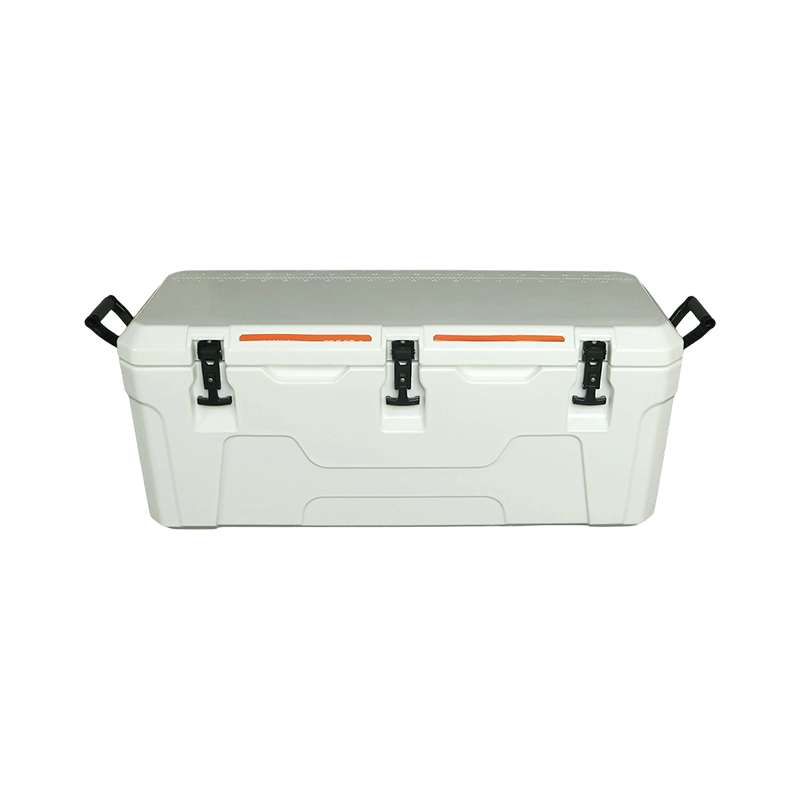
The 140QT NL-140 has an interior of about 105 × 32 × 38 cm, and its more-than-one-meter usable length is the key advantage of this model. It is better suited to larger fish, longer catch and supplies ...
See Details -
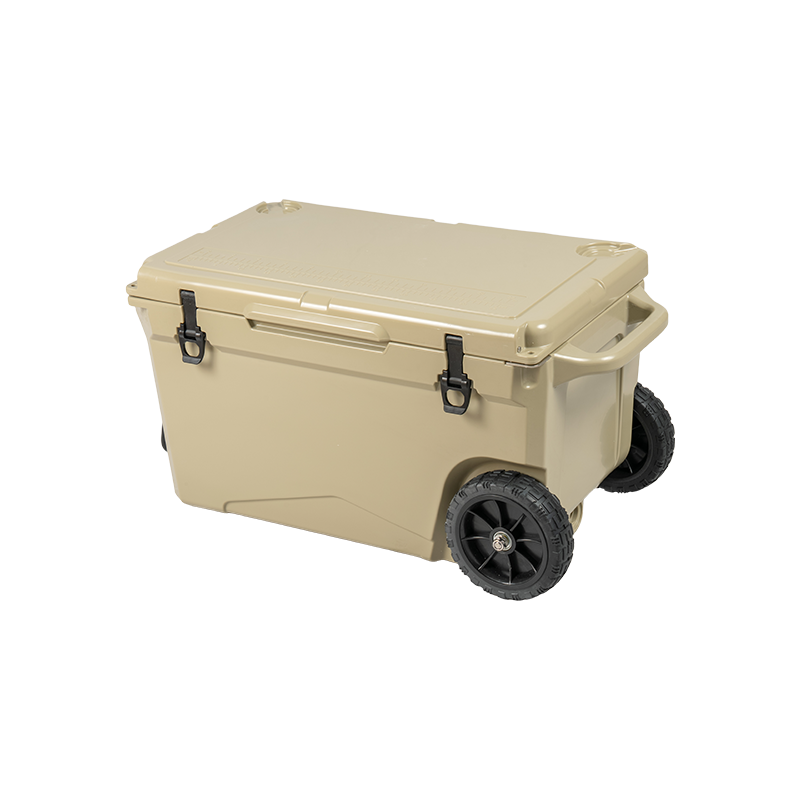
The 60QT NL-60 is defined not only by its larger capacity but also by its wheels. With an interior of about 62.7 × 32.5 × 32.8 cm, a full load of ice, drinks and food can become heavy, so the wheeled ...
See Details -
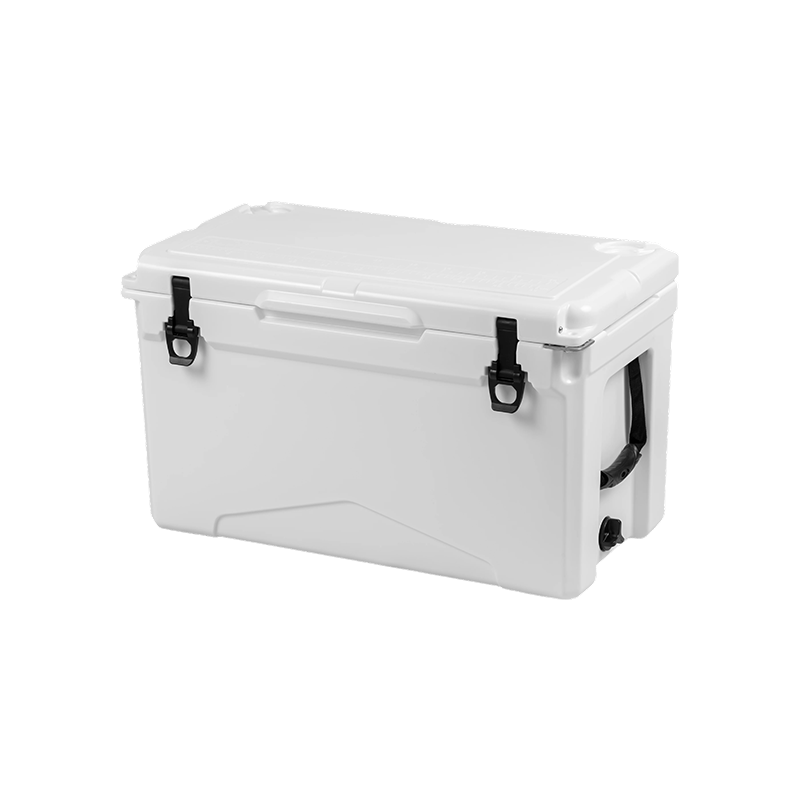
The 50QT NL-50 has an interior of about 55.1 × 27.8 × 32.5 cm and a long-body format that naturally suits marine and boat use. Longer fish, bottled drinks and rows of food packs can be arranged more e...
See Details -
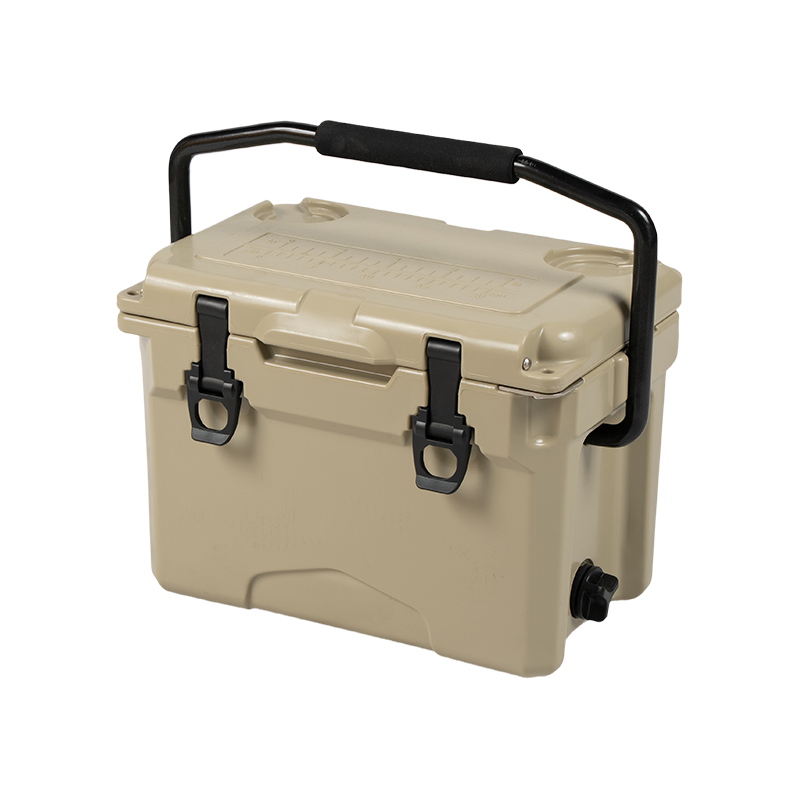
The 12QT NL-12L has an interior of about 28.5 × 17.4 × 22.3 cm and is sized for everyday carrying and light outdoor trips. It holds lunch, drinks, fruit or supplies for a short fishing trip without be...
See Details -
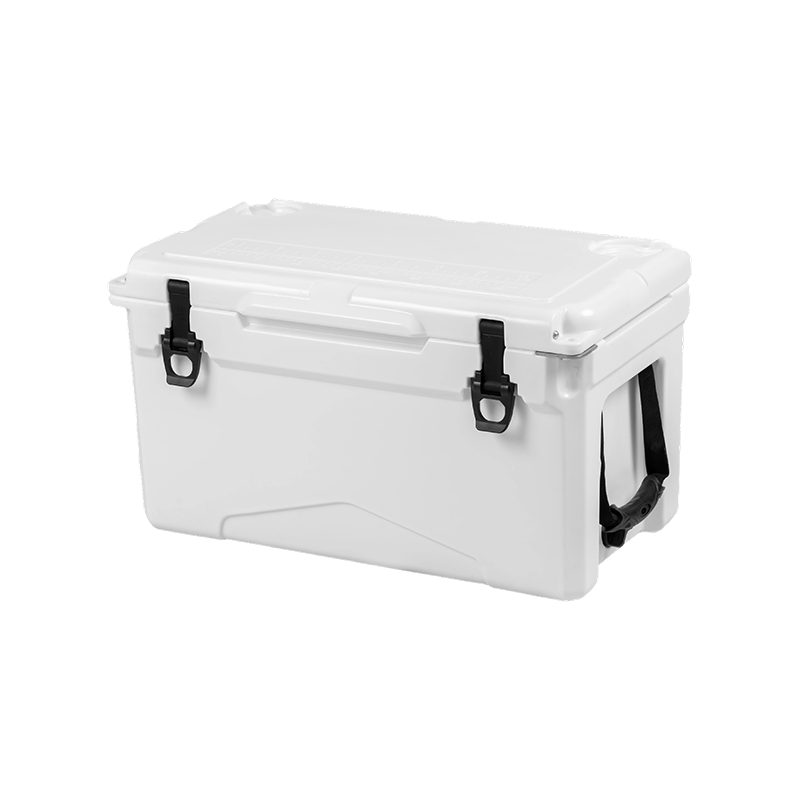
The 30QT NL-30 stands out for its elongated body, with an interior of about 46.2 × 23.6 × 26.1 cm. At this capacity, the extra usable length is particularly helpful for fish, long bottles and elongate...
See Details
Related News
-
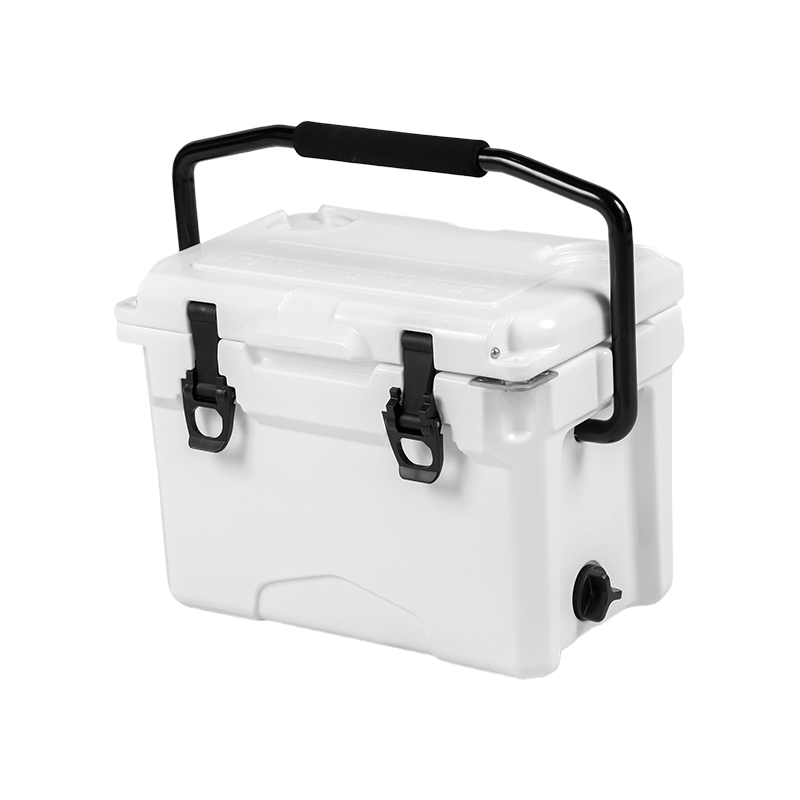
Why Choose a Rotomolded Cooler? Rotomolded Coolers: A Brief Introduction The Pinnacle of Portable Cooling Technology The modern era of outdoor recreation and de...
See Details -
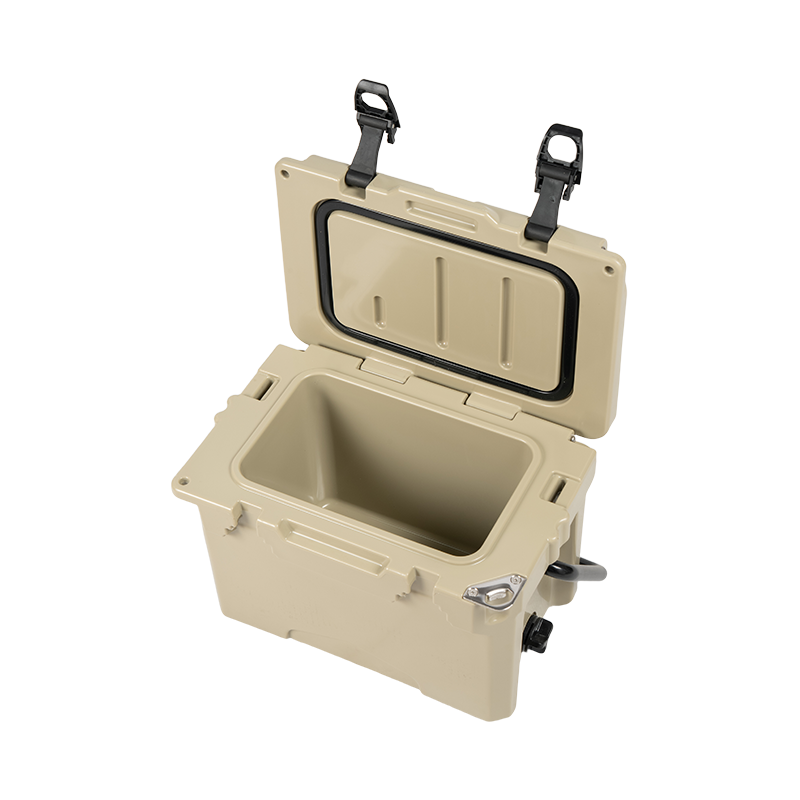
Introduction to Insulated Fish Tubs When you're out on the water, whether it's a deep-sea fishing trip or a relaxing day at the lake, the freshness of your catc...
See Details -
1. Insulation Quality in Outdoor Cooler Boxes When choosing an outdoor cooler box, one of the most critical factors to consider is insulation quality. The insul...
See Details -
The Unmatched Advantage of ROTOMOLDING COOLER BOX Defining the Premium Standard: What exactly is a ROTOMOLDING COOLER BOX? The ROTOMOLDING COOLER BOX is not mer...
See Details
Be the First to Know
For exclusive deals and the latest offers, sign up by entering your email address below.


Contact Info
 No. 6, Guantong Road, South Zone, Xiaocaoe Town Industrial Park, Ningbo, Zhejiang, China
 +86 13736107260
  [email protected]
 Qr Code



Copyright © Ningbo Nelgreen Outdoor Products Co., Ltd. All Rights
Reserved
 OEM/ODM Seafood Insulated Boxes Manufacturers