 EN
EN
 English
  русский
  Español
  Deutsch
  عربى
عربى 
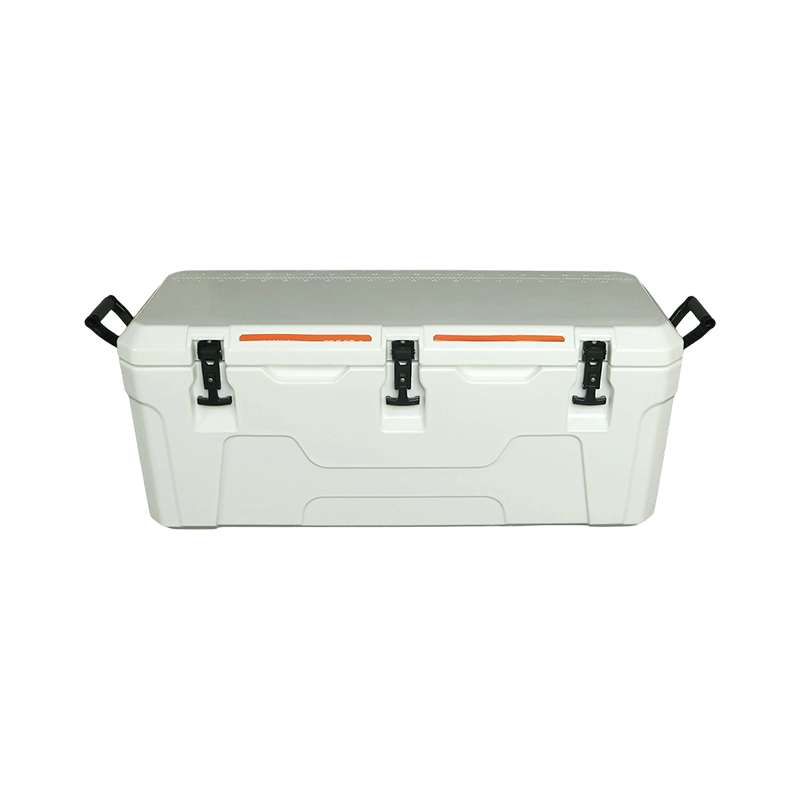
The 140QT NL-140 has an interior of about 105 × 32 × 38 cm, and its more-than-one-meter usable length is the key advantage of this model. It is better suited to larger fish, longer catch and supplies ...
See Details
Outdoor Cooler Box and Regular Insulated Bag: What’s the Real Difference?
2026-04-02
One of the most fundamental differences lies in the way each product is built. Outdoor Cooler Boxes are typically constructed from high-impact, food-grade plastic, ABS, or even metal, creating a rigid and robust structure. Inside, you’ll find high-density foam (often made from polyethylene or polypropylene) that fills the entire interior, creating a solid barrier that prevents heat exchange. This design not only provides superior insulation but also protects against crushing, impacts, and rough handling, making it a true fortress for your food.
In contrast, regular insulated bags are usually made from a soft, flexible fabric such as polyester or nylon, often coated with a thin layer of foam or reflective material. The insulation is typically thin and less dense, providing a modest barrier against temperature changes. While these bags excel in portability and can be easily folded or stored when not in use, they lack the structural integrity of a cooler box and can be easily punctured or crushed. The flexible envelope might be great for a quick trip to the park, but it doesn’t stand up well to the rigors of a multi-day backcountry expedition.
The bottom line is clear: if you need a rugged, impact-resistant container that can withstand the rough-and-tumble of outdoor life, an Outdoor Cooler Box wins hands down. If you prioritize lightweight flexibility, a regular insulated bag might be enough for short, gentle outings.
Insulation Performance: The Science of Staying Cold (or Hot)
When it comes to keeping food safe, the ability to maintain temperature is the most critical factor. High-density foam in cooler boxes has a high R-value (a measure of thermal resistance), meaning it’s extremely effective at keeping heat out (or cold in). This allows cooler boxes to keep ice from melting for days—often 3-5 days without any ice, and up to 7 days with ice. The solid foam creates a thick barrier that reduces heat transfer through conduction, convection, and radiation, making it possible to keep a six-pack of beer ice-cold even on a scorching summer day. The rigid walls also help maintain a stable internal temperature, preventing the cold spots that can form in soft bags.
Regular insulated bags, on the other hand, typically keep ice from melting for a few hours up to 24 hours, depending on the quality. While they can keep a sandwich cool for a few hours, they won’t keep raw meat safe for long. The thin foam and flexible fabric allow more heat to penetrate, and the performance can be inconsistent, especially if the bag gets squeezed or if the ice is not evenly distributed. For food safety—especially when storing perishable items like meat, dairy, or seafood—an Outdoor Cooler Box offers significantly superior temperature control and longer-lasting cooling.
Capacity, Organization, and Portability: Space Management
The next set of differences revolves around how much you can store, how organized you can keep it, and how easy it is to move. Outdoor cooler boxes come in a wide range of sizes—from compact 10-liter models for a day trip to massive 100+ liter units for large groups or extended expeditions. Many models feature removable dividers, trays, and baskets, allowing you to separate raw meat from vegetables, organize drinks, and keep everything neat. The rigid walls prevent items from shifting around, reducing the risk of spills and messes.
Regular insulated bags, while sometimes roomy, are generally more limited compared to larger cooler boxes. The lack of rigid compartments can lead to a messy interior, especially if you’re storing a mix of liquids and solid foods. However, the smaller size makes it easier to carry for short trips or for a quick lunch at the park. Larger cooler boxes often come equipped with sturdy wheels and telescopic handles, allowing you to pull them like a suitcase—great for car camping or long walks. The trade-off for durability is weight; even when empty, cooler boxes can be heavy, and when filled with ice, they become substantially heavier. The biggest advantage of insulated bags is their lightweight nature; you can easily carry them in a backpack or tote, and when not in use, they can be folded flat and stored in a small space.
Durability, Longevity, and Cost: Investment vs. Value
Investing in outdoor gear means considering how long it will serve you. Outdoor cooler boxes are built to withstand rough handling, impacts, and exposure to the elements, making them a long-term investment that can last for years with proper care. They are easy to clean—most have a drain plug for removing melted ice water, and the rigid interior resists staining. In contrast, the fabric of insulated bags can tear, the insulation can compress over time, and zippers can break. The lifespan can be shorter, especially if used in rugged conditions, and they can be more challenging to clean thoroughly, especially if they have seams that trap food particles.
Price is a practical consideration for any purchase. Expect to pay more for a high-quality cooler box—prices can range from 300+ depending on size and brand. However, the durability and performance often justify the higher cost, especially for frequent outdoor enthusiasts. Regular insulated bags typically cost 70, making them a budget-friendly option ideal for those on a budget or for occasional use. If you’re a frequent camper or need reliable, long-lasting performance, the higher upfront cost of an Outdoor Cooler Box is often worth it. For infrequent use, an insulated bag provides a more budget-friendly solution.
Both the Outdoor Cooler Box and the regular insulated bag have their place in the world of outdoor gear. If you value long-lasting cooling performance, durability, and the ability to store large quantities of food safely, the Outdoor Cooler Box is the clear winner. However, if you need a lightweight, compact, and budget-friendly solution for short trips, a regular insulated bag will serve you well. By understanding these differences, you can make an informed decision that keeps your food fresh, your drinks cold, and your outdoor adventures enjoyable.
Our R&D team has over 15 years of rich experience in the field of rotational molding products and has applied for 6 product patents. The number of factory employees has exceeded 100. Strict management and quality control have enabled us to take the leading position in the industry. In addition, the experienced sales team can provide customers with a variety of solutions and high-quality services.
Related products
-
-
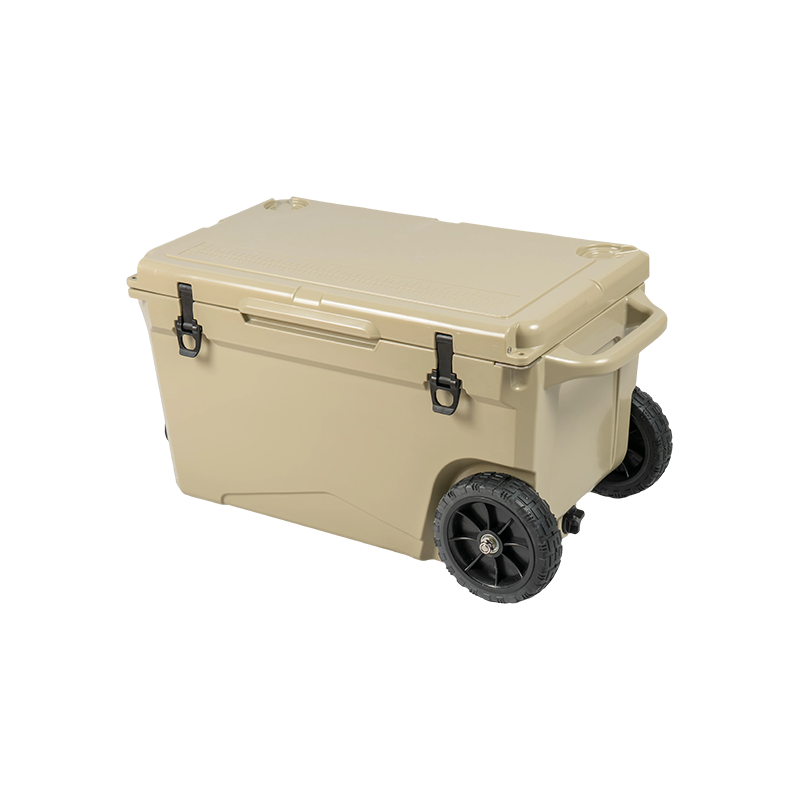
The 75QT NL-75 is a large wheeled model with an interior of about 66.2 × 34.1 × 35.8 cm. It is suited to offshore fishing, boating, family barbecues and group events where more ice, drinks, food or ca...
See Details -
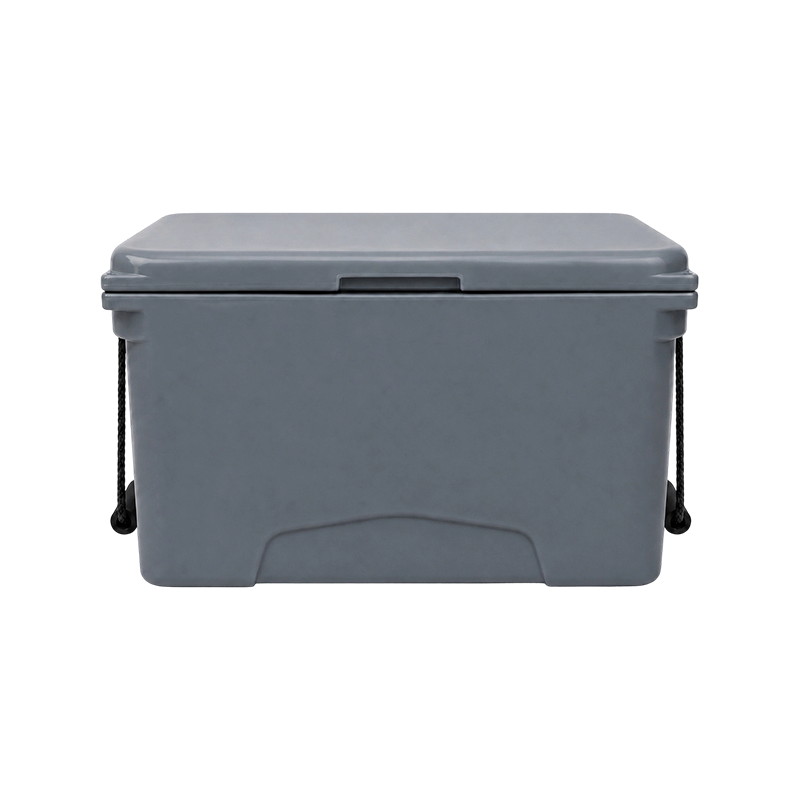
The 65QT NL-65 has an interior of about 60.5 × 33.5 × 32 cm, providing enough room for group weekend supplies or a larger catch while keeping proportions practical for vehicles and boats. The rotomold...
See Details -
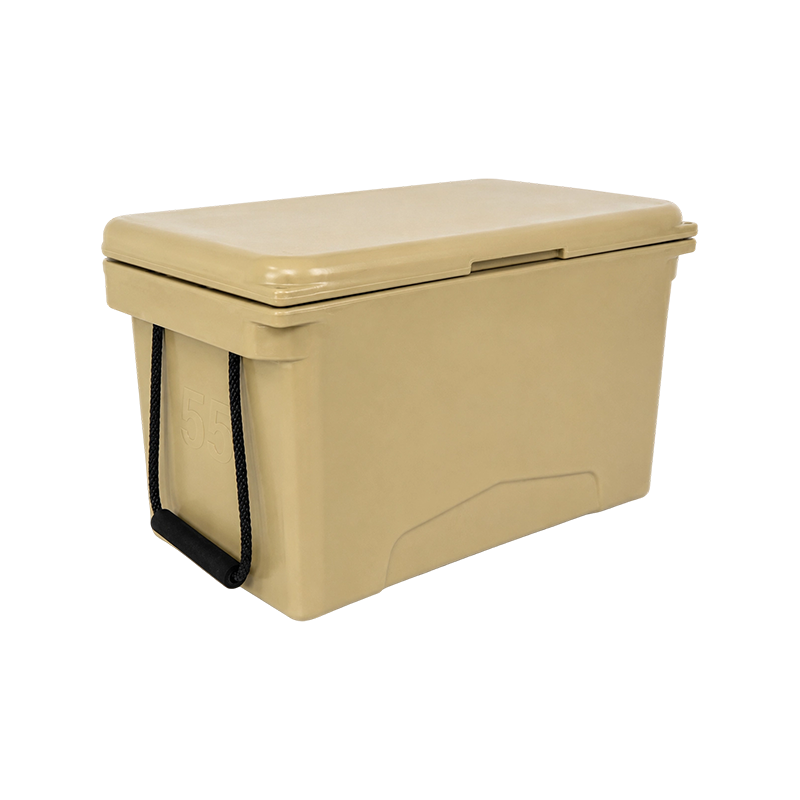
The 55QT NL-55 has a balanced interior of about 55 × 31 × 32 cm, which makes it a versatile model. It works for weekend camping, group drinks, fishing and vehicle storage, offering more room than a 40...
See Details -
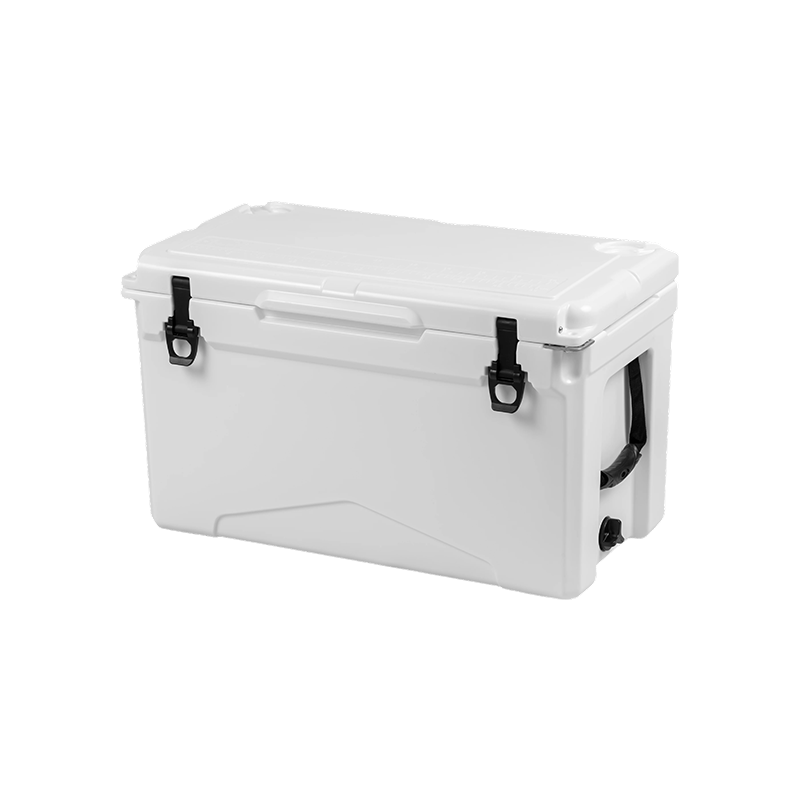
The 50QT NL-50 has an interior of about 55.1 × 27.8 × 32.5 cm and a long-body format that naturally suits marine and boat use. Longer fish, bottled drinks and rows of food packs can be arranged more e...
See Details -
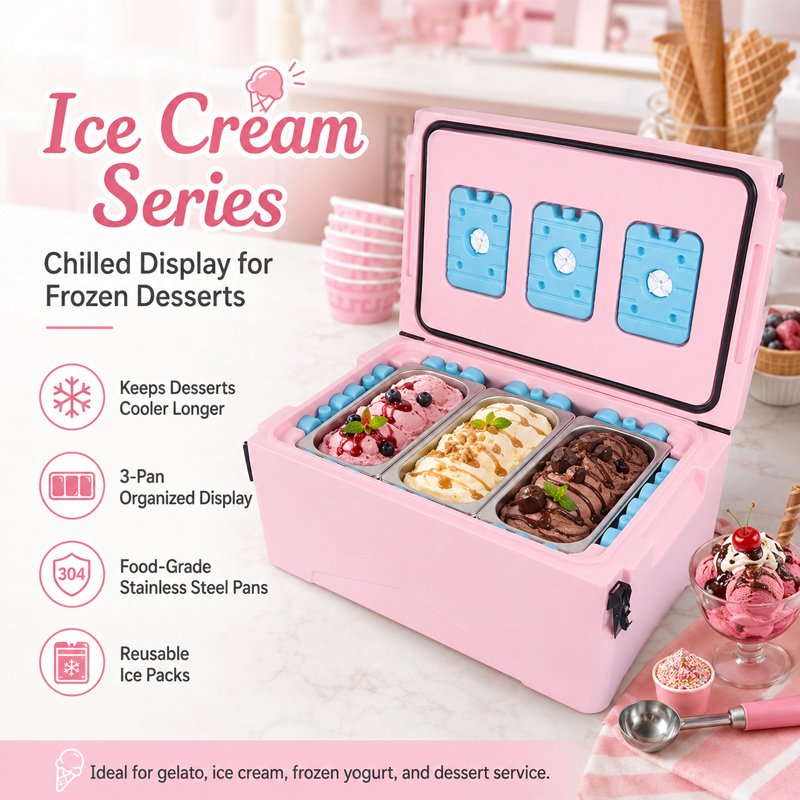
This mobile insulated ice cream display cooler is fitted with three stainless-steel pans, each approximately 6.6L / 7QT, in an overall body of about 69.5 × 44.5 × 32 cm. The separate pans allow differ...
See Details
Related News
-
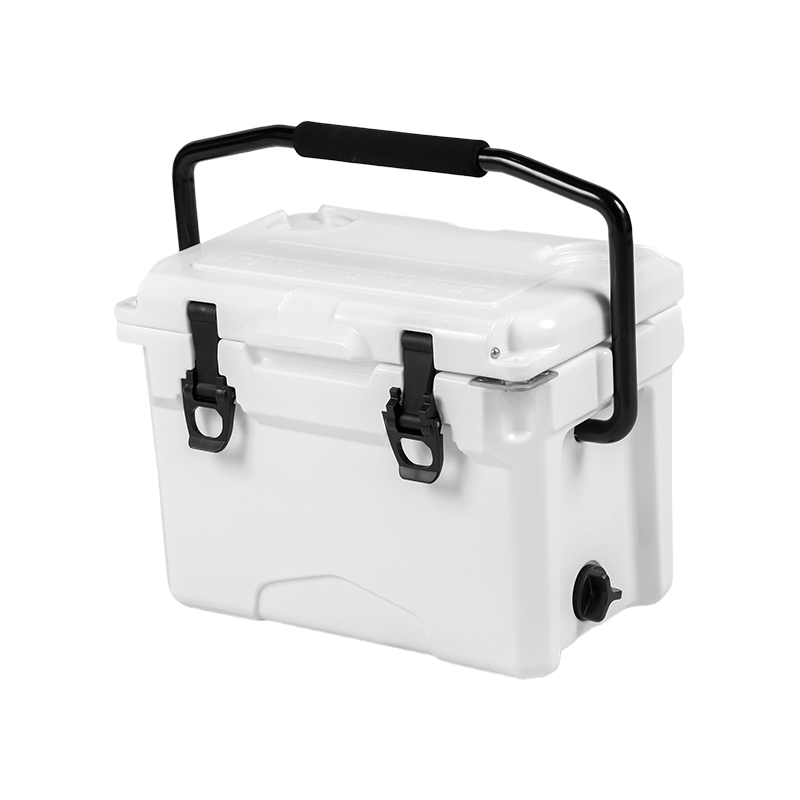
Why Choose a Rotomolded Cooler? Rotomolded Coolers: A Brief Introduction The Pinnacle of Portable Cooling Technology The modern era of outdoor recreation and de...
See Details -
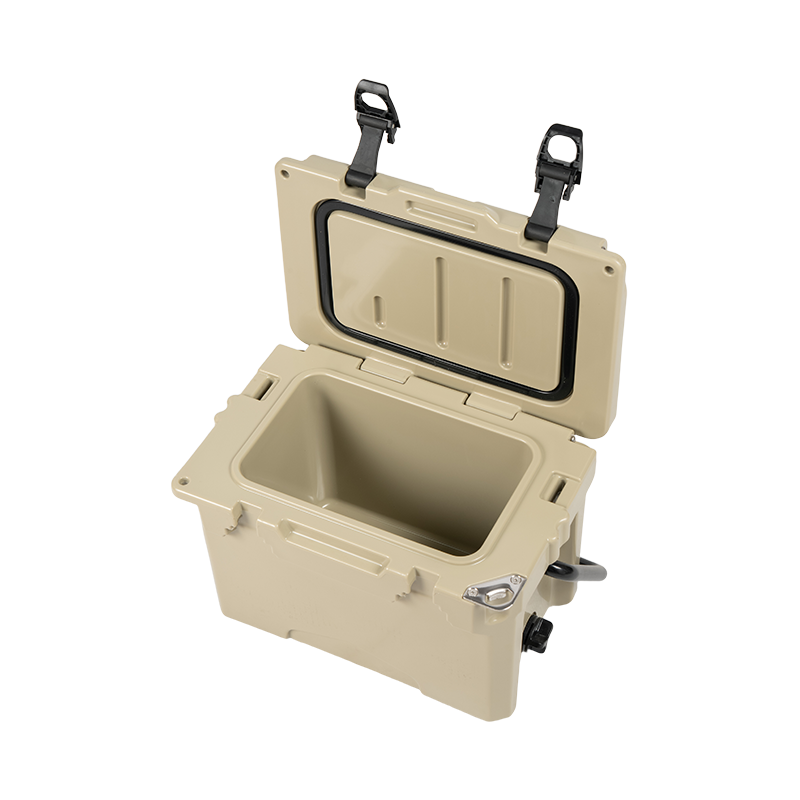
Introduction to Insulated Fish Tubs When you're out on the water, whether it's a deep-sea fishing trip or a relaxing day at the lake, the freshness of your catc...
See Details -
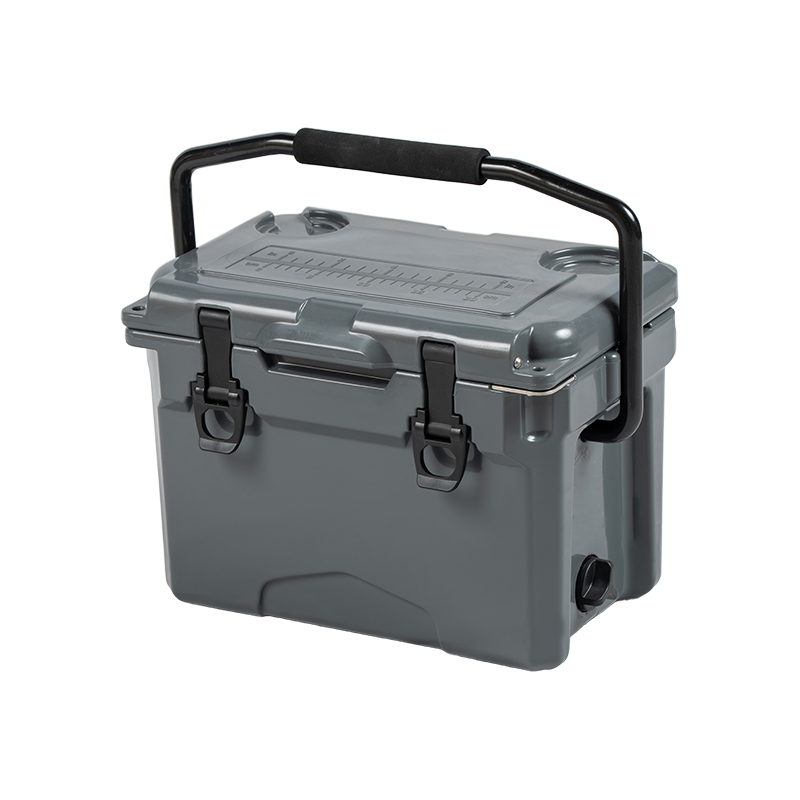
1. Insulation Quality in Outdoor Cooler Boxes When choosing an outdoor cooler box, one of the most critical factors to consider is insulation quality. The insul...
See Details -
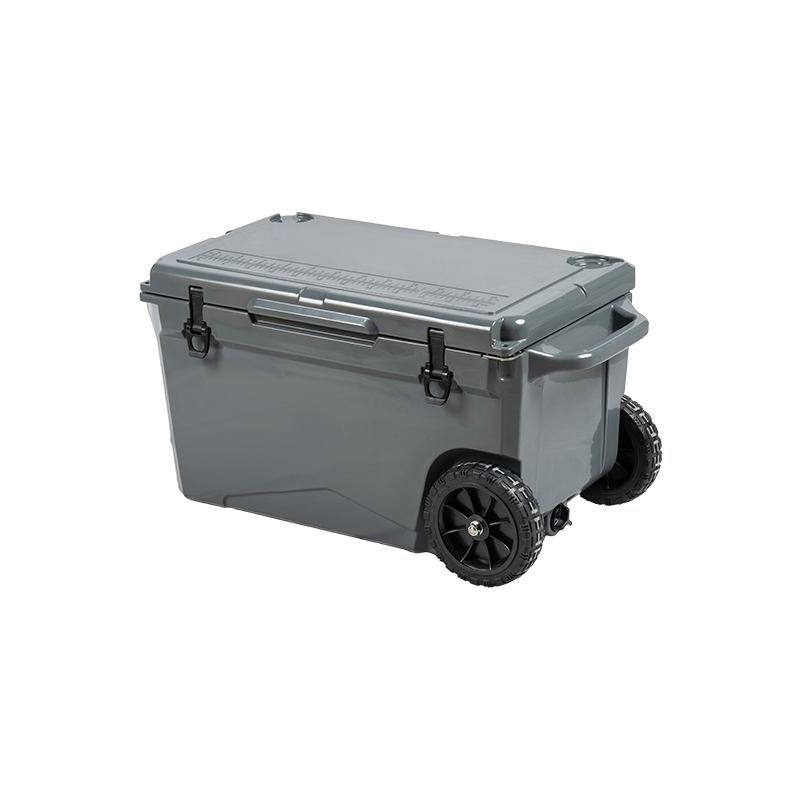
The Unmatched Advantage of ROTOMOLDING COOLER BOX Defining the Premium Standard: What exactly is a ROTOMOLDING COOLER BOX? The ROTOMOLDING COOLER BOX is not mer...
See Details
Be the First to Know
For exclusive deals and the latest offers, sign up by entering your email address below.


Contact Info
 No. 6, Guantong Road, South Zone, Xiaocaoe Town Industrial Park, Ningbo, Zhejiang, China
 +86 13736107260
  [email protected]
 Qr Code



Copyright © Ningbo Nelgreen Outdoor Products Co., Ltd. All Rights
Reserved
 OEM/ODM Seafood Insulated Boxes Manufacturers