 EN
EN
 English
  русский
  Español
  Deutsch
  عربى
عربى 
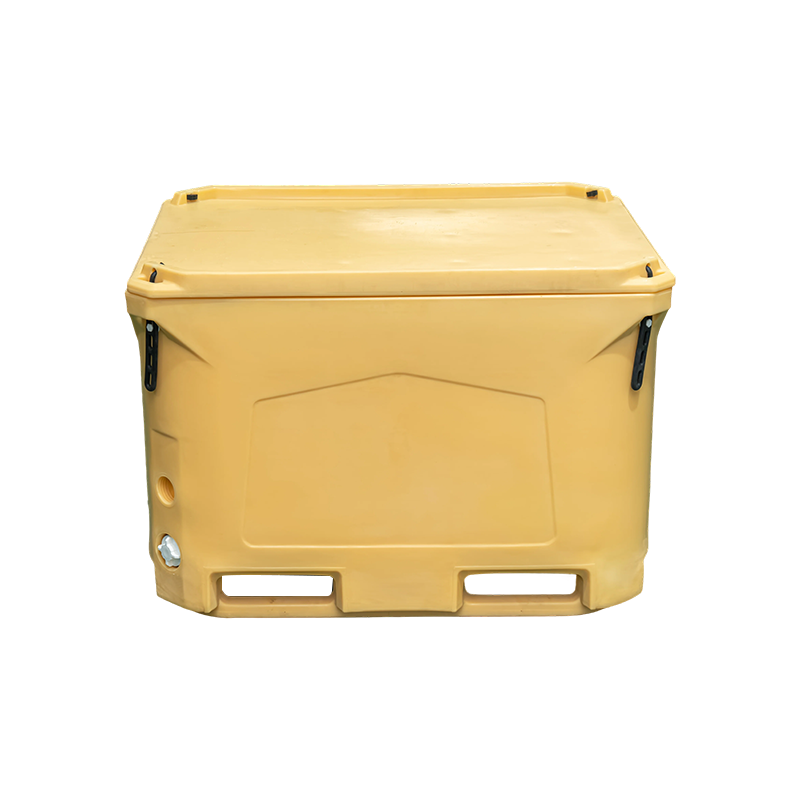
The NL-330 330L has an interior of about 92 × 68 × 53 cm and is particularly useful for sorting after vessel landing and handling medium seafood batches. Its food-grade LLDPE rotomolded body with PU i...
See Details
Why Is the Insulated Fish Tub Essential for Maintaining the Cold Chain and Seafood Quality?
2026-04-09
In the demanding world of commercial fishing, aquaculture, and seafood processing, the Insulated Fish Tub has become a cornerstone of logistics, ensuring that the "catch of the day" retains its freshness from the vessel to the final consumer. These specialized containers, often referred to as industrial seafood bins, are engineered to provide superior thermal retention, physical durability, and hygienic safety. Unlike standard plastic boxes, a high-quality insulated fish container utilizes a double-walled construction filled with high-density polyurethane (PUR) foam, creating a thermal barrier that slows down the melting of ice and prevents bacterial growth. By mastering the use of these heavy-duty storage solutions, seafood suppliers can minimize spoilage, maximize market value, and ensure compliance with international food safety standards. This guide examines the advanced engineering of thermal insulation, the diverse applications in the maritime industry, and the rigorous maintenance protocols required for premium insulated plastic tubs.
How Does the Structural Engineering of an Insulated Fish Tub Ensure Superior Temperature Retention?
The primary function of an insulated fish tub for sale is to maintain a stable, near-freezing internal environment. This is achieved through a combination of material science and precision manufacturing techniques that prioritize thermal resistance.
-
Double-Walled Construction and PUR Insulation: The core of a heavy-duty insulated fish tub consists of an inner and outer shell made from food-grade polyethylene (PE). During the manufacturing process, the void between these walls is injected with expanded polyurethane (PUR) foam. This foam acts as a powerful insulator with extremely low thermal conductivity. Because the foam bonds to the PE walls, it creates a rigid, monolithic structure that not only traps cold air but also adds immense structural strength. This PUR-filled fish bin design ensures that ice can last for several days even in tropical climates, which is a critical requirement for long-haul fishing trips where mechanical refrigeration may not be available on deck.
-
Rotational Molding and Impact Resistance: Most industrial-grade seafood tubs are produced using rotational molding (rotomolding). This technique ensures a consistent wall thickness and seamless corners, which are vital for both strength and hygiene. The absence of seams prevents the tub from cracking under the weight of several hundred kilograms of fish and ice. Furthermore, the UV-stabilized insulated tubs are designed to withstand the harsh environment of the open sea, including constant exposure to saltwater, intense sunlight, and the physical impacts of being moved by forklifts or cranes. The reinforced corners and base plates allow these tubs to be stacked safely, optimizing space on cramped fishing vessels and in cold storage warehouses.
-
Hygienic Design and Drainage Efficiency: Food safety is paramount when handling raw seafood. A professional insulated fish tub features smooth internal surfaces and rounded corners to prevent the accumulation of fish scales, slime, and bacteria. The design often includes integrated drainage holes with threaded plugs, allowing melted ice and waste fluids to be removed easily without tilting the entire container. This easy-clean seafood container architecture ensures that the catch remains in a clean, slushy environment, which is the gold standard for preserving the texture and flavor of high-value species like tuna, salmon, and cod.
To help you understand the technical specifications involved, refer to the following table of typical Insulated Fish Tub attributes:
|
Feature Category |
Technical Specification |
Operational Benefit |
|---|---|---|
|
Material |
Food-Grade LLDPE |
Safe for direct contact with seafood |
|
Insulation Type |
High-Density PUR Foam |
Exceptional ice retention for 3-5 days |
|
Stackability |
Up to 3-5 Tubs High |
Maximizes storage space in processing plants |
|
Drainage |
2-inch Threaded Plug |
Rapid removal of meltwater and easy cleaning |
|
Handling |
2-Way or 4-Way Entry |
Compatible with standard forklifts and pallet jacks |
What Are the Critical Applications for Heavy-Duty Insulated Tubs in the Seafood Industry?
The versatility of the Insulated Fish Tub allows it to serve multiple roles throughout the seafood value chain, acting as a storage vessel, a transport unit, and a processing station.
-
On-Board Catch Storage and Bleeding: The moment fish are harvested, they must be cooled to halt the degradation process. Insulated fish bins on deck are filled with a mixture of seawater and ice (slurry) to rapidly lower the core temperature of the catch. This process, known as "chilling," is much more effective than air cooling. For certain high-value species, the tubs are also used as bleeding tanks, where the insulation keeps the water at a constant temperature to ensure the blood remains fluid for complete removal. Using large capacity insulated tubs on board allows fishermen to sort their catch by size or species immediately, reducing the need for excessive handling later.
-
Intermodal Transport and Logistics: Transitioning seafood from the port to the processing plant or the airport requires a reliable "cold chain." Stackable insulated fish containers are designed to fit perfectly into standard shipping containers and refrigerated trucks. Their robust construction means they do not require external packaging, reducing waste and cost. Because these transportable seafood bins are airtight when the lid is secured, they prevent the leakage of odors and fluids, making them suitable for mixed-cargo transport. The 4-way forklift entry points ensure that logistics providers can move large volumes of seafood quickly, minimizing the time the product spends in non-refrigerated loading zones.
-
Processing Plant Integration and Brining: Inside the processing facility, insulated tubs for fish processing are used for marinating, brining, or defrosting. The stable temperature provided by the PUR insulation is crucial for consistent brining results, as fluctuations can affect the salt absorption and final weight of the product. These tubs also serve as "buffer storage" during peak seasons, allowing plants to hold raw materials at safe temperatures before they hit the processing line. The food-safe plastic fish tubs are resistant to the chemicals used in industrial cleaning, ensuring that they can be sanitized repeatedly without degrading the plastic or the insulation.
How Should You Maintain and Sanitize Your Insulated Fish Tubs to Ensure Long-Term Safety?
To protect the investment in Insulated Fish Tubs and ensure the health of consumers, a rigorous maintenance and sanitation schedule must be followed.
-
Three-Stage Cleaning and Disinfection Protocol: After every use, an insulated seafood bin must undergo a deep clean. The first stage involves a high-pressure rinse with fresh water to remove organic debris. The second stage requires the application of a food-grade detergent using a soft-bristled brush to scrub the internal walls and the underside of the lid. The final and most critical stage is disinfection using a chlorine or quaternary ammonium-based sanitizer. This sanitization of fish tubs kills lingering pathogens that could contaminate the next batch of catch. It is essential to ensure the drainage plugs are removed during this process to allow all cleaning agents to exit the tub completely.
-
Inspection of Seals and Structural Integrity: The thermal performance of a PUR-insulated fish tub depends on the integrity of the outer PE skin. Any deep gouges or punctures can allow moisture to enter the insulation layer, which leads to "waterlogging." Once the foam is saturated, the tub loses its insulating properties and becomes much heavier and harder to handle. Regular inspections should also include the rubber gaskets or tension latches (if equipped) to ensure a tight seal between the lid and the body. Maintaining the structural health of the fish container prevents the "bridge effect" where cold air escapes through gaps, significantly reducing the ice life.
-
Proper Storage and UV Protection Best Practices: When not in use, insulated fish tubs should be stored in a clean, dry area away from direct sunlight. While most high-end tubs are made from UV-stabilized materials, prolonged exposure to intense solar radiation can eventually cause the plastic to become brittle. Stacking the tubs neatly prevents warping of the base and ensures that the drainage plugs remain intact. Furthermore, storing the tubs with the lids slightly ajar allows for airflow, preventing the buildup of musty odors or mold. By following these long-term storage protocols for fish bins, companies can extend the service life of their equipment to ten years or more, ensuring a high return on investment and consistent product quality.
Our R&D team has over 15 years of rich experience in the field of rotational molding products and has applied for 6 product patents. The number of factory employees has exceeded 100. Strict management and quality control have enabled us to take the leading position in the industry. In addition, the experienced sales team can provide customers with a variety of solutions and high-quality services.
Related products
-
-
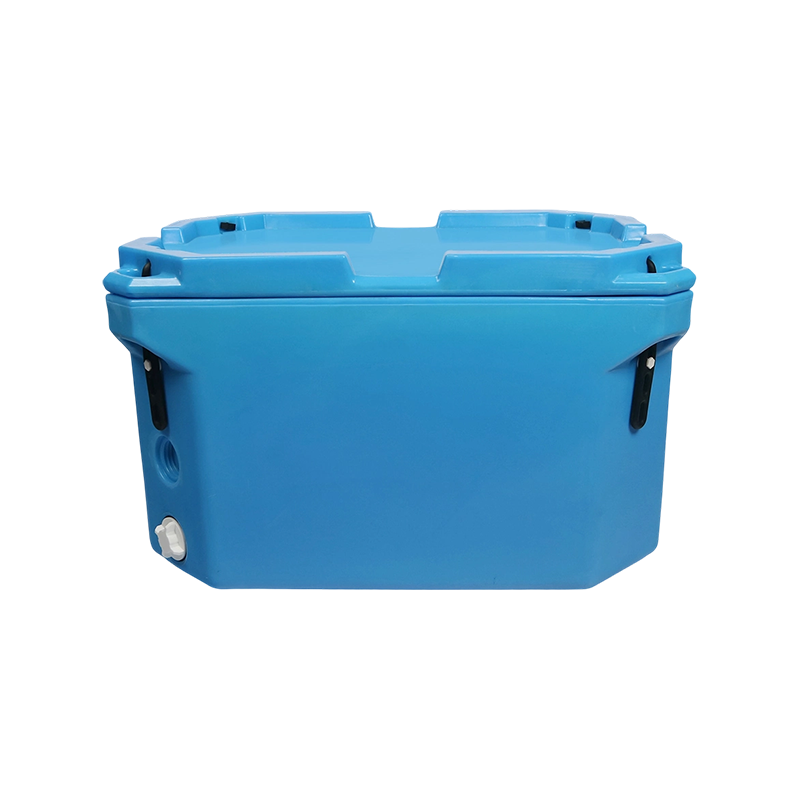
The NL-100 100L is the more compact and flexible size in the industrial fish-tub range, with an interior of about 68 × 48 × 38 cm. Its food-grade LLDPE rotomolded body and PU insulation suit catering ...
See Details -
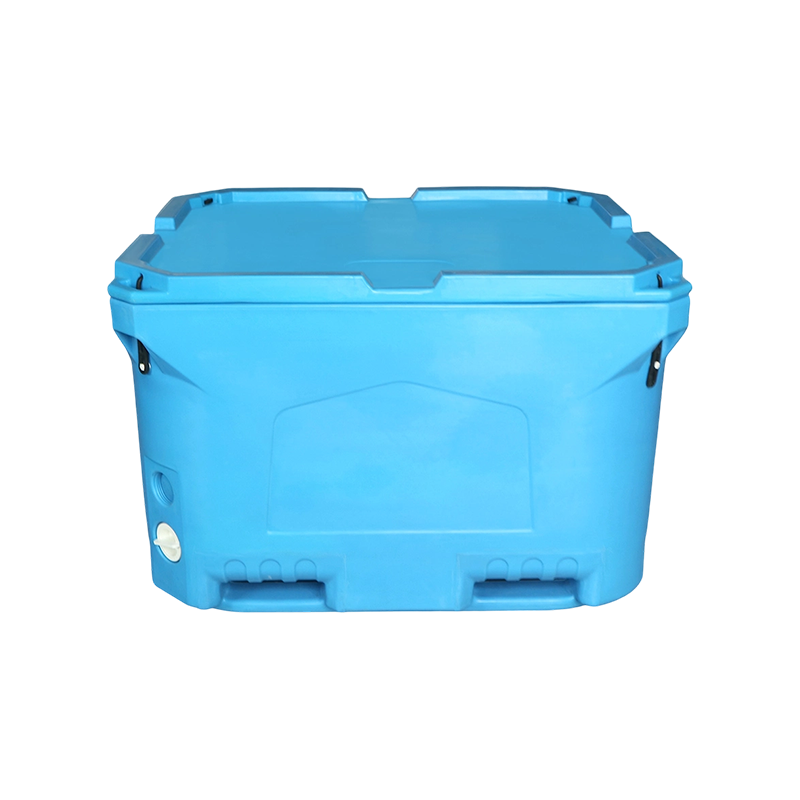
The NL-660 660L has an interior of about 114 × 94 × 63 cm, with a broad footprint suited to seafood distribution, dock loading and batch handling in processing plants. The wider floor area can accommo...
See Details -
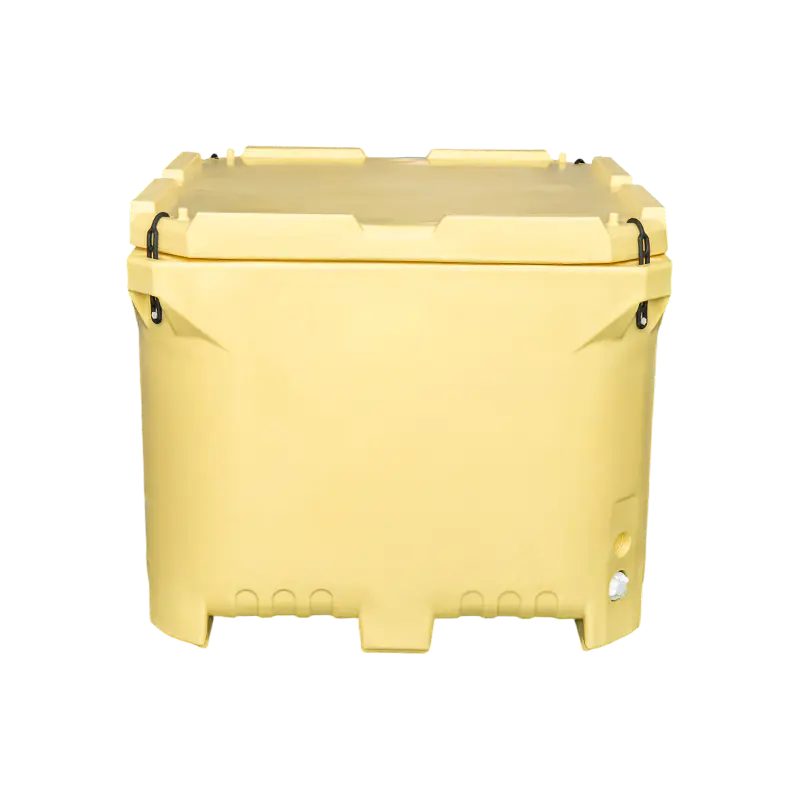
The NL-800 800L has an interior of about 106.5 × 96.5 × 74 cm and is deeper than the 700L model, making it useful when more load is needed in each tub. Larger fish, bulk seafood and processing-plant s...
See Details -
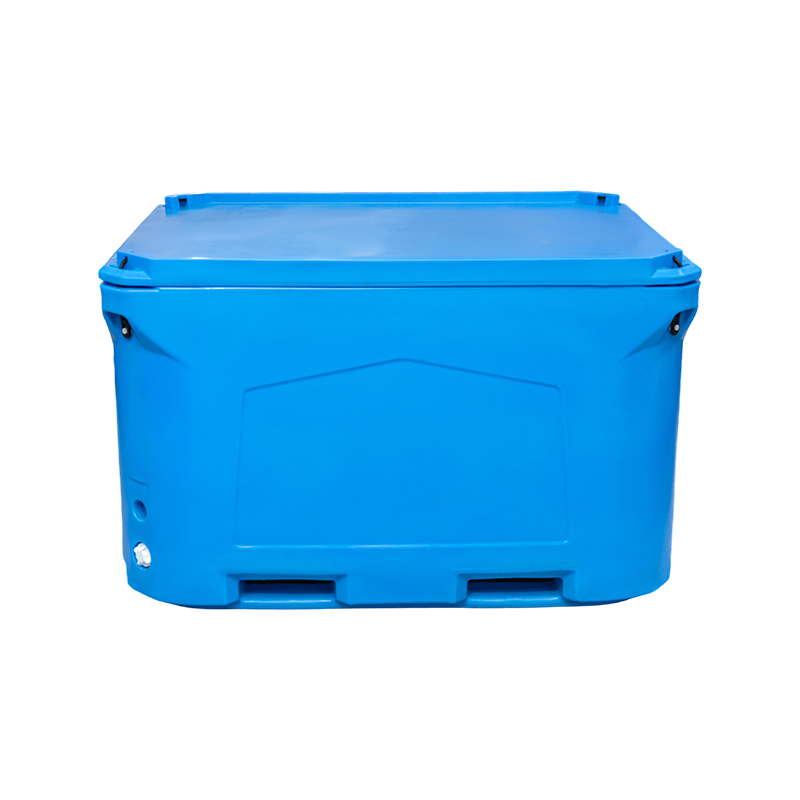
The NL-1000 A uses a high-profile body with an interior of about 140 × 108 × 73 cm and is designed for operations that handle large seafood volumes at one time. Processing plants, aquaculture harvests...
See Details -
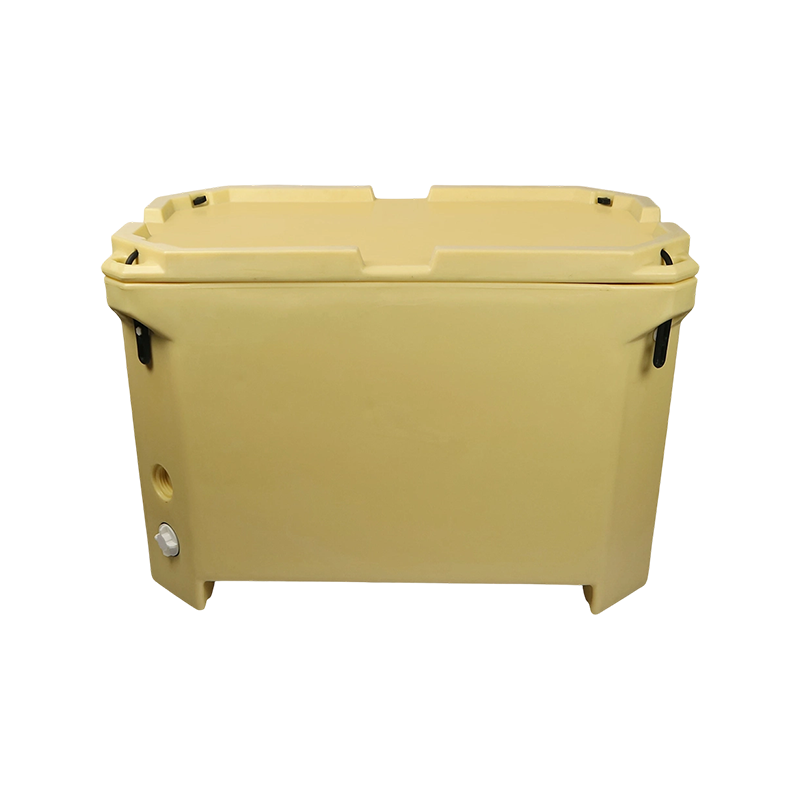
The NL-220 220L has an interior of about 88 × 48 × 53 cm, adding useful capacity over the 100L model while remaining a relatively compact industrial tub. Food-grade LLDPE rotomolded construction and P...
See Details
Related News
-
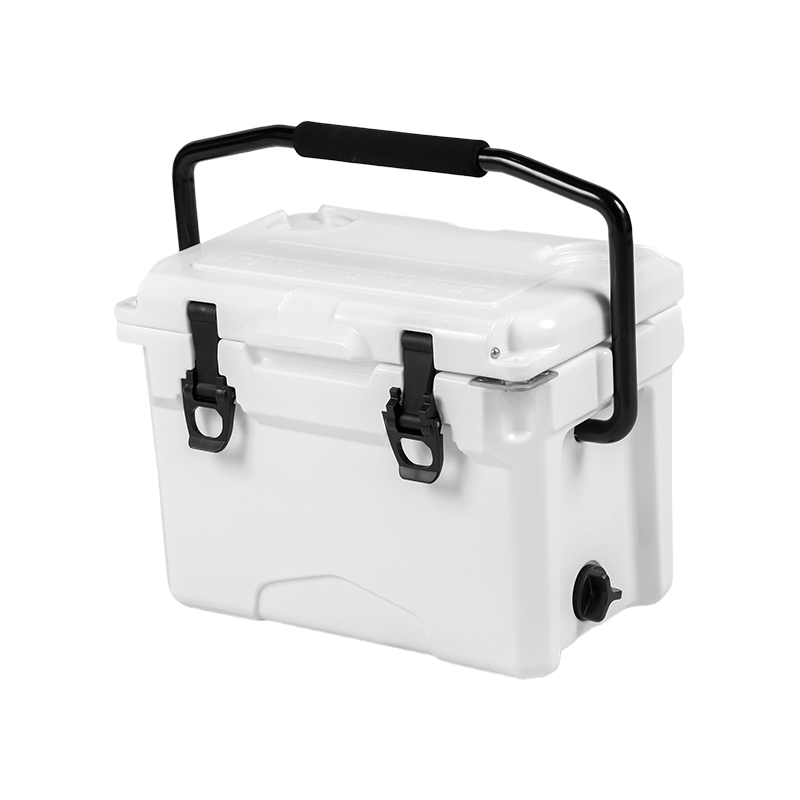
Why Choose a Rotomolded Cooler? Rotomolded Coolers: A Brief Introduction The Pinnacle of Portable Cooling Technology The modern era of outdoor recreation and de...
See Details -
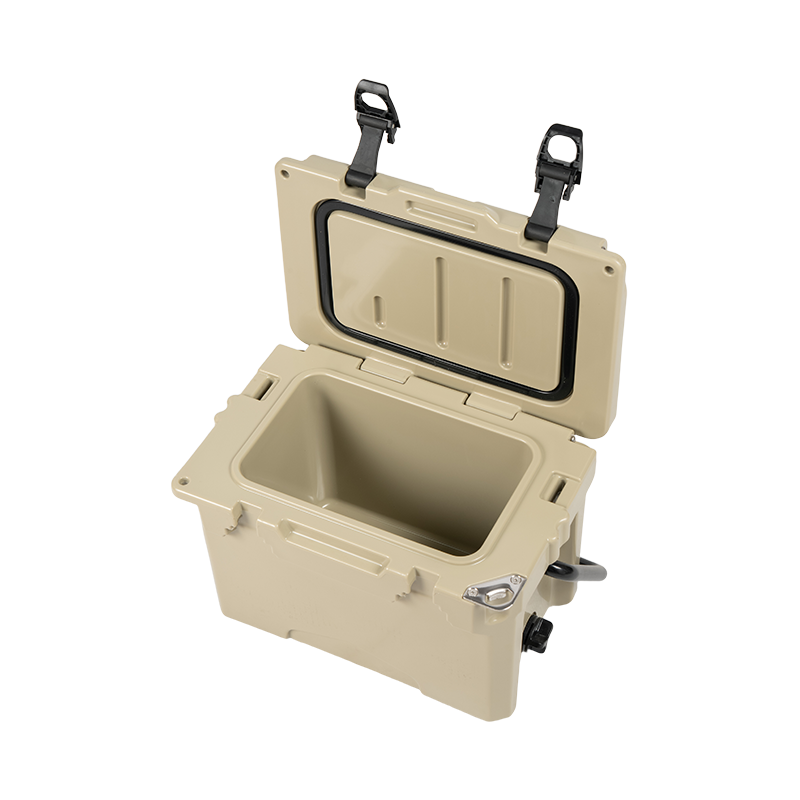
Introduction to Insulated Fish Tubs When you're out on the water, whether it's a deep-sea fishing trip or a relaxing day at the lake, the freshness of your catc...
See Details -
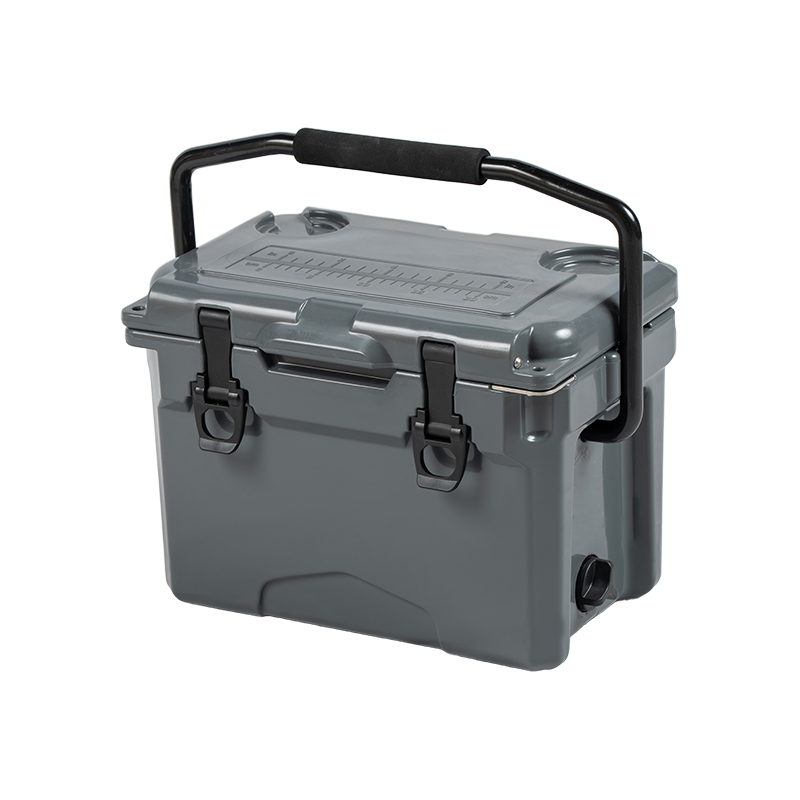
1. Insulation Quality in Outdoor Cooler Boxes When choosing an outdoor cooler box, one of the most critical factors to consider is insulation quality. The insul...
See Details -
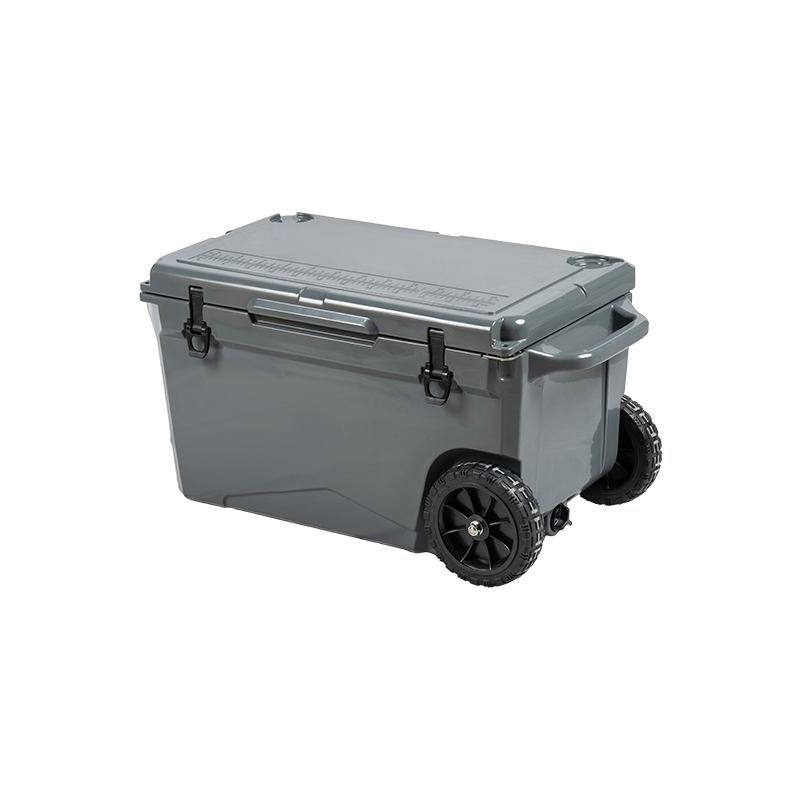
The Unmatched Advantage of ROTOMOLDING COOLER BOX Defining the Premium Standard: What exactly is a ROTOMOLDING COOLER BOX? The ROTOMOLDING COOLER BOX is not mer...
See Details
Be the First to Know
For exclusive deals and the latest offers, sign up by entering your email address below.


Contact Info
 No. 6, Guantong Road, South Zone, Xiaocaoe Town Industrial Park, Ningbo, Zhejiang, China
 +86 13736107260
  [email protected]
 Qr Code



Copyright © Ningbo Nelgreen Outdoor Products Co., Ltd. All Rights
Reserved
 OEM/ODM Seafood Insulated Boxes Manufacturers