 EN
EN
 English
  русский
  Español
  Deutsch
  عربى
عربى 
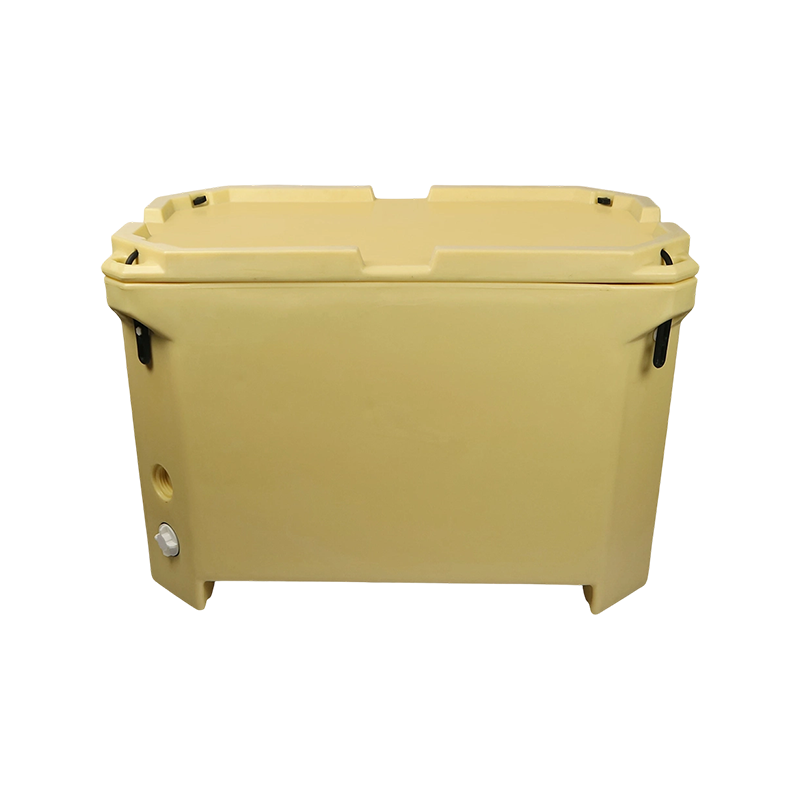
The NL-220 220L has an interior of about 88 × 48 × 53 cm, adding useful capacity over the 100L model while remaining a relatively compact industrial tub. Food-grade LLDPE rotomolded construction and P...
See Details
How to Choose the Best Insulated Fish Tubs, Bins & Totes?
2026-04-16
Maintaining the freshness and safety of harvested seafood from the moment it leaves the water until it reaches the processor, market, or consumer is one of the most critical and technically demanding challenges in commercial fishing and aquaculture. The quality of the container used to hold, transport, and store seafood during this journey is not a secondary consideration but a primary determinant of whether the catch arrives in a saleable condition or suffers temperature related spoilage, physical bruising, or bacterial contamination that reduces its value or renders it unsafe for consumption. Insulated Fish Tubs, Insulated Fish Bins, Fish Totes, Seafood Storage Containers, Insulated Seafood Tubs, and Rotomolded Fish Box products are the specialized equipment category that addresses this challenge for commercial fishing vessels, seafood processors, fish markets, and live seafood transporters worldwide.
The direct conclusion for any operation evaluating these products is this: a Rotomolded Fish Box with a double walled insulated construction, integrated drainage system, UV-resistant material specification, and appropriately sized capacity for the vessel or transport application will outperform any alternative container in thermal retention, durability, hygiene performance, and total cost of ownership across a commercial service life. The specific product configuration, whether double walled insulated fish tubs for seafood holding, insulated fish bins with drainage systems for on deck use, large capacity insulated fish totes for trawlers, UV-resistant insulated seafood storage bins for outdoor storage, or insulated fish tubs for live seafood transportation, must be matched to the specific temperature management, capacity, drainage, and handling requirements of the intended application. This article covers all of these product categories in depth.
Why Insulation Quality Determines Seafood Value in Commercial Fishing?
The relationship between temperature and seafood quality is governed by basic microbiology: the bacterial populations responsible for spoilage double in number at predictable intervals that are strongly dependent on temperature. At 0 degrees Celsius (iced storage temperature), spoilage bacteria double every 6 to 8 hours; at 4 degrees Celsius, they double every 3 to 4 hours; and at 10 degrees Celsius, the doubling time falls below 2 hours. This exponential relationship means that every degree of temperature increase above the target holding temperature accelerates spoilage proportionally, and a container that allows the seafood temperature to rise from 0 to 4 degrees Celsius effectively cuts the marketable shelf life of the catch by approximately 50 percent, transforming a 10 day shelf life product into a 5 day product before it even reaches the dock.
Insulated Fish Tubs and Insulated Fish Bins with high performance insulation maintain the temperature of iced seafood at or near 0 degrees Celsius for the full duration of the voyage, protecting the maximum possible shelf life and quality grade of the catch. The insulation performance of a container is measured as its ice retention capacity, typically expressed as the number of hours or days for which a standardized ice load maintains a specified temperature inside the closed container under defined ambient temperature conditions. Quality Rotomolded Fish Box products with high density polyurethane foam insulation achieve ice retention of 4 to 10 days in standard test conditions at 30 degrees Celsius ambient, compared to 1 to 2 days for uninsulated polyethylene bins and 6 to 18 hours for wooden boxes or canvas bags.
Regulatory and Food Safety Drivers for Insulated Containers
Beyond the commercial quality argument, the use of adequate insulated seafood storage is increasingly mandated by food safety regulations in major fishing nations and by the requirements of seafood certification schemes such as the Marine Stewardship Council (MSC) and the Aquaculture Stewardship Council (ASC). The Hazard Analysis and Critical Control Points (HACCP) framework, which forms the basis of seafood safety regulation in the United States, the European Union, Japan, and most other significant seafood markets, requires documented temperature management at all steps of the seafood supply chain, including on board storage. Operations that cannot demonstrate adequate temperature maintenance during harvesting and transport through the use of appropriate Insulated Fish Bins, Fish Totes, and Seafood Storage Containers risk rejection of their catch by certified processors and buyers, loss of export certification, and in serious cases, regulatory action for supplying unsafe food.
Rotomolded Fish Box: Construction, Materials, and Why It Outperforms Alternatives
The Rotomolded Fish Box is the dominant product type in the commercial grade Insulated Fish Tubs and Insulated Fish Bins market because the rotational molding (rotomolding) manufacturing process produces containers with properties that no other molding method can match for this application. Understanding why the Rotomolded Fish Box specification is superior to injection molded, blow molded, or foam polystyrene alternatives helps operators make informed procurement decisions.
The Rotomolding Process and Its Advantages
Rotomolding produces containers by charging a hollow mold with polyethylene powder, rotating the mold on two axes simultaneously inside an oven, and allowing the melting plastic to coat the inner mold surface uniformly as it rotates. After the outer shell is formed, polyurethane foam is injected into the cavity between the inner and outer walls to create the insulation layer, and the complete assembly is released from the mold as a finished double walled insulated container. This production method yields:
- Seamless one piece outer and inner shells:Unlike injection molded containers that are produced in multiple pieces and joined at seams that can crack, leak, or harbour bacteria, rotomolded shells are formed in a single continuous piece with no joints, welds, or seams in the structural body. This seamless construction is hygienic, structurally robust, and eliminates the contamination pathways at seam joints that are a persistent concern with alternative construction methods.
- Uniform wall thickness:The rotational molding process distributes plastic material uniformly around the full three dimensional interior of the mold, producing consistent wall thickness at corners, edges, and base without the thinning at corners that occurs in injection molded products. Uniform wall thickness means consistent structural strength at all points and consistent insulation layer thickness throughout the container.
- Impact resistance:Rotomolded high density polyethylene (HDPE) or linear low density polyethylene (LLDPE) containers absorb impact energy through elastic deformation rather than fracturing, making them highly resistant to the drops, impacts, and deck level mechanical abuse that destroy injection molded and polystyrene containers in commercial fishing environments.
- Thick polyurethane foam insulation core:The cavity between the inner and outer shells of a quality Rotomolded Fish Box is filled with closed cell polyurethane foam at controlled density (typically 35 to 45 kg per cubic meter), providing thermal conductivity values of 0.022 to 0.028 W/(m·K) that deliver the multi day ice retention performance required for extended fishing voyages.
Double Walled Insulated Fish Tubs for Seafood: The Standard for Commercial Use
Double walled insulated fish tubs for seafood are rotomolded containers where the double wall construction creates a foam filled insulation cavity of 50 to 100 mm thickness on all six surfaces, achieving the maximum possible insulation value within the practical external dimensions of the container. A double walled insulated fish tub with 75 mm polyurethane foam walls tested at 30 degrees Celsius ambient with a standard ice load typically demonstrates ice retention of 6 to 8 days, more than sufficient for 3 to 5 day coastal fishing trips and adequate for many offshore voyages of 7 to 10 days when ice is loaded generously at the start of the voyage. The seamless internal surface of these tubs can be cleaned and sanitized between uses without the surface degradation or contamination risk associated with open cell foam or fabric lined containers.
Insulated Fish Bins with Drainage Systems: On Deck Functionality
Insulated fish bins with drainage systems incorporate one or more drain plugs or integrated drainage channels at the base or lower sidewall of the container, allowing meltwater and fish derived liquids to be discharged without tipping or removing the seafood contents. This feature is essential for on deck fish holding, where the accumulation of icy water and fish exudate in a sealed container without drainage would create anaerobic conditions detrimental to seafood quality, add unnecessary weight to the container as ice melts, and create water spillage hazards when the container is moved.
The drainage systems in commercial insulated fish bins with drainage systems are designed to allow liquid discharge while retaining solid ice and fish within the container. Standard drain plug designs consist of a large bore (25 to 50 mm diameter) polyethylene or stainless steel plug seated in a molded boss in the container floor, which can be removed by a quarter turn or pull out action to drain accumulated water without tools. Some advanced Seafood Storage Containers incorporate slotted drain channels with removable screens that allow continuous free drainage while retaining ice and product.
Drainage Design and Food Safety Compliance
The drain plug area is a potential contamination point in insulated fish bins with drainage systems that must be addressed in both the product design and the cleaning protocol. Drain plugs and their seating channels must be removable for cleaning and inspection, and the seating surface must be smooth, non porous, and free from threads or recesses where bacterial biofilms can establish. Food safety compliant insulated fish bins with drainage systems specify drain plug assemblies from food grade polyethylene or marine grade 316 stainless steel, with smooth bore drain channels that can be completely cleaned with a bottle brush and sanitizing solution, meeting the sanitary design requirements of HACCP based seafood handling protocols.
Large Capacity Insulated Fish Totes for Trawlers: Meeting High Volume Catch Requirements
Large capacity insulated fish totes for trawlers are among the highest specification products in the Insulated Fish Tubs and Fish Totes category, designed to hold the high volumes of catch generated by commercial trawl, seine, and longline fishing vessels operating extended voyages with large crew and gear capacity. The capacity, structural, and handling requirements of large capacity insulated fish totes for trawlers differ significantly from standard retail or small vessel containers.
|
Container Type |
Typical Capacity (Liters) |
Typical Load (kg Fish + Ice) |
Primary Application |
|
Small insulated fish tub |
50 to 100 |
40 to 80 |
Small vessel, retail fish counter, live transport |
|
Standard Fish Tote |
150 to 300 |
120 to 250 |
Coastal vessel, wholesale market, processor intake |
|
Large Capacity Insulated Fish Tote for Trawlers |
400 to 1,000 |
350 to 900 |
Offshore trawler, processing vessel, large cargo transfer
|
Large capacity insulated fish totes for trawlers at the 400 to 1,000 liter range require fork lift compatible base runners or pallet connections to allow mechanical handling, since a fully loaded 800 liter tote containing fish and ice can weigh 600 to 750 kg, far exceeding the safe manual handling limit. These large totes must also be engineered for full stacking loads, with structural rib designs that allow 4 to 6 loaded totes to be safely stacked on top of each other in a vessel hold or cold store without base deformation or lid crushing.
UV Resistant Insulated Seafood Storage Bins: Outdoor and Tropical Applications
UV-resistant insulated seafood storage bins address the specific material degradation challenge that occurs when polyethylene containers are exposed to prolonged UV radiation from sunlight in outdoor storage areas, on open vessel decks, or in tropical and subtropical fishing environments where UV intensity is high year round. Without UV stabilizers, standard polyethylene degrades progressively under UV exposure through a process called photo oxidation, which causes the polymer chains to break down, resulting in surface cracking, chalking, loss of impact resistance, and eventual structural failure. A standard polyethylene container without UV stabilizers may show significant surface degradation within 12 to 18 months in a tropical outdoor environment, while a UV-resistant insulated seafood storage bin manufactured from polyethylene compounded with UV absorber and hindered amine light stabilizer (HALS) additives can maintain its structural and aesthetic properties for 8 to 15 years in the same environment.
The UV stabilizer package in UV-resistant insulated seafood storage bins is typically incorporated into the polyethylene resin at the material compounding stage, ensuring that stabilizers are distributed uniformly throughout the wall thickness rather than applied only as a surface coating that would wear away during service. Quality UV-resistant formulations include both UV absorbers (which convert UV radiation to heat before it reaches the polymer backbone) and HALS antioxidants (which interrupt the chain reaction degradation process that UV initiated radicals would otherwise propagate through the polymer matrix).
Insulated Fish Tubs for Live Seafood Transportation
Insulated fish tubs for seafood transportation serve a fundamentally different function from containers used for iced dead fish, because the objective is not to minimize temperature but to maintain a specific temperature range that keeps the animals alive and healthy during transport without over chilling or overheating, while also managing oxygen levels, carbon dioxide accumulation, and mechanical stress from water movement during transit.
Temperature Management for Live Seafood
Different live seafood species require different holding temperatures during transportation, and the insulated fish tubs for live seafood transportation must maintain these temperatures consistently throughout the journey duration. Common target temperature ranges are 8 to 12 degrees Celsius for live lobsters (chilled sufficiently to reduce metabolic rate and oxygen demand without causing cold shock below 6 degrees Celsius), 10 to 14 degrees Celsius for live crabs, and 12 to 18 degrees Celsius for tropical marine fish species. The insulation of the container must be sufficient to maintain these temperature windows across the expected ambient temperature range of the transport route without requiring active cooling that would add weight and complexity to the shipment.
Design Features Specific to Live Transport Containers
Insulated fish tubs for live seafood transportation require design features that differ from dead fish holding containers:
- Aeration or oxygen injection ports:Sealed containers with live seafood consume dissolved oxygen rapidly. Fittings for airline connections, air stone installation, or pure oxygen injection through one way valves are incorporated into the lid or upper sidewall to allow aeration without opening the container and disturbing the temperature controlled environment.
- Overflow or water exchange ports:Ports for water exchange during extended live transport allow fresh, oxygenated water to be introduced while metabolite laden water is removed, reducing the accumulation of ammonia and carbon dioxide that would otherwise stress or kill the animals during a long journey.
- Internal surface smoothness:Sharp edges, protruding fastener heads, and rough textured internal surfaces that would damage the shells, skin, or fins of live animals must be eliminated from the internal design of insulated fish tubs for live seafood transportation. The rotomolded construction of quality products produces smooth, radius cornered internal surfaces that minimize animal injury during transport.
- Secure, airtight lid sealing:A positive latch or locking lid system that creates a vapor tight seal prevents water spillage during transport, maintains the internal humidity that live animals require, and prevents air exchange that would compromise the controlled atmosphere inside the container.
Cleaning, Hygiene, and Food Safety Compliance for Insulated Fish Tubs and Bins
The cleanability and hygienic design of Insulated Fish Tubs, Insulated Fish Bins, Fish Totes, and Seafood Storage Containers are as important as their insulation and structural performance for regulatory compliance and product quality maintenance. Seafood handling equipment that cannot be thoroughly cleaned and sanitized between uses is a documented source of cross contamination, histamine accumulation, and bacterial load transfer that compromises the safety of fresh product placed into previously soiled containers.
Rinse immediately after emptying. Fresh fish exudate and blood are far easier to remove before they dry and denature on the internal surface. Rinsing with cold water (not hot, which sets protein onto surfaces) immediately after the container is emptied removes the bulk of organic material with minimal effort and prevents the formation of dried deposits that require extended soaking and mechanical scrubbing.
Scrub with a food grade alkaline detergent. Alkaline detergents (pH 9 to 12) are most effective at dissolving the fat and protein residues left from fish contact. Apply at the concentration and temperature specified by the detergent manufacturer and scrub with a stiff bristle brush, paying particular attention to drain plug seats, lid seal grooves, and any internal ledges or recesses.
Rinse thoroughly to remove all detergent residue. Detergent residue left on surfaces will neutralize the subsequent sanitizing step and may contaminate the next batch of product. Rinse with potable water until no foam or detergent odor remains.
Apply an approved sanitizing solution. Sodium hypochlorite solution (100 to 200 ppm free chlorine) or an equivalent food grade sanitizer approved by the relevant food safety authority should be applied to all internal surfaces for the contact time specified on the sanitizer label before final rinse and air drying.
Store dry and inverted or with lids open. Storing Insulated Fish Tubs and Insulated Fish Bins dry and with their internal surfaces exposed to air prevents the anaerobic conditions that support bacterial biofilm growth between uses.
Our R&D team has over 15 years of rich experience in the field of rotational molding products and has applied for 6 product patents. The number of factory employees has exceeded 100. Strict management and quality control have enabled us to take the leading position in the industry. In addition, the experienced sales team can provide customers with a variety of solutions and high-quality services.
Related products
-
-
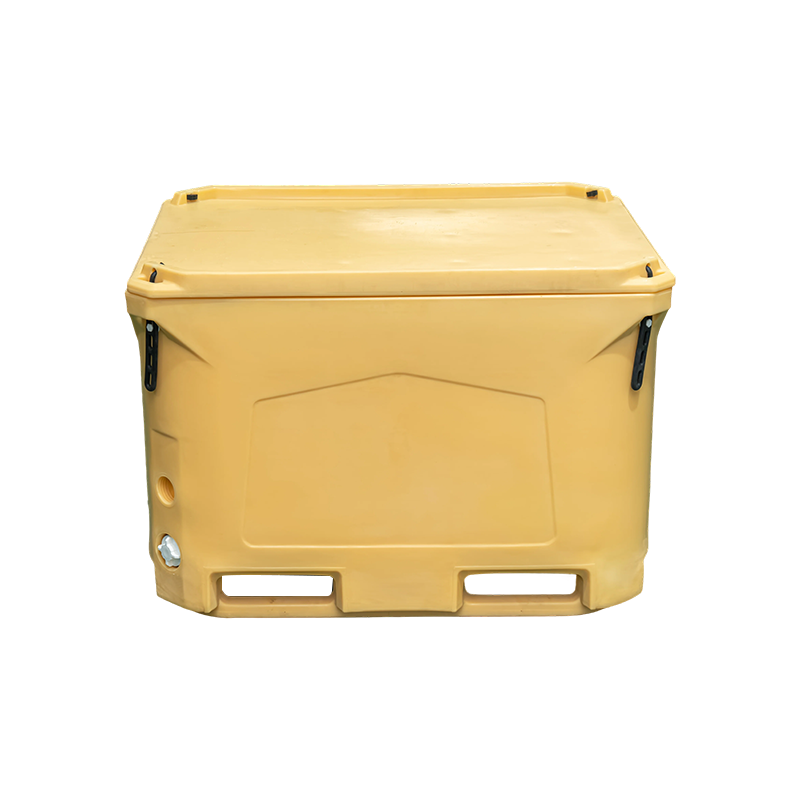
The NL-330 330L has an interior of about 92 × 68 × 53 cm and is particularly useful for sorting after vessel landing and handling medium seafood batches. Its food-grade LLDPE rotomolded body with PU i...
See Details -
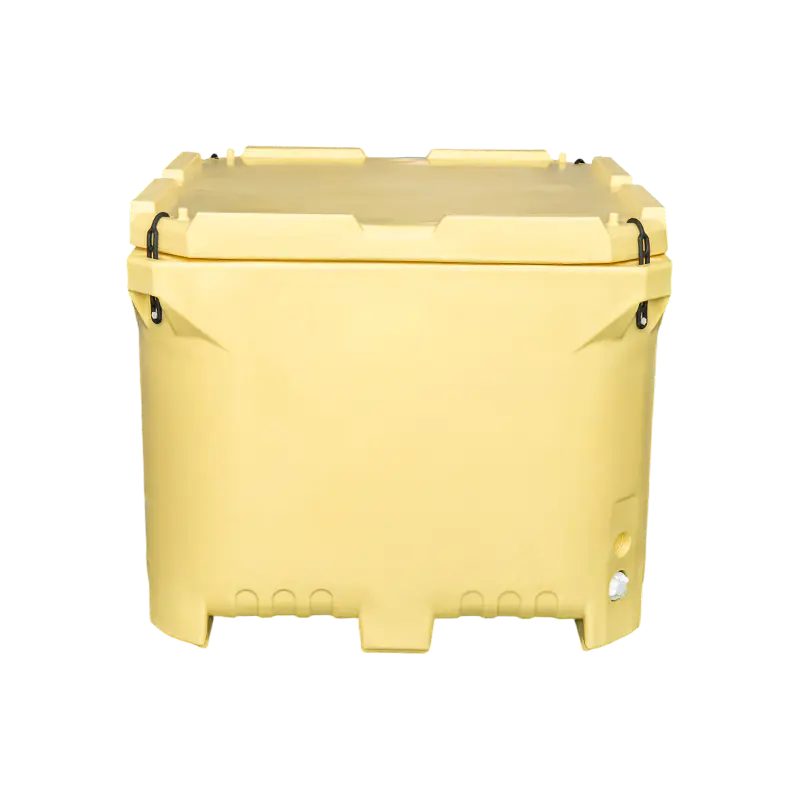
The NL-800 800L has an interior of about 106.5 × 96.5 × 74 cm and is deeper than the 700L model, making it useful when more load is needed in each tub. Larger fish, bulk seafood and processing-plant s...
See Details -
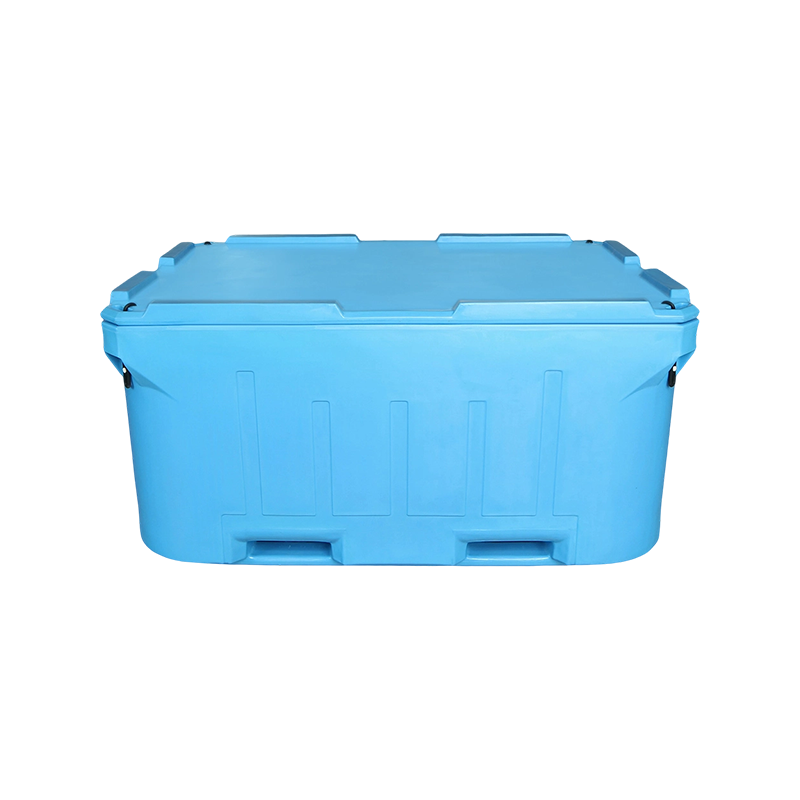
The NL-1000 B is also a 1000L model, but its interior of about 154 × 108 × 68 cm is longer and relatively shallower than the A version. The 154 cm internal length is more practical for long-bodied fis...
See Details -
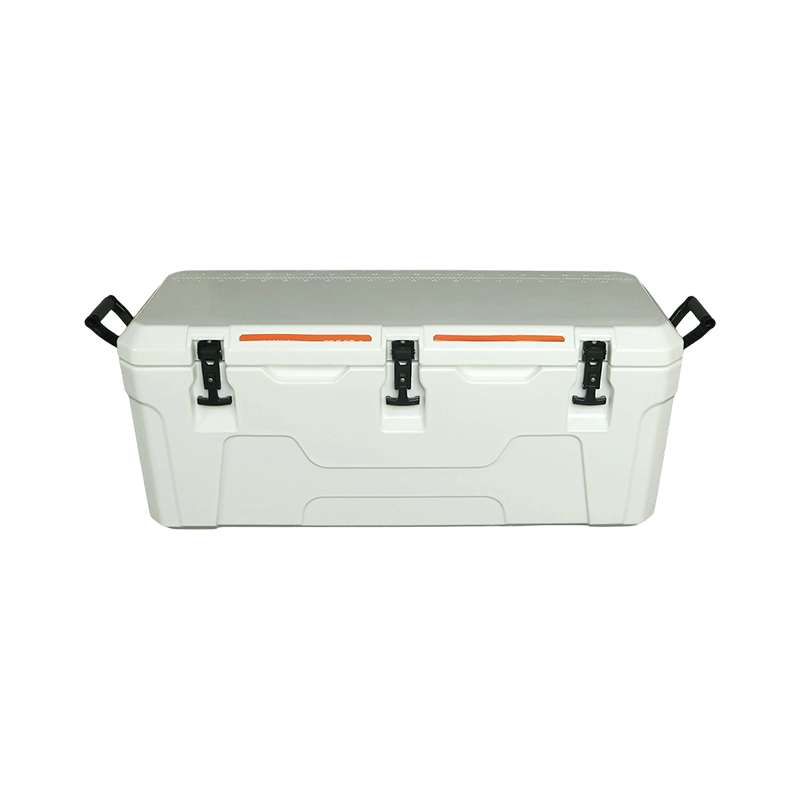
The 140QT NL-140 has an interior of about 105 × 32 × 38 cm, and its more-than-one-meter usable length is the key advantage of this model. It is better suited to larger fish, longer catch and supplies ...
See Details -
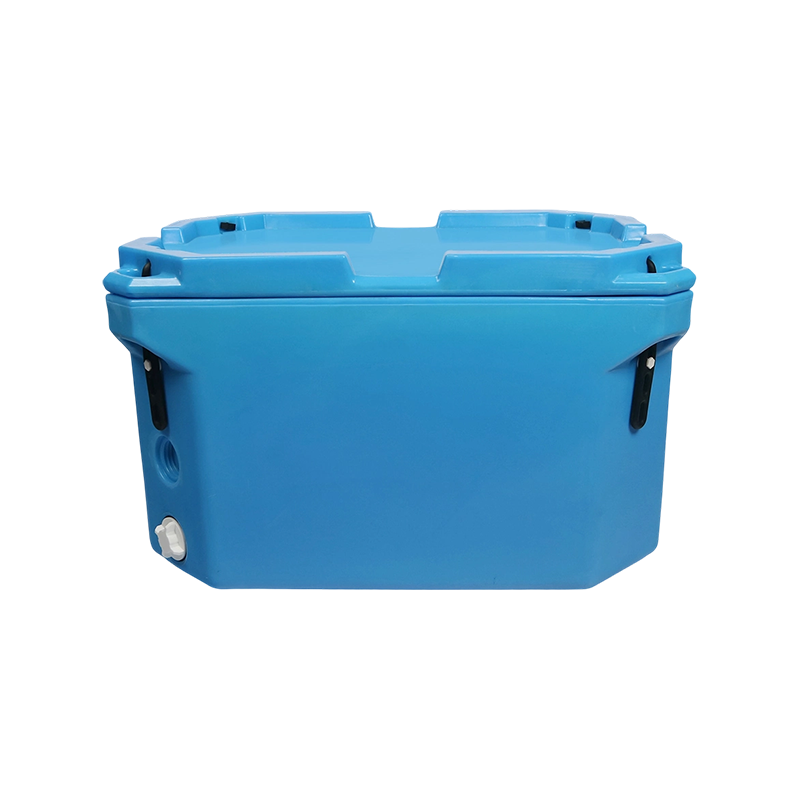
The NL-100 100L is the more compact and flexible size in the industrial fish-tub range, with an interior of about 68 × 48 × 38 cm. Its food-grade LLDPE rotomolded body and PU insulation suit catering ...
See Details
Related News
-
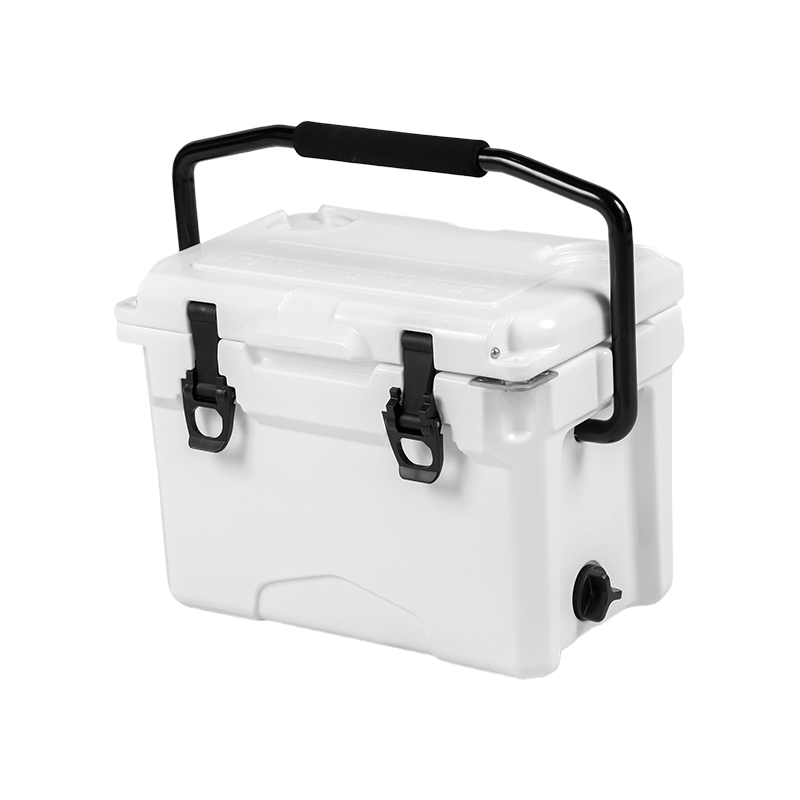
Why Choose a Rotomolded Cooler? Rotomolded Coolers: A Brief Introduction The Pinnacle of Portable Cooling Technology The modern era of outdoor recreation and de...
See Details -
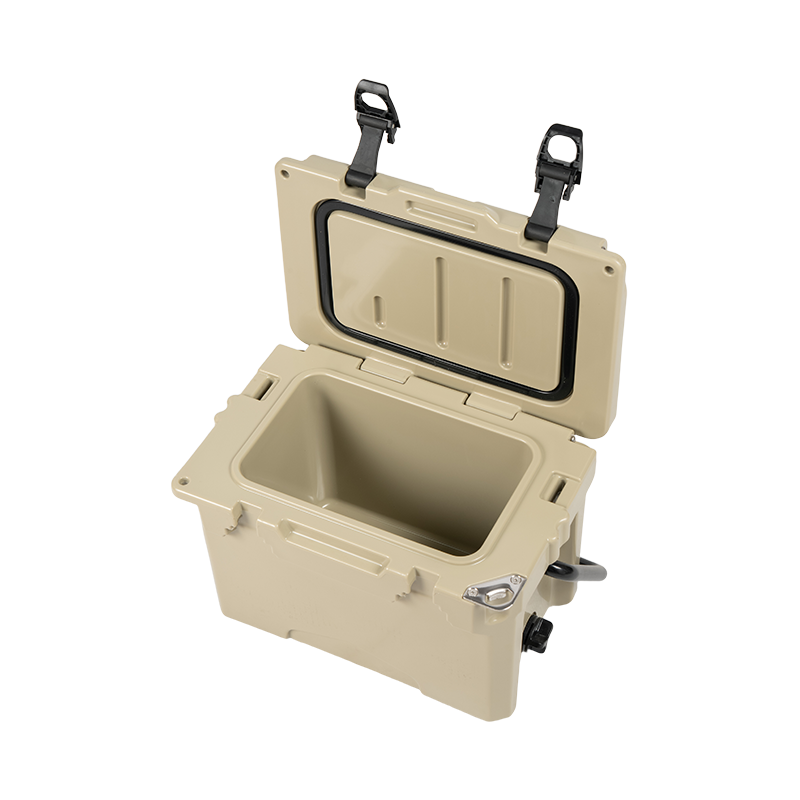
Introduction to Insulated Fish Tubs When you're out on the water, whether it's a deep-sea fishing trip or a relaxing day at the lake, the freshness of your catc...
See Details -
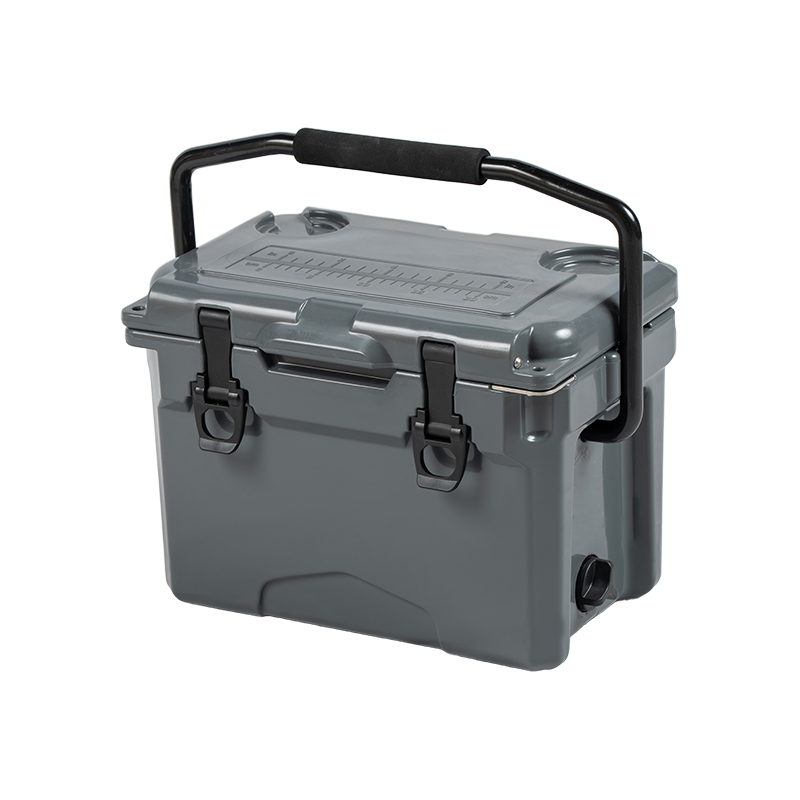
1. Insulation Quality in Outdoor Cooler Boxes When choosing an outdoor cooler box, one of the most critical factors to consider is insulation quality. The insul...
See Details -
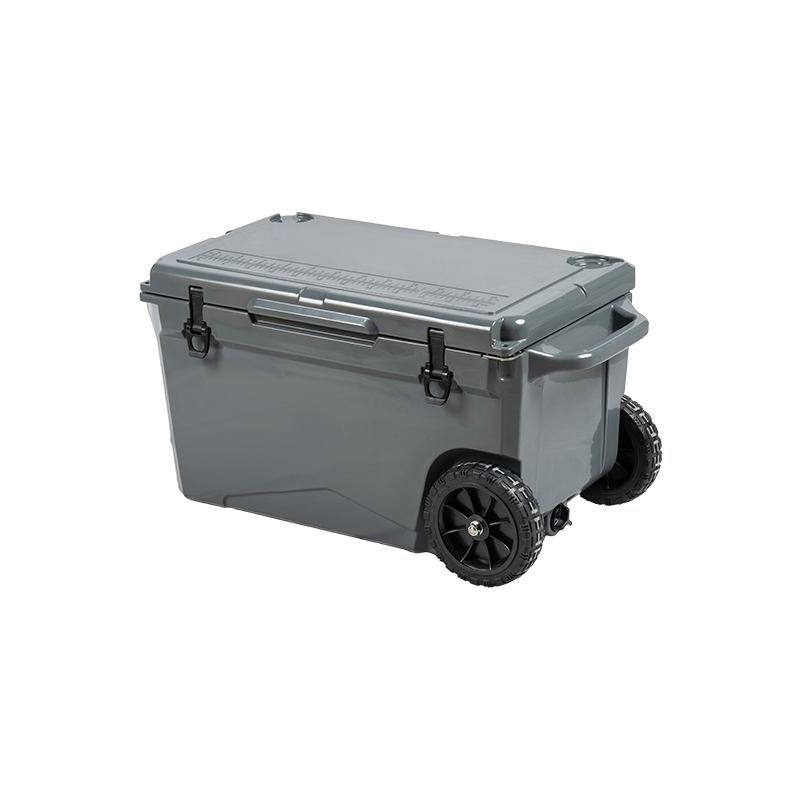
The Unmatched Advantage of ROTOMOLDING COOLER BOX Defining the Premium Standard: What exactly is a ROTOMOLDING COOLER BOX? The ROTOMOLDING COOLER BOX is not mer...
See Details
Be the First to Know
For exclusive deals and the latest offers, sign up by entering your email address below.


Contact Info
 No. 6, Guantong Road, South Zone, Xiaocaoe Town Industrial Park, Ningbo, Zhejiang, China
 +86 13736107260
  [email protected]
 Qr Code



Copyright © Ningbo Nelgreen Outdoor Products Co., Ltd. All Rights
Reserved
 OEM/ODM Seafood Insulated Boxes Manufacturers