 EN
EN
 English
  русский
  Español
  Deutsch
  عربى
عربى 
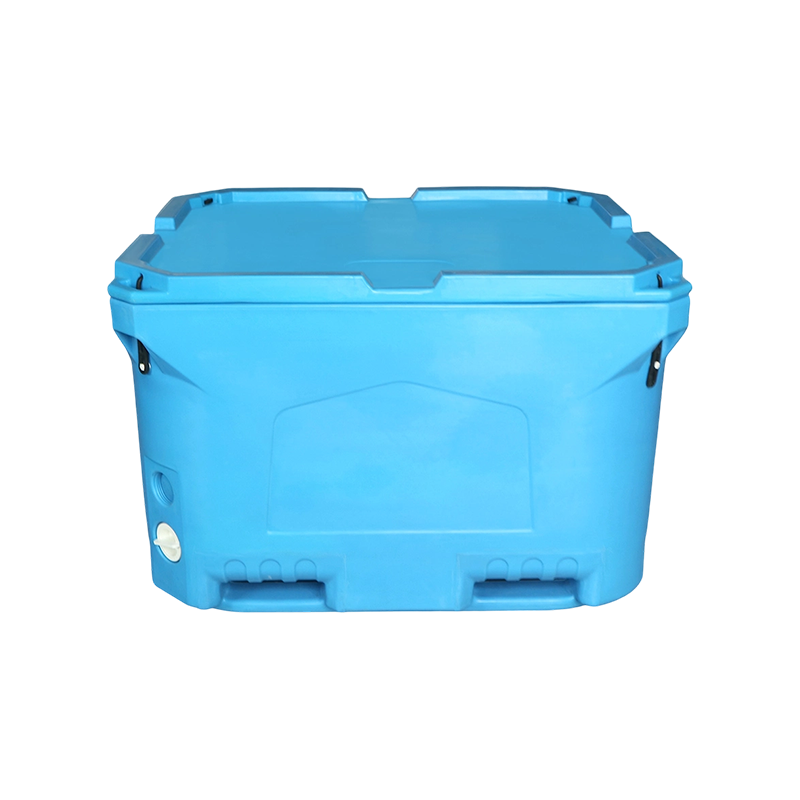
The NL-660 660L has an interior of about 114 × 94 × 63 cm, with a broad footprint suited to seafood distribution, dock loading and batch handling in processing plants. The wider floor area can accommo...
See Details
How to Choose Between an Outdoor Cooler Box and an Insulated Fish Tub for Your Needs?
2026-04-23
What Is an Insulated Fish Tub?
An Insulated Fish Tub is a specialized cooling container designed specifically for storing freshly caught fish and seafood. Unlike general-purpose coolers, it focuses on maintaining optimal freshness, controlling moisture, and ensuring hygienic storage conditions during fishing trips or marine operations.
These tubs are widely used by both recreational anglers and commercial fishermen because they are built to handle wet environments, heavy loads, and long storage durations without compromising fish quality.
Key Features of an Insulated Fish Tub
Freshness retention performance:Insulated fish tubs are designed with high-density insulation layers that help stabilize internal temperatures and slow down bacterial growth, ensuring that freshly caught fish remain in optimal condition even during long exposure to outdoor heat or sunlight.
Drainage system design:Most models include a built-in drain plug system that allows melted ice water and excess liquid to be easily removed, helping maintain a cleaner storage environment and reducing the risk of odor buildup during long fishing sessions.
Marine-grade durability:These containers are often constructed using impact-resistant and waterproof materials that can withstand saltwater exposure, heavy loading, and rough handling, making them suitable for both offshore and freshwater fishing environments.
Storage capacity design:Insulated fish tubs are typically deeper and more spacious than standard coolers, allowing users to store large fish, bulk catches, or even stacked seafood without damaging the internal structure or reducing cooling efficiency.
High-end models are often considered the best insulated fish tub for fishing, especially when they include reinforced sealing systems, thick insulation walls, and corrosion-resistant materials designed for long-term marine use.
Common Use Cases
Offshore and deep-sea fishing:Insulated fish tubs are widely used in offshore environments where fish need to be stored for long periods before returning to shore. Their strong insulation and drainage systems help maintain freshness even under high temperatures.
Boat fishing applications:They are commonly placed on boats due to their stable structure and leak-proof design, allowing anglers to safely store fish without worrying about water spillage or instability during movement.
Commercial seafood storage:In professional fishing operations, insulated fish tubs are used to temporarily store large quantities of seafood before processing or transportation, helping maintain product quality and market value.
Extended fishing trips:For multi-day fishing activities, these tubs provide reliable cold storage that reduces spoilage risk and ensures that catches remain fresh until they can be properly cleaned and processed.
If you need a large insulated fish tub, this type of product offers excellent capacity and durability, making it ideal for users who frequently handle high-volume catches.
Outdoor Cooler Box vs Insulated Fish Tub
When comparing an outdoor cooler box vs insulated fish tub, it is important to understand that both products are designed for cold storage but serve very different user needs and environments.
Key Differences Explained
Usage purpose difference:Outdoor cooler boxes are designed for general-purpose food and beverage storage during camping, travel, or outdoor leisure, while insulated fish tubs are specifically engineered for storing freshly caught fish and seafood in wet and demanding environments.
Design structure difference:Cooler boxes typically feature compact, portable designs for easy transport, whereas fish tubs are deeper, more rigid, and optimized for holding large volumes of fish and melted ice water without leakage.
Insulation focus difference:Outdoor coolers focus on balancing versatility and ice retention, while fish tubs prioritize long-term freshness preservation and moisture control to prevent spoilage during fishing activities.
Cleaning and maintenance difference:Cooler boxes require moderate cleaning depending on usage, while fish tubs are designed with smoother interiors and drainage systems that make post-use cleaning faster and more hygienic after handling raw fish.
| Feature | Outdoor Cooler Box | Insulated Fish Tub |
| Primary Purpose | Food & beverage storage for outdoor activities | Fresh fish & seafood preservation |
| Best Use Scenarios | Camping, travel, picnics, general outdoor use | Fishing trips, boat use, commercial seafood storage |
| Design Structure | Compact, portable, lightweight design | Deep, rigid, high-capacity structure |
| Insulation Focus | Balanced ice retention and versatility | Maximum freshness and temperature stability |
| Water Handling | Limited or optional drainage system | Built-in drainage system for melted ice and water |
| Cleaning Process | Moderate cleaning required after mixed use | Easier cleaning due to smooth interior and drainage |
| Durability Type | General outdoor durability and UV resistance | Marine-grade durability for wet and harsh environments |
| Portability | High (often with handles or wheels) | Moderate (heavier, less portable when full) |
The choice between an Outdoor Cooler Box and an Insulated Fish Tub depends entirely on your intended usage. If you need a flexible and portable solution for multiple outdoor activities, a cooler box is the better option. However, if your primary focus is fishing and maintaining the freshness of your catch, an insulated fish tub is clearly the more specialized and effective choice.
Factors to Consider When Choosing
Choosing the right product between an Outdoor Cooler Box and an Insulated Fish Tub depends heavily on your usage scenario, storage needs, and mobility requirements. Different users prioritize different features, so understanding these factors in detail can help you make a more practical and cost-effective decision.
Purpose of use consideration:If your main activity involves camping, road trips, beach outings, or general outdoor travel, an Outdoor Cooler Box is usually the more suitable option because it offers versatility and can store both food and beverages efficiently. It is designed to support a wide range of everyday outdoor scenarios, making it ideal for families and casual users. In contrast, fishing-focused users or professionals who frequently handle fresh catches will benefit more from an Insulated Fish Tub, which is specifically engineered for fish preservation, moisture control, and long-duration storage in wet environments.
Capacity requirement consideration:Storage capacity is another critical factor when making your choice. Larger storage needs, such as bulk fish catches or extended fishing trips, require deeper and higher-capacity insulated fish tubs that can accommodate both fish and melted ice water without overflow or leakage. These tubs are designed with vertical depth and reinforced structure to handle heavy loads. On the other hand, moderate storage needs such as drinks, snacks, and packaged food can be efficiently handled by standard outdoor cooler boxes, which provide a more balanced size-to-portability ratio for general outdoor use.
Portability requirement consideration:Portability plays an important role, especially for users who frequently move between locations or travel long distances. If mobility is a priority, such as during hiking trips, beach outings, or camping activities, cooler boxes with wheels or ergonomic handles offer significantly greater convenience and ease of transport. They are designed to be carried or rolled across different terrains with minimal effort. In comparison, insulated fish tubs tend to be heavier and less portable when fully loaded, as they are built to prioritize stability, durability, and storage capacity rather than frequent movement.
Our R&D team has over 15 years of rich experience in the field of rotational molding products and has applied for 6 product patents. The number of factory employees has exceeded 100. Strict management and quality control have enabled us to take the leading position in the industry. In addition, the experienced sales team can provide customers with a variety of solutions and high-quality services.
Related products
-
-
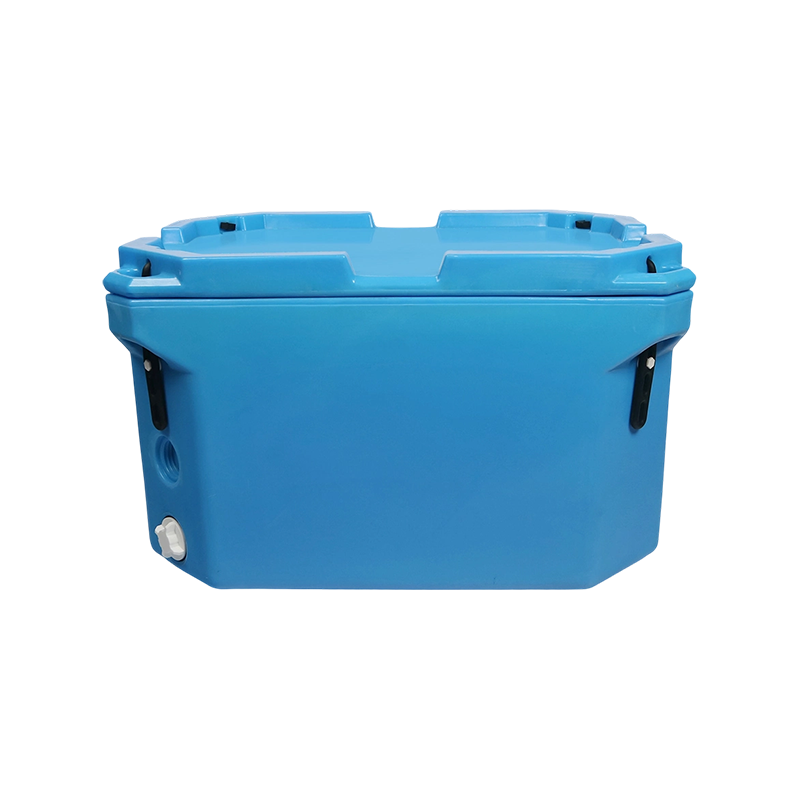
The NL-100 100L is the more compact and flexible size in the industrial fish-tub range, with an interior of about 68 × 48 × 38 cm. Its food-grade LLDPE rotomolded body and PU insulation suit catering ...
See Details -
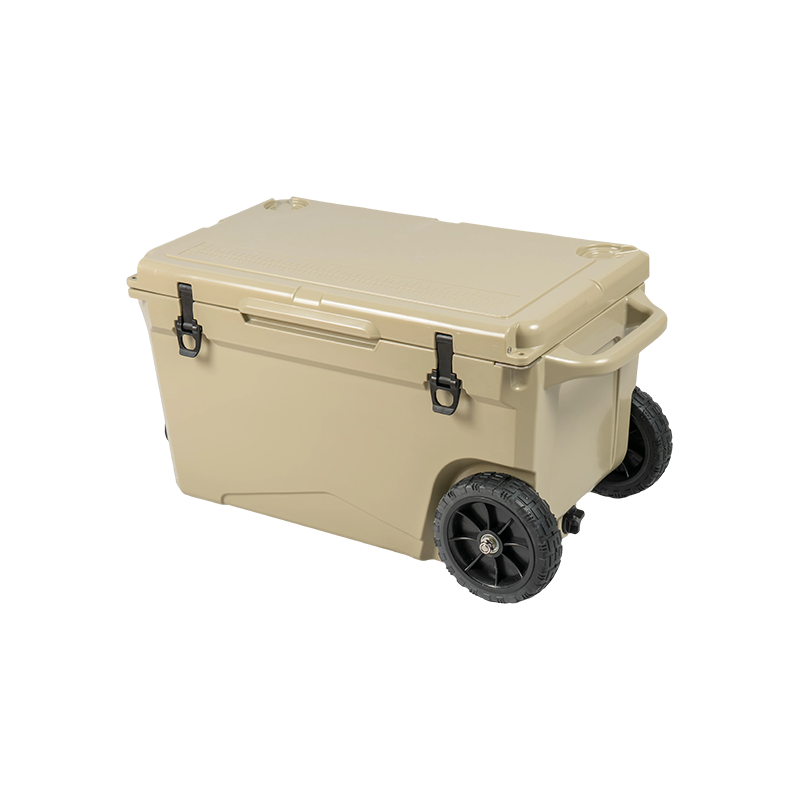
The 75QT NL-75 is a large wheeled model with an interior of about 66.2 × 34.1 × 35.8 cm. It is suited to offshore fishing, boating, family barbecues and group events where more ice, drinks, food or ca...
See Details -
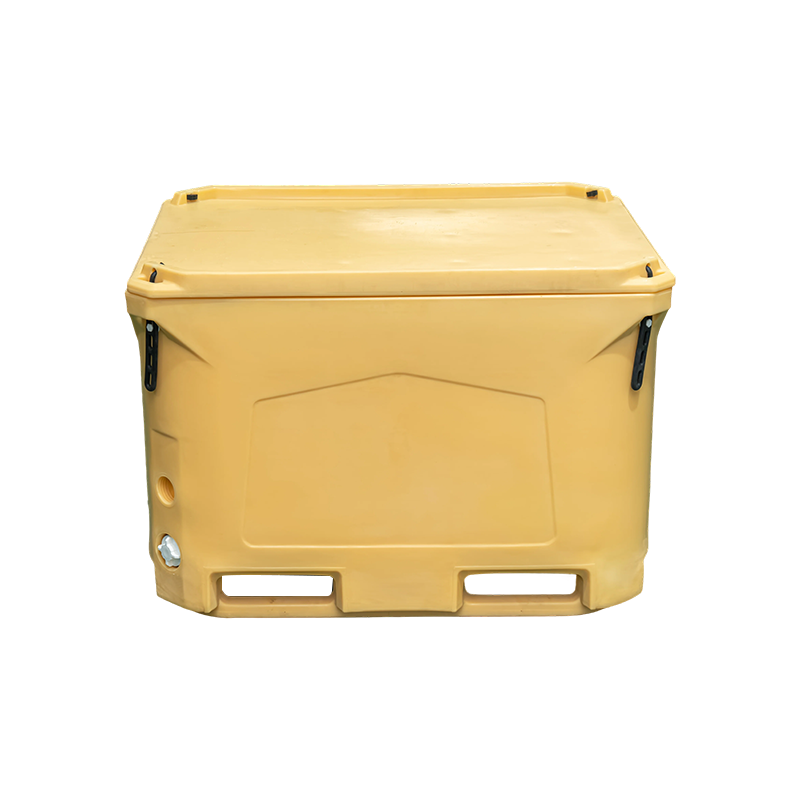
The NL-330 330L has an interior of about 92 × 68 × 53 cm and is particularly useful for sorting after vessel landing and handling medium seafood batches. Its food-grade LLDPE rotomolded body with PU i...
See Details -
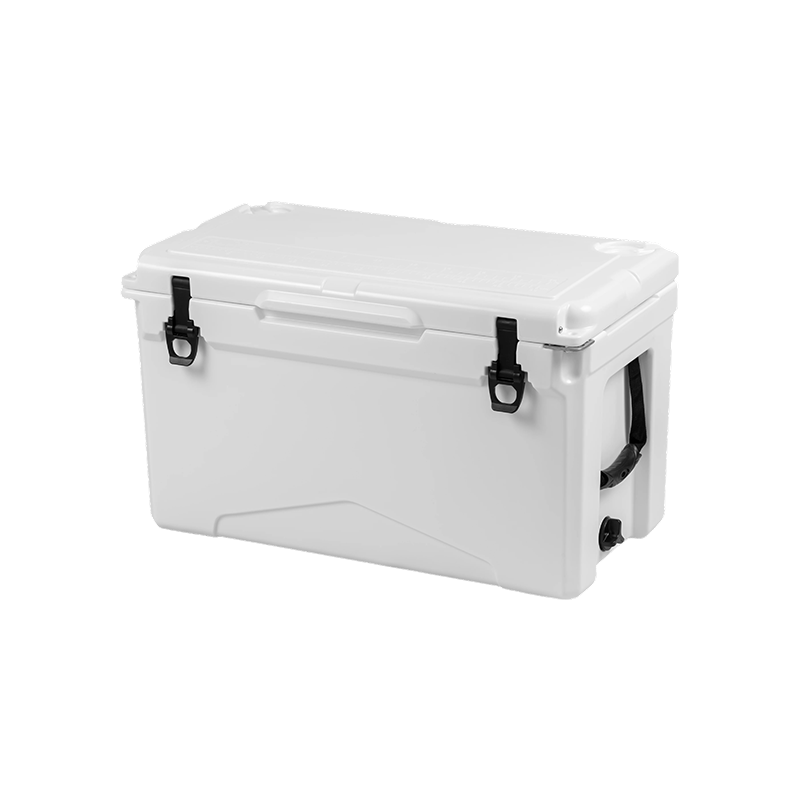
The 50QT NL-50 has an interior of about 55.1 × 27.8 × 32.5 cm and a long-body format that naturally suits marine and boat use. Longer fish, bottled drinks and rows of food packs can be arranged more e...
See Details -
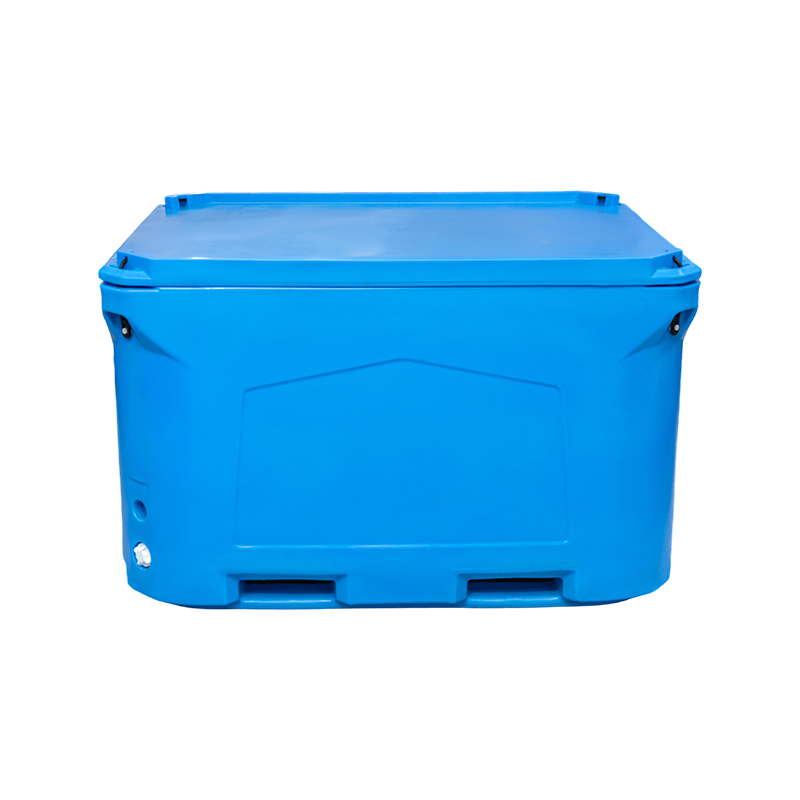
The NL-1000 A uses a high-profile body with an interior of about 140 × 108 × 73 cm and is designed for operations that handle large seafood volumes at one time. Processing plants, aquaculture harvests...
See Details
Related News
-
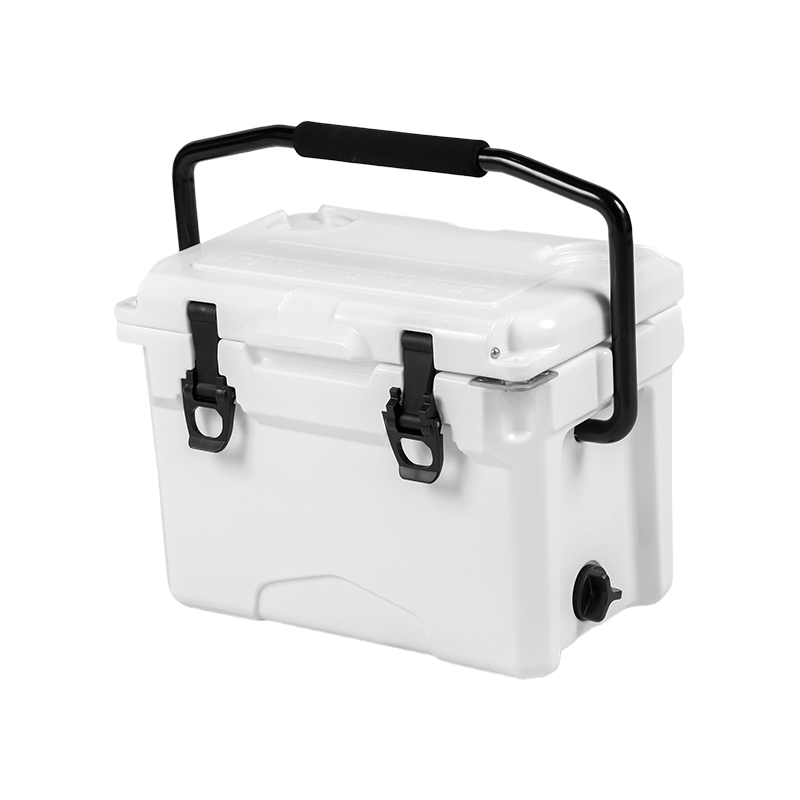
Why Choose a Rotomolded Cooler? Rotomolded Coolers: A Brief Introduction The Pinnacle of Portable Cooling Technology The modern era of outdoor recreation and de...
See Details -
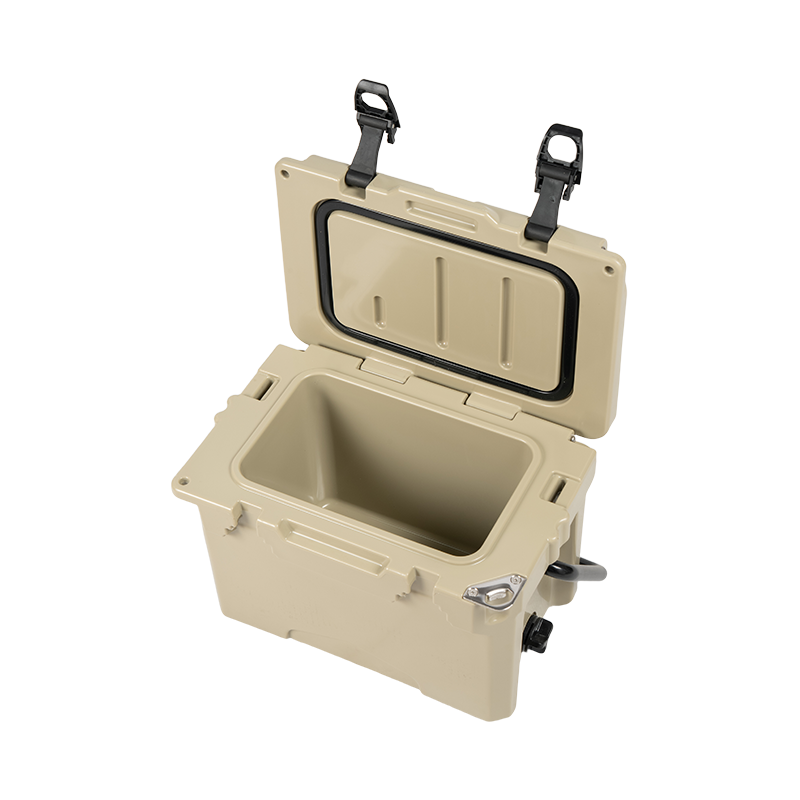
Introduction to Insulated Fish Tubs When you're out on the water, whether it's a deep-sea fishing trip or a relaxing day at the lake, the freshness of your catc...
See Details -
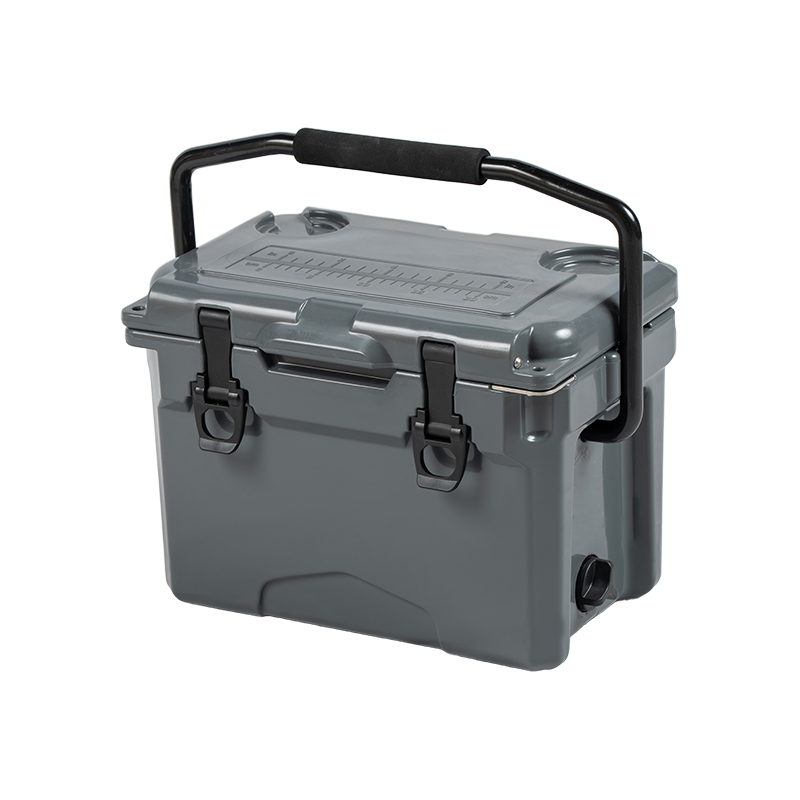
1. Insulation Quality in Outdoor Cooler Boxes When choosing an outdoor cooler box, one of the most critical factors to consider is insulation quality. The insul...
See Details -
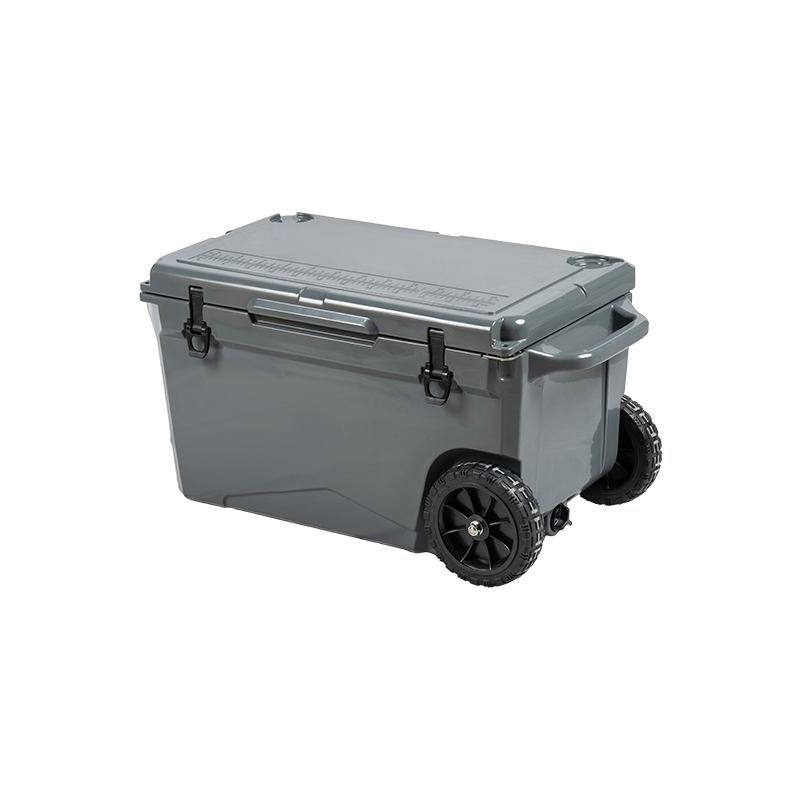
The Unmatched Advantage of ROTOMOLDING COOLER BOX Defining the Premium Standard: What exactly is a ROTOMOLDING COOLER BOX? The ROTOMOLDING COOLER BOX is not mer...
See Details
Be the First to Know
For exclusive deals and the latest offers, sign up by entering your email address below.


Contact Info
 No. 6, Guantong Road, South Zone, Xiaocaoe Town Industrial Park, Ningbo, Zhejiang, China
 +86 13736107260
  [email protected]
 Qr Code



Copyright © Ningbo Nelgreen Outdoor Products Co., Ltd. All Rights
Reserved
 OEM/ODM Seafood Insulated Boxes Manufacturers