 EN
EN
 English
  русский
  Español
  Deutsch
  عربى
عربى 
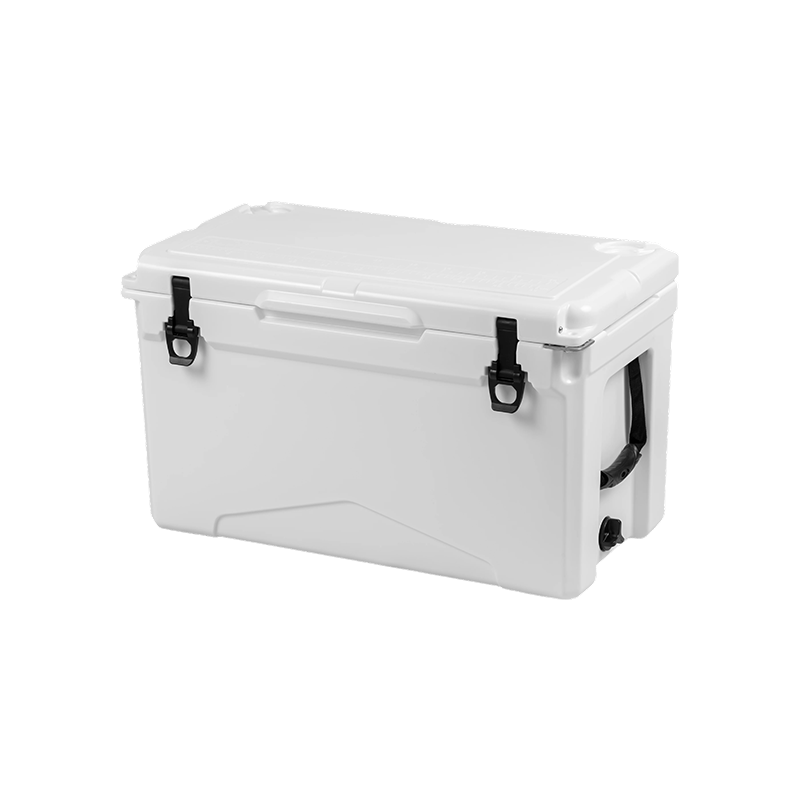
The 50QT NL-50 has an interior of about 55.1 × 27.8 × 32.5 cm and a long-body format that naturally suits marine and boat use. Longer fish, bottled drinks and rows of food packs can be arranged more e...
See Details
How to Choose the Best Outdoor Cooler Box and Insulated Fish Tub for Long-term Ice Retention?
2026-04-30
The demand for reliable temperature control solutions has grown exponentially across various sectors, ranging from weekend camping enthusiasts to large scale commercial fishing operations. When you are miles away from the nearest power source or transporting high value perishable goods across long distances, the performance of your cooling equipment is not just a matter of convenience; it is a necessity. This guide explores the intricate details of the Outdoor Cooler Box and the specialized Insulated Fish Tub, focusing on how these products achieve superior thermal insulation and which features you should prioritize for your specific requirements.
Understanding the Science of Thermal Insulation in Portable Coolers
To appreciate what makes a high quality Outdoor Cooler Box effective, one must first understand the fundamental principles of thermodynamics that these containers are designed to combat. Heat transfer occurs through three primary methods: conduction, convection, and radiation. A premium cooler is engineered to minimize all three.
Conduction is the transfer of heat through solid materials. In a standard Outdoor Cooler Box, the outer and inner walls act as potential bridges for heat to enter. This is why manufacturers utilize advanced polymers like linear low density polyethylene (LLDPE) for the shell. LLDPE has relatively low thermal conductivity. However, the true hero of insulation is the material sandwiched between these walls. High density polyurethane (PU) foam is the industry standard for high performance coolers. This foam contains millions of microscopic air bubbles which are poor conductors of heat, creating a formidable barrier that keeps the internal environment cold.
Convection involves the movement of air or liquid. Every time you open your Outdoor Cooler Box, cold air escapes and warm air rushes in. Moreover, if the seal around the lid is compromised, a constant exchange of air occurs, leading to rapid ice melt. This is why professional grade coolers feature deep lid recesses and heavy duty gaskets.
Radiation is the transfer of heat through electromagnetic waves, primarily from sunlight. The color and surface finish of an Outdoor Cooler Box play a significant role here. Lighter colors and UV resistant coatings reflect a large portion of solar radiation, preventing the outer surface from heating up excessively and taxing the internal insulation.
Key Factors That Determine Ice Retention Performance
When searching for an Outdoor Cooler Box that promises multi-day ice retention, certain structural elements serve as indicators of quality. It is essential to look beyond the aesthetic appeal and examine the technical specifications.
Insulation Thickness and Foam Quality
Not all PU foam is created equal. The density of the foam and the pressure at which it is injected into the cooler walls determine its effectiveness. In a premium Outdoor Cooler Box, you will often find walls that are at least two to three inches thick. This thickness is not uniform across all products; budget options often have hollow walls or thin layers of low quality polystyrene. A heavy, solid feel when tapping the side of a cooler usually indicates a full injection of high density foam, which is critical for maintaining sub zero temperatures for five to ten days.
Gasket Integrity and Pressure Systems
The seal is often the weakest link in thermal management. A high performance Outdoor Cooler Box utilizes a freezer grade silicone or rubber gasket similar to those found in commercial refrigerators. When the lid is latched down, this gasket is compressed to create an airtight environment. This prevents the "chimney effect" where cold air sinks and pulls warm air through any gaps in the top seal. Some advanced models even include a pressure relief valve, which is necessary because the airtight seal can create a vacuum as the internal air cools, making the lid difficult to open without releasing the pressure.
Latches and Hinge Construction
Durability and insulation are closely linked through the latching system. T-grip rubber latches are favored in the industry because they provide constant downward pressure on the gasket. Unlike plastic snap latches that can become brittle and break, rubber latches absorb vibration and maintain their tension over years of use. Similarly, the hinges should be integrated into the body of the Outdoor Cooler Box. Integrated hinges are less likely to break under the weight of a heavy lid and ensure that the lid always aligns perfectly with the gasket for an optimal seal.
The Specialized World of the Insulated Fish Tub
While a standard Outdoor Cooler Box is versatile, certain industries require more specialized equipment. The Insulated Fish Tub is a prime example of a product designed for high intensity, professional use. These tubs are ubiquitous in the seafood industry, from the moment the fish is caught on the vessel to its arrival at the processing plant.
Material Durability for Marine Environments
The Insulated Fish Tub is typically manufactured using a double walled rotational molding process. This ensures that the tub has no seams, making it incredibly strong and easy to sanitize. In a marine environment, equipment is subjected to salt water, intense UV rays, and physical impacts. The materials used in an Insulated Fish Tub are infused with UV stabilizers to prevent the plastic from cracking or becoming chalky over time.
Integrated Drainage and Cleaning Features
One of the defining characteristics of an Insulated Fish Tub is its drainage system. Large scale seafood storage involves significant amounts of meltwater and biological fluids. These tubs feature oversized, threaded drain plugs that allow for rapid emptying without the risk of clogging. Furthermore, the interior corners are usually radiused or rounded. This design choice prevents bacteria from accumulating in sharp corners, allowing the user to meet stringent food safety standards with a simple high pressure wash.
Structural Reinforcements for Industrial Handling
Unlike a consumer Outdoor Cooler Box, an Insulated Fish Tub is designed to be moved by forklifts and pallet jacks. The base of these tubs often includes integrated "feet" or entries for forklift tines. This structural reinforcement allows the tubs to be stacked when full, maximizing space on a transport truck or ship deck without crushing the contents of the bottom tubs.
Comparative Analysis of Cooler Types and Features
To help you decide between a standard Outdoor Cooler Box and a professional Insulated Fish Tub, the following table outlines the key differences based on typical specifications.
|
Feature |
High Performance Outdoor Cooler Box |
Industrial Insulated Fish Tub |
|
Primary User |
Campers, Hunters, Recreational Fishers |
Commercial Fisheries, Food Processors |
|
Typical Capacity |
20 to 120 Quarts |
200 to 1000 Liters |
|
Insulation Material |
High Density Injected PU Foam |
Double Walled Rotomolded PE with PU Foam |
|
Portability |
Side Handles, Wheels, Lightweight |
Forklift Slots, Pallet Jack Compatible |
|
Lid Security |
Rubber T-Latches |
Nylon Straps or Heavy Duty Integrated Clips |
|
Drainage |
Small Side Drain Plug |
Dual Large Diameter Threaded Drains |
|
Stacking Ability |
Limited to 2-3 units (model dependent) |
High Stackability (up to 4-5 units full) |
|
Cleaning |
Hand Washable |
Industrial Power Wash Compatible |
Strategies for Maximizing Ice Retention
Even the most advanced Outdoor Cooler Box or Insulated Fish Tub will underperform if used incorrectly. Achieving the maximum rated ice retention requires a strategic approach to packing and maintenance.
The Importance of Pre Chilling
One of the most common mistakes users make is taking a cooler from a hot garage and immediately filling it with ice and food. The insulation works both ways; it can keep heat in just as well as it keeps cold in. If the inner walls and the PU foam are warm, they will immediately begin melting the ice to reach thermal equilibrium. To prevent this, you should pre chill your Outdoor Cooler Box or Insulated Fish Tub. This is done by placing a sacrificial bag of ice or several frozen jugs inside the container for 12 to 24 hours before the actual trip. This lowers the temperature of the insulation itself, allowing the fresh ice you add later to last significantly longer.
Ice to Contents Ratio
For maximum ice retention, the industry recommendation is a 2 to 1 ratio of ice to contents. While this may seem like a lot of ice, it is necessary to maintain a stable internal temperature. In an Insulated Fish Tub used for commercial purposes, the use of slurry ice (a mixture of ice and water) is common as it provides total surface contact with the fish, cooling them faster than block or cube ice alone.
Minimizing Air Space
Air is the enemy of ice. Large pockets of empty space inside an Outdoor Cooler Box will cause ice to sublimate more quickly. If you do not have enough food or drinks to fill the cooler, you should fill the remaining gaps with crumpled newspaper, towels, or extra ice. This reduces the volume of air that needs to be kept cold and minimizes the air exchange that occurs when the lid is opened.
Management of Meltwater
There is a common debate regarding whether to drain the meltwater from an Outdoor Cooler Box. For food safety, keeping items out of the water is essential. However, from a purely thermal perspective, cold water is more effective at insulating than warm air. If your contents are sealed in watertight containers, leaving the cold meltwater inside can actually help preserve the remaining ice. In an Insulated Fish Tub, however, the water is usually drained and replaced with fresh ice to maintain the highest quality of the seafood.
Professional Applications and Scenario Planning
Choosing between these products often comes down to the scale of your operation. If you are a professional guide providing services for a small group of clients, a series of 110 quart Outdoor Cooler Box units might offer the modularity you need to organize different types of bait, beverages, and catches. They are easy to move in and out of a truck bed and can be secured using tie down points.
Conversely, if you are managing a commercial seafood export business, the Insulated Fish Tub is the only viable option. These units are built to withstand the rigors of a logistics chain where they are moved by heavy machinery and subjected to extreme physical stress. The ability to stack these tubs ensures that the cold chain remains intact from the point of harvest to the final destination, reducing spoilage and increasing profitability.
Environmental Considerations and Sustainability
In today’s market, the longevity of a product is a key component of its environmental footprint. A cheaply made plastic cooler that breaks after one season ends up in a landfill, contributing to plastic waste. Investing in a high quality Outdoor Cooler Box or an Insulated Fish Tub is a more sustainable choice. These products are designed to last for decades. The LLDPE shells are incredibly durable, and because the insulation is so effective, you end up using less ice over time, which reduces the energy consumption associated with ice production and transport.
Many manufacturers are now exploring ways to make these containers more eco-friendly. This includes using recycled plastics for certain components or ensuring that the PU foam blowing agents have zero ozone depletion potential. When you choose a reputable brand for your Outdoor Cooler Box, you are often supporting a company that values durability as a form of sustainability.
Our R&D team has over 15 years of rich experience in the field of rotational molding products and has applied for 6 product patents. The number of factory employees has exceeded 100. Strict management and quality control have enabled us to take the leading position in the industry. In addition, the experienced sales team can provide customers with a variety of solutions and high-quality services.
Related products
-
-
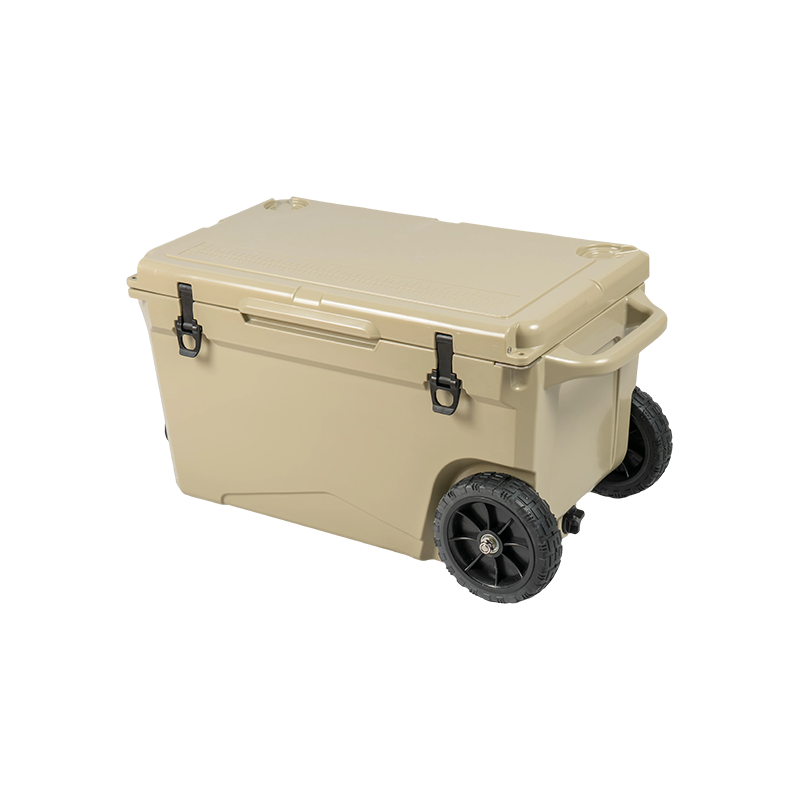
The 75QT NL-75 is a large wheeled model with an interior of about 66.2 × 34.1 × 35.8 cm. It is suited to offshore fishing, boating, family barbecues and group events where more ice, drinks, food or ca...
See Details -
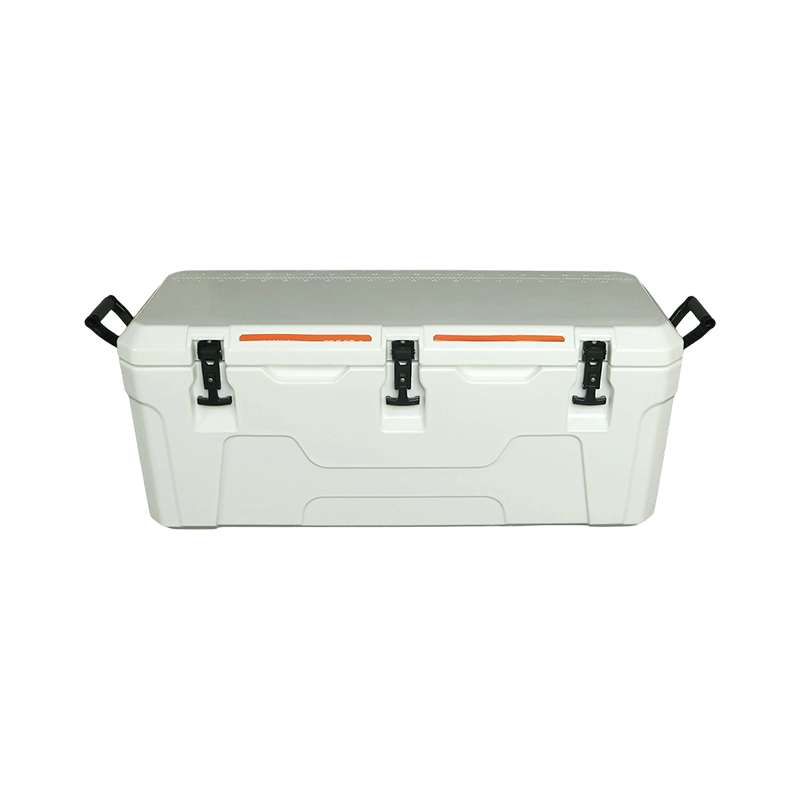
The 140QT NL-140 has an interior of about 105 × 32 × 38 cm, and its more-than-one-meter usable length is the key advantage of this model. It is better suited to larger fish, longer catch and supplies ...
See Details -
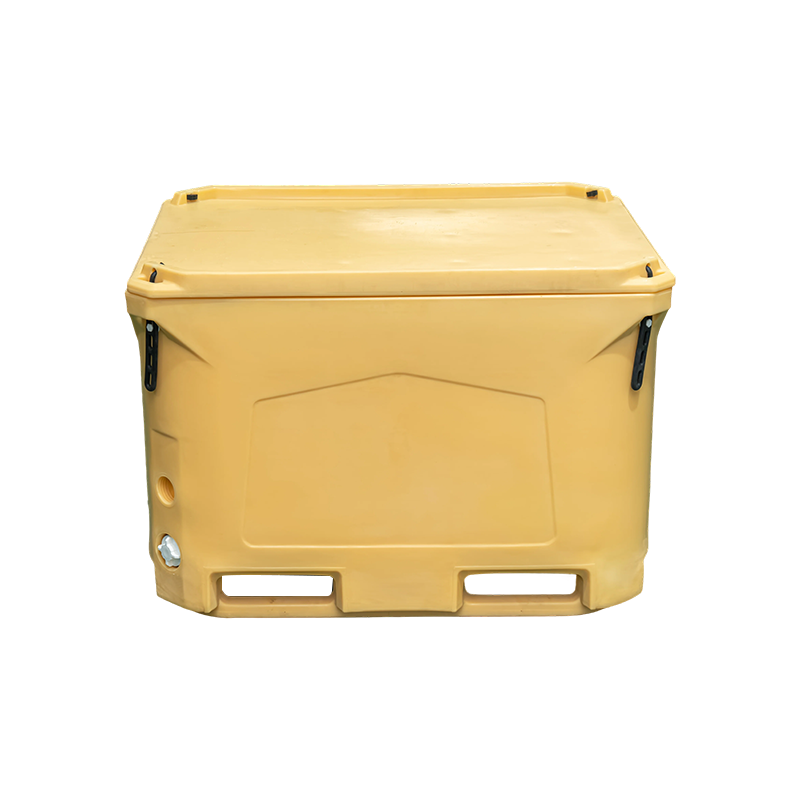
The NL-330 330L has an interior of about 92 × 68 × 53 cm and is particularly useful for sorting after vessel landing and handling medium seafood batches. Its food-grade LLDPE rotomolded body with PU i...
See Details -
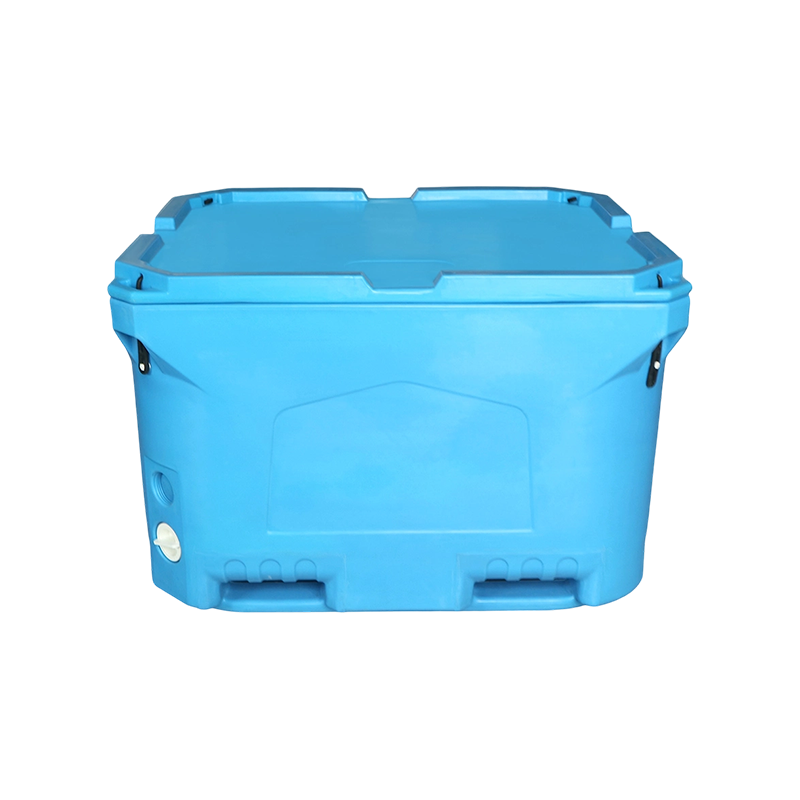
The NL-660 660L has an interior of about 114 × 94 × 63 cm, with a broad footprint suited to seafood distribution, dock loading and batch handling in processing plants. The wider floor area can accommo...
See Details -
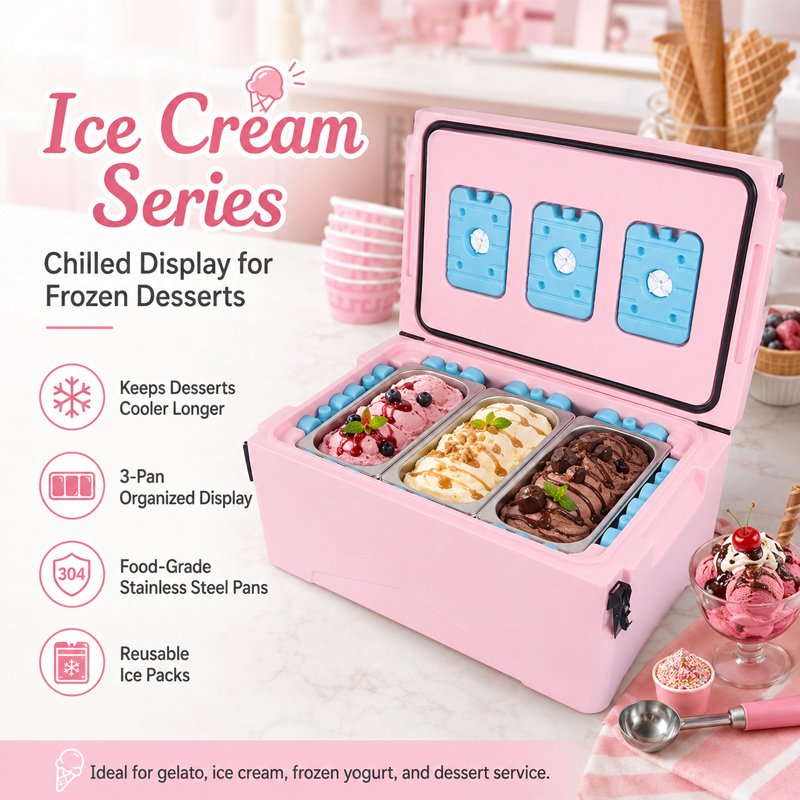
This mobile insulated ice cream display cooler is fitted with three stainless-steel pans, each approximately 6.6L / 7QT, in an overall body of about 69.5 × 44.5 × 32 cm. The separate pans allow differ...
See Details
Related News
-
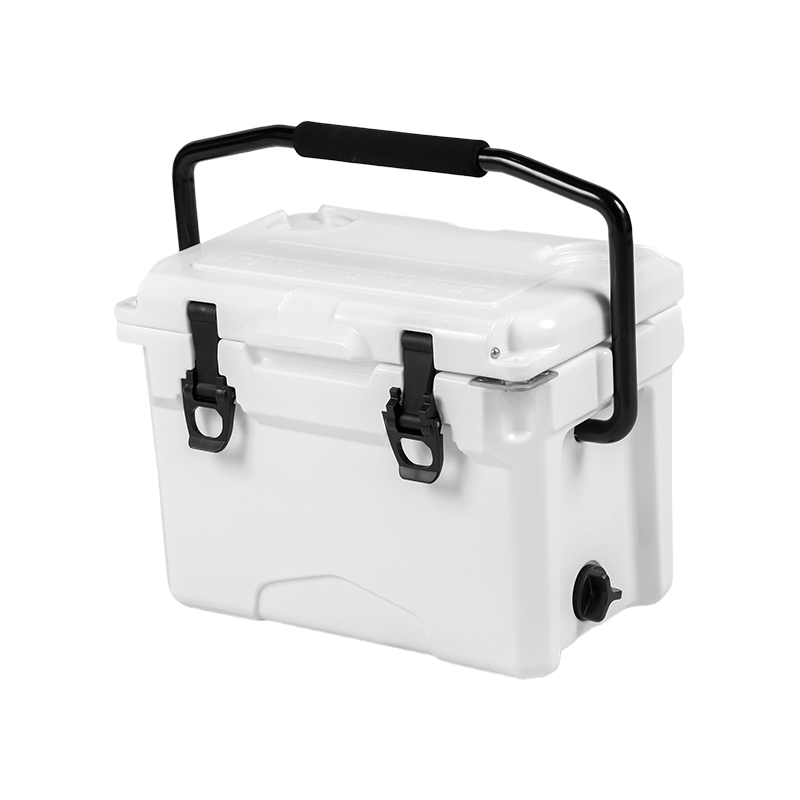
Why Choose a Rotomolded Cooler? Rotomolded Coolers: A Brief Introduction The Pinnacle of Portable Cooling Technology The modern era of outdoor recreation and de...
See Details -
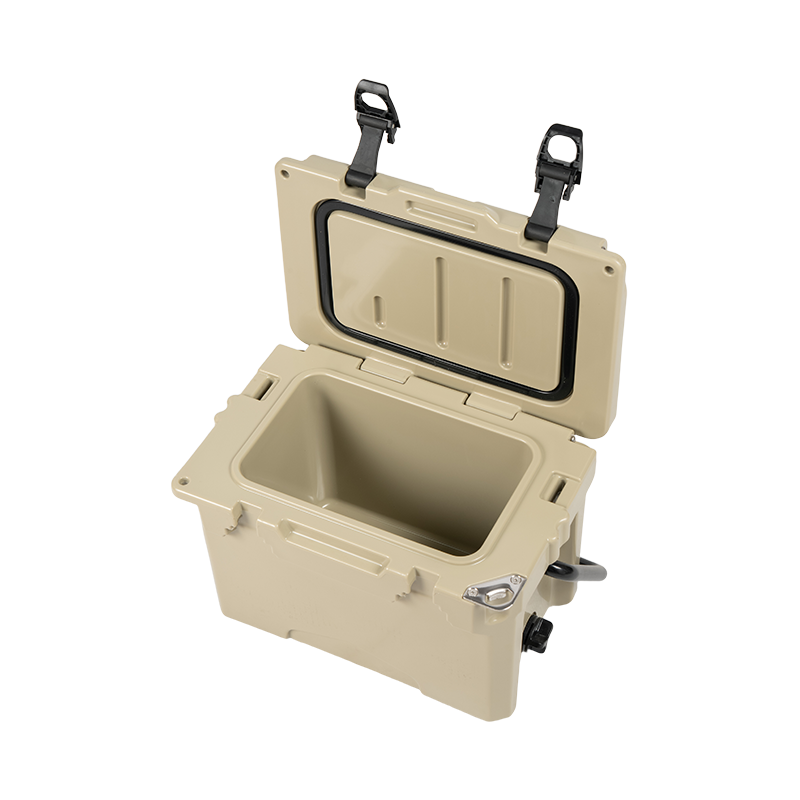
Introduction to Insulated Fish Tubs When you're out on the water, whether it's a deep-sea fishing trip or a relaxing day at the lake, the freshness of your catc...
See Details -
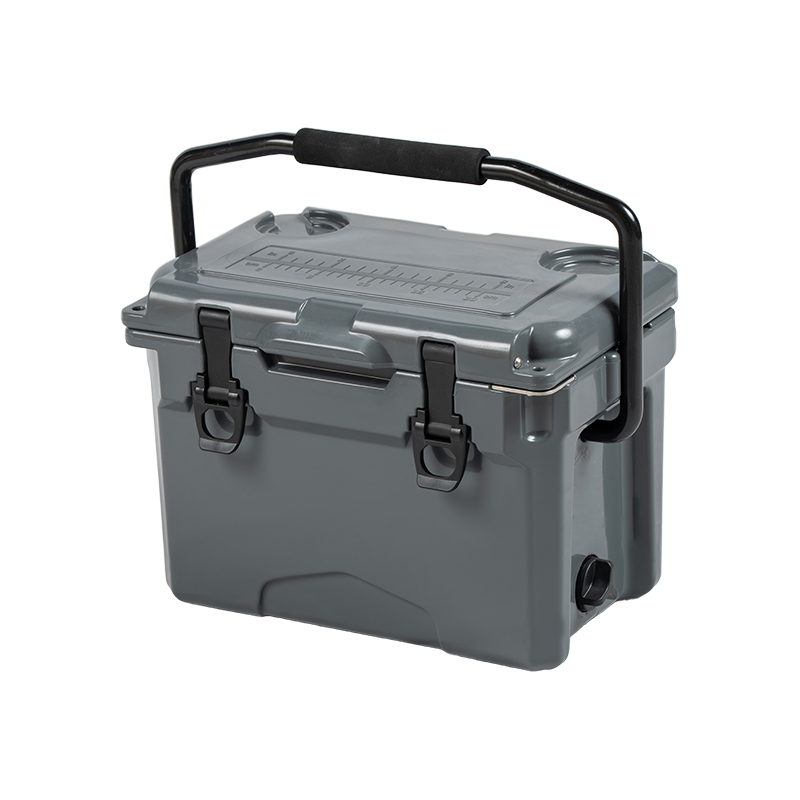
1. Insulation Quality in Outdoor Cooler Boxes When choosing an outdoor cooler box, one of the most critical factors to consider is insulation quality. The insul...
See Details -
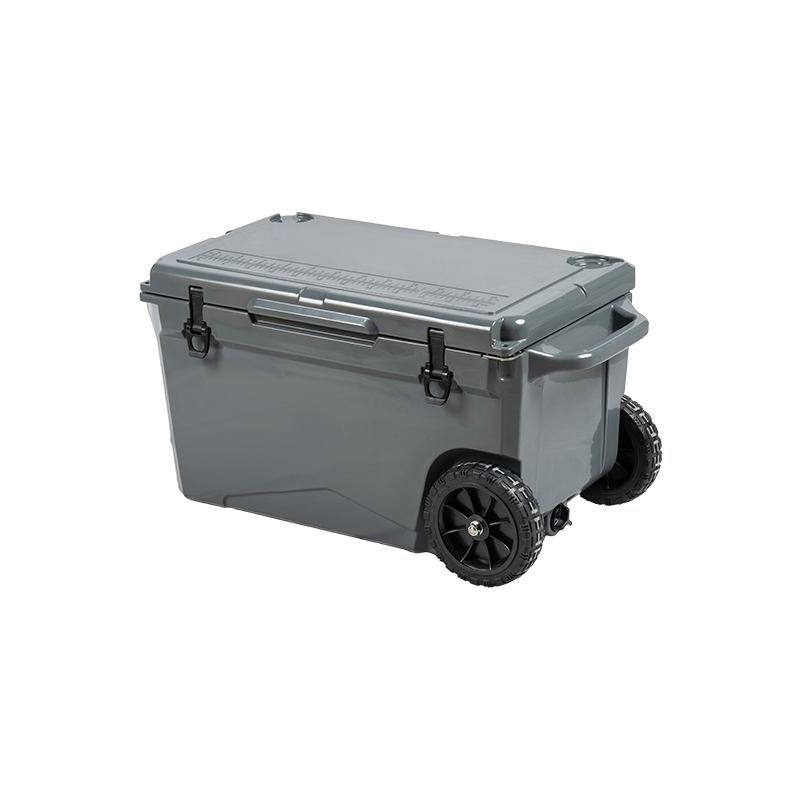
The Unmatched Advantage of ROTOMOLDING COOLER BOX Defining the Premium Standard: What exactly is a ROTOMOLDING COOLER BOX? The ROTOMOLDING COOLER BOX is not mer...
See Details
Be the First to Know
For exclusive deals and the latest offers, sign up by entering your email address below.


Contact Info
 No. 6, Guantong Road, South Zone, Xiaocaoe Town Industrial Park, Ningbo, Zhejiang, China
 +86 13736107260
  [email protected]
 Qr Code



Copyright © Ningbo Nelgreen Outdoor Products Co., Ltd. All Rights
Reserved
 OEM/ODM Seafood Insulated Boxes Manufacturers