 EN
EN
 English
  русский
  Español
  Deutsch
  عربى
عربى 
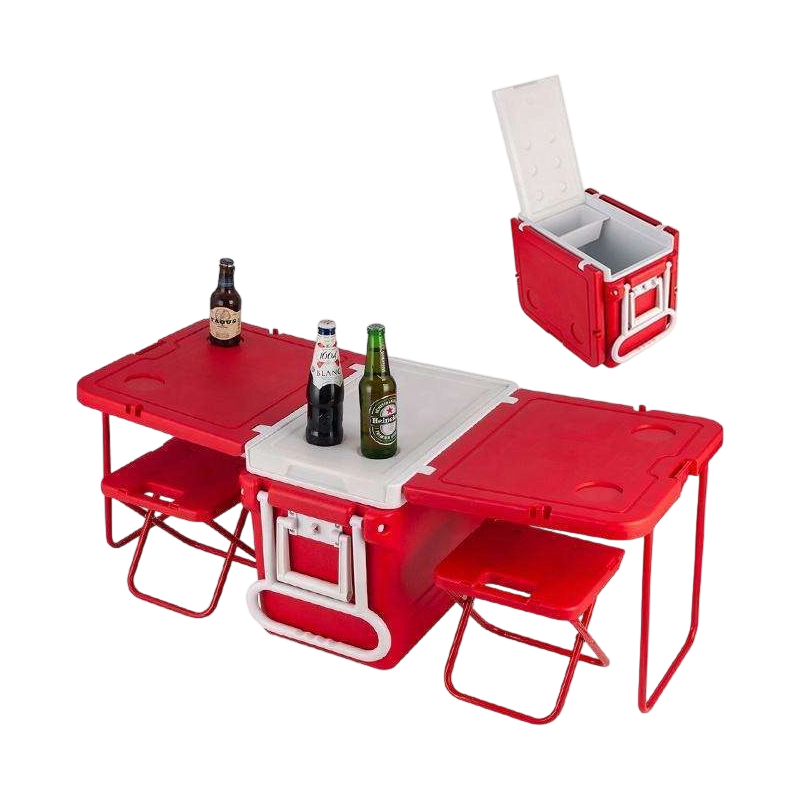
The 28QT NL-28 is noticeably taller than a conventional low-profile cooler. Its interior measures about 44.5 × 22 × 38 cm, giving extra vertical room for upright bottles and taller food containers. Th...
See Details
What Is the Difference Between a Rotomolded Cooler Box and an Injection Molded Cooler Box
2026-03-18
An outdoor cooler box is one of those products where the manufacturing method has a direct and measurable effect on performance, durability, and long term value. Two manufacturing processes dominate the market: rotational molding (rotomolding) and injection molding. Both produce a finished plastic cooler box, but the internal structure, wall consistency, insulation performance, and impact resistance of the two products differ in ways that matter significantly when the cooler is being used in demanding outdoor conditions far from a replacement source.
How Rotomolded and Injection Molded Cooler Boxes Are Made?
The performance differences between rotomolded cooler box and injection mold cooler boxes begin in the factory, with two fundamentally different approaches to shaping plastic into a finished product. Understanding the manufacturing difference explains why the two products, while superficially similar in appearance and function, behave differently in the field.
The Rotomolding Process
Rotational molding begins with a measured charge of polyethylene powder loaded into a hollow metal mold that represents the outer shell of the cooler box. The mold is then closed and moved into a large oven where it is simultaneously heated to temperatures of 300 to 370 degrees Celsius and rotated slowly on two axes at speeds of 4 to 20 revolutions per minute. As the mold heats and rotates, the polyethylene powder melts and coats the interior surface of the mold uniformly, building up a thick, seamless shell of molten plastic. The mold then moves to a cooling station where it continues to rotate while the plastic solidifies, maintaining the uniform distribution of material as the shell hardens. The finished shell is then removed from the mold as a single, seamless piece.
The critical result of the rotomolding process is a seamless, one piece shell with consistent wall thickness throughout, including at corners and edges where injection molded parts typically show reduced wall thickness due to material flow characteristics during mold filling. Polyurethane foam insulation is then injected into the space between the inner and outer shells and allowed to expand to fill the cavity completely, creating a dense, void free insulation layer that is bonded to both walls. This foam injection step is what creates the exceptional insulation performance of rotomolded cooler boxes.
The Injection Molding Process
Injection molding produces cooler box shells by injecting molten polypropylene or high density polyethylene into a closed steel mold under high pressure, typically 500 to 2,000 bar depending on the material and part geometry. The material fills the mold cavity in a fraction of a second, cools rapidly against the mold walls, and is ejected as a finished part within a cycle time of 20 to 60 seconds. The outer shell, inner liner, and lid of an injection molded cooler box are produced as separate components that are then assembled together with insulation placed or foamed between them.
The injection molding process excels at producing complex geometries, thin walls, and precisely detailed surfaces at very high production rates and low per unit cost. However, the joining of separately molded inner and outer shells creates seam lines and assembly interfaces that are structural weak points not present in rotomolded products, and the insulation layer in lower cost injection molded coolers may be a pre formed foam sheet rather than injected foam, resulting in air gaps and lower insulation density that reduce thermal performance compared to the injected and bonded foam in a quality rotomolded box.
Ice Retention Performance: Where Rotomolding Has a Decisive Advantage
Ice retention is the primary performance metric for any outdoor cooler box, and it is the area where the manufacturing method has the largest and most measurable effect. The ice retention capability of a cooler box depends on three factors: the thickness of the insulation layer, the density and uniformity of the insulation material, and the quality of the lid seal that prevents warm air from entering and cold air from escaping when the box is opened and closed.
Premium rotomolded outdoor cooler boxes with walls containing 50 to 75 mm of injected polyurethane foam achieve ice retention of 5 to 10 days under real world conditions of repeated opening and ambient temperatures around 30 degrees Celsius, compared to 1 to 3 days for standard injection molded cooler boxes of equivalent volume. This difference is not a marginal improvement but a fundamentally different capability level that determines whether the cooler is suitable for a multiday camping expedition, a week long fishing trip, or a commercial food service application where product temperature must be maintained over extended periods.
Why Insulation Thickness and Density Matter So Much
The rate at which heat flows through a material is described by its thermal resistance (R value), which increases proportionally with insulation thickness and inversely with the thermal conductivity of the material. Polyurethane foam has a thermal conductivity of approximately 0.022 to 0.028 watts per meter per Kelvin when freshly injected and fully cured, making it one of the best commercially available insulation materials for this application. A 50 mm layer of injected polyurethane foam provides roughly twice the thermal resistance of a 25 mm layer of the same material, and a well bonded, void free injected layer performs significantly better than a loose fitting pre formed foam sheet of nominally the same thickness because any air gap at the interface between the foam and the plastic shell creates a convective pathway that bypasses the foam insulation entirely.
The consistent wall thickness of a rotomolded shell also contributes to insulation performance by allowing the injected foam to fill the cavity uniformly to full depth at every point, including corners. In assembled injection molded boxes where the inner and outer shells may not align precisely at all points, corner regions and lid to body interfaces are common locations for insulation voids that create thermal bridges significantly reducing the overall insulation effectiveness of the box.
Structural Durability: Rotomolded vs Injection Molded in Field Conditions
Outdoor cooler boxes are used in demanding conditions: loaded into the beds of trucks, dragged across boat decks, stacked under heavy loads, dropped on hard surfaces, and exposed to UV radiation and temperature extremes that would rapidly degrade lesser materials. The structural durability of the cooler box determines how many years of this treatment it can withstand before the physical damage begins to compromise its insulation performance and usability.
- Rotomolded boxes: The seamless, one piece polyethylene shell produced by rotomolding is exceptionally impact resistant because the thick, continuous wall of material has no seam lines or assembly joints where stress concentration would initiate cracking. Linear low density polyethylene (LLDPE) used in rotomolding has excellent toughness at low temperatures and high impact absorption capacity, making rotomolded boxes resistant to the corner impacts and drops that typically crack or chip injection molded products. Quality rotomolded outdoor cooler boxes are typically rated for loads of 200 to 300 kilograms or more on the lid surface, allowing them to be used as field seats or work platforms.
- Injection molded boxes: Polypropylene injection molded cooler boxes are generally adequate for casual outdoor use but are more susceptible to crack initiation at seam lines, hinge attachment points, and the thin wall regions that result from injection flow dynamics in complex mold geometries. At low temperatures (below 0 degrees Celsius), polypropylene's impact resistance decreases significantly, making injection molded boxes more vulnerable to cracking from drops or impacts during winter use compared to the LLDPE used in rotomolded products, which retains its toughness to much lower temperatures.
Rotomolded vs Injection Molded Cooler Box: Side by Side Comparison
| Factor | Rotomolded Cooler Box | Injection Molded Cooler Box |
|---|---|---|
| Ice retention (30 degree ambient) | 5 to 10 days (premium models) | 1 to 3 days (standard models) |
| Insulation wall thickness | 50 to 75 mm injected polyurethane | 20 to 40 mm foam sheet or injected |
| Shell construction | Seamless one piece LLDPE shell | Assembled inner and outer PP shells |
| Impact and drop resistance | Excellent: no seam lines, thick continuous wall | Good to moderate: seam lines are weak points |
| Weight (20 liter equivalent) | 4 to 7 kg (heavier) | 2 to 4 kg (lighter) |
| Relative cost | High: 3 to 6 times injection molded equivalent | Low to medium: accessible entry price |
| Available sizes | Typically 20 to 150 liters | Wide range: 5 to 150 liters and above |
| Lid load capacity | 200 to 300 kg (usable as seat) | 40 to 100 kg typical |
| Service life expectation | 10 to 20 years with normal use | 3 to 8 years depending on use intensity |
| Best application | Extended outdoor trips, professional use, fishing, hunting | Day trips, casual outdoor use, budget conscious buyers |
Selecting the Right Outdoor Cooler Box for Your Application
The correct cooler box for any given application depends on the combination of required ice retention duration, expected use intensity, portability requirements, and budget. The following selection framework addresses the most common outdoor cooler box use cases:
- Multiday camping and backcountry trips (3 days and above): A rotomolded cooler box in the 40 to 75 liter range is the appropriate choice. The 5 to 10 day ice retention of a quality rotomolded box means food and drink stays cold for the full duration of an extended camping trip without the need to resupply ice at a remote location where it may not be available. Pre chilling the cooler for 24 hours before loading and filling with block ice rather than crushed ice further extends retention.
- Day trips, beach days, and weekend camping: An injection molded cooler box in the 20 to 40 liter range provides adequate ice retention for 1 to 2 days and is the more practical choice on weight, cost, and ease of transport grounds. The lighter construction is easier to carry from a vehicle to a campsite or beach, and the lower cost per liter of volume makes it economical to own multiple sizes for different uses.
- Fishing and marine use: Fishing applications place particular demands on cooler box durability and ice retention. The cooler may need to preserve a full day's catch for hours in direct sun on a boat deck, be dragged across wet surfaces, and withstand saltwater exposure. A rotomolded marine cooler in the 60 to 120 liter range, with a drain plug rated for seawater contact and UV stabilized polyethylene construction, is the standard choice for serious recreational and commercial fishing applications.
- Commercial food service and event catering: Commercial outdoor food service applications require cooler boxes that maintain food safe temperatures (below 5 degrees Celsius) for the duration of a service period, which may be 6 to 12 hours at outdoor ambient temperatures. Rotomolded boxes in the 75 to 150 liter range provide the ice retention and structural durability to meet commercial standards, and their ability to support significant loads on the lid makes them stackable for transport and storage at events.
- Vehicle based overlanding and 4WD travel: Overlanding trips covering multiple days in remote terrain are one of the most demanding cooler box use cases. The cooler is loaded and unloaded daily, subjected to vehicle vibration and off road impacts, and required to maintain cold temperatures in high ambient temperature desert or tropical environments. Rotomolded overlanding cooler boxes are the standard choice in this community, with sizes of 45 to 95 liters most commonly used in the truck bed or cargo area of 4WD vehicles.
Practical Tips for Maximizing Ice Retention in Any Cooler Box
Regardless of which cooler box type is selected, the following practices significantly extend ice retention in real world use:
- Pre chill the cooler by filling it with ice or ice packs for at least 2 hours before loading food and beverages. A cooler box that starts at ambient temperature will consume a significant portion of its first ice charge simply cooling the box walls and air before the ice begins to keep the contents cold.
- Use block ice rather than crushed ice for extended retention. Block ice has lower surface area per unit mass, which slows its rate of melting significantly. A combination of block ice for the bottom layer and crushed ice to fill gaps around food items balances long retention with practical packing.
- Minimize opening frequency during peak heat hours. Each time the lid is opened, warm air enters and cold air exits, directly loading the ice with heat that accelerates melting. In practice, organizing the cooler contents before each access session so that everything needed can be retrieved in one opening reduces the total daily heat load significantly.
- Keep the cooler box in shade when stationary. Direct solar radiation adds significant heat load to the cooler surface, and even a well insulated rotomolded box placed in full sun will perform noticeably worse than the same box positioned in shade. Reflective covers or insulating wrap around sleeves further reduce solar heat gain for coolers that must remain in sun exposure.
- Fill empty space in a partially loaded cooler with additional ice, towels, or empty sealed bags to reduce the volume of air that must be cooled after each opening. An air filled void in a partially loaded cooler represents a significant thermal mass of warm air that enters through the lid and melts ice with every opening cycle.
The outdoor cooler box market offers products for every requirement from a simple day tripper to a demanding commercial operator, and the manufacturing method determines more about performance and longevity than any other single factor. For anyone who uses a cooler box regularly in serious outdoor conditions, the investment in a rotomolded product is justified by its genuinely superior ice retention, structural resilience, and service life. For casual and occasional use, a quality injection molded cooler box provides excellent value and perfectly adequate performance at a fraction of the cost.
Our R&D team has over 15 years of rich experience in the field of rotational molding products and has applied for 6 product patents. The number of factory employees has exceeded 100. Strict management and quality control have enabled us to take the leading position in the industry. In addition, the experienced sales team can provide customers with a variety of solutions and high-quality services.
Related products
-
-
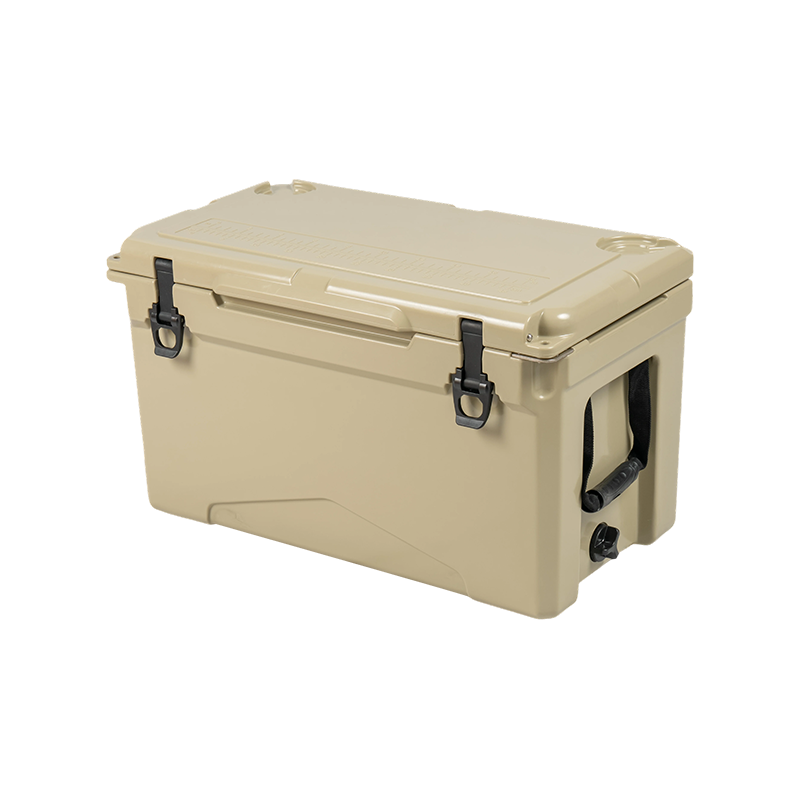
The 40QT NL-40 has an interior of about 51.8 × 26.3 × 29.9 cm and is well sized for weekend camping and family outdoor use for roughly 2–4 people. It carries more food and drinks than a personal 30QT-...
See Details -
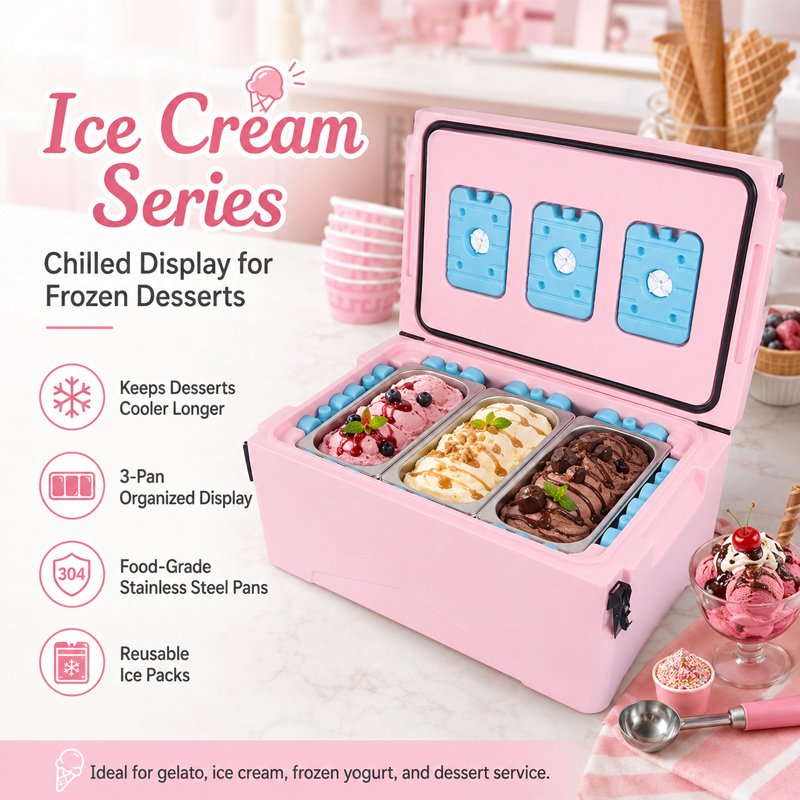
This mobile insulated ice cream display cooler is fitted with three stainless-steel pans, each approximately 6.6L / 7QT, in an overall body of about 69.5 × 44.5 × 32 cm. The separate pans allow differ...
See Details -
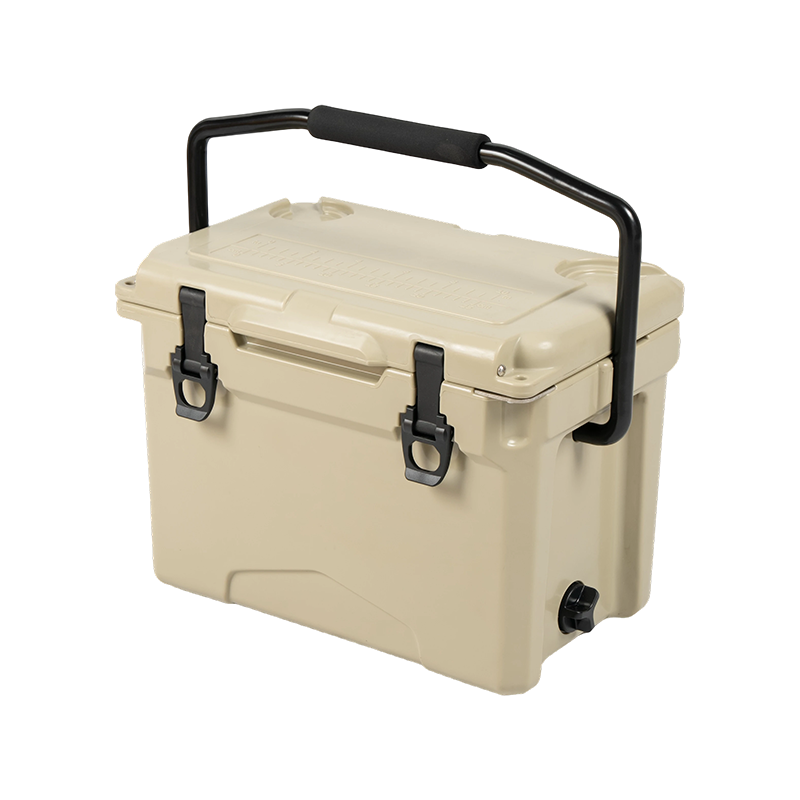
The 18QT NL-18 has an interior of about 35.3 × 21.7 × 25.8 cm, giving it noticeably more room than a personal lunch cooler without moving into bulky territory. It can carry ice, drinks and food for a ...
See Details -
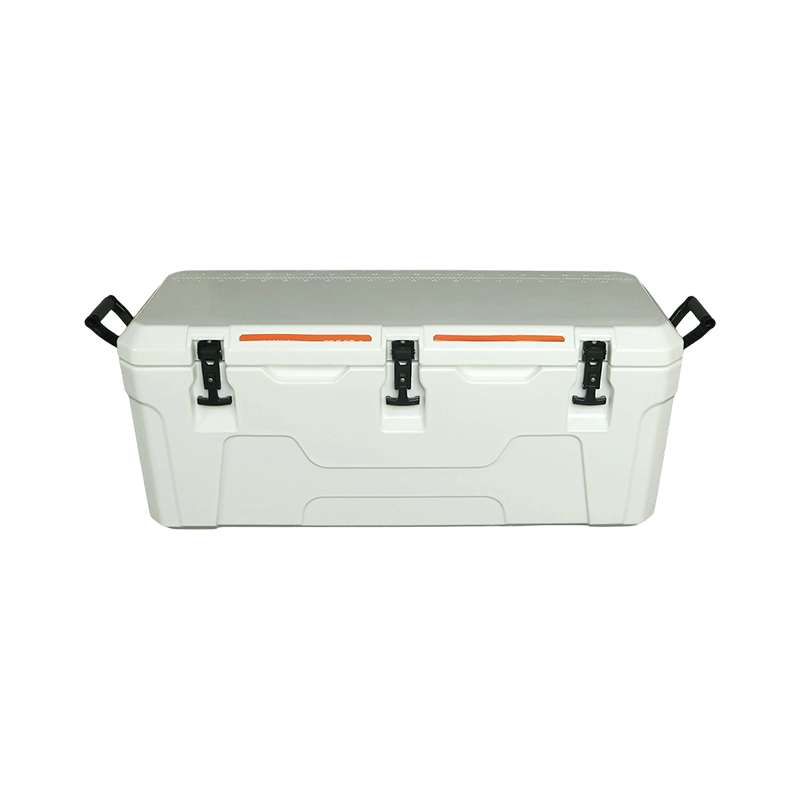
The 140QT NL-140 has an interior of about 105 × 32 × 38 cm, and its more-than-one-meter usable length is the key advantage of this model. It is better suited to larger fish, longer catch and supplies ...
See Details -
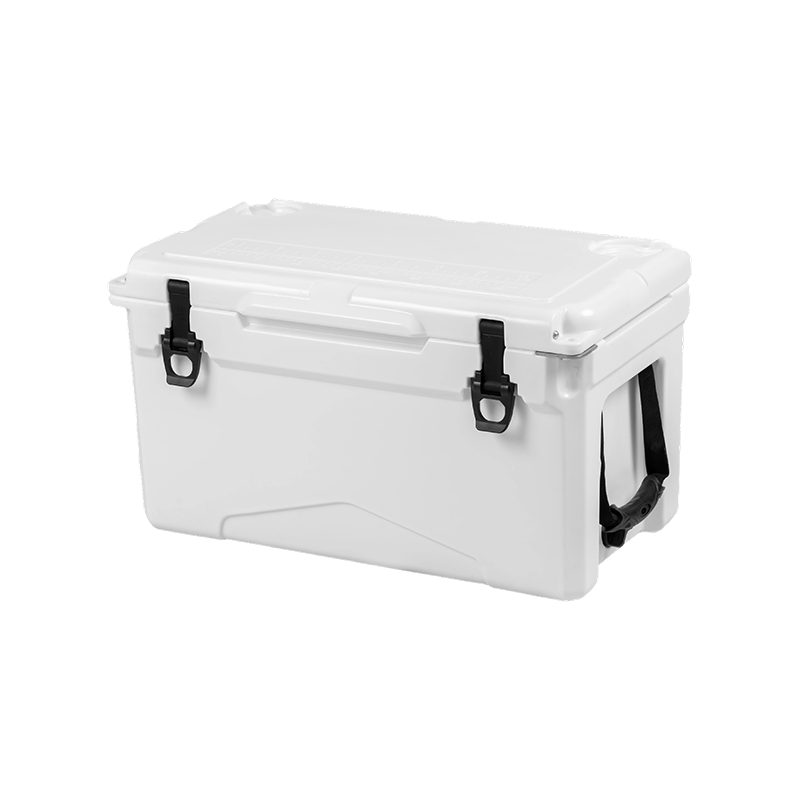
The 30QT NL-30 stands out for its elongated body, with an interior of about 46.2 × 23.6 × 26.1 cm. At this capacity, the extra usable length is particularly helpful for fish, long bottles and elongate...
See Details
Related News
-
Why Choose a Rotomolded Cooler? Rotomolded Coolers: A Brief Introduction The Pinnacle of Portable Cooling Technology The modern era of outdoor recreation and de...
See Details -
Introduction to Insulated Fish Tubs When you're out on the water, whether it's a deep-sea fishing trip or a relaxing day at the lake, the freshness of your catc...
See Details -
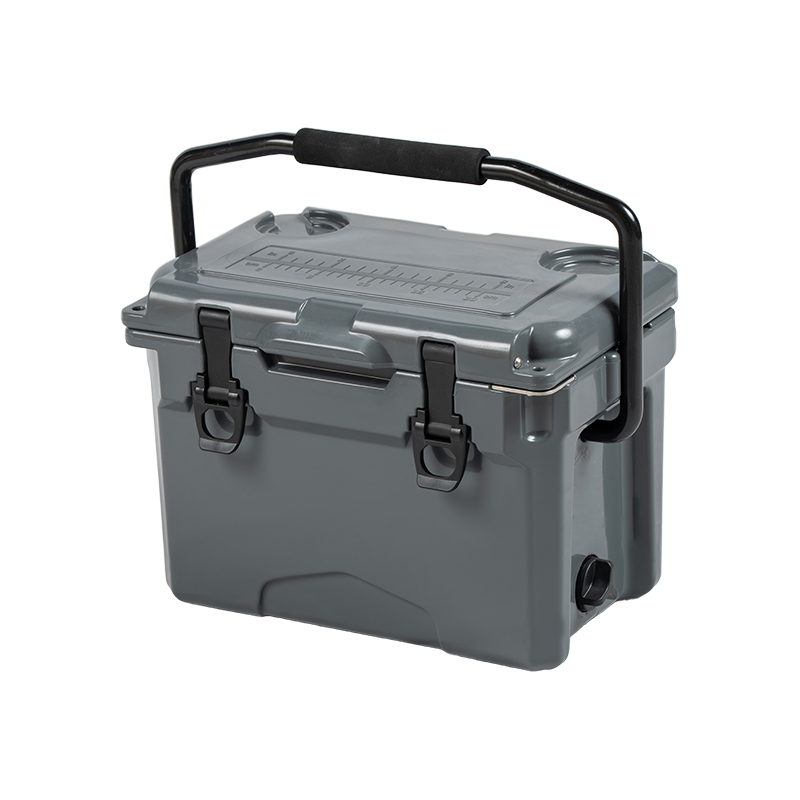
1. Insulation Quality in Outdoor Cooler Boxes When choosing an outdoor cooler box, one of the most critical factors to consider is insulation quality. The insul...
See Details -
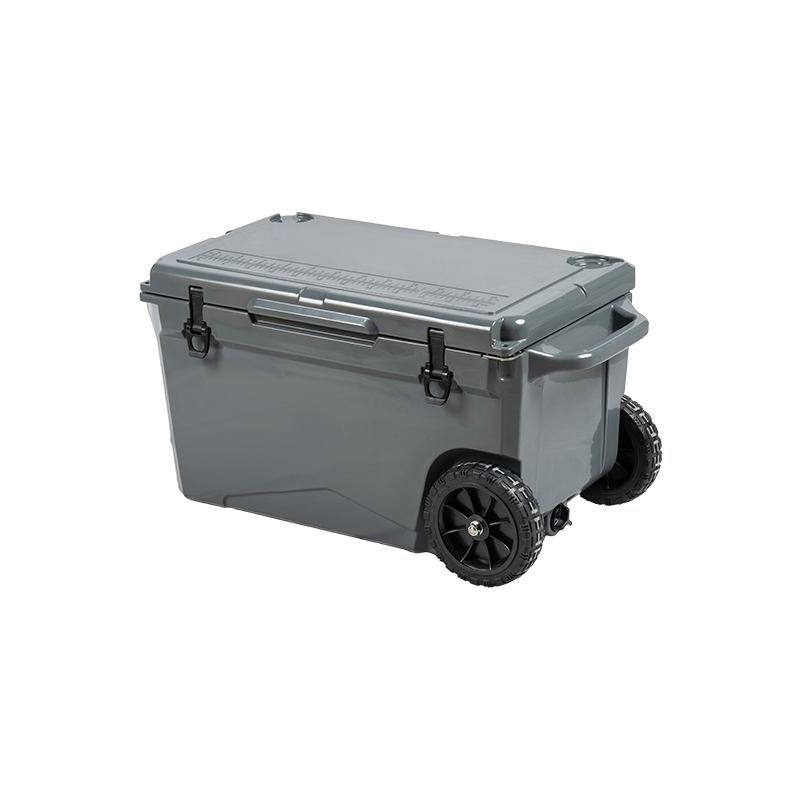
The Unmatched Advantage of ROTOMOLDING COOLER BOX Defining the Premium Standard: What exactly is a ROTOMOLDING COOLER BOX? The ROTOMOLDING COOLER BOX is not mer...
See Details
Be the First to Know
For exclusive deals and the latest offers, sign up by entering your email address below.


Contact Info
 No. 6, Guantong Road, South Zone, Xiaocaoe Town Industrial Park, Ningbo, Zhejiang, China
 +86 13736107260
  [email protected]
 Qr Code



Copyright © Ningbo Nelgreen Outdoor Products Co., Ltd. All Rights
Reserved
 OEM/ODM Seafood Insulated Boxes Manufacturers