 EN
EN
 English
  русский
  Español
  Deutsch
  عربى
عربى 
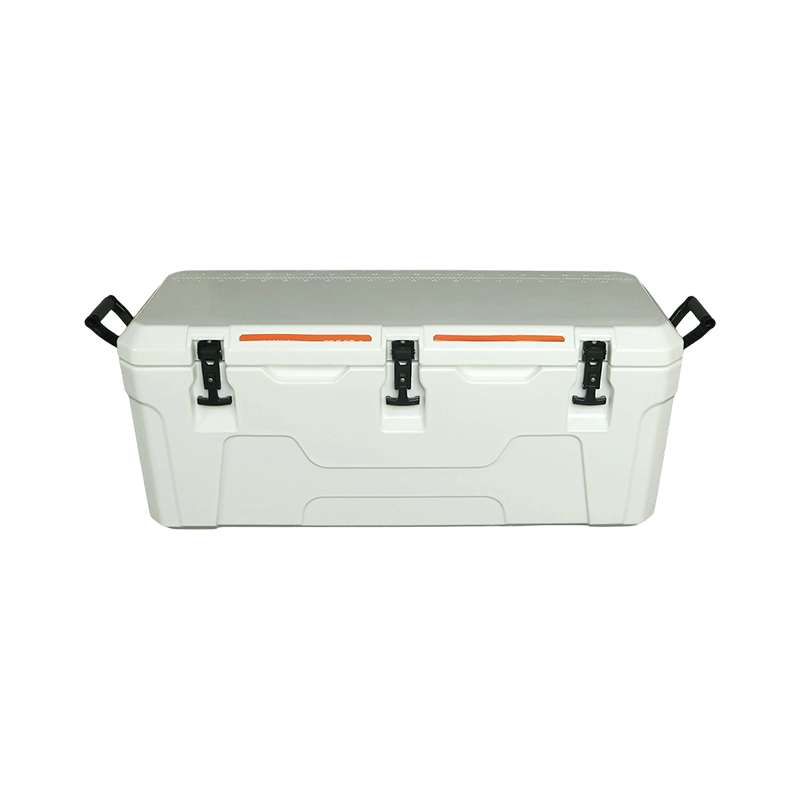
The 140QT NL-140 has an interior of about 105 × 32 × 38 cm, and its more-than-one-meter usable length is the key advantage of this model. It is better suited to larger fish, longer catch and supplies ...
See Details
Rotomolding vs. Injection Mold Cooler Box: Which Outdoor Cooler Box Is Right for You?
2026-03-12
If you are choosing an outdoor cooler box, the single most important manufacturing decision behind the product is whether it was made through rotomolding or injection molding. These two production methods produce cooler boxes that look similar on the outside but perform very differently in the field. Rotomolding cooler boxes deliver superior insulation, durability, and ice retention, while injection mold cooler boxes offer lighter weight, more consistent aesthetics, and a lower price point. Understanding what separates them helps you invest in the right product for your specific outdoor use case.
What Makes an Outdoor Cooler Box Worth Buying
An outdoor cooler box is only as good as its ability to keep contents cold under real conditions. A cooler sitting in direct sunlight on a summer beach, loaded into a pickup truck bed, or dragged across rocky terrain faces stresses that a kitchen refrigerator never will. The quality of the shell material, the thickness and type of insulation, the seal integrity of the lid, and the structural resistance to physical impact all determine whether a cooler box performs or disappoints.
The manufacturing method is not just a production detail. It directly controls wall thickness uniformity, insulation foam density, structural integrity at corners and stress points, and the overall lifespan of the product. A cooler box that fails at a hinge, cracks at a corner, or loses its seal after one season is not a bargain at any price. With outdoor cooler boxes now ranging from under $30 to well over $400, understanding what drives those differences is essential for making a purchase you will not regret.
Core Performance Metrics to Evaluate
- Ice retention: How many days does the cooler maintain temperatures below 4 degrees Celsius under normal outdoor conditions
- Wall and lid insulation thickness: Thicker polyurethane foam directly extends ice life
- Gasket and seal quality: A pressure fit or rubber gasket lid seal prevents warm air infiltration
- Structural impact resistance: Relevant for camping, off road transport, and marine use
- UV resistance: Outdoor exposure without fading or shell degradation over multiple seasons
- Weight and portability: Relevant when the cooler must be carried over distance rather than loaded from a vehicle
How Rotomolding Cooler Boxes Are Made and Why It Matters
Rotational molding, commonly called rotomolding, is a manufacturing process where powdered polyethylene resin is placed inside a hollow mold. The mold is then heated and rotated simultaneously on two axes, causing the melting plastic to coat the interior surface evenly. Once cooled, the result is a single piece shell with no seams, no weld lines, and no structural weak points. The insulation foam is then injected into the cavity between the inner and outer shell walls and allowed to expand and cure under pressure.
This process takes considerably longer per unit than injection molding, which is why rotomolding cooler boxes cost more. However, the structural outcome is fundamentally different. The seamless one piece construction means stress is distributed evenly across the entire shell, rather than concentrating at joints or seams. Professional guides, fishing charter operators, and overlanding enthusiasts who depend on cooler performance in remote locations consistently choose rotomolding cooler boxes for this reason.
Key Structural Advantages of Rotomolding
- Seamless shell construction: No joints means no points of structural failure under repeated impact or heavy loads
- Consistent wall thickness: Rotomolding produces walls of uniform thickness throughout, including at corners where injection molds often thin out
- High density polyurethane foam: Because the foam is injected after the shell is formed, it fills every cavity completely, producing insulation with minimal voids
- Bear resistant certification potential: Many rotomolded cooler boxes meet or exceed standards set by the Interagency Grizzly Bear Committee, a certification that requires extreme structural resistance
- Extended ice retention: Premium rotomolding cooler boxes routinely achieve 5 to 10 days of ice retention under standard testing conditions
Typical Applications for Rotomolding Cooler Boxes
Rotomolding cooler boxes are the preferred choice wherever the cooler will face extended use, physical punishment, or performance critical situations. Common use cases include:
- Deep sea and offshore fishing trips lasting multiple days
- Overlanding and off road expedition camping
- Commercial food and beverage transport where cold chain integrity is required
- Hunting trips in remote areas without resupply options
- Boat storage in marine environments with salt spray exposure
- Professional outdoor guide services requiring reliable equipment across entire seasons
How Injection Mold Cooler Boxes Are Made and Where They Excel
Injection molding is a high speed manufacturing process where molten plastic is injected under pressure into a precisely machined metal mold. The plastic fills the mold cavity in seconds and solidifies rapidly. For cooler boxes, the inner and outer shells are produced as separate components and then assembled, with insulation foam injected or poured into the space between them during assembly.
Injection molding produces parts with extremely consistent dimensions, sharp surface detail, and uniform appearance across large production runs. This is why injection mold cooler boxes dominate the retail market at mid range and entry level price points. The process is significantly faster than rotomolding, which lowers unit costs and allows for greater design flexibility including complex surface textures, integrated logos, and multi color combinations.
Where Injection Mold Cooler Boxes Have a Genuine Advantage
- Lower cost per unit: Faster cycle times and higher production volumes make injection molded coolers significantly more affordable
- Lighter weight: Thinner shell walls and lower density materials make injection mold cooler boxes easier to carry when partially or fully loaded
- Design precision: Sharp, detailed surface features including textured grip zones, branded embossing, and integrated component mounts
- Color consistency: Pigment is mixed directly into the resin, producing consistent color across entire production batches
- Adequate performance for casual use: For day trips, backyard gatherings, and light camping, a quality injection mold cooler box delivers 1 to 3 days of ice retention, which is sufficient for most recreational needs
Limitations to Understand Before Buying
Injection mold cooler boxes have structural characteristics that limit performance in demanding situations. The assembly seam between inner and outer shells can become a point of weakness over time, particularly under repeated thermal cycling where materials expand and contract. Corner areas where plastic flow converges during injection are often thinner than the rest of the shell, making them more susceptible to cracking under impact. For moderate outdoor use these limitations are rarely encountered, but they become relevant factors in any high intensity application.
Side by Side Comparison: Rotomolding vs Injection Mold Cooler Box
| Category | Rotomolding Cooler Box | Injection Mold Cooler Box |
|---|---|---|
| Shell Construction | Single piece seamless | Multi piece assembled |
| Wall Thickness Uniformity | Highly uniform throughout | Variable, thinner at corners |
| Ice Retention | 5 to 10 days typical | 1 to 3 days typical |
| Impact Resistance | Excellent | Moderate |
| Weight (empty) | Heavier | Lighter |
| Price Range | High ($150 to $500+) | Budget to mid ($25 to $150) |
| UV and Weather Resistance | Excellent | Good to moderate |
| Design Flexibility | Limited surface detail | High precision detail possible |
| Production Speed | Slow (longer cycle time) | Fast (high volume output) |
| Best Use Case | Professional and expedition use | Recreational and everyday use |
Insulation Technology Inside the Cooler Box Shell
Regardless of whether a cooler box is rotomolded or injection molded, the insulation material inside the walls is the primary driver of thermal performance. Most quality outdoor cooler boxes use polyurethane foam (PU foam) as their core insulating material. However, the way this foam is applied and its final density differ significantly between the two manufacturing methods.
Polyurethane Foam in Rotomolded Coolers
In rotomolding cooler boxes, PU foam is injected into the cavity between the formed shell walls and allowed to expand freely under controlled conditions. Because the cavity is already sealed and shaped before foam injection, the foam fills the entire space with minimal voids. High end rotomolding cooler boxes use foam with a density of 40 to 50 kg per cubic meter, compared to the 25 to 30 kg per cubic meter more typical of budget coolers. Higher density foam has a lower thermal conductivity value, meaning less heat transfers through the walls per unit of time.
Polyurethane Foam in Injection Molded Coolers
Injection mold cooler boxes also use PU foam, but because the shells are assembled from separate pieces, the foam is typically poured or injected through access ports after assembly. This process is harder to control for void formation, particularly around structural ribs and internal features. The result is functional insulation adequate for short term use, but with less consistent performance across the full shell surface compared to rotomolded alternatives.
Insulation Thickness as a Practical Guide
When comparing cooler boxes across both manufacturing types, wall insulation thickness is a reliable proxy for performance. As a practical benchmark:
- 25mm to 38mm of foam insulation: Typical of quality injection mold cooler boxes, suitable for 1 to 2 day use
- 50mm to 65mm of foam insulation: Found in mid to high grade rotomolding cooler boxes, capable of 3 to 5 day performance
- 75mm or more of foam insulation: Achieved in premium rotomolded products, supporting 7 to 10 day ice retention in real world conditions
Features That Separate a Good Outdoor Cooler Box From a Great One
Beyond the manufacturing method and insulation, several additional features determine how well an outdoor cooler box performs across a season of use. These details are often overlooked at the point of purchase but become significant over time.
Lid Seal and Gasket System
The lid is the most thermally vulnerable point of any cooler box because it is opened repeatedly throughout the day. A high quality outdoor cooler box uses a continuous rubber gasket that compresses uniformly around the full perimeter of the lid when closed. This eliminates air gaps that allow warm ambient air to enter and cold air to escape. Some premium rotomolding cooler boxes include freezer style lid latches that apply active clamping pressure to the gasket, further improving the seal.
Drain System Design
A drain plug positioned at the lowest point of the cooler interior allows melt water to be released without tilting or lifting the cooler. The best designs use a threaded drain plug with a rubber o ring seal that prevents leakage when closed. Some rotomolding cooler boxes feature an integrated hose connector on the drain, allowing water to be directed away from the campsite or boat deck without manual removal of the plug.
Handle and Carry System
Rubber over molded handles on a rigid plastic body are significantly more comfortable and durable than simple polypropylene handles. For larger cooler boxes in the 45 to 100 liter range, integrated side handles with a separate carry handle rope or strap system distribute weight more effectively across two people. This is a practical necessity when the cooler is fully loaded, as a 75 liter cooler packed with food, beverages, and ice can easily weigh 50 kilograms or more.
Non Slip Feet and Locking Compatibility
Rubber feet prevent the cooler from sliding during vehicle transport, on wet boat decks, or on sloped surfaces at camp. Many rotomolding cooler boxes also include built in tie down slots compatible with standard ratchet straps, and padlock hasps on the lid latches for secure storage in remote locations or shared use environments.
Choosing the Right Size for Your Outdoor Activities
Capacity is one of the first decisions to make when selecting an outdoor cooler box, and the right size depends directly on the number of people, the duration of the trip, and whether beverages or food storage is the priority.
- 20 to 35 liters: Suitable for 1 to 2 people on a day trip or overnight camp. Lightweight and easy to carry solo.
- 35 to 55 liters: The most popular range for families and groups of 3 to 5 people. Handles a weekend trip comfortably with efficient packing.
- 55 to 75 liters: Ideal for extended camping trips, fishing expeditions, or groups requiring more than 3 days of cold food storage.
- 75 liters and above: Commercial and expedition grade coolers for professional guides, catering operations, or base camp provisioning lasting a week or more.
A practical tip: approximately 30% of cooler capacity should be allocated to ice or ice packs to achieve rated performance. A 60 liter cooler therefore provides roughly 42 liters of usable storage when properly iced. Pre chilling the cooler with ice or a bag of ice for 30 minutes before packing significantly reduces the initial thermal load and extends ice life.
How to Get the Most Performance from Any Outdoor Cooler Box
Even the best rotomolding cooler box underperforms when used incorrectly. The following practices apply to both rotomolded and injection mold cooler boxes and can meaningfully extend ice life:
- Pre chill the cooler: Load a sacrificial bag of ice into the empty cooler at least one hour before packing. This removes the thermal mass of the warm plastic and foam, so your actual ice does not have to do this work.
- Pack in layers: Place heavier items and block ice at the bottom. Layer food and beverages on top with crushed ice filling gaps. Block ice lasts significantly longer than cubed ice.
- Minimize lid openings: Every lid opening introduces warm ambient air. Use a separate smaller cooler for drinks that are accessed frequently, reserving the main cooler for food that is opened less often.
- Keep the cooler in shade: Direct sun exposure can raise the external surface temperature of a cooler box by 20 to 30 degrees Celsius, dramatically increasing the rate of heat transfer through the walls regardless of insulation quality.
- Do not drain melt water prematurely: Cold water is an effective insulating medium. Retaining melt water around ice helps slow further melting. Only drain when the water level threatens to submerge food items.
- Use ice packs alongside block ice: Reusable ice packs supplement block ice without adding melt water. Gel based packs rated for minus 18 degrees Celsius extend the cold window in the final phase of a trip when natural ice is nearly depleted.
Making the Right Choice Between Rotomolding and Injection Mold
The decision between a rotomolding cooler box and an injection mold cooler box is ultimately a question of matching the product to the actual demand placed on it. Paying a premium for a rotomolded cooler when your use case is a Saturday afternoon at the beach is poor value. Choosing a budget injection mold cooler for a week long backcountry fishing trip is setting yourself up for failure.
A straightforward framework for the decision:
- If you need cold retention beyond 3 days, face rough handling, or operate in professional outdoor contexts, a rotomolding cooler box is the appropriate investment
- If your trips are 1 to 2 days, your cooler travels gently, and budget is a primary consideration, a quality injection mold cooler box delivers excellent value
- For mixed use across both casual and demanding trips, a mid grade rotomolding cooler in the 35 to 55 liter range offers the best balance of performance and cost over a multi year ownership period
Source High Performance Outdoor Cooler Boxes from an Experienced Manufacturer
For retailers, distributors, and brands looking to source outdoor cooler boxes at scale, the manufacturing partner you choose determines the quality, consistency, and performance of every unit that reaches your customers. Working directly with a factory that operates both rotomolding and injection molding production lines gives you the flexibility to match the manufacturing method to your target market and price point without sacrificing product integrity.
Whether your range calls for premium rotomolding cooler boxes built for serious outdoor professionals, or competitively priced injection mold cooler boxes designed for the recreational consumer market, sourcing from a manufacturer with demonstrated expertise in both processes ensures you receive products that perform as specified and represent your brand reliably in the field.
If you are evaluating outdoor cooler box suppliers for OEM or private label production, consider requesting performance test data including ice retention benchmarks, wall thickness measurements, and material certifications alongside product samples. These data points separate manufacturers who understand cooler performance from those who simply produce to an external appearance specification.
Reach out today to discuss your outdoor cooler box sourcing requirements, request samples, or explore custom design and branding options tailored to your target market.
Our R&D team has over 15 years of rich experience in the field of rotational molding products and has applied for 6 product patents. The number of factory employees has exceeded 100. Strict management and quality control have enabled us to take the leading position in the industry. In addition, the experienced sales team can provide customers with a variety of solutions and high-quality services.
Related products
-
-
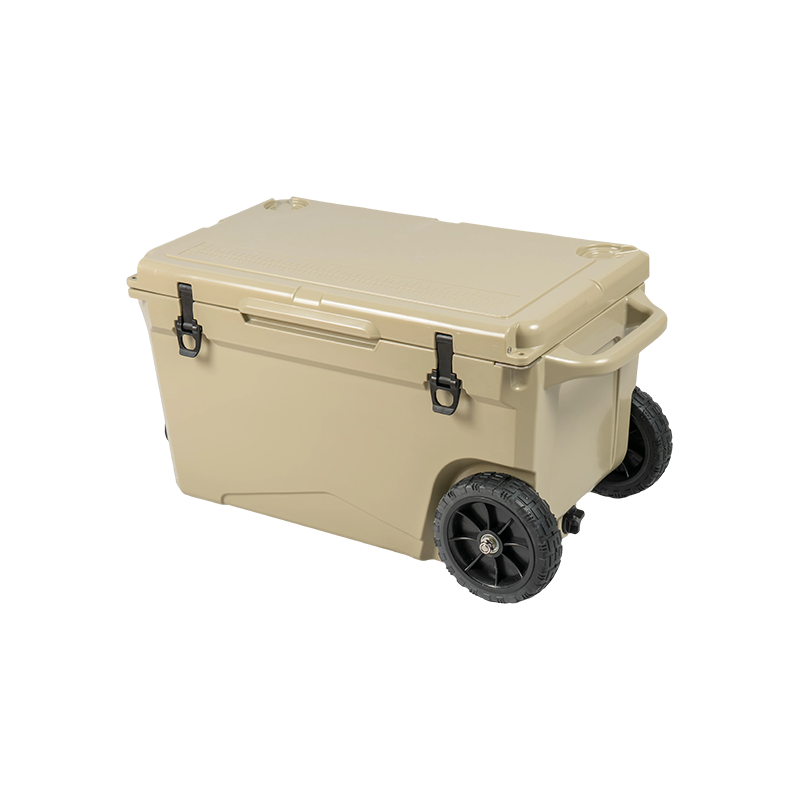
The 75QT NL-75 is a large wheeled model with an interior of about 66.2 × 34.1 × 35.8 cm. It is suited to offshore fishing, boating, family barbecues and group events where more ice, drinks, food or ca...
See Details -
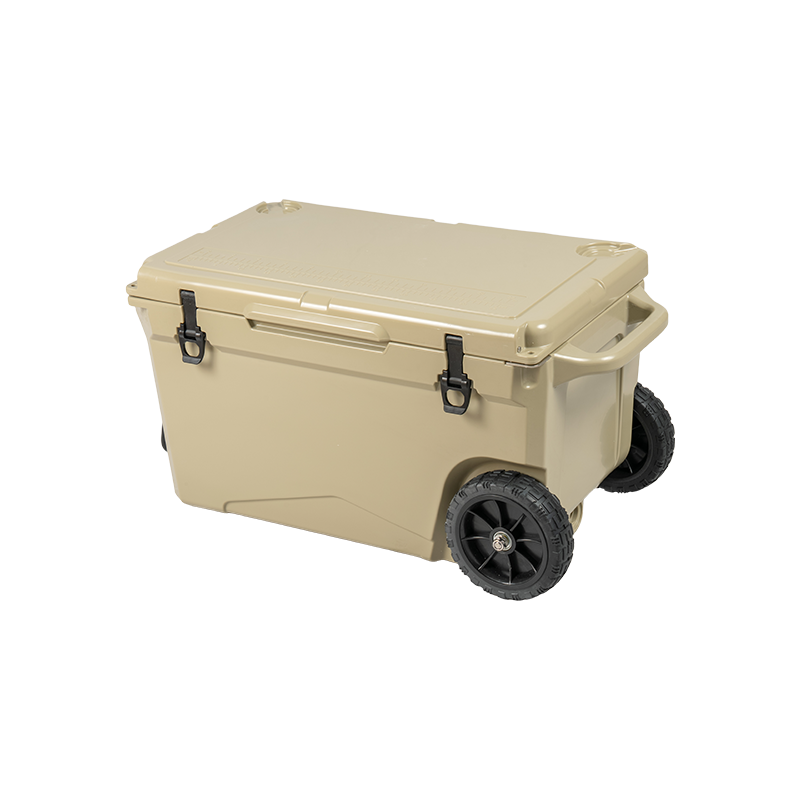
The 60QT NL-60 is defined not only by its larger capacity but also by its wheels. With an interior of about 62.7 × 32.5 × 32.8 cm, a full load of ice, drinks and food can become heavy, so the wheeled ...
See Details -
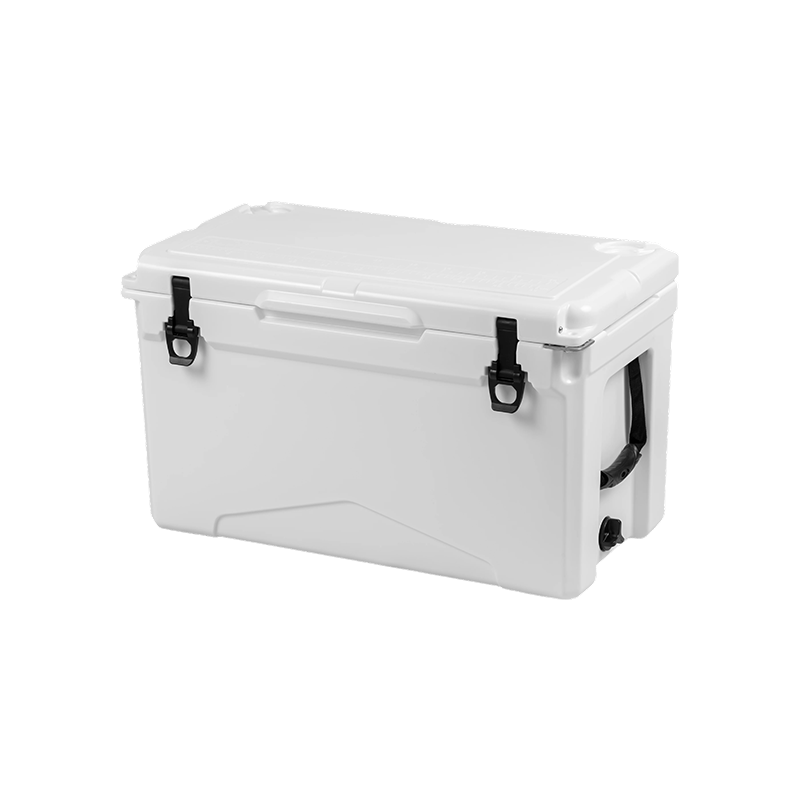
The 50QT NL-50 has an interior of about 55.1 × 27.8 × 32.5 cm and a long-body format that naturally suits marine and boat use. Longer fish, bottled drinks and rows of food packs can be arranged more e...
See Details -
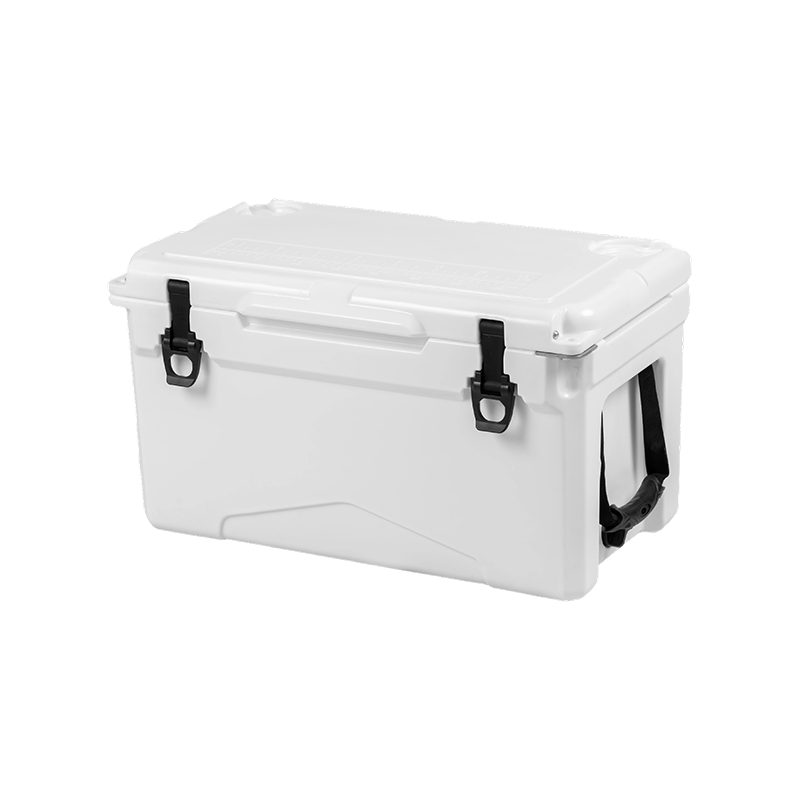
The 28QT NL-28 is noticeably taller than a conventional low-profile cooler. Its interior measures about 44.5 × 22 × 38 cm, giving extra vertical room for upright bottles and taller food containers. Th...
See Details -
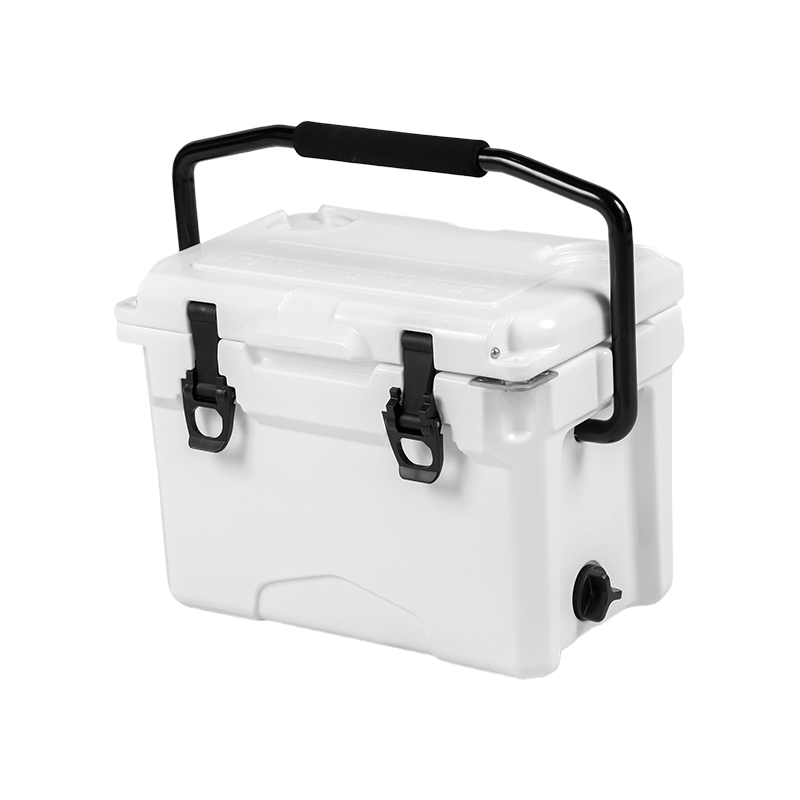
The 30QT NL-30 stands out for its elongated body, with an interior of about 46.2 × 23.6 × 26.1 cm. At this capacity, the extra usable length is particularly helpful for fish, long bottles and elongate...
See Details
Related News
-
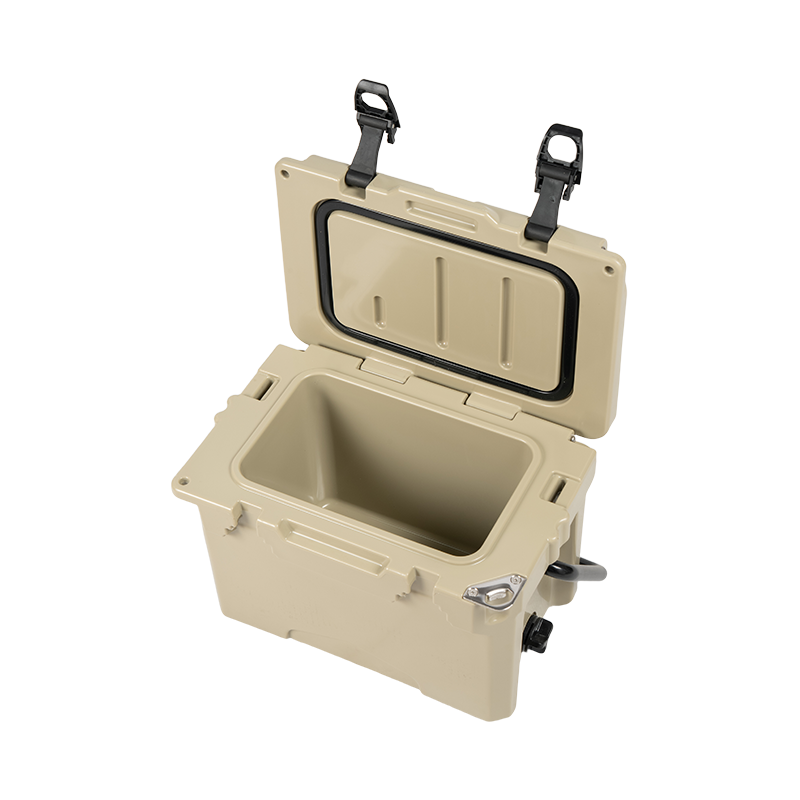
Why Choose a Rotomolded Cooler? Rotomolded Coolers: A Brief Introduction The Pinnacle of Portable Cooling Technology The modern era of outdoor recreation and de...
See Details -
Introduction to Insulated Fish Tubs When you're out on the water, whether it's a deep-sea fishing trip or a relaxing day at the lake, the freshness of your catc...
See Details -
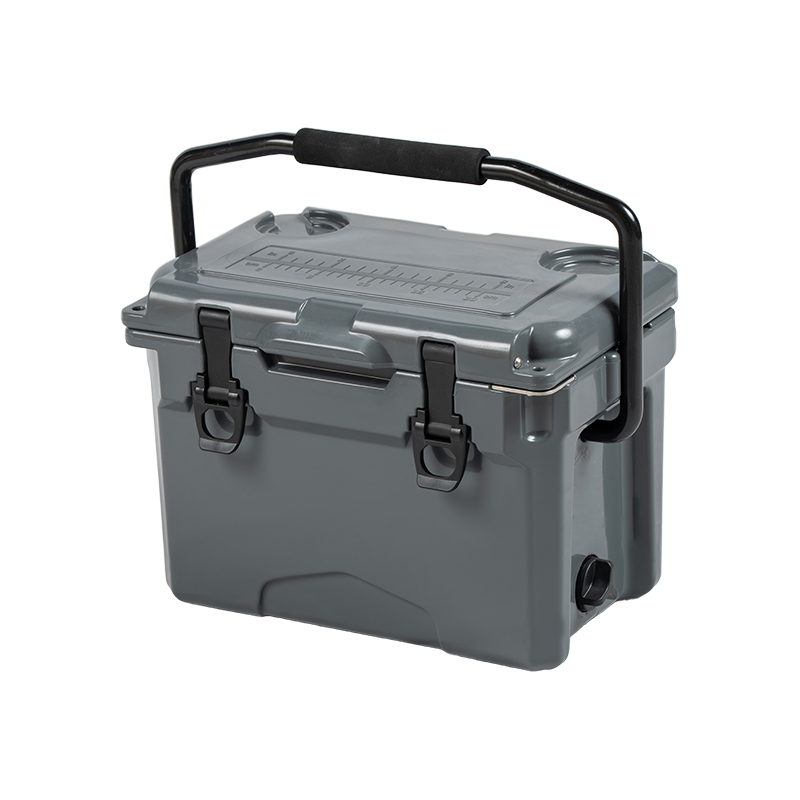
1. Insulation Quality in Outdoor Cooler Boxes When choosing an outdoor cooler box, one of the most critical factors to consider is insulation quality. The insul...
See Details -
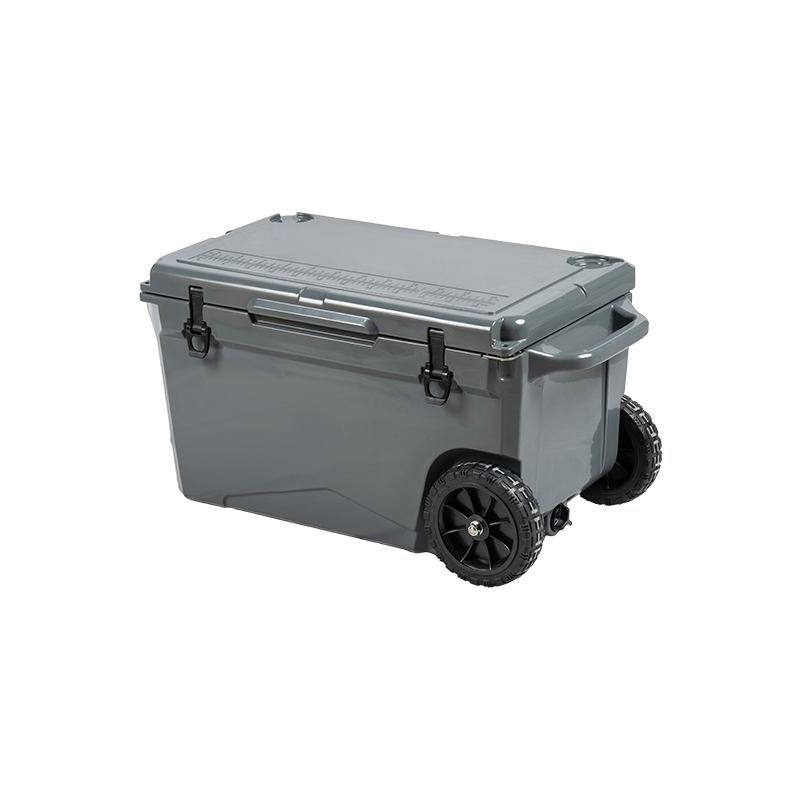
The Unmatched Advantage of ROTOMOLDING COOLER BOX Defining the Premium Standard: What exactly is a ROTOMOLDING COOLER BOX? The ROTOMOLDING COOLER BOX is not mer...
See Details
Be the First to Know
For exclusive deals and the latest offers, sign up by entering your email address below.


Contact Info
 No. 6, Guantong Road, South Zone, Xiaocaoe Town Industrial Park, Ningbo, Zhejiang, China
 +86 13736107260
  [email protected]
 Qr Code



Copyright © Ningbo Nelgreen Outdoor Products Co., Ltd. All Rights
Reserved
 OEM/ODM Seafood Insulated Boxes Manufacturers