 EN
EN
 English
  русский
  Español
  Deutsch
  عربى
عربى 
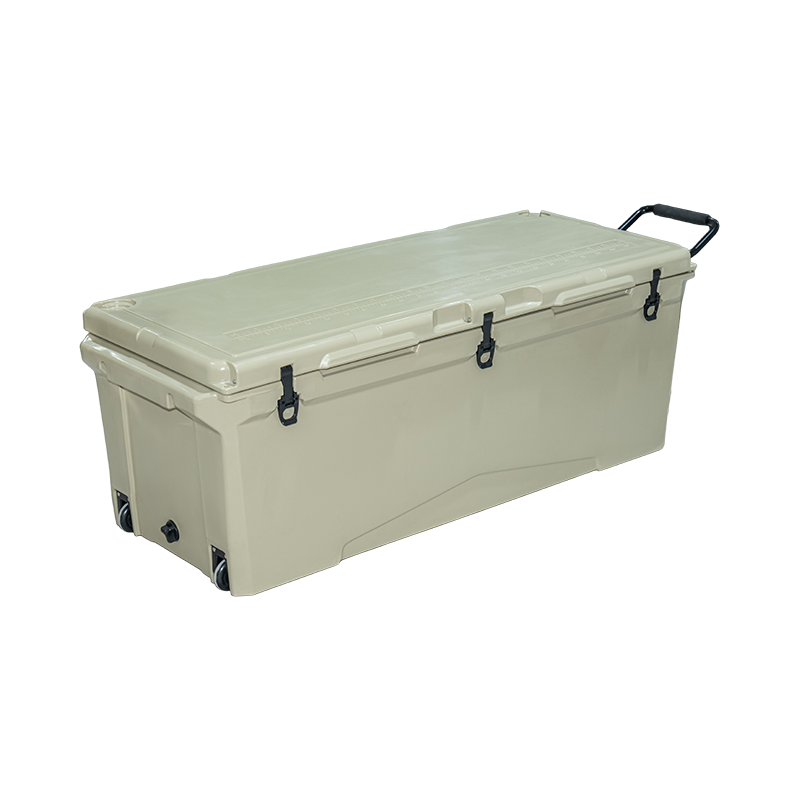
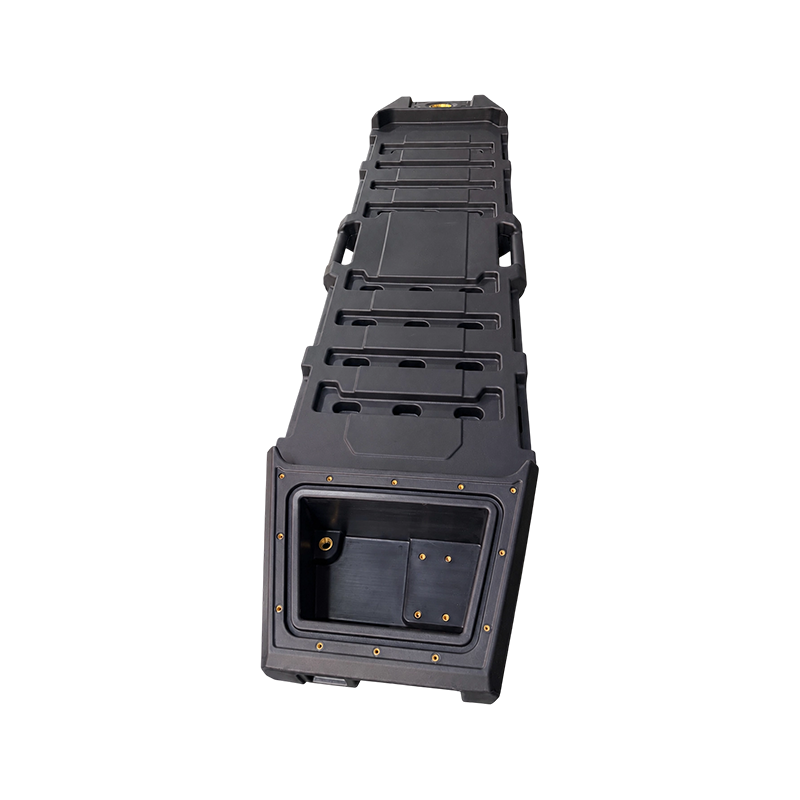
The 240QT NL-240 has an interior of about 124 × 43.5 × 40 cm and is one of the largest marine coolers in the range. It is intended for centralized storage of large catch and team supplies, reducing th...
See Details
How to insulate an outdoor fish tank?
2026-03-05
An Insulated Fish Tank serves as a specialized vessel designed to mitigate the extreme temperature fluctuations caused by seasonal changes, direct sunlight, and freezing nights. Whether you are managing a commercial shrimp farm or a private garden koi pond, understanding the mechanics of thermal resistance is essential. This comprehensive guide explores the professional strategies for insulating outdoor tanks, focusing on four critical pillars: material engineering, structural integrity, external barrier systems, and active thermal management in extreme climates.
How to Select High-Performance Materials and Structural Designs for an Insulated Fish Tank?
When determining how to insulate an outdoor fish tank, the first and most critical consideration is the inherent thermal resistance of the vessel itself. A high-quality Insulated Fish Tank is not merely a plastic container; it is a multi-layered thermal system. Modern industrial standards favor the use of food-grade Linear Low-Density Polyethylene (LLDPE) combined with a high-density polyurethane (PU) foam core. LLDPE is chosen for its exceptional balance of flexibility, strength, and UV resistance, which is vital for preventing the sun from degrading the material over decades of outdoor exposure.
The most effective Insulated Fish Tank is manufactured using a double-wall rotomolding process. In this method, a seamless hollow shell is created, and high-density closed-cell PU foam is injected under high pressure into the cavity. This foam is a superior insulator because its microscopic cell structure traps air, providing a high R-value (thermal resistance). Because the rotomolding process is seamless, it eliminates "thermal bridging"—the phenomenon where heat rapidly escapes through joints, welds, or thin spots. This one-piece construction also ensures that the tank is leak-proof and crack-resistant, even when the internal water freezes and expands. A wall thickness of 40mm to 80mm in a composite Insulated Fish Tank can provide enough thermal inertia to maintain stable water temperatures for several days, even if external energy sources fail.
|
Feature Category |
Technical Attribute |
Practical Benefit |
|
Outer Material |
UV-Stabilized Food-Grade LLDPE |
Resists sun damage and ensures non-toxic water |
|
Core Insulation |
High-Density Closed-Cell PU Foam |
Maximum heat retention and zero water ingress |
|
Manufacturing |
One-Piece Rotomolding |
Seamless, leak-proof, and crack-resistant |
|
Temperature Range |
-40°C to +60°C |
Suitable for arctic winters and tropical summers |
|
Wall Thickness |
40mm to 80mm (Composite) |
Superior structural strength for high water volume |
|
Surface Finish |
Non-Porous and Smooth |
Resists algae buildup and is easy to sanitize |
How to Implement External Barriers and Earth-Sheltering Techniques for Maximum Insulation?
For outdoor fish tanks already in place or those consisting of single-walled units, establishing an external thermal envelope is the primary solution to enhance thermal performance. By creating a secondary protective layer around an Insulated Fish Tank, you can significantly reduce heat exchange through the use of air gaps and specialized insulation materials:
Earth Sheltering: One of the most effective and time-tested methods is burying the tank partially or fully in the ground to utilize the earth’s natural thermal mass. Because soil acts as a massive thermal battery and is a poor conductor of heat, ground temperatures at a depth of a few feet remain relatively constant year-round regardless of surface air spikes. This setup transforms a standard vessel into a highly efficient Insulated Fish Tank that stays naturally cool during scorching summers and retains residual warmth in the winter, often eliminating the need for high-wattage, energy-intensive heaters.
Reflective Foil Barriers: If burial is not feasible due to space or structural constraints, wrapping the tank in heavy-duty radiant barrier foil is the next logical step. This specialized material is engineered to reflect up to 97% of radiant heat from direct sunlight. In tropical or high-altitude regions, this reflective layer is essential for preventing the water from reaching lethal temperatures during peak daylight hours, effectively mirroring the cooling effects of a professional Insulated Fish Tank.
Rigid Foam Jackets: For robust winter protection, installing a perimeter of at least 2 inches of Expanded Polystyrene (EPS) or Extruded Polystyrene (XPS) boards provides a rigid thermal jacket. These boards offer high compressive strength and excellent moisture resistance. To prevent weather-related degradation and UV damage, these foam layers should be shielded by external cladding, such as treated wood, stone veneer, or UV-resistant vinyl. This multi-layered approach mimics the built-in insulation of a factory-produced Insulated Fish Tank.
Insulated Lidding and Evaporation Control: Addressing the top of the Insulated Fish Tank is a mandatory requirement for thermal stability, as over 70% of total heat loss occurs through surface evaporation and direct contact with moving air. A professional-grade, foam-filled insulated lid equipped with a heavy-duty gasket seal is required to "close the thermal loop." This ensures that thermal energy remains trapped within the water column, preventing the "chimney effect" where heat escapes rapidly from an open or poorly fitted top.
How to Manage Water Circulation and Surface Dynamics within an Insulated Fish Tank?
A common mistake when learning how to insulate an outdoor fish tank is focusing solely on the walls and neglecting the dynamics of the water itself. In an Insulated Fish Tank, water circulation plays a double-edged role. While movement is necessary for oxygenation and filtration, excessive surface agitation (such as from large waterfalls or air stones) increases the contact area between the water and the cold air, accelerating heat loss through "evaporative cooling." To maintain the efficiency of an Insulated Fish Tank, circulation should be steady but submerged.
The built-in high-density polyurethane insulation layer in industrial models like the refrigerated seafood industrial insulated fish tub provides exceptional refrigeration performance. By utilizing "freshness locking technology," these tanks can ensure 3-5 days of heat preservation simply by refilling ice. This efficiency is maximized when the water circulation is optimized to prevent thermal stratification. Submerged heaters should be strategically placed near the pump intake. This ensures that the warmed water is distributed evenly throughout the Insulated Fish Tank, preventing "cold spots." High-capacity models benefit from their large thermal mass; a larger volume of water takes significantly longer to change temperature, acting as a stabilizer. By optimizing the pump speed and using submerged aeration, the thermal properties of the Insulated Fish Tank are maximized, locking in the freshness of the water and significantly reducing energy waste.
How to Handle Extreme Sub-Zero Climates and Active Thermal Management in an Insulated Fish Tank?
In regions where winter temperatures drop below -20°C for extended periods, even the highest-quality passive insulation requires a strategic "hybrid approach" to active thermal management. By combining the natural thermal resistance of the vessel with electronic temperature control and environmental shielding, you can maintain a high-performance aquatic environment:
Hybrid Thermal Defense: The high-density PU foam walls of the Insulated Fish Tank act as the primary defense mechanism, while a submerged heater provides the active "offense." Because the tank is so efficient at trapping heat and minimizing environmental leakage, the heater operates only at short intervals to top up the temperature. This drastically reduces overall energy consumption and operational costs compared to non-insulated or single-walled setups, where heaters must run continuously just to prevent freezing.
Environmental Shielding: To combat the "Wind Chill" effect which can strip heat from the water surface up to five times faster than still air operators should construct windbreaks or small insulated sheds. This creates a micro-climate of stagnant air around the Insulated Fish Tank, serving as a natural secondary insulator. Reducing the velocity of cold air hitting the tank walls or the water surface ensures that the thermal inertia of the water remains as high as possible throughout the winter season.
Material Integrity in Extreme Cold: Utilizing food-grade LLDPE is critical, as many standard plastics become brittle and can develop stress fractures or leach harmful chemicals when exposed to extreme sub-zero temperatures. A professional-grade Insulated Fish Tank remains structurally flexible and non-toxic even at -40°C. This ensures that the water chemistry remains stable and that the physical vessel does not fail during month-long freezes, providing a consistent environment for sensitive livestock.
Structural Durability and Ice Management: Advanced rotomolding techniques provide the crack resistance and structural memory necessary to withstand the intense pressure of partial ice expansion. This durability ensures that the Insulated Fish Tank remains a sustainable, high-performance solution. By preventing micro-cracks in the outer shell, you protect the internal foam core from moisture ingress, which would otherwise ruin the insulation value, thus ensuring the tank protects aquatic life in the harshest outdoor conditions on earth.
Our R&D team has over 15 years of rich experience in the field of rotational molding products and has applied for 6 product patents. The number of factory employees has exceeded 100. Strict management and quality control have enabled us to take the leading position in the industry. In addition, the experienced sales team can provide customers with a variety of solutions and high-quality services.
Related products
-
-
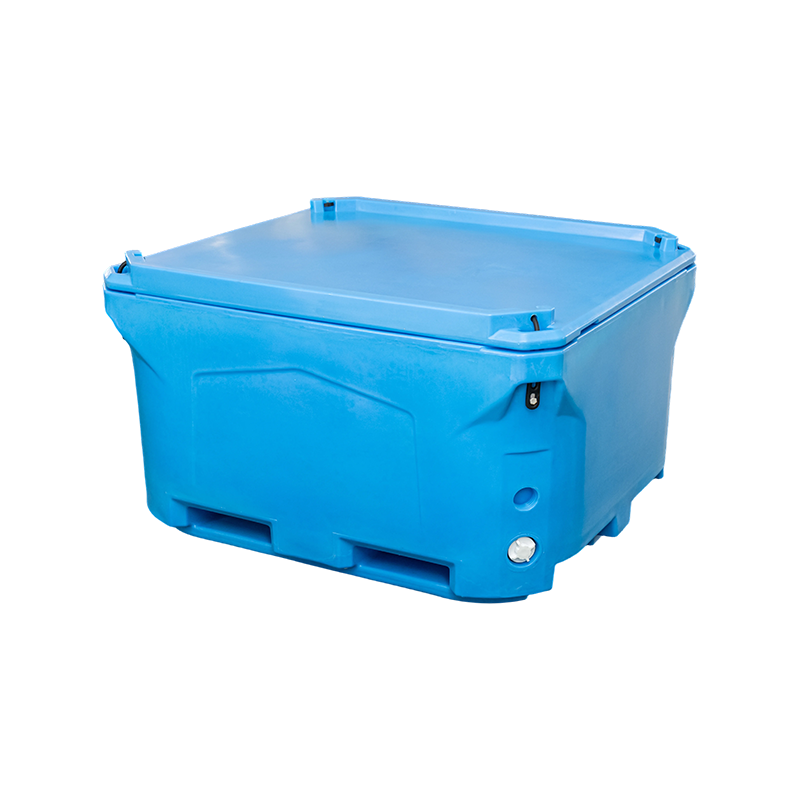
The NL-480 480L has an interior of about 111.8 × 67.2 × 48.4 cm, with a long body that is relatively shallow for its capacity. Workers can reach seafood more easily during sorting and loading without ...
See Details -
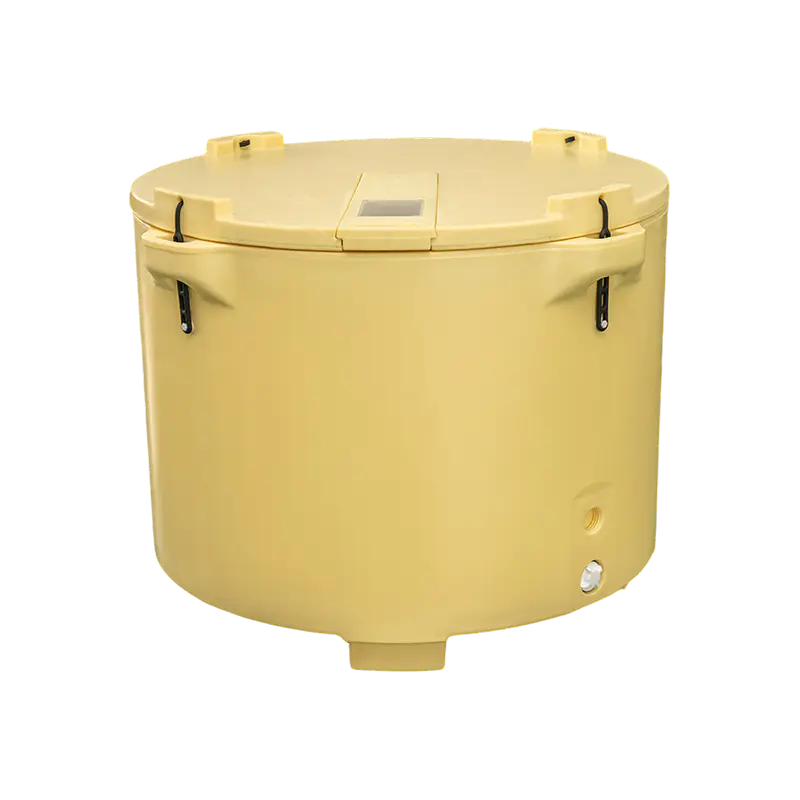
The NL-630 630L is different from the rectangular fish tubs in the range. It uses a one-piece round rotomolded body made from food-grade LLDPE with PU insulation. A dedicated opening in the top allows...
See Details
Related News
-
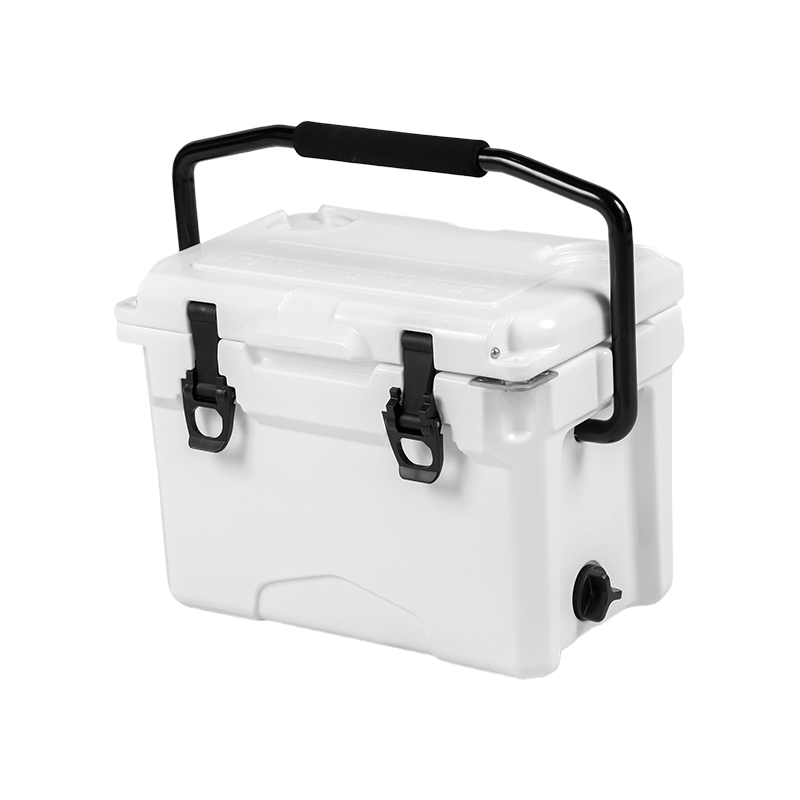
Why Choose a Rotomolded Cooler? Rotomolded Coolers: A Brief Introduction The Pinnacle of Portable Cooling Technology The modern era of outdoor recreation and de...
See Details -
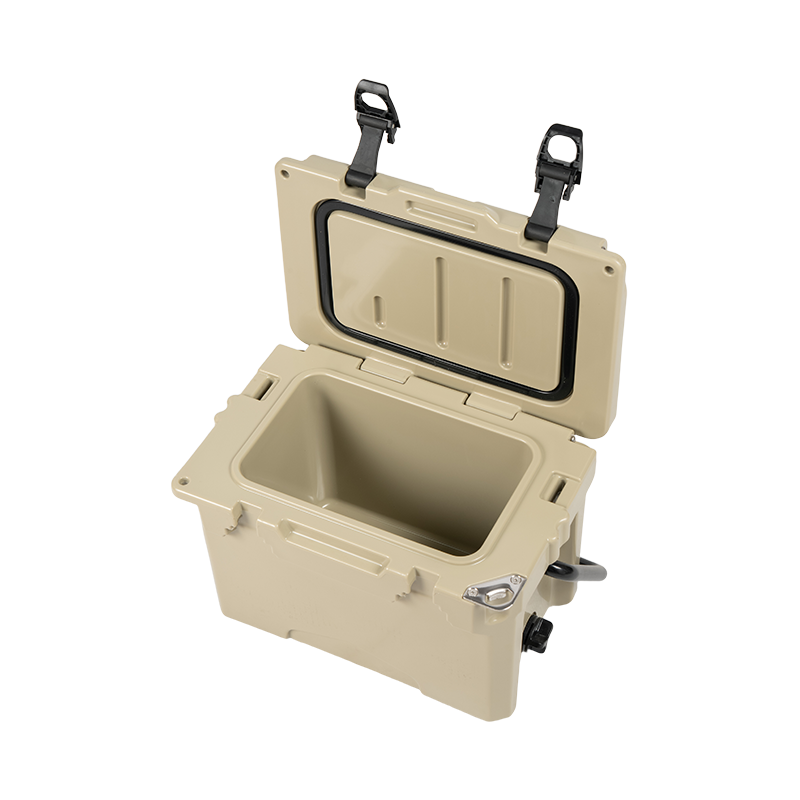
Introduction to Insulated Fish Tubs When you're out on the water, whether it's a deep-sea fishing trip or a relaxing day at the lake, the freshness of your catc...
See Details -
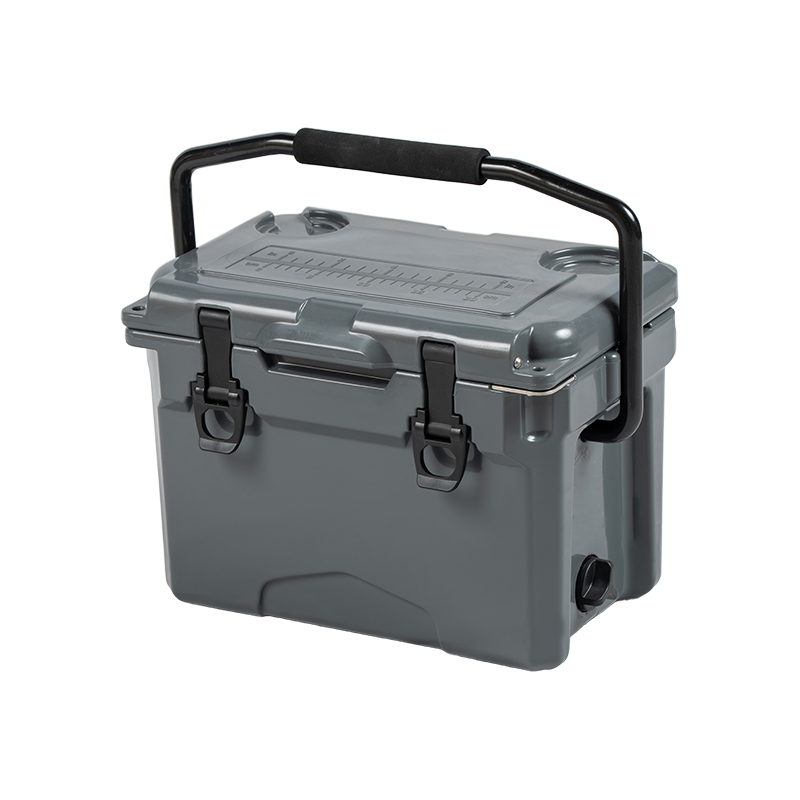
1. Insulation Quality in Outdoor Cooler Boxes When choosing an outdoor cooler box, one of the most critical factors to consider is insulation quality. The insul...
See Details -
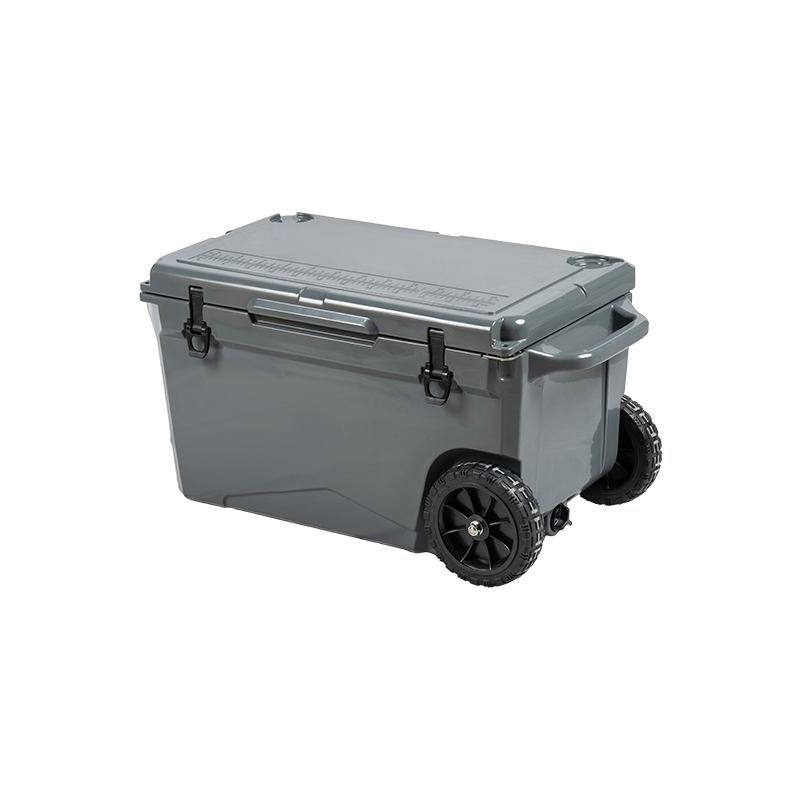
The Unmatched Advantage of ROTOMOLDING COOLER BOX Defining the Premium Standard: What exactly is a ROTOMOLDING COOLER BOX? The ROTOMOLDING COOLER BOX is not mer...
See Details
Be the First to Know
For exclusive deals and the latest offers, sign up by entering your email address below.


Contact Info
 No. 6, Guantong Road, South Zone, Xiaocaoe Town Industrial Park, Ningbo, Zhejiang, China
 +86 13736107260
  [email protected]
 Qr Code



Copyright © Ningbo Nelgreen Outdoor Products Co., Ltd. All Rights
Reserved
 OEM/ODM Seafood Insulated Boxes Manufacturers