 EN
EN
 English
  русский
  Español
  Deutsch
  عربى
عربى 
The 30QT NL-30 stands out for its elongated body, with an interior of about 46.2 × 23.6 × 26.1 cm. At this capacity, the extra usable length is particularly helpful for fish, long bottles and elongate...
See Details
What Is the Best Cool Box for Camping?
2026-07-23
For most weekend and short trip campers, the best cool box for camping is a compact injection molded polypropylene cooler in the 25 to 40 quart range, such as the 35QT Injection Mold Cooler Box, because it delivers three to five days of ice retention at a fraction of the weight and price of a rotomolded cooler. If your camping trips regularly stretch past five days, involve rough off road terrain, or double as fishing or hunting storage in hot climates, a rotomolded camping cooler box built from linear low density polyethylene is the stronger long term choice, since it typically holds ice for five to seven days and survives far rougher handling.
In other words, there is no single cooler that wins for every camper. The right camping cooler box depends on trip length, group size, budget, and how roughly the cooler will actually be treated in the field. This guide walks through exactly how to make that decision, compares injection molded and rotomolded construction side by side with real performance numbers, looks closely at the 35QT Injection Mold Cooler Box as a practical case study, walks through a full packing method for maximizing ice life, and introduces Ningbo Nelgreen Outdoor Products Co., Ltd, a Chinese manufacturer that produces both cooler types for outdoor brands and private label buyers around the world.
Camping Cooler Box vs Soft Sided Coolers and Basic Ice Chests
Before narrowing down between injection molded and rotomolded hard sided coolers, it is worth addressing a more basic question many first time buyers face: whether a rigid cooler box is even the right category compared to a soft sided cooler bag or a thin walled basic ice chest.
Soft Sided Coolers
Soft sided coolers use fabric exteriors with a thin foam lining, making them lightweight and easy to store flat when not in use. They typically hold ice for only one to two days and offer little protection against crushing, which makes them suitable mainly for day trips and short outings rather than multi day camping, and they generally cannot support any meaningful weight if used as a seat or surface at the campsite.
Basic Thin Walled Ice Chests
Entry level ice chests, often sold at very low price points, use thin plastic walls with minimal foam insulation. While inexpensive, they typically lose ice within a day or two in warm weather and are prone to cracking at the hinges after repeated use, making them a poor long term value compared to a properly built injection molded cooler box, particularly once the cost of repeated replacements is factored into the overall comparison.
Why a True Cooler Box Wins for Camping
A dedicated camping cooler box, whether injection molded or rotomolded, uses substantially thicker insulation and a more rigid shell than either alternative, translating directly into longer ice retention, better protection for food, and a structure durable enough to double as a camp seat or table. For anyone camping more than a couple of times a year, the extra upfront cost of a proper cooler box over a soft sided bag or basic ice chest pays for itself quickly in both performance and durability, and most experienced campers who have tried the cheaper alternatives eventually make the switch after a single disappointing trip.
What Makes a Camping Cooler Box the Best Choice Depends on Your Trip Type
Before comparing specific products, it helps to define what "best" actually means for your situation, since a cooler that is perfect for a car camping weekend can be the wrong choice for a week long backcountry fishing trip.
Weekend and Family Car Camping
For trips of one to three nights where the cooler travels in a car trunk or truck bed and stays near the campsite, weight and ease of cleaning matter more than maximum ice retention. A lightweight injection molded cooler in the 20 to 45 quart range comfortably covers food and drinks for two to four people over a typical weekend.
Extended Trips and Off Road Travel
Multi day trips, overlanding, and any situation where the cooler gets thrown around in a truck bed or dragged over rocky ground call for a rotomolded cooler. The seamless, thick walled construction resists cracking under impact far better than an injection molded shell, and the thicker insulation layer keeps ice solid well past the point an injection molded cooler would need a refill.
Fishing, Hunting, and Commercial Use
Anglers and hunters who need to keep a catch or harvest cold for days in direct sun, along with vendors running mobile food or beverage service, generally get the best return from a rotomolded cooler with a pressure release valve and reinforced hinges, since these units are built to handle constant loading, harsh weather, and saltwater exposure.
Budget Conscious and Occasional Campers
For campers who only need a cooler a handful of times a year, spending 200 dollars or more on a heavy duty rotomolded unit rarely makes financial sense. An injection molded cooler in the 40 to 100 dollar range covers the same basic need for short trips without the added weight or cost.
Injection Molded vs Rotomolded Camping Cooler Boxes Explained
Manufacturing method is the single biggest factor separating budget camping coolers from premium ones, and understanding the difference explains almost every performance and price gap you will see while shopping.
Injection molding involves forcing molten food grade polypropylene into a two piece mold under high pressure, forming the inner and outer shells separately before they are joined and filled with a foam insulation layer. This process is fast, repeatable, and inexpensive at scale, which is why injection molded coolers cost significantly less than rotomolded alternatives.
Rotomolding, short for rotational molding, uses a single hollow mold that is loaded with powdered plastic resin, typically linear low density polyethylene, then rotated on multiple axes inside an oven until the resin melts and coats the entire interior surface evenly. The result is one continuous, seamless shell with no weld lines or joints, which is then filled with high density polyurethane foam for insulation.
| Factor | Injection Molded Cooler | Rotomolded Cooler |
|---|---|---|
| Construction | Two piece molded shell, joined and foam filled | One piece seamless shell, foam filled during molding |
| Typical ice retention | 3 to 5 days | 5 to 7 days |
| Weight | Lighter, easier to carry when empty | Heavier due to thicker walls and denser foam |
| Impact resistance | Good for normal handling | Excellent, withstands rough truck bed use |
| Typical price range | Lower cost | Higher cost, often two to three times more |
| Best suited for | Weekend trips, everyday use, budget buyers | Extended trips, off road use, professional use |
Neither construction method is universally better, since the right choice depends entirely on how long ice needs to last and how roughly the cooler will be handled. A camper who only needs three days of ice retention gains little practical benefit from paying for rotomolded construction, while a fisherman needing a full week of cold storage in direct sun will find an injection molded cooler falls short regardless of price, which is why matching construction type to actual trip requirements matters more than chasing the highest specification available on paper.
The 35QT Injection Mold Cooler Box: Specs and Why It Suits Most Camping Trips
The 35QT Injection Mold Cooler Box, produced by Ningbo Nelgreen Outdoor Products Co., Ltd, is a practical example of how injection molded construction performs in a real product built specifically for camping, road trips, and everyday outdoor use.
Build and Materials
The cooler is made entirely from food grade polypropylene, chosen for its strength to weight ratio, resistance to cracking under normal impact, and safety for direct contact with food and beverages. The compact shell design keeps the overall footprint manageable for car trunks, truck beds, and campsite tables while still offering enough internal volume for a weekend's worth of food and drinks.
Who This Size Suits Best
A 35 quart capacity generally holds enough ice, food, and beverages for two to four people over a two to three day trip, making it a strong middle ground size, larger than a personal cooler but still light enough for one person to lift and carry without assistance when loaded, a balance that many buyers find hard to achieve at larger capacities.
- Couples or small families on weekend car camping trips who want enough capacity without excess bulk
- Day trip anglers who need to keep a modest catch and a few drinks cold without hauling a heavy rotomolded unit
- Tailgaters and picnic groups who value the lightweight, attractive design as much as the cooling performance
- Budget conscious buyers who want reliable performance without paying rotomolded pricing
Where It Has Limits
Like all injection molded coolers, the 35QT model is not designed to match the multi day ice retention or extreme impact resistance of a rotomolded cooler. Campers planning trips longer than four or five days, or anyone regularly loading and unloading the cooler in a rough truck bed environment, should weigh those tradeoffs honestly before choosing size and construction type based on price alone, since the wrong choice can mean spoiled food partway through an otherwise enjoyable trip.
Key Features to Check Before Buying a Camping Cooler Box
Beyond the basic injection molded versus rotomolded decision, a handful of specific features separate a cooler that performs well from one that disappoints after a single trip.
Latch and Seal Quality
A cooler is only as effective as its seal, since even a small gap around the lid allows warm air to enter and accelerates ice melt significantly. Look for coolers with a full perimeter gasket and latches that pull the lid down firmly rather than simply clipping shut.
Drain Plug Placement
A drain plug positioned low and off center allows meltwater to be released without tilting or lifting the cooler, which becomes a meaningful convenience once the cooler is loaded with food and difficult to move.
Handle and Carrying Design
Rope or webbing handles distribute weight more comfortably across the hand than thin plastic handles, particularly once the cooler is loaded with ice and food and becomes noticeably heavier than its empty weight suggests.
Lid Strength
A lid rated to support body weight adds real functional value at a campsite, doubling as an extra seat or table surface, and is a reasonable proxy for overall build quality even for buyers who never plan to sit on it.
UV and Weather Resistance
Since coolers frequently sit in direct sunlight for hours at a time, UV stabilized plastic resists fading, warping, and premature brittleness far better than standard, non stabilized plastic over repeated seasons of outdoor use.
Insulation Foam Density
Not all foam insulation performs equally, even at the same thickness. Higher density polyurethane or polystyrene foam traps heat transfer more effectively than lower density alternatives, which is why two coolers of identical outer dimensions can perform noticeably differently in real world ice retention testing.
Portability Features
For larger coolers in particular, wheels and a telescoping handle make a meaningful difference in usability, especially when moving a fully loaded cooler across uneven campsite terrain rather than a smooth parking lot. Smaller coolers under about 40 quarts generally do not need wheels, since they remain light enough to carry directly.
Interior Layout and Accessories
Some cooler boxes include a removable divider or basket for organizing smaller items separately from ice and larger food packages, along with molded in cup holders or bottle openers on the lid. These accessories add convenience without significantly affecting core cooling performance, making them a reasonable tiebreaker between otherwise similar models, particularly for buyers choosing between two coolers that are otherwise comparable in size, price, and construction quality.
Sourcing a Camping Cooler Box as a Brand or Bulk Buyer
For outdoor equipment brands, retailers, or promotional product buyers looking to source camping cooler boxes in volume rather than purchasing a single retail unit, the evaluation criteria shift somewhat from those of an individual camper.
OEM vs ODM Sourcing
OEM sourcing involves a manufacturer producing a cooler to a buyer's own design specifications, while ODM sourcing involves selecting from a manufacturer's existing design catalog and customizing branding, color, and minor features. Buyers with strong internal design resources often prefer OEM arrangements, while smaller brands frequently find ODM sourcing faster and less costly to bring a product to market, since it avoids the additional engineering and tooling costs associated with a fully custom mold design.
Certification and Compliance Checks
Bulk buyers should confirm that a prospective manufacturer's coolers meet relevant food contact safety standards for their target market, such as US FDA food grade material compliance or equivalent EU standards, since these certifications are typically required for retail distribution and protect against liability related to food safe material claims. Requesting copies of relevant test reports and certificates directly from the manufacturer, rather than relying solely on marketing claims, is a reasonable and increasingly common step in the due diligence process for any significant bulk order.
Minimum Order Quantities and Lead Times
Injection molded coolers generally require lower minimum order quantities and shorter production lead times than rotomolded coolers, since the tooling and production cycle for injection molding is faster once a mold has been created. This makes injection molded models like the 35QT size a common starting point for brands testing a new cooler line before committing to a larger rotomolded product investment, allowing a business to validate market demand with a smaller initial capital outlay before scaling into higher volume or more specialized rotomolded product lines.
Camping Cooler Box Sizing Guide
Choosing the right capacity avoids two common frustrations: running out of space on a longer trip, or hauling a bulky cooler that is mostly empty on a short one.
| Group Size | Trip Length | Recommended Capacity |
|---|---|---|
| Solo or couple | 1 to 2 days | 20 to 25 quarts |
| Couple or small family | 2 to 3 days | 30 to 40 quarts |
| Family of four | 3 to 5 days | 45 to 60 quarts |
| Group or extended family | 3 to 7 days | 75 to 140 quarts |
As a general rule, plan for roughly half the cooler's volume to be filled with ice rather than food and drinks, since an underfilled cooler with too much air space actually loses cold air faster than a properly packed one.
How Ice Retention Actually Works in a Cooler Box
Understanding the mechanics behind ice retention helps explain why certain design choices matter far more than marketing claims alone might suggest.
Insulation Thickness and Material
Foam insulation works by trapping small pockets of air, which slow the transfer of heat through the cooler wall. Thicker foam layers and denser foam formulations resist heat transfer more effectively, which is the core reason rotomolded coolers, with their thicker wall cavities, generally outperform thinner injection molded walls on raw ice retention time.
Seal Integrity
Even excellent insulation cannot compensate for a poor seal, since warm air entering through gaps around the lid bypasses the insulation entirely. A tight fitting gasket and secure latching system often matter as much as wall thickness for real world performance.
Ice to Content Ratio
Packing a cooler with a roughly two to one ratio of ice to contents, and pre chilling both the cooler and its contents before loading, meaningfully extends how long ice lasts regardless of which construction type is used. Opening the lid frequently, by contrast, is one of the fastest ways to shorten ice life in any cooler.
Ambient Temperature and Sun Exposure
Direct sunlight can raise a cooler's external surface temperature well above the surrounding air temperature, so keeping the cooler shaded, even under a simple tarp or blanket, extends ice retention meaningfully compared to leaving it exposed all day at a campsite.
Passive Cooler Boxes vs Powered Electric Coolers for Camping
A question that comes up frequently once campers move beyond basic weekend trips is whether a passive ice cooler box is still the right tool compared to a powered electric cooler or portable refrigerator, since both technologies have become widely available at similar price points in recent years.
How Powered Coolers Work
Electric coolers use either a compressor, similar in principle to a small refrigerator, or a thermoelectric cooling element to actively maintain a set internal temperature, plugged into a vehicle's power outlet or an external battery pack. Compressor based units can typically hold a set temperature indefinitely as long as power is available, without any need for ice at all.
Advantages of Passive Cooler Boxes
Passive cooler boxes like the 35QT Injection Mold Cooler Box require no power source, no charging, and no risk of a dead battery ending refrigeration mid trip, which makes them the more dependable choice for remote camping locations without reliable access to vehicle power or electrical hookups. They are also generally far less expensive upfront and have no electronic components that can fail.
Advantages of Powered Coolers
Powered coolers excel on long road trips or at campsites with consistent power access, since they maintain a stable temperature indefinitely without needing ice refills, and many models can also function as a freezer, which a passive cooler box cannot replicate. The tradeoff is a significantly higher price, added weight from the compressor or thermoelectric unit, and complete dependence on a working power source.
Which Option Fits Most Camping Trips
For the majority of camping trips, particularly those without guaranteed access to consistent power, a passive cooler box remains the more practical and reliable choice, which is why traditional injection molded and rotomolded coolers continue to dominate the camping market even as powered alternatives have become more affordable and widely available. Some experienced campers ultimately choose to own both, using a passive cooler box for shorter trips and backup storage, while reserving a powered cooler for longer road trips where consistent power access is available throughout the journey.
How to Pack a Camping Cooler Box for Maximum Ice Retention
Even the best built cooler box underperforms if it is packed poorly, so following a consistent packing method matters as much as the equipment itself.
- Pre chill the cooler itself the night before a trip by filling it with a bag of ice for several hours, then draining it right before packing, so the interior starts cold rather than at room temperature.
- Chill food and beverages in a refrigerator or freezer before packing whenever possible, since warm items placed into the cooler force the surrounding ice to work harder from the very first hour.
- Use a mix of block ice and cube ice rather than cubes alone, since block ice melts more slowly due to its lower surface area relative to volume, while cube ice fills gaps and cools items faster in the short term.
- Layer items with the ice on the bottom and items you need least frequently placed deepest, keeping frequently accessed items like drinks near the top to minimize how long the lid stays open during use.
- Pack the cooler as full as reasonably possible, since excess air space allows warm air to circulate internally and accelerates ice melt compared to a tightly packed cooler with minimal empty space.
- Keep the cooler in shade throughout the trip and avoid placing it directly on hot surfaces such as asphalt or a sun heated truck bed liner, using a mat or blanket as a barrier when a shaded spot is not available.
Injection Mold Cooler Box Sizes and How the 35QT Fits the Lineup
Manufacturers producing injection molded coolers typically offer a range of sizes to cover different use cases, and understanding where the 35QT model sits within that range helps clarify whether it is the right fit for a specific trip.
| Size | Typical Use Case |
|---|---|
| 20QT | Solo trips, day hikes, and personal use in a vehicle |
| 35QT | Couples and small families on two to three day camping trips |
| 45QT and above | Larger families and small groups needing extra capacity |
The 35QT size occupies a practical middle position, large enough to cover a real weekend of food and drinks yet still light enough for one person to carry comfortably once packed, which is why it tends to be a common recommendation for general purpose camping rather than a niche or specialty size.
About Ningbo Nelgreen Outdoor Products Co., Ltd
Ningbo Nelgreen Outdoor Products Co., Ltd is a China based manufacturer of outdoor cooler boxes, insulated fish tubs, and related rotational molding and injection molding products, established in May 2023 with a registered capital of 3.88 million yuan. The company is headquartered at Xiaocao'e Town Industrial Park in Yuyao City, Zhejiang Province, covering a facility of roughly 10,000 square meters and employing approximately 100 people.
Manufacturing Capabilities
The company operates both rotational molding and injection molding production lines, allowing it to manufacture the full range of cooler construction types covered in this guide, from budget friendly injection molded PP coolers like the 35QT model to heavy duty rotomolded LLDPE coolers built for professional fishing and commercial cold chain use. Its research and development team brings more than 15 years of combined experience in rotational molding product design and holds multiple product patents. Production equipment includes multiple shuttle rotational molding machines alongside polyurethane high pressure foaming machines used to fill rotomolded shells with insulation.
Production Scale and Quality Standards
The facility's rotational molding lines alone support an annual production capacity in the hundreds of thousands of units, reflecting the scale needed to serve both direct consumer brands and bulk OEM and ODM orders from international outdoor equipment companies. Raw materials, including imported food grade LLDPE resin, are selected specifically for consistency and safety, since variation in raw material quality is one of the most common causes of inconsistent cooler performance across a production run. This scale also allows the company to support both small pilot orders for brands testing a new product and larger recurring orders for established retail partners without significant lead time differences between the two.
Product Range and Services
Beyond standard camping cooler boxes, the company's product range includes vehicle mounted refrigerated containers, seafood insulated fish tubs, ice buckets, and custom industrial rotomolded containers such as toolboxes and fuel tanks. The company offers OEM and ODM services for outdoor brands and private label buyers, and its products are manufactured to comply with US FDA food grade material standards and EU environmental regulations.
Why Manufacturer Background Matters to a Buyer
For buyers evaluating a camping cooler box, particularly one being sourced in bulk or under a private label, understanding the manufacturer's production capability, certification compliance, and quality control process is just as important as the individual product specification sheet, since consistent manufacturing quality is what actually determines whether a cooler performs the same way on the hundredth unit as it did on the first sample.
Sustainability and Material Sourcing
Both polypropylene and linear low density polyethylene, the two primary materials used across the company's injection molded and rotomolded product lines, are widely recyclable plastics, and using imported, consistently graded resin reduces the manufacturing defects that can otherwise shorten a cooler's usable lifespan. A cooler that lasts several extra seasons before needing replacement represents a meaningful reduction in overall plastic waste compared to replacing a lower quality cooler every year or two.
Warranty, Support, and What to Expect After Purchase
Whether buying a single retail cooler or sourcing a bulk order, understanding what happens after the purchase is complete is worth clarifying before committing.
Typical Warranty Coverage
Camping cooler boxes commonly carry a limited warranty covering manufacturing defects in materials and workmanship, generally ranging from one to a few years depending on the manufacturer and product line, though normal wear items such as latches and gaskets are often excluded from longer coverage periods since they experience the most repeated mechanical stress.
What Voids Most Cooler Warranties
Common warranty exclusions include damage from dropping or impact beyond normal use, exposure to extreme heat sources such as direct flame or a hot vehicle interior over extended periods, and modifications made to the original structure. Reviewing warranty terms before a purchase, rather than after a problem arises, avoids unpleasant surprises later, and keeping the original proof of purchase readily available makes any future warranty claim considerably easier to process.
Working With a Manufacturer Directly for Bulk Orders
Brands and bulk buyers working directly with a manufacturer such as Ningbo Nelgreen Outdoor Products Co., Ltd typically gain access to sample units for evaluation before committing to a full production run, along with the ability to request specific modifications to color, branding, or minor hardware details as part of an ODM arrangement. Establishing clear communication about quality control checkpoints and inspection standards before production begins helps prevent costly misunderstandings once a full order has shipped, and requesting a pre shipment inspection report is a standard practice among experienced bulk buyers working with overseas manufacturing partners.
Caring for Your Camping Cooler Box for Longer Life
- Rinse the interior with clean water and mild soap after every trip, paying particular attention to the drain plug area where residue tends to collect.
- Leave the lid slightly open during storage between trips to prevent trapped moisture from developing mildew or lingering odors.
- Store the cooler out of direct sunlight when not in use, since prolonged UV exposure gradually degrades plastic even in UV stabilized materials.
- Check the seal, latches, and hinges periodically for cracking or looseness, replacing worn latches promptly rather than continuing to use a cooler with a compromised seal.
- Avoid using bleach or harsh solvents on the interior surface, since some cleaning chemicals can degrade plastic or leave residual odors that transfer to food.
Common Mistakes to Avoid When Buying a Camping Cooler Box
- Buying based on advertised ice retention numbers alone without checking whether those figures were tested under realistic outdoor conditions rather than controlled laboratory settings.
- Choosing a rotomolded cooler for occasional short trips when a lighter, less expensive injection molded model would perform the job just as well.
- Underestimating cooler size and needing to pack ice and food so tightly that airflow and cooling efficiency suffer.
- Overlooking loaded weight, particularly with larger rotomolded coolers, which can become genuinely difficult for one person to lift once filled with ice.
- Ignoring seal and latch quality in favor of exterior styling, even though these functional details have a far greater impact on actual performance.
Frequently Asked Questions
What is the best cool box for camping on a weekend trip?
For a weekend trip, a compact injection molded cooler in the 25 to 40 quart range, such as the 35QT Injection Mold Cooler Box, offers enough capacity and three to five days of ice retention without the added weight and cost of a rotomolded unit, making it a practical fit for most car camping and short outdoor trips.
How long does ice last in a camping cooler box?
Ice retention typically ranges from three to five days in a well built injection molded cooler and five to seven days in a rotomolded cooler, though actual performance depends heavily on ambient temperature, sun exposure, how full the cooler is packed, and how often the lid is opened during the trip.
What is the difference between an injection molded and a rotomolded cooler box?
Injection molded coolers are built from two joined plastic shells and are lighter and less expensive, while rotomolded coolers are formed as a single seamless piece with thicker insulation, offering longer ice retention and greater impact resistance at a higher price, making each better suited to different trip types.
What material is the 35QT Injection Mold Cooler Box made from?
It is made from food grade polypropylene, a lightweight, durable plastic chosen for its strength to weight ratio and safety for direct contact with food and beverages, and commonly used across the broader injection molded cooler category for similar reasons.
What size cooler box do I need for a family camping trip?
A family of four on a three to five day trip generally needs a cooler in the 45 to 60 quart range, while shorter trips or smaller groups can typically manage with 25 to 40 quarts, and larger multi family group trips often call for 75 quarts or more.
Is Ningbo Nelgreen Outdoor Products Co., Ltd a manufacturer or a retailer?
Ningbo Nelgreen Outdoor Products Co., Ltd is a manufacturer, operating both injection molding and rotomolding production lines in Zhejiang Province, China, and offers OEM and ODM services for outdoor brands and private label buyers looking to source cooler boxes and related products.
Can an injection molded cooler box be used for fishing trips?
It can be used for short fishing outings where ice only needs to last a day or two, but for multi day fishing trips in hot weather, a rotomolded cooler with thicker insulation and greater durability is generally the better choice for keeping a catch fresh over an extended period.
How much ice should I pack relative to food and drinks in a cooler?
A roughly two to one ratio of ice to contents is generally recommended, and pre chilling both the cooler and its contents before packing helps ice last noticeably longer once on the trip, particularly in warmer climates or during extended multi day outings.
Does a more expensive cooler box always perform better?
Not necessarily, since price often reflects construction method and added features rather than performance alone. A well built injection molded cooler can outperform a poorly sealed rotomolded cooler, so checking specific features like seal quality, insulation density, and latch design matters more than price alone.
How do I extend the lifespan of a camping cooler box?
Clean the interior after every trip, store it out of direct sunlight with the lid slightly open, check latches and seals periodically for wear, avoid harsh cleaning chemicals that can degrade the plastic over time, and address minor hardware issues promptly before they compromise the seal.
Our R&D team has over 15 years of rich experience in the field of rotational molding products and has applied for 6 product patents. The number of factory employees has exceeded 100. Strict management and quality control have enabled us to take the leading position in the industry. In addition, the experienced sales team can provide customers with a variety of solutions and high-quality services.
Related products
-
-
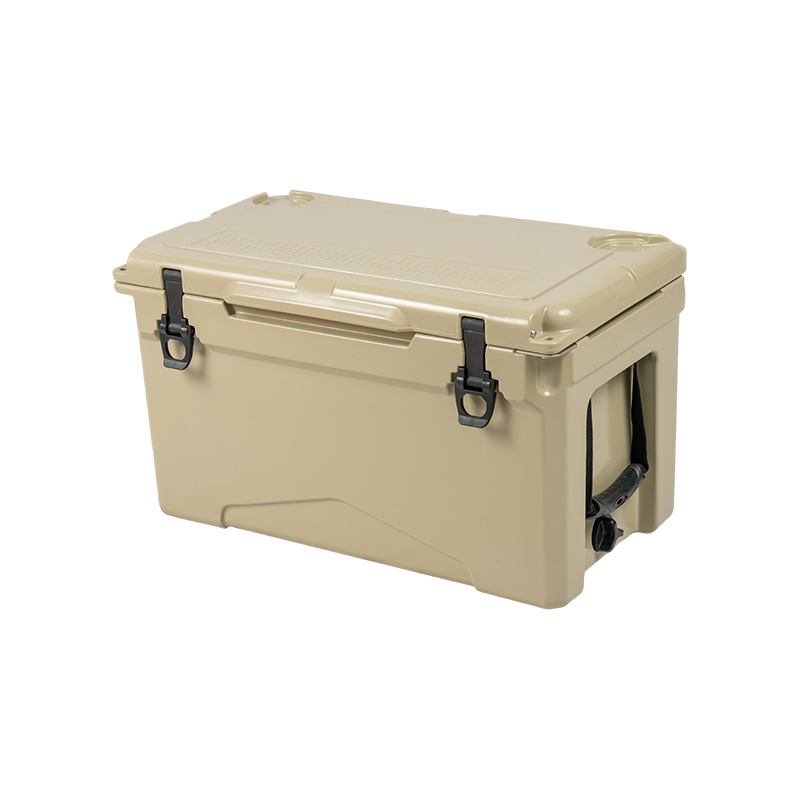
This 35QT model combines a one-piece rotomolded body with PU foam insulation for buyers who want a tougher cooler with additional outdoor features. It measures approximately 62 × 35.5 × 37.5 cm extern...
See Details -
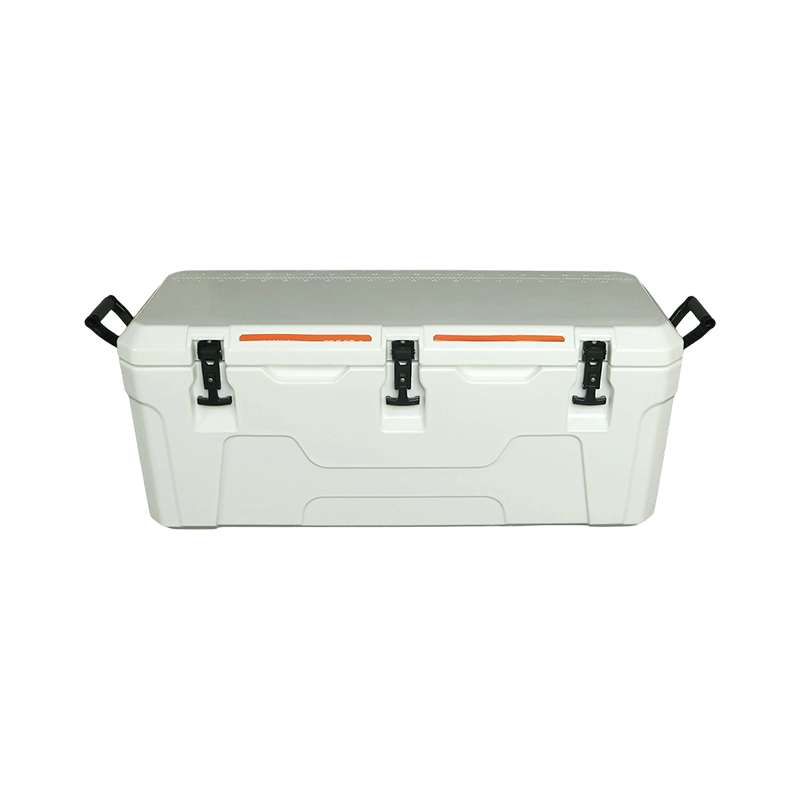
The 140QT NL-140 has an interior of about 105 × 32 × 38 cm, and its more-than-one-meter usable length is the key advantage of this model. It is better suited to larger fish, longer catch and supplies ...
See Details -
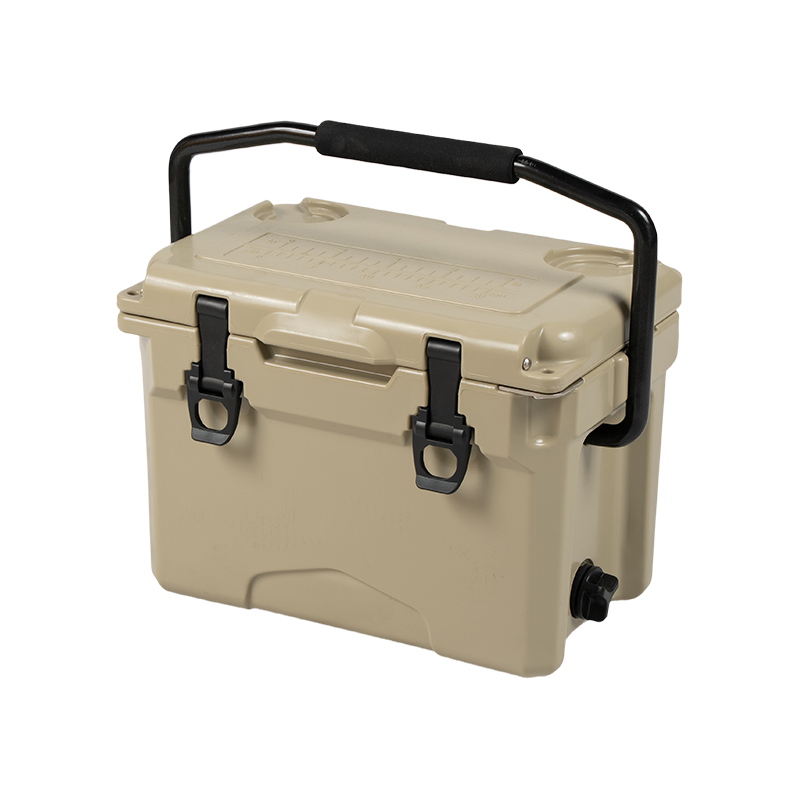
The 12QT NL-12L has an interior of about 28.5 × 17.4 × 22.3 cm and is sized for everyday carrying and light outdoor trips. It holds lunch, drinks, fruit or supplies for a short fishing trip without be...
See Details -
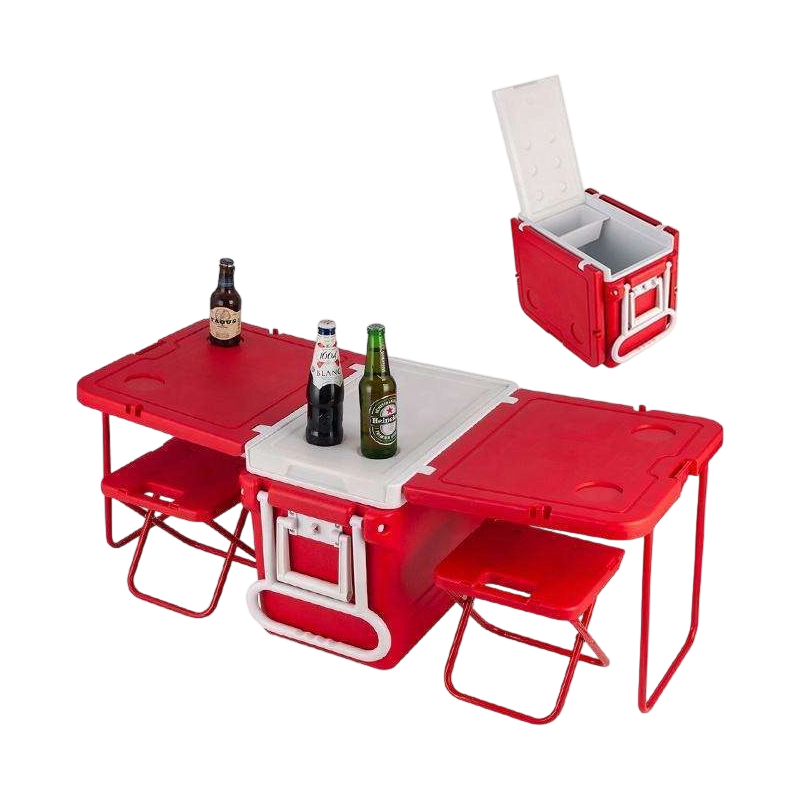
The 28QT NL-28 is noticeably taller than a conventional low-profile cooler. Its interior measures about 44.5 × 22 × 38 cm, giving extra vertical room for upright bottles and taller food containers. Th...
See Details -
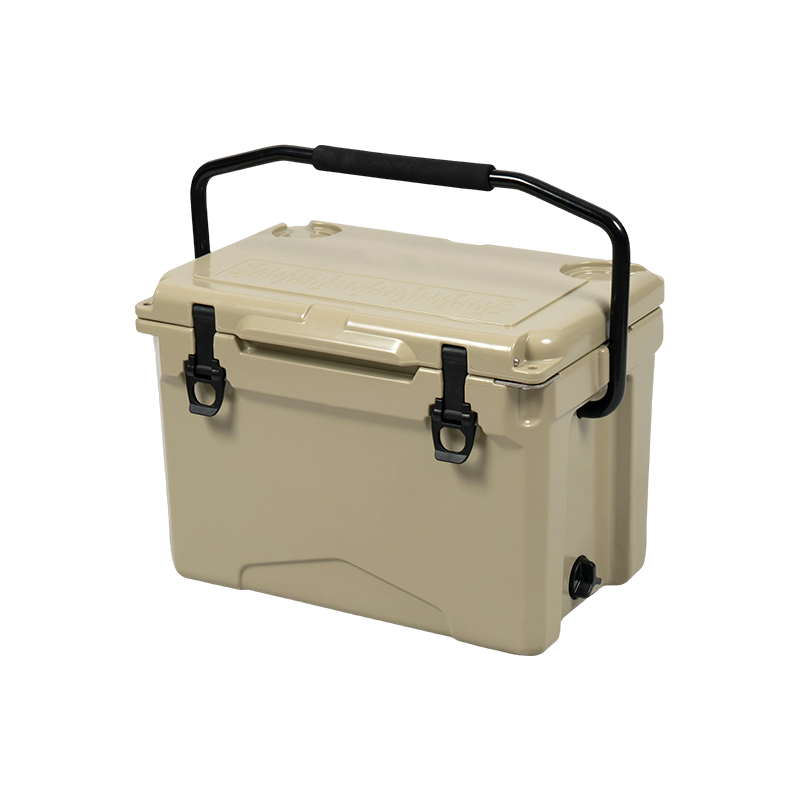
The 25QT NL-25 has an interior of about 38.5 × 23.4 × 28.3 cm, a useful size for individual anglers who need more room for catch and supplies than a 10–18QT cooler but do not want a large offshore box...
See Details
Related News
-
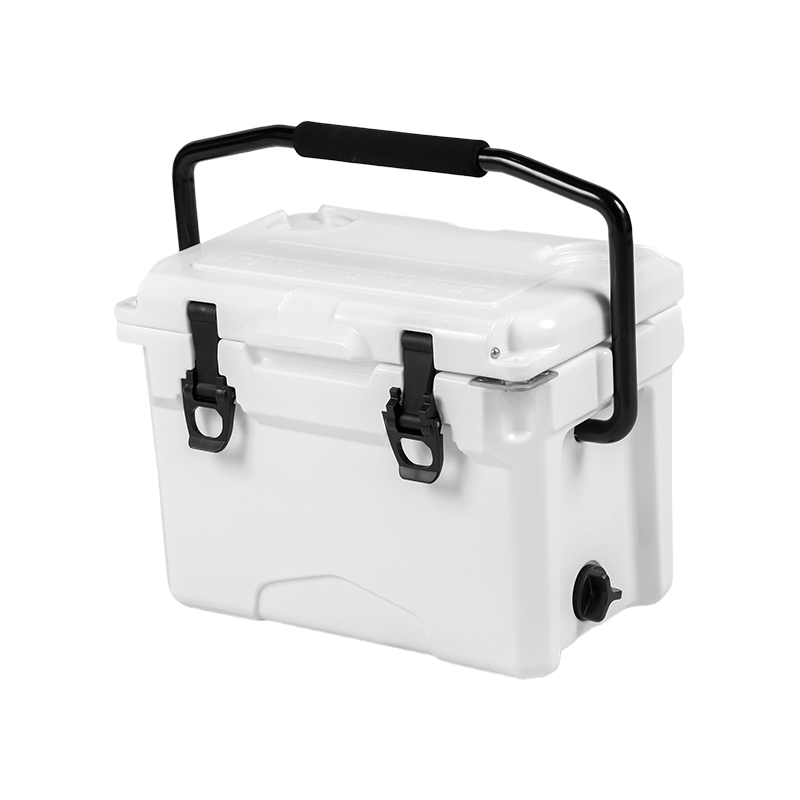
Why Choose a Rotomolded Cooler? Rotomolded Coolers: A Brief Introduction The Pinnacle of Portable Cooling Technology The modern era of outdoor recreation and de...
See Details -
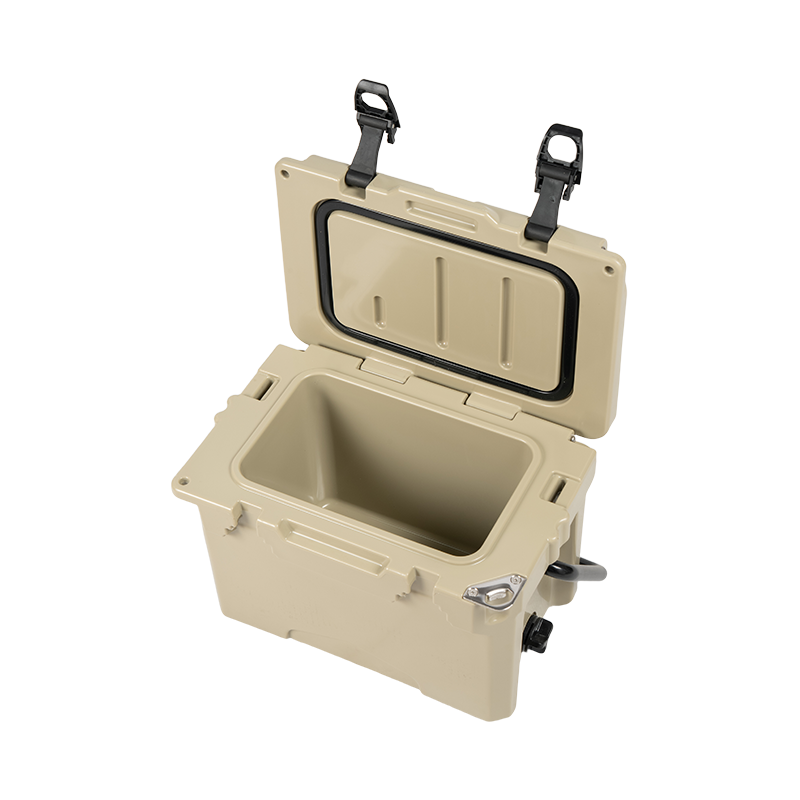
Introduction to Insulated Fish Tubs When you're out on the water, whether it's a deep-sea fishing trip or a relaxing day at the lake, the freshness of your catc...
See Details -
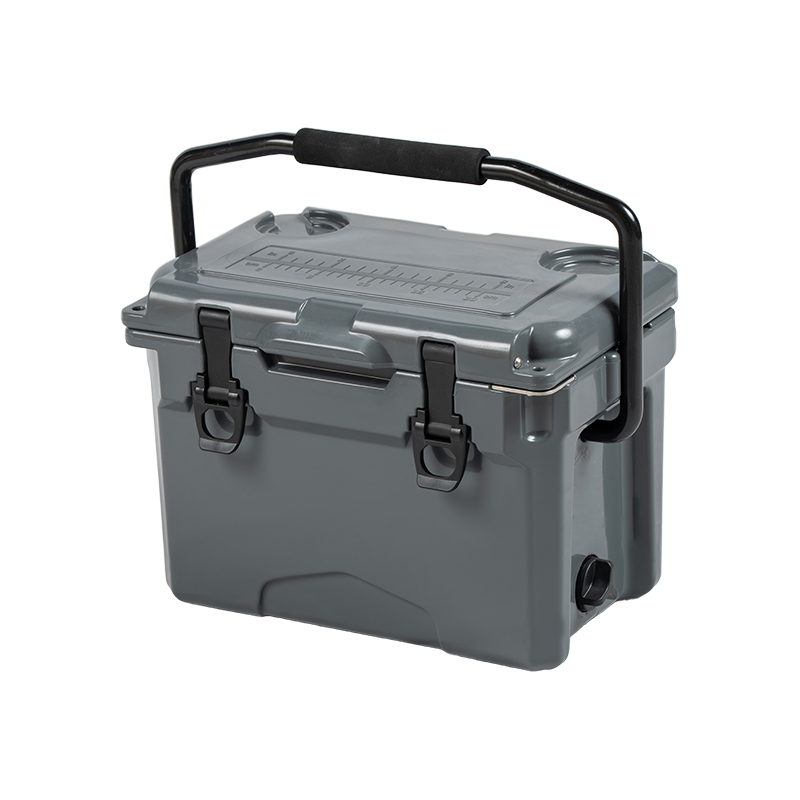
1. Insulation Quality in Outdoor Cooler Boxes When choosing an outdoor cooler box, one of the most critical factors to consider is insulation quality. The insul...
See Details -
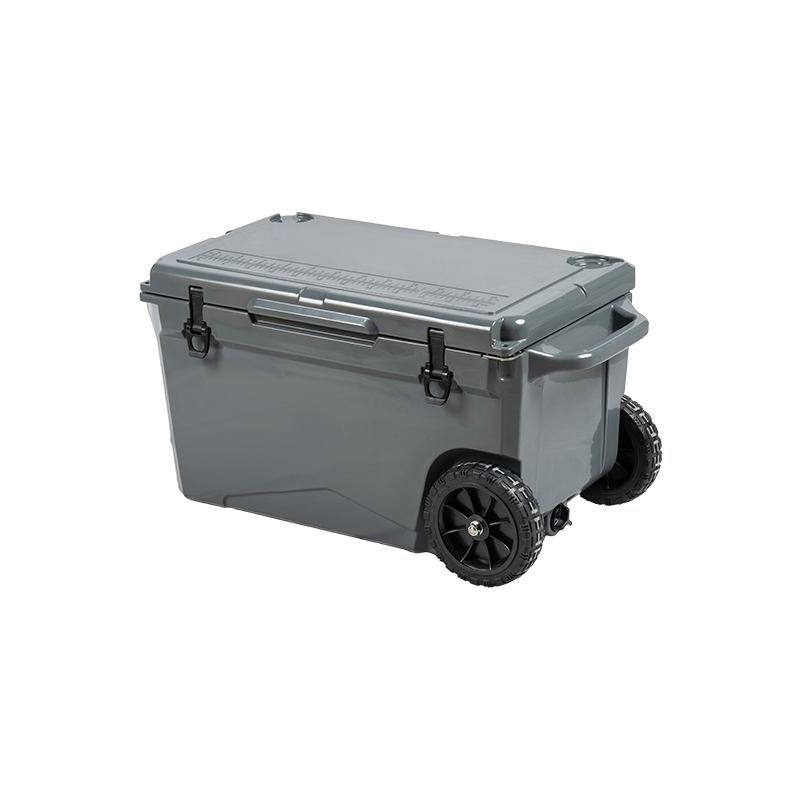
The Unmatched Advantage of ROTOMOLDING COOLER BOX Defining the Premium Standard: What exactly is a ROTOMOLDING COOLER BOX? The ROTOMOLDING COOLER BOX is not mer...
See Details
Be the First to Know
For exclusive deals and the latest offers, sign up by entering your email address below.


Contact Info
 No. 6, Guantong Road, South Zone, Xiaocaoe Town Industrial Park, Ningbo, Zhejiang, China
 +86 13736107260
  [email protected]
 Qr Code



Copyright © Ningbo Nelgreen Outdoor Products Co., Ltd. All Rights
Reserved
 OEM/ODM Seafood Insulated Boxes Manufacturers