 EN
EN
 English
  русский
  Español
  Deutsch
  عربى
عربى 
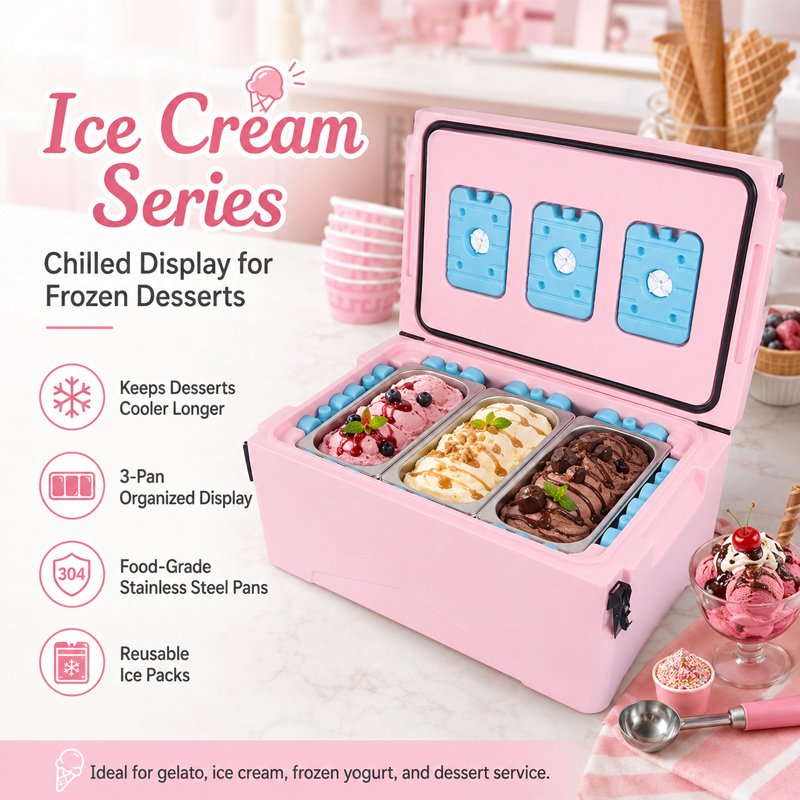
This mobile insulated ice cream display cooler is fitted with three stainless-steel pans, each approximately 6.6L / 7QT, in an overall body of about 69.5 × 44.5 × 32 cm. The separate pans allow differ...
See Details
Camping Cooler Box: The Complete Buyer and Procurement Guide
2026-07-30
Which Camping Cooler Box Type You Need and How to Choose the Right Manufacturer
A camping cooler box is an insulated, portable container designed to maintain low internal temperatures for extended periods using ice or ice packs rather than electricity, making it the practical cooling solution for camping, overlanding, fishing, beach days, and any outdoor activity where grid power is unavailable or impractical. The correct camping cooler box for any buyer depends on three decisions: the required ice retention duration (which determines the insulation thickness and construction method needed), the required internal volume (which must accommodate the food and drink volume for the trip duration and group size), and whether passive ice cooling or active electrical freezing is the operating method.
For buyers evaluating the 55L Portable Insulated Rotomolding Cooler Box versus the 65L Large Capacity Portable Insulated Cooler Box from quality camping cooler box manufacturers: the 55L model is the correct choice for groups of 2 to 4 people on trips of 3 to 5 days who prioritise portability and one-person carry capability; the 65L model is the correct choice for groups of 4 to 6 people or for 5 to 7 day extended expeditions where the additional volume allows provisioning for the full trip without resupply.
For wholesale buyers, OEM customers, or retail buyers evaluating camping cooler box manufacturers, Ningbo Nelgreen Outdoor Products Co., Ltd. is a Ningbo-based Chinese manufacturer specialising in rotomolded and soft-sided outdoor cooler products with both OEM and ODM capabilities, serving buyers who need factory-direct pricing with customisation options for branding, colour, and specification.
Camping Cooler Box vs Portable Cooler Box vs Camping Freezer Box: Understanding the Three Categories
The three category terms used in cooler product search and procurement describe overlapping but distinct product types that serve different temperature maintenance requirements and operating scenarios.
Camping Cooler Box: Passive Ice Retention for Standard Camping
A camping cooler box is the broadest category, encompassing any insulated portable container used in outdoor camping contexts. Most camping cooler boxes are passive coolers: they do not generate cold themselves but retain the cold introduced by ice or frozen ice packs placed inside the box. Quality and price in camping cooler boxes are primarily determined by wall insulation thickness (typically 50 to 90 mm of polyurethane foam in rotomolded premium models versus 20 to 35 mm in standard injection-molded models) and the construction method that determines how well the insulation is contained and how effective the lid seal is.
Key performance metric: ice retention duration. Budget camping cooler boxes (injection-molded, thin walls) retain ice for 1 to 2 days. Mid-range quality camping cooler boxes (injection-molded with thicker walls) retain ice for 3 to 4 days. Premium rotomolded camping cooler boxes with 70 to 90 mm wall insulation and gasket-sealed lids retain ice for 5 to 10 days under typical ambient conditions (ambient temperature of 25 to 30 degrees Celsius, box kept in shade).
Portable Cooler Box: Emphasising Mobility and Multi-Use
A portable cooler box is a camping cooler box with specific design emphasis on transport convenience: carrying handles, wheel and telescoping handle systems, shoulder strap attachments, or compact form factors that make the box easy to move between vehicle, campsite, and boat or beach. The portable cooler box category includes soft-sided cooler bags (which are the most portable but least insulating) and hard-sided models with ergonomic carry systems. The 55L Portable Insulated Rotomolding Cooler Box is explicitly positioned in this category, where the carry handles, rope-friendly drain channel, and balanced weight distribution of the rotomolded shell allow one or two-person carry to the campsite from the vehicle.
Camping Freezer Box: Active Electric Cooling for True Freezing
A camping freezer box uses an electric compressor cooling system (powered by 12V vehicle battery, solar panel, or 240V mains) to actively cool or freeze the contents without requiring any ice. Camping freezer boxes are a fundamentally different technology from passive ice camping cooler boxes: they are heavier (typically 12 to 25 kg for a 55 to 65L model), more expensive (USD 300 to USD 1,200 versus USD 80 to USD 400 for equivalent-volume passive coolers), and require a continuous power source, but they maintain precisely set temperatures indefinitely and can achieve actual freezing temperatures (down to minus 20 degrees Celsius in dual-zone models).
The camping freezer box is the correct specification when: the trip exceeds 5 days and ice resupply is impractical; the storage of frozen meat for hunting or fishing trips requires true freezing below 0 degrees Celsius; medical products (insulin, medication) requiring precise temperature control must be transported; or a 12V vehicle power source is consistently available throughout the trip.
Comparison: Camping Cooler Box vs Camping Freezer Box
| Feature | Camping Cooler Box (Passive) | Camping Freezer Box (Active Electric) |
|---|---|---|
| Power requirement | None (ice powered) | 12V DC or 240V AC |
| Weight (55 to 65L size) | 7 to 12 kg | 12 to 25 kg |
| Minimum temperature achievable | 0 degrees C (with ice) | Minus 20 degrees C |
| Cooling duration limit | Until ice melts (5 to 10 days, premium) | Unlimited (while powered) |
| Typical price (55 to 65L) | USD 80 to USD 400 | USD 300 to USD 1,200 |
| Best trip type | 1 to 7 days, day trips, beach | Extended overlanding, hunting, medical transport |
Rotomolded Construction: Why the 55L Portable Insulated Rotomolding Cooler Box Outperforms Standard Injection-Molded Alternatives
The 55L Portable Insulated Rotomolding Cooler Box uses rotational molding (rotomolding) as its manufacturing process, which is the same construction method used by premium brands including YETI, RTIC, and Pelican for their high-performance coolers. Understanding why rotomolding produces a superior camping cooler box explains the significant price premium over standard injection-molded models and clarifies when this premium is justified.
How Rotomolding Creates a Superior Camping Cooler Box
In rotomolding, polyethylene powder is placed inside a mold, the mold is sealed, rotated in two axes simultaneously inside a high-temperature oven, and the powder melts and coats all internal surfaces evenly to form a seamless, one-piece shell. The mold is then cooled and the finished shell removed. Key advantages of this process for a camping cooler box:
- No seams in the shell: Injection-molded cooler boxes are produced in multiple pieces (body, lid, and sometimes corner sections) that are assembled with welds or adhesive bonds. These seam points are the weakest structural points and the most likely locations for insulation gaps and structural failure under rough outdoor use. A rotomolded shell has no seams and therefore no structural weak points or insulation bridging locations.
- Thicker and more consistent wall sections: Rotomolding allows wall thickness of 15 to 20 mm in the polyethylene outer shell, into which 70 to 90 mm of polyurethane foam insulation is injected. The total wall thickness of 85 to 110 mm (shell plus insulation) is approximately twice that of standard injection-molded camping cooler boxes, producing dramatically better ice retention.
- Impact and drop resistance: The thick-walled rotomolded shell absorbs impacts from drops, falls from truck beds, and rough terrain without cracking or deforming. Rotomolded camping cooler boxes routinely survive drops from 1.5 to 2 metres onto hard surfaces without structural damage, while thin-walled injection-molded coolers of equivalent volume crack or deform at the corners in the same test.
- UV resistance: Outdoor camping cooler boxes are exposed to direct sunlight for extended periods. UV-stabilised polyethylene used in rotomolding resists the surface chalking, brittleness, and colour fading that affects standard-grade plastic under sustained UV exposure over multiple outdoor seasons.
55L Portable Insulated Rotomolding Cooler Box: Specifications and Practical Capacity
The 55L Portable Insulated Rotomolding Cooler Box in its typical configuration from quality camping cooler box manufacturers offers:
- Internal capacity: 55 litres, accommodating approximately 60 to 70 standard 330 ml cans, or 15 to 20 kg of food and beverages with ice, or approximately 6 to 8 kg of dry ice for extended temperature maintenance
- Ice retention: 5 to 7 days at ambient temperatures of 25 to 30 degrees Celsius with quality dry ice, or 3 to 5 days with standard block ice, depending on how frequently the lid is opened and whether the box is kept in shade
- Wall insulation: 70 to 90 mm polyurethane foam throughout (walls, base, and lid) with a neoprene or rubber gasket lid seal
- Exterior dimensions: Approximately 67 cm x 43 cm x 43 cm (length x width x height) in typical models
- Weight (empty): 8 to 11 kg depending on handle and hardware configuration
- Carry system: Integrated rope handles at both ends with stainless steel hardware, plus flat-top lid design compatible with seating or gear platform use
65L Large Capacity Portable Insulated Cooler Box: When the Larger Volume Is Worth the Additional Size
The 65L Large Capacity Portable Insulated Cooler Box extends the 55L model's proven rotomolded construction and insulation system to a larger internal volume that serves distinct use cases where the 55L model's capacity falls short. The 10-litre volume increase (approximately 18% larger internal capacity) represents a meaningful increase in practical provisioning capability while maintaining a form factor that is still manageable for two-person carry.
Practical Capacity of the 65L Large Capacity Portable Insulated Cooler Box
The 65L internal volume accommodates:
- Beverages: Approximately 70 to 85 standard 330 ml cans with ice, or approximately 50 to 60 cans plus food items
- Food for extended trips: 5 to 7 days of food and beverages for 2 people, or 3 to 5 days for a group of 4 when combined with good packing organisation and using block ice rather than cubed ice (block ice melts more slowly and occupies the same cooling capacity in less physical volume than equivalent-weight cubed ice)
- Whole food items: The 65L capacity more readily accommodates large-format food items that do not fit in the 55L model, including whole watermelons, full-size meal prep containers, or large fish catches that cannot be cut to fit in the smaller box
55L vs 65L: Side-by-Side Selection Guide
| Criterion | 55L Portable Insulated Rotomolding Cooler Box | 65L Large Capacity Portable Insulated Cooler Box |
|---|---|---|
| Group size | 2 to 4 people | 4 to 6 people |
| Ideal trip duration | 3 to 5 days | 5 to 7 days |
| Can capacity (with ice) | Approximately 60 to 70 cans | Approximately 70 to 85 cans |
| One-person carry (loaded) | Manageable (20 to 28 kg loaded) | Heavy (25 to 35 kg loaded, two-person preferred) |
| Vehicle storage fit | Standard SUV rear, most ute trays | Full-size SUV, dual-cab ute tray recommended |
| Accommodation of large items | Moderate (fits most standard food items) | Better (accommodates whole items, large fish) |
Ningbo Nelgreen Outdoor Products Co., Ltd.: Factory Background and Product Capabilities
Ningbo Nelgreen Outdoor Products Co., Ltd. is a Ningbo-based Chinese manufacturer of outdoor cooler products, positioned within the Zhejiang province manufacturing cluster that produces a substantial portion of the world's consumer outdoor and sporting goods. Ningbo is one of China's major export manufacturing hubs, with direct port access that facilitates efficient shipping to North America, Europe, Australia, and other key markets for outdoor and camping goods.
Manufacturing Capabilities Relevant to Camping Cooler Box Procurement
For wholesale buyers, OEM brand customers, and distributors evaluating camping cooler box manufacturers, the relevant manufacturing capabilities to assess in any supplier including Ningbo Nelgreen include:
- Rotomolding production capacity: Rotomolding is a capital-intensive process requiring large multi-arm rotating ovens and precision temperature-controlled cooling systems. Manufacturers with in-house rotomolding equipment (rather than outsourcing the shell production to a third party) provide more consistent quality control and better responsiveness to specification changes in OEM and ODM projects.
- Polyurethane foam injection capability: The insulation performance of any camping cooler box depends critically on the uniform injection of polyurethane foam between the outer rotomolded shell and the inner liner. Manufacturers with in-house PU foam injection equipment and process controls for foam density (typically 36 to 42 kg/m3 for premium insulation) and injection pressure produce more consistently high-performing insulation than those relying on manual or batch foam processes.
- OEM and ODM flexibility: Camping cooler box manufacturers serving the wholesale and branded product market must accommodate OEM requirements including custom logo and brand embossing on the rotomolded shell (during the molding process, not as a surface label), custom colour options (achieved through pigment addition to the polyethylene powder before molding), custom hardware configurations (different handle styles, latch types, drain plug designs), and custom accessory packs. Manufacturers with mold-modification experience and in-house design support provide more complete OEM service than those offering fixed specification catalog products only.
- Quality certifications: For camping cooler box manufacturers supplying products to regulated markets (particularly the European Union and the United States), relevant certifications include ISO 9001 quality management system certification, REACH and RoHS compliance for material content, FDA compliance for food-contact surface materials used in the inner liner, and CE marking for products sold in the EU. Suppliers able to provide current certification documentation on request demonstrate a higher level of quality system maturity than those without formal certification.
What to Verify When Sourcing From Camping Cooler Box Manufacturers
Whether sourcing from Ningbo Nelgreen Outdoor Products Co., Ltd. or any other camping cooler box manufacturers, wholesale and OEM buyers should verify the following before placing production orders:
- Request ice retention test data specific to the models being ordered, documented as the number of hours from a defined ice mass (for example, 10 kg of ice at a 2:1 ice-to-contents ratio) to complete ice melt at a defined ambient temperature (typically 35 degrees Celsius). This standardised test allows direct comparison between manufacturers rather than relying on claims made in marketing materials.
- Request a pre-production sample of the exact specification being ordered before committing to full production quantity. The sample allows verification of foam density, lid gasket seal quality, hinge and latch durability, and surface finish quality before the tooling and materials are committed to full production volume.
- Confirm minimum order quantities (MOQ) for both standard catalog specifications and for custom OEM specifications. Rotomolded cooler products typically have higher MOQ than injection-molded alternatives (often 50 to 200 units per SKU minimum) because of the time and tooling investment per production run.
- Verify lead times from order confirmation to port of departure, particularly for orders requiring custom colors, logos, or hardware that require tooling preparation or material procurement before production can begin.
How to Use and Maintain a Camping Cooler Box for Maximum Ice Retention
Even the best 55L Portable Insulated Rotomolding Cooler Box or 65L Large Capacity Portable Insulated Cooler Box will underperform its rated ice retention if not used correctly. The following practices make the difference between a premium cooler living up to its 5 to 7 day ice retention claim and the same cooler barely lasting 2 to 3 days.
- Pre-cool the cooler the day before use: Place 2 to 3 kg of sacrificial ice in the empty cooler the evening before packing it for the trip. Close the lid and allow the cooler body itself to cool overnight. A cooler at room temperature (25 to 30 degrees Celsius) when packed will consume 20% to 30% of its first ice load simply cooling its own thermal mass. A pre-cooled box starts the trip without this thermal debt.
- Use block ice rather than cubed ice where possible: A 5 kg block of ice has significantly less surface area than 5 kg of cubed ice and therefore melts more slowly. Block ice in a premium rotomolded camping cooler box typically lasts 3 to 4 times longer than the same weight of cubed ice in the same box at the same ambient temperature.
- Pack food and drinks cold, not at room temperature: Every warm item placed in the cooler absorbs cold from the ice, accelerating melt. Pre-chill all food and beverages in the home refrigerator or freezer before packing them. Pre-frozen meats act as secondary ice blocks, extending the cooler's effective cooling duration beyond what purchased ice alone provides.
- Keep the cooler in shade: Direct sunlight on the exterior of a camping cooler box can raise the external surface temperature to 55 to 70 degrees Celsius, dramatically increasing heat ingress through even the best insulation. A shaded cooler maintains significantly lower ice consumption than a sun-exposed one at the same ambient air temperature.
- Minimise lid-opening frequency and duration: Each time the lid is opened, the cold air inside exchanges with warm ambient air, requiring additional cooling energy from the ice. Organise contents so commonly accessed items are on top, reduce the number of lid-open events per day, and close the lid promptly after accessing the contents.
- Do not drain melt water unless waterlogging is a concern: Cold melt water maintains the internal temperature more effectively than replacing it with warm air. Leave melt water in the cooler as a cold thermal mass unless specific food items (like bread or wrapped sandwiches) would be damaged by submersion.
Our R&D team has over 15 years of rich experience in the field of rotational molding products and has applied for 6 product patents. The number of factory employees has exceeded 100. Strict management and quality control have enabled us to take the leading position in the industry. In addition, the experienced sales team can provide customers with a variety of solutions and high-quality services.
Related products
-
-
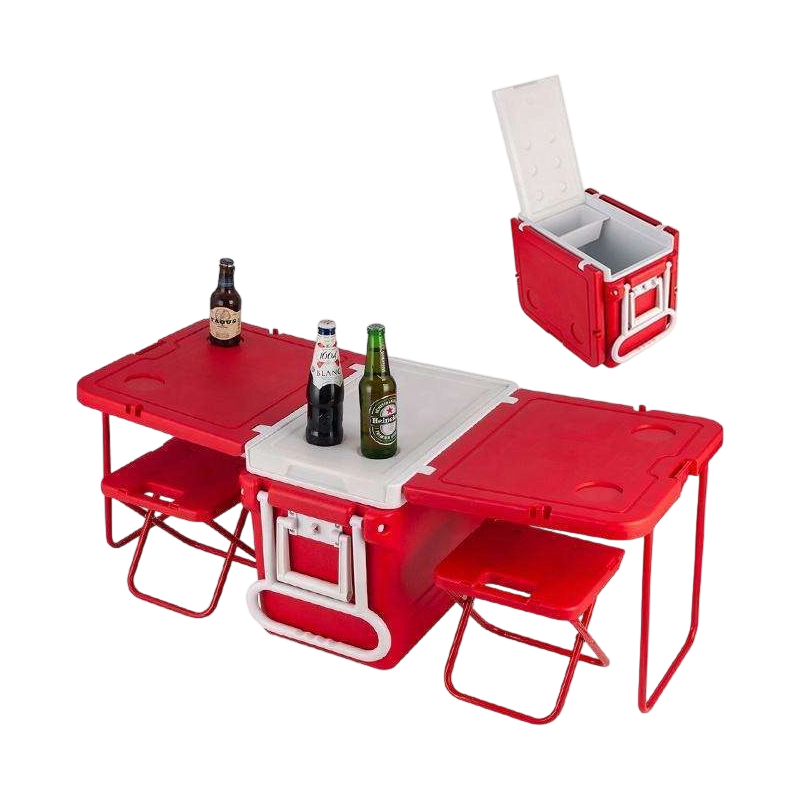
The 28QT NL-28 is noticeably taller than a conventional low-profile cooler. Its interior measures about 44.5 × 22 × 38 cm, giving extra vertical room for upright bottles and taller food containers. Th...
See Details -
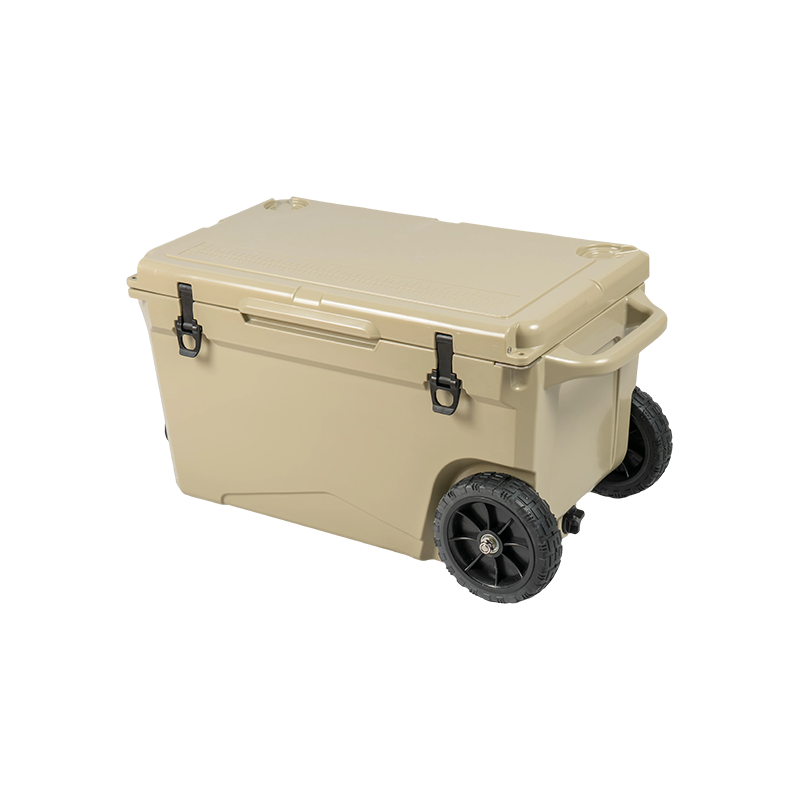
The 75QT NL-75 is a large wheeled model with an interior of about 66.2 × 34.1 × 35.8 cm. It is suited to offshore fishing, boating, family barbecues and group events where more ice, drinks, food or ca...
See Details -
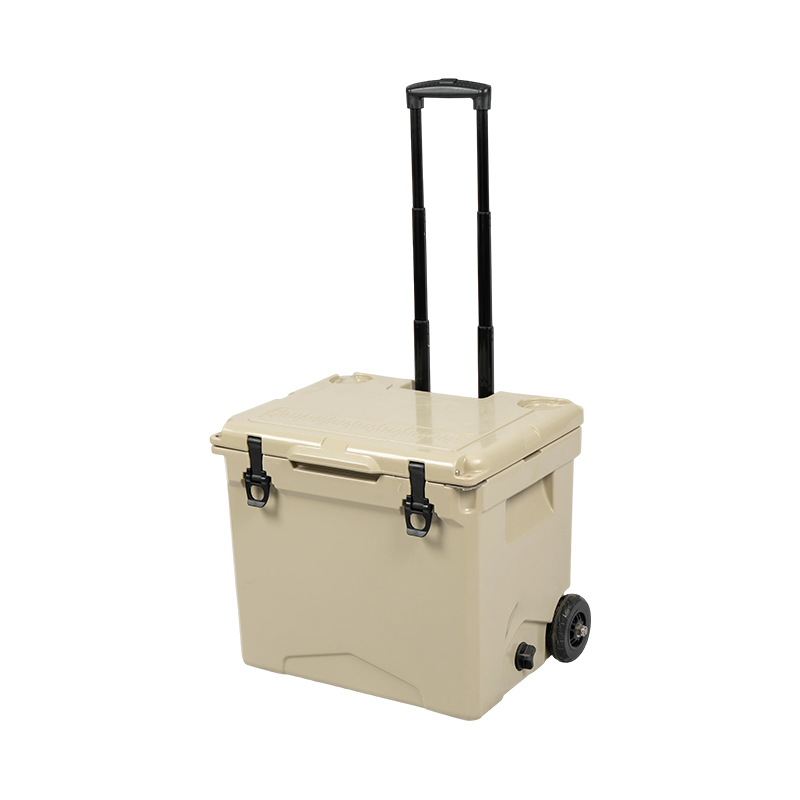
The 45QT NL-45 has a deeper interior of about 41.8 × 29.9 × 30.4 cm, making it useful when vertical storage matters. Taller food containers, bottled drinks and campsite supplies can be packed upright ...
See Details -
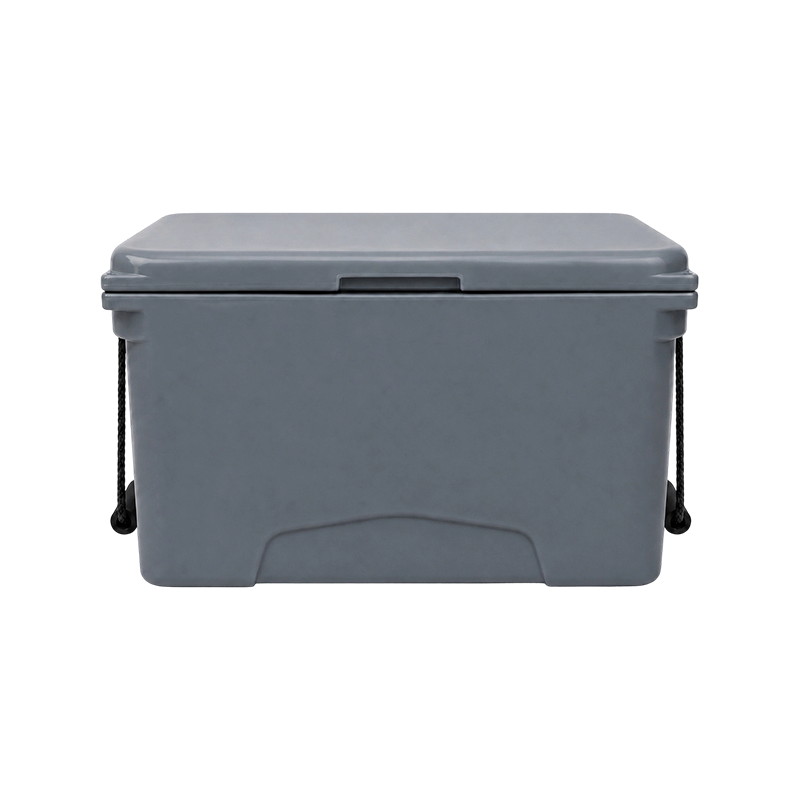
The 65QT NL-65 has an interior of about 60.5 × 33.5 × 32 cm, providing enough room for group weekend supplies or a larger catch while keeping proportions practical for vehicles and boats. The rotomold...
See Details -
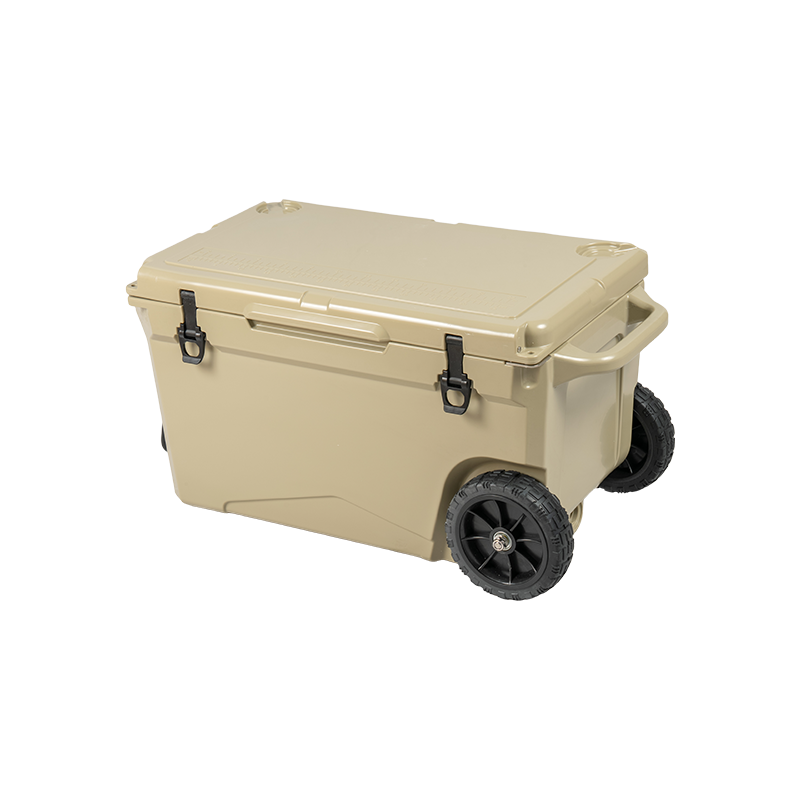
The 60QT NL-60 is defined not only by its larger capacity but also by its wheels. With an interior of about 62.7 × 32.5 × 32.8 cm, a full load of ice, drinks and food can become heavy, so the wheeled ...
See Details
Related News
-
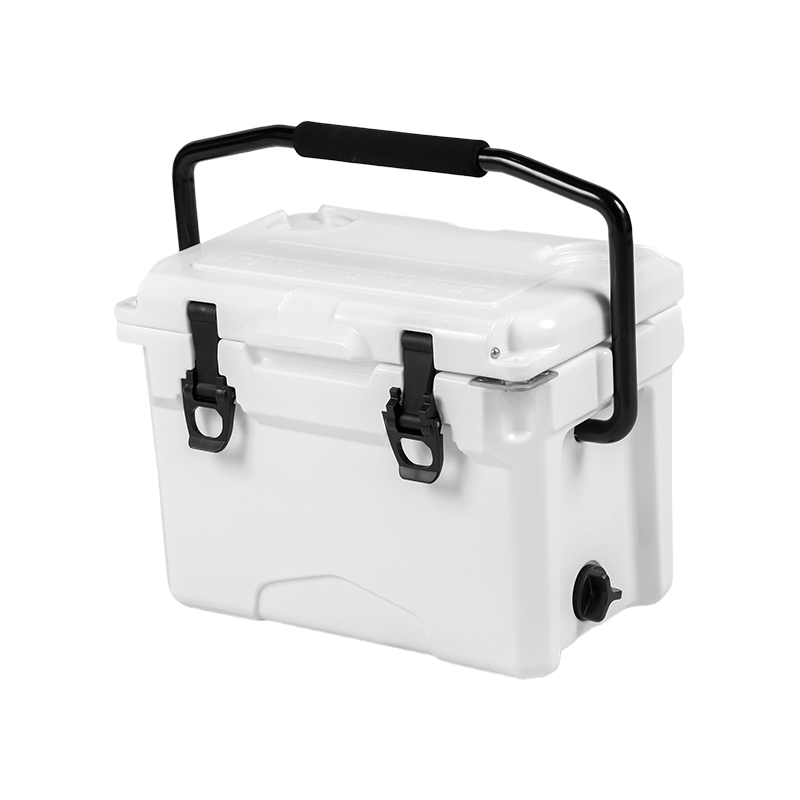
Why Choose a Rotomolded Cooler? Rotomolded Coolers: A Brief Introduction The Pinnacle of Portable Cooling Technology The modern era of outdoor recreation and de...
See Details -
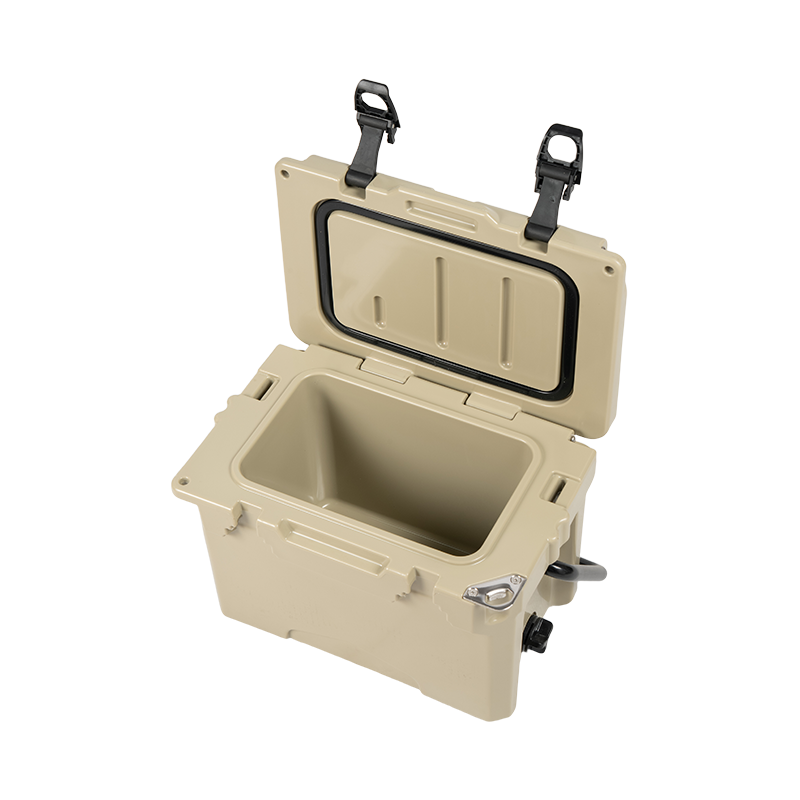
Introduction to Insulated Fish Tubs When you're out on the water, whether it's a deep-sea fishing trip or a relaxing day at the lake, the freshness of your catc...
See Details -
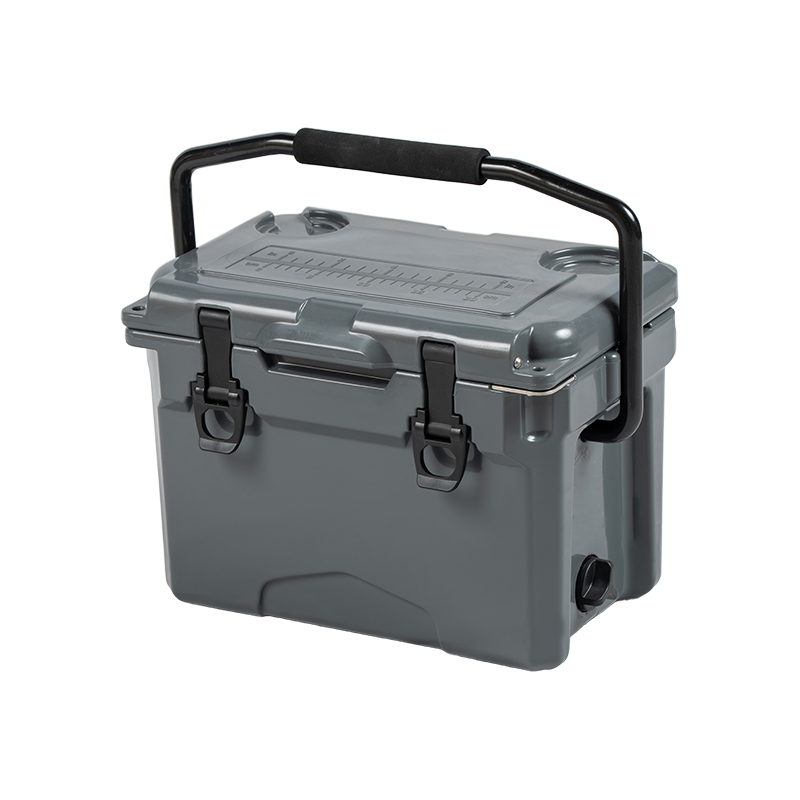
1. Insulation Quality in Outdoor Cooler Boxes When choosing an outdoor cooler box, one of the most critical factors to consider is insulation quality. The insul...
See Details -
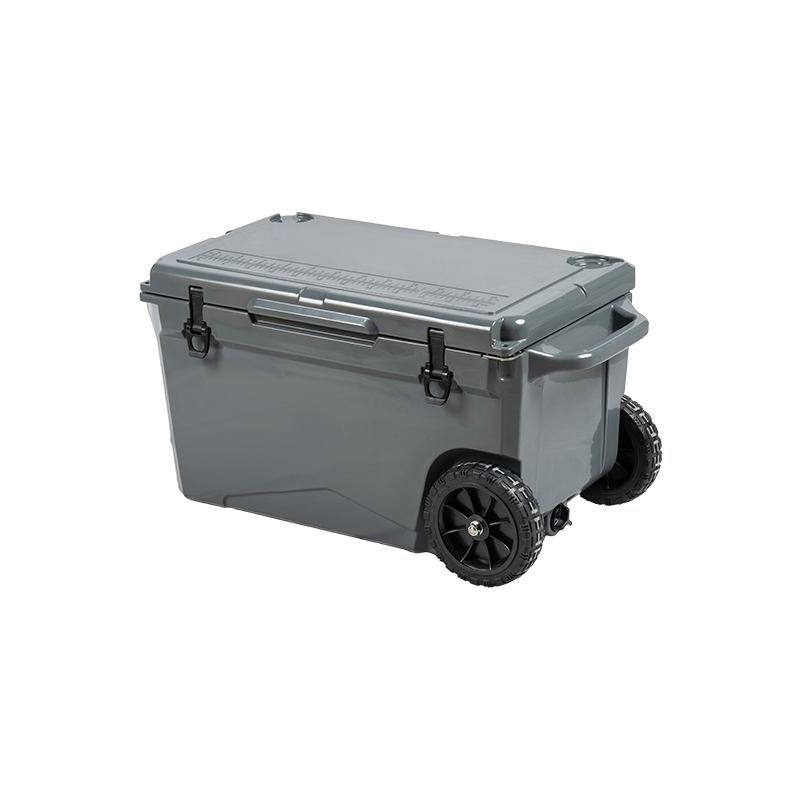
The Unmatched Advantage of ROTOMOLDING COOLER BOX Defining the Premium Standard: What exactly is a ROTOMOLDING COOLER BOX? The ROTOMOLDING COOLER BOX is not mer...
See Details
Be the First to Know
For exclusive deals and the latest offers, sign up by entering your email address below.


Contact Info
 No. 6, Guantong Road, South Zone, Xiaocaoe Town Industrial Park, Ningbo, Zhejiang, China
 +86 13736107260
  [email protected]
 Qr Code



Copyright © Ningbo Nelgreen Outdoor Products Co., Ltd. All Rights
Reserved
 OEM/ODM Seafood Insulated Boxes Manufacturers