 EN
EN
 English
  русский
  Español
  Deutsch
  عربى
عربى 
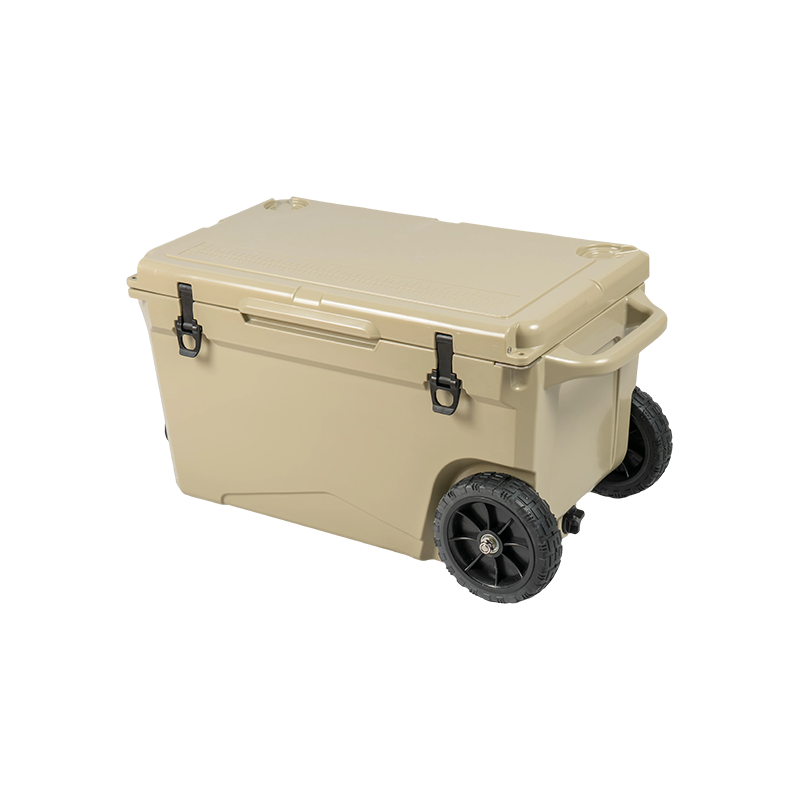
The 75QT NL-75 is a large wheeled model with an interior of about 66.2 × 34.1 × 35.8 cm. It is suited to offshore fishing, boating, family barbecues and group events where more ice, drinks, food or ca...
See Details
What an Insulated Fish Box Costs and Which Size to Choose?
2026-08-06
The short answer to how much does a fish box cost is that a standard rotomolded Insulated Fish Box typically runs from around 60 to 250 US dollars for consumer and small commercial sizes, while industrial capacity units built for seafood processing plants and cold chain logistics can range from 300 to over 800 US dollars depending on wall thickness, volume, and included hardware such as drain valves and reinforced lids.
For buyers comparing specific models, NL100L Plastic Insulated Fish Tub for Seafood Transport from Ningbo Nelgreen Outdoor Products Co., Ltd. is a practical mid volume option suited to fishing boats, market stalls, and short haul delivery, while the NL220L Thickened Seafood Industrial Insulated Fish Tubs is built for larger processing operations and long distance seafood transport where wall thickness and holding time matter more than portability. The rest of this guide breaks down sizing, pricing factors, and which option fits which use case.
What Is an Insulated Fish Box and How It Differs from Insulated Fish Totes
An Insulated Fish Box is a rigid, rotationally molded container built with a foam core between double walls to slow heat transfer, keeping seafood cold for extended periods without constant ice replenishment. The design goal is simple: hold internal temperature near freezing for as long as possible while resisting cracking, impact damage, and saltwater corrosion during handling.
The term insulated fish totes is often used interchangeably with fish box in the industry, though totes typically refer to units designed for stacking and repeated reuse within a supply chain, often with reinforced corners and forklift compatible bases. A fish box aimed at a single boat owner may prioritize a lighter shell and an integrated drain plug, while a fish tote aimed at a processing facility prioritizes stackability, uniform dimensions, and durability across hundreds of load cycles.
Core Construction Features
- Double wall rotomolded polyethylene shell resistant to saltwater and UV exposure
- Closed cell foam insulation injected between the inner and outer walls
- Gasket sealed, latching lid to reduce cold air loss
- Bottom drain valve for meltwater removal without opening the lid
- Reinforced corners and stackable rims for storage and transport
How Much Does a Fish Box Cost: Price Ranges by Size and Use
Price for an insulated fish box scales with three main factors: internal volume, wall and foam thickness, and included hardware like drain valves, wheels, or reinforced hinges. Buyers frequently ask how much does a fish box cost without realizing that a 100 liter unit and a 220 liter unit are not simply scaled versions of the same price, since wall thickness and material volume increase disproportionately at larger sizes to maintain structural strength.
| Capacity Range | Typical Price Range | Common Use |
|---|---|---|
| Under 50 liters | 60 to 120 US dollars | Recreational fishing, small market stalls |
| 80 to 120 liters | 150 to 300 US dollars | Fishing boats, short haul seafood delivery |
| 200 liters and above | 350 to 800 plus US dollars | Processing plants, long distance cold chain logistics |
Beyond capacity, buyers should factor in freight cost separately, since these are large volume, lightweight items where shipping can add a meaningful percentage to the landed cost, particularly for bulk container orders sourced directly from a manufacturer.
Another cost factor worth noting is the hardware level included with a given model. A basic unit with a simple latch and no drain valve will sit at the lower end of its size bracket, while a unit with a reinforced hinge, a threaded drain valve, and molded in wheels or handles will typically command a price toward the higher end. For commercial buyers, the extra spend on hardware usually pays for itself through reduced breakage and faster loading during busy harvest or delivery periods.
NL100L Plastic Insulated Fish Tub for Seafood Transport: Specifications and Use Cases
The NL100L Plastic Insulated Fish Tub for Seafood Transport is designed as a mid capacity workhorse for operations that need reliable cold retention without the bulk of an industrial sized tub. At 100 liters, it offers enough volume for a full day's catch on a small to mid sized fishing vessel, or a single delivery run for a seafood market.
Where the NL100L Fits Best
- Independent fishing boats needing onboard cold storage
- Local seafood delivery routes under a few hours in duration
- Wet markets and roadside seafood vendors
- Small scale aquaculture operations moving live or fresh stock short distances
Because it sits in the middle of the size range, the NL100L is also a common choice for operators who want one tub size that covers most daily needs without investing in multiple capacities. Its lighter weight compared to the 220 liter model makes it easier for a single person to load and unload without mechanical assistance.
NL220L Thickened Seafood Industrial Insulated Fish Tubs: Specifications and Use Cases
The NL220L Thickened Seafood Industrial Insulated Fish Tubs targets a different tier of operation entirely. The word thickened in the product name refers to an increased foam core and wall thickness compared to standard consumer grade tubs, which extends ice retention time significantly and makes the unit suited to long distance transport where the box may not be opened for many hours at a stretch.
Why Thickened Walls Matter for Industrial Transport
Standard insulation thickness is adequate for short trips, but industrial cold chain logistics often involve transit times exceeding 24 hours, sometimes crossing multiple handling points between the harbor and the final retail or processing destination. A thicker foam core reduces the rate of heat gain through the walls, which directly extends the time seafood stays below safe temperature thresholds without needing additional ice.
Where the NL220L Fits Best
- Seafood processing plants moving high volumes between stations
- Export operations requiring extended cold retention during customs and freight delays
- Wholesale distributors supplying multiple retail locations from a single load
- Large fishing vessels with extended time at sea between harbor returns
Choosing Between the NL100L and the NL220L
The decision between these two models usually comes down to three questions: how long does the seafood need to stay cold, how much volume needs to move per trip, and how many people are available to handle the loaded tub.
| Factor | NL100L | NL220L |
|---|---|---|
| Capacity | 100 liters | 220 liters |
| Wall thickness | Standard | Thickened for extended insulation |
| Best transit duration | Under several hours | Extended multi day cold retention |
| Typical operator | Independent fishers, market vendors | Processing plants, wholesale distributors |
| Handling | Manageable by one person when loaded | Often requires forklift or two person lift when full |
Why Ningbo Nelgreen Outdoor Products Co., Ltd. Is a Reliable Source for Fish Tubs
Ningbo Nelgreen Outdoor Products Co., Ltd. manufactures rotomolded insulated containers designed specifically for the demands of the seafood supply chain, from single boat operators to full scale processing facilities. Buyers sourcing insulated fish tubs directly from a manufacturer typically benefit from more consistent wall thickness across production batches, since rotomolding tolerances can vary noticeably between smaller workshops and dedicated manufacturing lines built around this process.
For buyers placing bulk or repeat orders, working directly with a manufacturer rather than a reseller also generally shortens the supply chain, reduces per unit cost at volume, and allows for custom branding or minor specification adjustments such as drain valve placement or lid hinge reinforcement that would not be available through a general distributor.
Care Tips to Extend the Life of an Insulated Fish Box
Proper care significantly extends the working life of any insulated fish box or tote, particularly given the harsh saltwater and temperature cycling environment these units operate in daily.
- Rinse the interior and drain valve with fresh water after every use to prevent salt crystal buildup that can damage seals over time
- Store the unit with the lid slightly propped open when not in use to prevent trapped moisture and odor buildup
- Avoid dragging a loaded tub across rough or abrasive surfaces, which can wear through the outer shell over repeated use
- Inspect the drain valve gasket regularly, since a worn gasket is the most common source of slow leaks and reduced insulation performance
- Keep the unit out of direct prolonged sunlight when not in active use to reduce UV related shell degradation
With this level of care, a quality rotomolded fish tub can reasonably be expected to remain in reliable service for 5 to 10 years of regular commercial use, making the upfront cost a relatively small expense relative to its operating lifespan.
Frequently Asked Questions
1. What is the difference between an insulated fish box and a regular cooler?
A regular cooler is generally built for occasional consumer use, while an insulated fish box uses thicker rotomolded walls, reinforced hardware, and drain features designed for repeated heavy duty commercial handling in wet, saltwater environments.
2. How much does a fish box cost compared to a metal ice chest?
A rotomolded insulated fish box is often priced similarly to or below a comparable metal ice chest at the same capacity, while typically offering better insulation performance and resistance to corrosion in saltwater environments.
3. Are insulated fish totes stackable for storage?
Most insulated fish totes are designed with reinforced rims and uniform footprints specifically so empty units can be stacked to save storage space between uses.
4. How long will ice last inside an NL100L Plastic Insulated Fish Tub for Seafood Transport?
Under typical ambient conditions with the lid kept closed, ice retention commonly lasts a full working day or more, though exact duration depends on ambient temperature, fill ratio, and how frequently the lid is opened.
5. Why choose the NL220L Thickened Seafood Industrial Insulated Fish Tubs over a standard 220 liter tub?
The thickened wall and foam core construction is specifically engineered to extend cold retention beyond what a standard wall thickness tub can achieve, which matters most for long distance or multi day transport scenarios.
6. Can insulated fish boxes be used for live seafood transport?
Yes, many operators use insulated fish tubs for live transport with aeration equipment added, since the insulated walls help maintain stable water temperature during transit, which reduces stress on live stock.
7. Does buying directly from Ningbo Nelgreen Outdoor Products Co., Ltd. reduce cost for bulk orders?
Buying directly from the manufacturer for bulk or repeat orders typically reduces per unit pricing compared to purchasing through an intermediary distributor, since it removes an additional markup layer from the supply chain.
8. What size fish tub is best for a small fishing boat?
For a small to mid sized fishing boat, a capacity in the 80 to 120 liter range, such as the NL100L, is generally sufficient for a full day's catch while remaining manageable for one person to handle.
9. How should the drain valve be maintained on an insulated fish box?
Rinse the drain valve with fresh water after each use, check the gasket periodically for wear, and avoid forcing the valve open when it is frozen or clogged with debris to prevent damaging the seal.
10. Is a thicker wall always better when choosing an insulated fish tub?
Not necessarily. A thicker wall improves cold retention but adds weight and reduces usable interior volume for a given exterior size, so the right choice depends on whether transit duration or portability matters more for a specific operation.
Our R&D team has over 15 years of rich experience in the field of rotational molding products and has applied for 6 product patents. The number of factory employees has exceeded 100. Strict management and quality control have enabled us to take the leading position in the industry. In addition, the experienced sales team can provide customers with a variety of solutions and high-quality services.
Related products
-
-
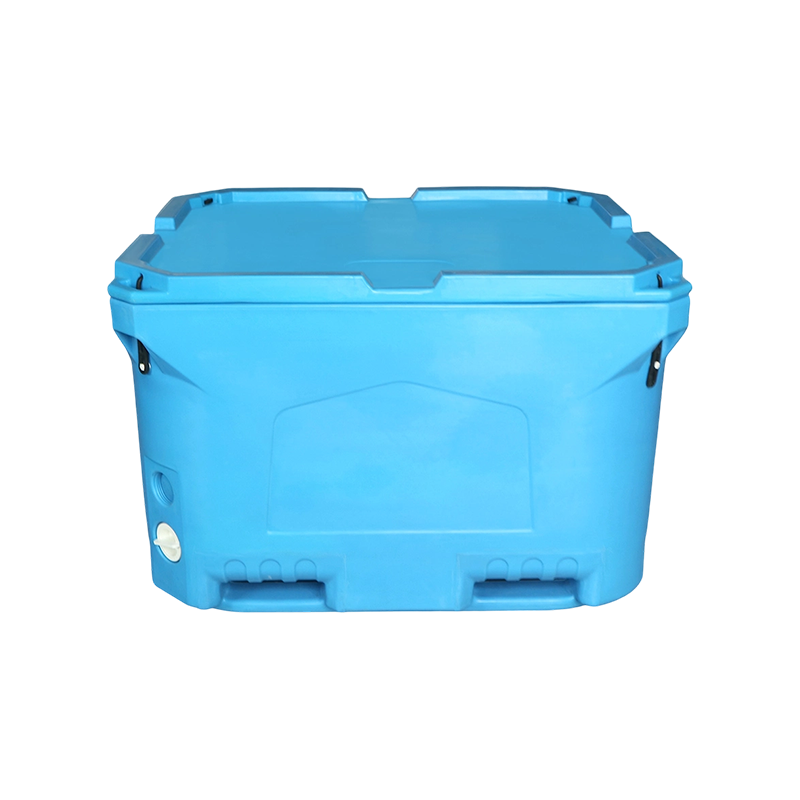
The NL-660 660L has an interior of about 114 × 94 × 63 cm, with a broad footprint suited to seafood distribution, dock loading and batch handling in processing plants. The wider floor area can accommo...
See Details -
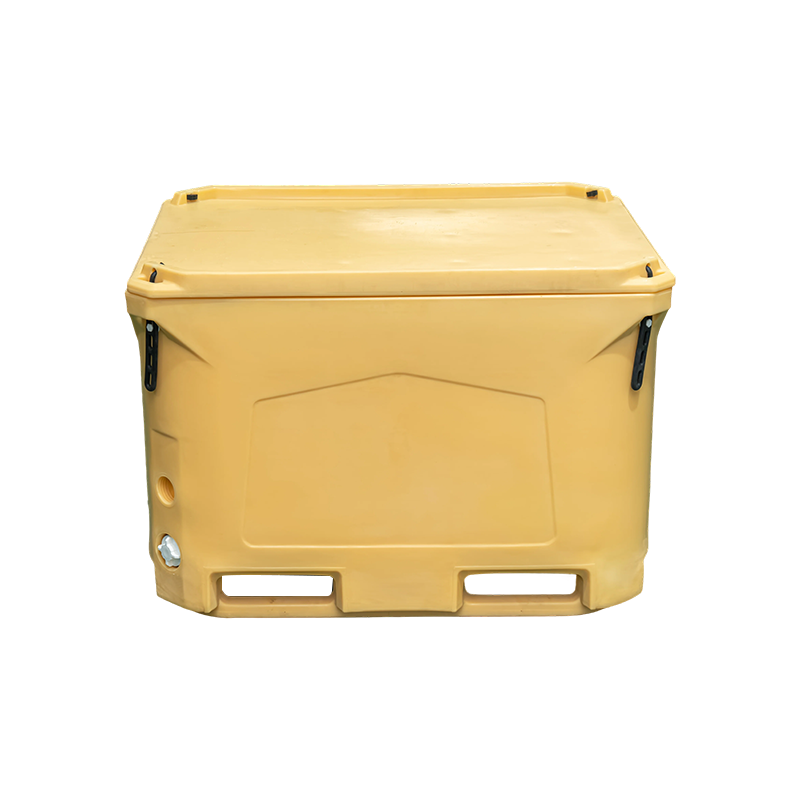
The NL-330 330L has an interior of about 92 × 68 × 53 cm and is particularly useful for sorting after vessel landing and handling medium seafood batches. Its food-grade LLDPE rotomolded body with PU i...
See Details -
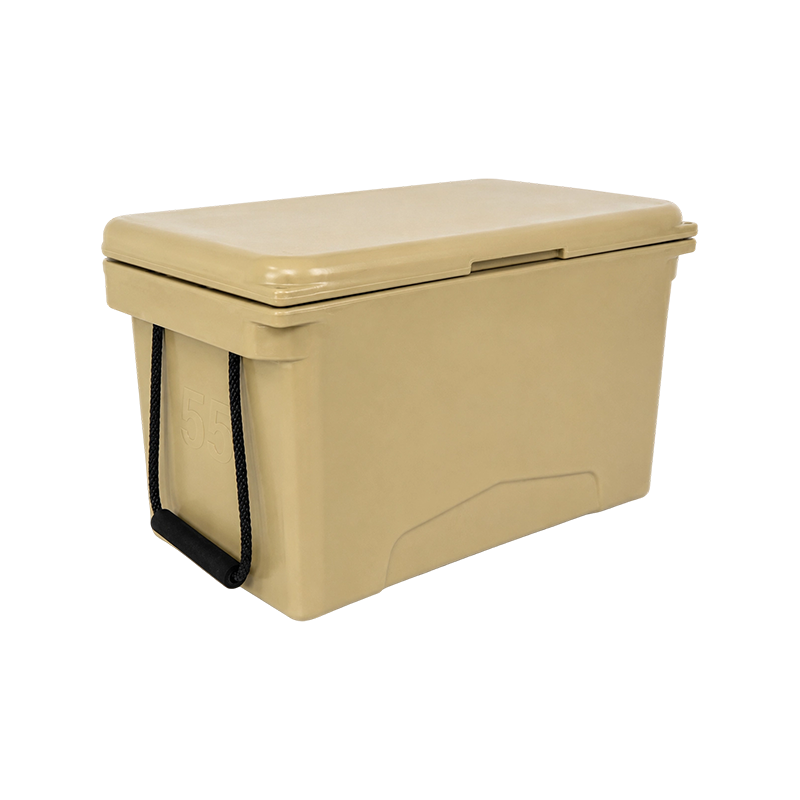
The 55QT NL-55 has a balanced interior of about 55 × 31 × 32 cm, which makes it a versatile model. It works for weekend camping, group drinks, fishing and vehicle storage, offering more room than a 40...
See Details -
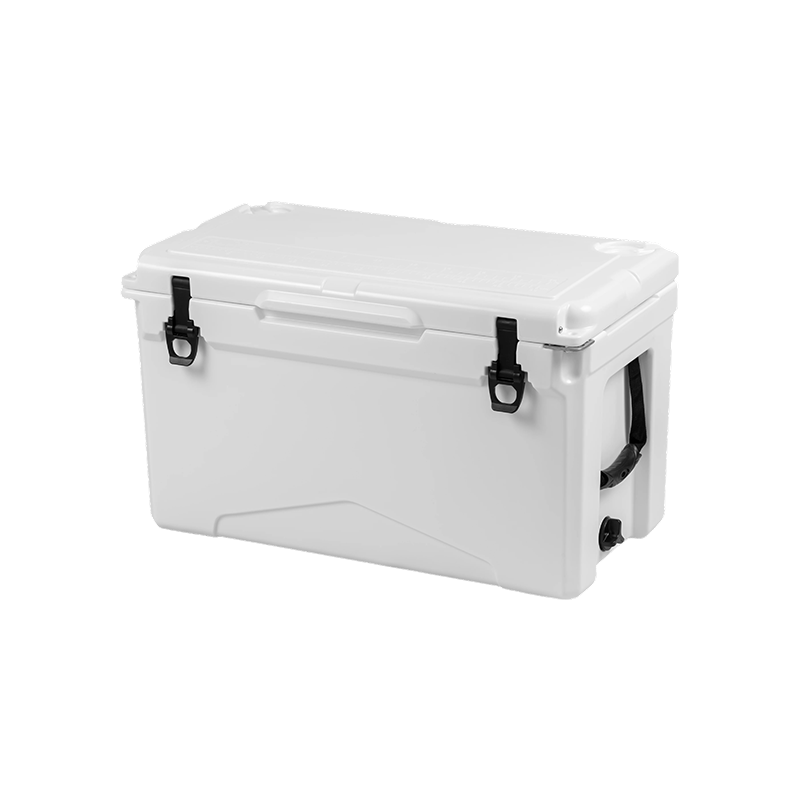
The 50QT NL-50 has an interior of about 55.1 × 27.8 × 32.5 cm and a long-body format that naturally suits marine and boat use. Longer fish, bottled drinks and rows of food packs can be arranged more e...
See Details -
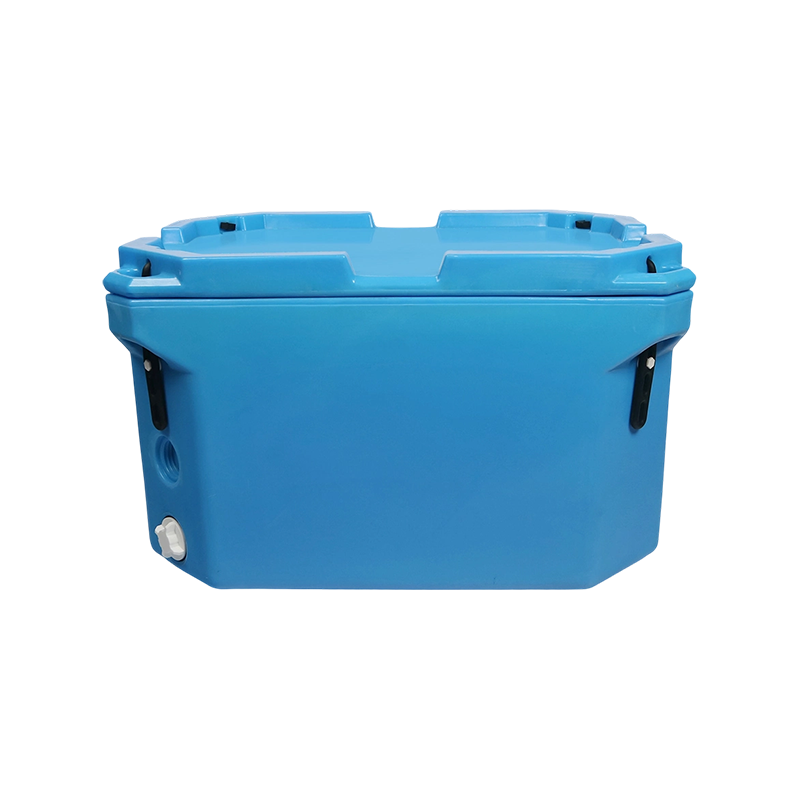
The NL-100 100L is the more compact and flexible size in the industrial fish-tub range, with an interior of about 68 × 48 × 38 cm. Its food-grade LLDPE rotomolded body and PU insulation suit catering ...
See Details
Related News
-
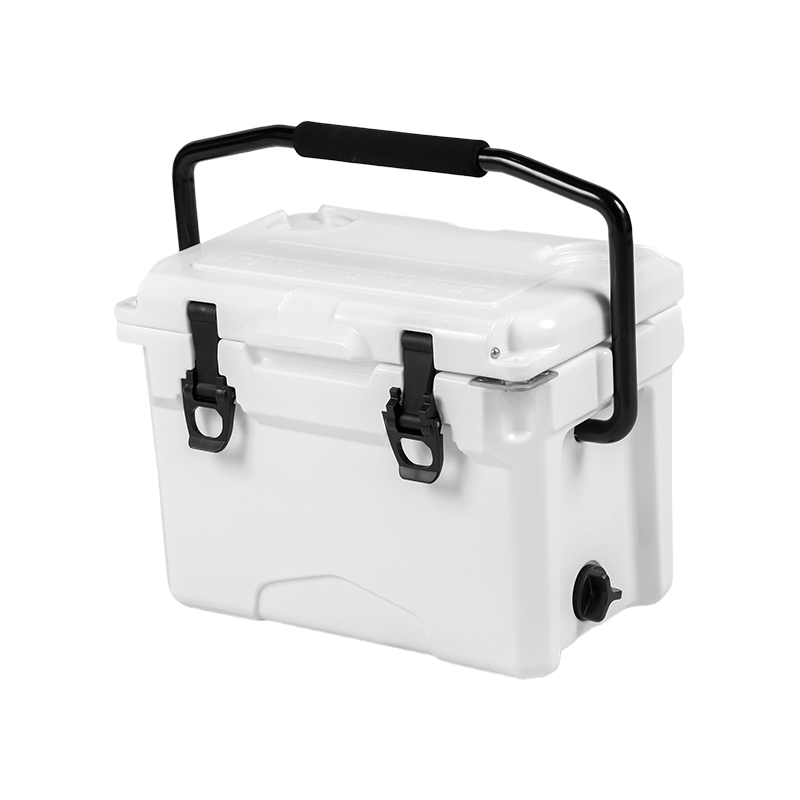
Why Choose a Rotomolded Cooler? Rotomolded Coolers: A Brief Introduction The Pinnacle of Portable Cooling Technology The modern era of outdoor recreation and de...
See Details -
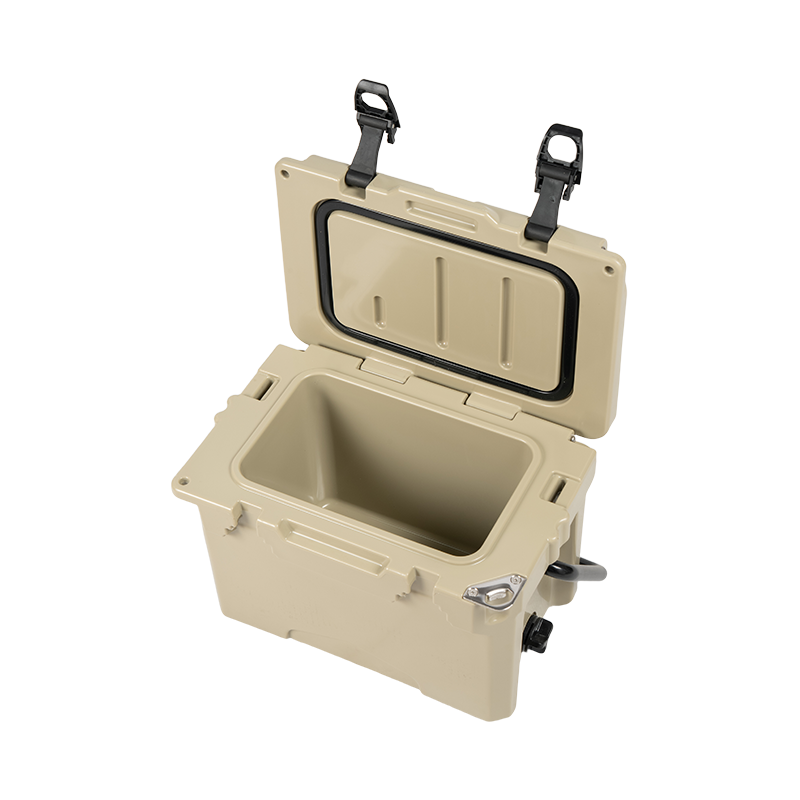
Introduction to Insulated Fish Tubs When you're out on the water, whether it's a deep-sea fishing trip or a relaxing day at the lake, the freshness of your catc...
See Details -
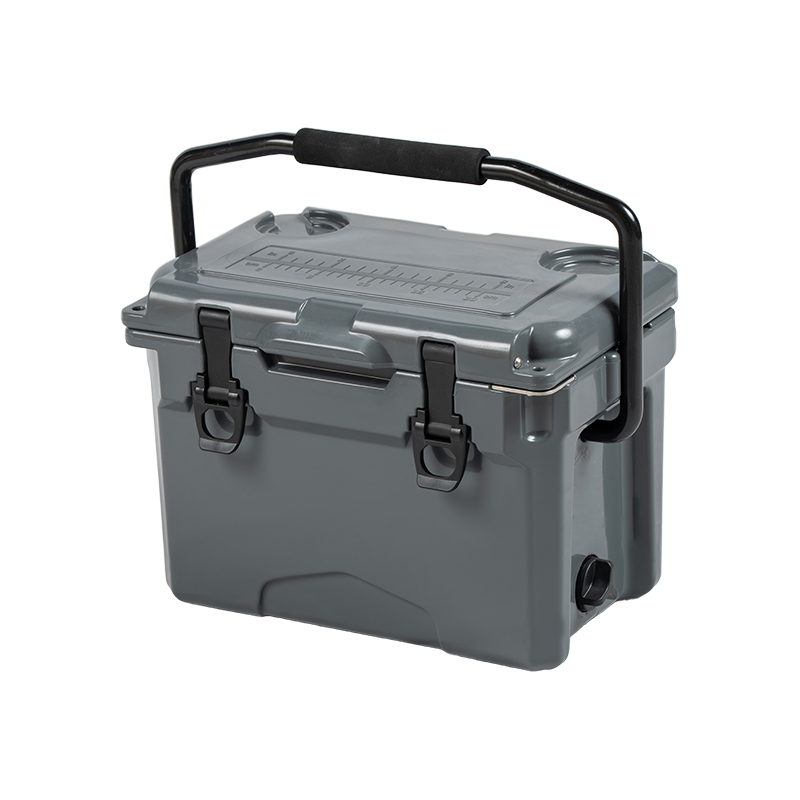
1. Insulation Quality in Outdoor Cooler Boxes When choosing an outdoor cooler box, one of the most critical factors to consider is insulation quality. The insul...
See Details -
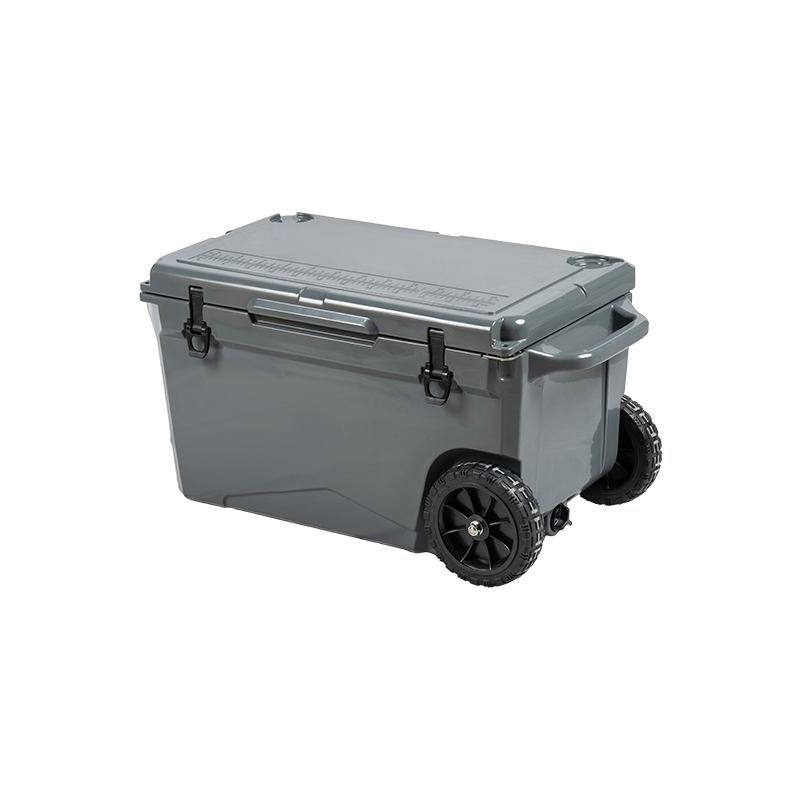
The Unmatched Advantage of ROTOMOLDING COOLER BOX Defining the Premium Standard: What exactly is a ROTOMOLDING COOLER BOX? The ROTOMOLDING COOLER BOX is not mer...
See Details
Be the First to Know
For exclusive deals and the latest offers, sign up by entering your email address below.


Contact Info
 No. 6, Guantong Road, South Zone, Xiaocaoe Town Industrial Park, Ningbo, Zhejiang, China
 +86 13736107260
  [email protected]
 Qr Code



Copyright © Ningbo Nelgreen Outdoor Products Co., Ltd. All Rights
Reserved
 OEM/ODM Seafood Insulated Boxes Manufacturers