 EN
EN
 English
  русский
  Español
  Deutsch
  عربى
عربى 
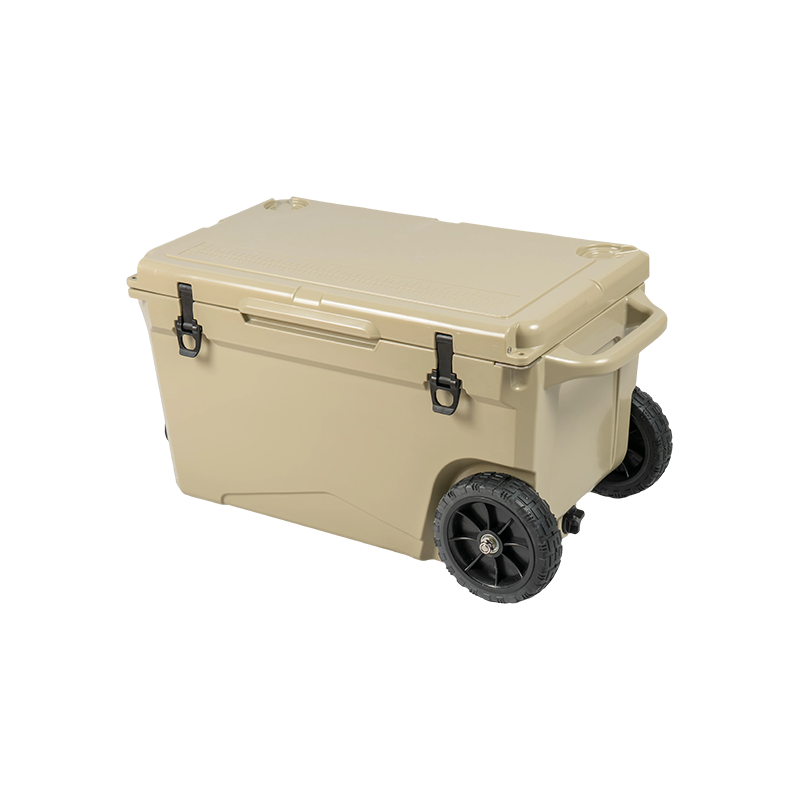
The 75QT NL-75 is a large wheeled model with an interior of about 66.2 × 34.1 × 35.8 cm. It is suited to offshore fishing, boating, family barbecues and group events where more ice, drinks, food or ca...
See Details
How to Choose the Right Camping Cooler Box for Your Outdoor Adventures?
2026-07-16
What Is a Camping Cooler Box and How Does It Work?
Camping cooler box is an insulated container designed to keep food and beverages cold (or occasionally warm) for extended periods while outdoors. It typically consists of a sturdy outer shell, an insulating layer (polyurethane foam, expanded polystyrene, or VIP panels), and a tight‑sealing lid. The combination of thick insulation and a proper seal slows the transfer of heat, maintaining the internal temperature as long as possible. Some cooler boxes also feature drainage plugs, built‑in cup holders, or tie‑down points for secure transport.
Modern camping cooler boxes are engineered to keep ice frozen for several days, even in hot ambient temperatures. The effectiveness depends on several factors, including the quality of insulation, the thickness of the walls, the ambient temperature, how often the cooler is opened, and the amount of ice relative to the contents.
Unlike cheap styrofoam coolers that may last only a few hours, high‑end camping cooler boxes can keep ice for five days or more, making them indispensable for off‑grid adventures, fishing trips, and tailgating events.
Types of Camping Cooler Boxes: Which Style Suits You Best?
Camping cooler boxes come in a variety of designs, each tailored to different activities, preferences, and budgets. Understanding these types is the first step in narrowing down your choices.
Rotomolded Coolers
Rotomolded (rotationally molded) coolers are the premium choice for serious outdoor enthusiasts. These are constructed by placing plastic resin in a mold and rotating it while heating, creating a seamless, thick, and extremely durable shell. The walls are often filled with high‑density polyurethane foam for superior insulation. Rotomolded coolers are bear‑resistant (in many cases), virtually indestructible, and can keep ice for five to ten days or more. However, they are heavy, bulky, and relatively expensive.
Popular brands like Yeti, Pelican, Grizzly, and ORCA have popularized this segment. These coolers are ideal for long expeditions, remote camping, hunting, and any situation where durability and ice retention are paramount.
Hard‑Sided Coolers (Non‑Rotomolded)
These are the traditional coolers most people grew up with. They are made from injection‑molded plastic with a foam core, offering a good balance of affordability, weight, and performance. While they are not as robust as rotomolded coolers, they are much lighter and more affordable. Ice retention typically ranges from two to four days, depending on the quality. Brands like Coleman, Igloo, and Engel offer a wide selection in this category. They are excellent for day trips, weekend camping, and family outings where extreme durability is not critical.
Soft‑Sided Coolers
Soft‑sided camping cooler boxes are made from fabrics like nylon, polyester, or TPU‑coated materials, with foam or closed‑cell insulation. They are lightweight, collapsible, and easy to carry. They are perfect for short hikes, beach days, and as secondary coolers for drinks. However, ice retention is limited—typically 12 to 24 hours—and they are not bear‑resistant. Some high‑end soft coolers (like Yeti Hopper or Engel) use thicker insulation and can hold ice for up to two days, but they still cannot match hard‑sided coolers for long‑term performance.
Electric Cooler Boxes
Electric or thermoelectric cooler boxes plug into a vehicle's 12V outlet (or a portable power station) to actively cool (or warm) the interior using a solid‑state heat pump. They do not require ice, so you save space and avoid messy water. However, they consume battery power and only cool to about 30°F below ambient temperature, which may not be enough for hot conditions. They are best for road trips where you have continuous access to power. Some also feature dual‑zone compartments for simultaneous cooling and freezing.
Backpack Coolers
A subcategory of soft‑sided coolers, backpack coolers are designed with shoulder straps and a backpack form factor, making them easy to carry on hiking trails or to the beach. They typically hold enough for a day's supply of food and drinks and offer moderate insulation.
Key Features to Consider When Buying a Camping Cooler Box
With so many options, it is essential to evaluate the features that matter most for your intended use.
Ice Retention Performance: This is often the most critical factor. Look for coolers that specify ice retention in hours or days under standard conditions (e.g., 90°F ambient, 2:1 ice‑to‑contents ratio). Rotomolded coolers generally lead in this category. Check independent reviews for real‑world performance.
Insulation Thickness and Material: Thicker insulation (typically 2 to 3 inches for premium coolers) and high‑quality foam (polyurethane is superior to polystyrene) provide better thermal resistance. Some high‑end models use vacuum‑insulated panels (VIPs) for even better performance without increasing wall thickness.
Construction and Durability: For rough handling, bear country, or off‑road use, a rotomolded cooler with reinforced hinges, heavy‑duty latches, and UV‑resistant materials is essential. For casual use, a lighter plastic cooler is sufficient.
Seal and Lid Design: A tight‑sealing gasket prevents warm air from entering. Look for a freezer‑quality rubber or silicone gasket. The lid should have a robust latching system—some coolers have a rubber gasket and a pressure‑release valve for altitude changes.
Capacity and Size: Determine how much volume you need. Capacity is usually measured in quarts or litres. For a weekend trip for two people, 30‑50 quarts is common. For a family of four or a week‑long trip, 70‑100 quarts or more may be needed. Remember that a larger cooler requires more ice to fill the space, so do not overbuy unless necessary.
Portability and Weight: Consider how you will transport the cooler. A heavy, bulky cooler is difficult to move, especially when fully loaded. Look for models with sturdy handles, wheels (for larger models), or backpack straps (for soft coolers).
Drainage System: A built‑in drain plug makes it easy to release melted ice water without tilting the cooler. Some high‑end coolers have a threaded drain with a hose adapter for quick draining.
Additional Features: Some coolers include built‑in cup holders, bottle openers, dividers, cutting boards, or storage nets. While these are not essential, they can enhance convenience.
Price and Warranty: Rotomolded coolers can cost from $200 to over $600, while traditional coolers are often under $100. Consider your budget and the warranty—many premium brands offer a lifetime warranty, reflecting their confidence in durability.
How to Maximize Ice Retention in Your Camping Cooler Box
Even the best cooler can underperform if not used correctly. Here are proven tips to extend ice life.
Pre‑chill the cooler: Before packing, cool the interior with ice or frozen gel packs for a few hours. This reduces the initial heat load.
Pre‑chill contents: Place food and drinks in the refrigerator before packing. Do not put warm items in the cooler, as they will quickly melt ice.
Use block ice or dry ice: Large blocks melt slower than cubes. Dry ice can be used for extreme conditions (but handle with care and ensure ventilation).
Maximize ice‑to‑contents ratio: A good rule is to use a 2:1 ratio of ice to contents. More ice means longer cooling.
Minimize openings: Each time you open the lid, warm air enters. Plan your needs and retrieve items quickly.
Use a separate cooler for drinks: If possible, keep a separate cooler for drinks, as they are opened frequently, while a dedicated cooler for food remains closed.
Fill empty space: Air space promotes ice melt. Fill voids with crumpled newspaper, towels, or additional ice to reduce air circulation.
Keep out of direct sunlight: Place the cooler in the shade or cover it with a reflective blanket to reduce solar heat gain.
Following these practices can significantly extend the effective life of your ice, sometimes by an extra day or more.
Camping Cooler Box vs. Electric Cooler: Which Is Better?
This is a common dilemma for modern campers. Both have their place, depending on the nature of your trip.
A traditional camping cooler box relies on ice and insulation. It is independent of power, silent, and can keep contents cold for several days if properly packed. It is ideal for off‑grid camping, canoe trips, and any situation where power is unavailable. The downside is the need to purchase or make ice, the space taken by ice, and the weight of melted water.
An electric cooler uses 12V or 120V power to actively cool the interior. It does not need ice, saving space and weight. It can maintain a consistent temperature, even freezing, if the model has a compressor. However, it requires a power source—a vehicle battery, portable power station, or campsite hookup. It can drain batteries, and its cooling capacity is limited by ambient temperature (thermoelectric types) or power availability. Compressor‑based electric coolers are much more efficient and can reach freezing temperatures but are more expensive.
For short road trips with access to vehicle power, an electric cooler can be very convenient. For backcountry camping or extended stays without power, a high‑quality camping cooler box is the better choice.
How to Clean and Maintain Your Camping Cooler Box
Proper care extends the life of your cooler and prevents unpleasant odors.
After each trip, empty the cooler, discard any leftover ice, and clean the interior with a mild soap solution and warm water. Use a soft cloth or sponge—do not use abrasive cleaners that can scratch plastic surfaces. Rinse thoroughly to remove soap residue. To eliminate stubborn odors, use a mixture of baking soda and water, or wipe with a diluted vinegar solution. Allow the cooler to air dry completely with the lid open before storing, to prevent mold and mildew.
For long‑term storage, keep the cooler in a cool, dry place with the lid slightly open to allow air circulation. Check the gasket for cracks or wear and replace if necessary. Lubricate hinges and latches with a silicone spray to keep them operating smoothly.
If your cooler has a drain plug, periodically clean the plug and its seal to prevent leakage.
Sustainability and Environmental Considerations
When choosing a camping cooler box, it is worth considering its environmental impact. Many premium coolers are built to last a lifetime, reducing the need for frequent replacements and ultimately lowering waste. Some brands use recycled materials or offer repair services to extend product life.
To minimize your ecological footprint, opt for a cooler with high ice retention, as this reduces the frequency of ice purchases and the energy used to produce ice. When possible, use reusable ice packs or frozen water bottles instead of bagged ice, which reduces plastic waste.
At the end of its useful life, check with local recycling facilities to see if the cooler can be recycled—some plastics and metals can be processed, though insulation foam is often not recyclable. Some manufacturers offer recycling programs, so inquire with them.
By choosing durable, long‑lasting coolers, you contribute to a circular economy and reduce the environmental burden of disposable alternatives.
Frequently Asked Questions About Camping Cooler Boxes
What is a camping cooler box?
A camping cooler box is an insulated container designed to keep food and beverages cold (or warm) for extended periods while outdoors. It is typically made with a durable outer shell, thick insulation, and a tight‑sealing lid, and is used for camping, picnics, tailgating, and other outdoor activities.
How long can a camping cooler box keep ice?
Ice retention varies widely. Economy coolers may hold ice for 1‑2 days, mid‑range coolers 2‑4 days, and premium rotomolded coolers can keep ice for 5‑10 days or more, depending on ambient temperature, ice quality, and usage habits.
What is the difference between rotomolded and regular coolers?
Rotomolded coolers are made by rotational molding, creating a seamless, thick, and durable shell with superior insulation. They are heavier, more expensive, and have better ice retention and durability. Regular injection‑molded coolers are lighter, cheaper, and have moderate performance.
Are soft‑sided coolers as good as hard‑sided coolers?
Soft‑sided coolers are more portable and convenient for short trips, but they have lower ice retention (usually 12‑24 hours) and are less durable. Hard‑sided coolers are better for extended trips and heavy use.
What size camping cooler box do I need?
For a weekend trip for two people, 30‑50 quarts is typical. For a family of four or a week‑long trip, consider 70‑100 quarts. Also consider the duration—longer trips require more capacity for ice and food.
Can I use a camping cooler box for hot food?
Yes, many coolers can hold hot foods (though they are less efficient at retaining heat). For hot foods, pre‑heat the cooler with hot water and pack food in insulated containers to maintain temperature. However, most coolers are optimized for cold retention.
What is the best way to pack a camping cooler box for maximum ice retention?
Pre‑chill the cooler and contents, use a 2:1 ice‑to‑contents ratio, use block ice, minimize air space, keep the cooler in the shade, and reduce the frequency of openings.
Do camping cooler boxes require batteries?
No, standard camping cooler boxes are passive and do not require any power source. Electric cooler boxes do require a power source.
How do I clean a camping cooler box to prevent odors?
Clean with mild soap and warm water, rinse thoroughly, and air dry completely. For stubborn odors, use a baking soda solution or diluted vinegar.
What is a drain plug and why is it useful?
A drain plug is a small valve at the bottom of the cooler that allows melted ice water to be drained without tilting the cooler. This is especially useful when the cooler is heavy or when you want to add fresh ice without removing the contents.
Are camping cooler boxes bear‑proof?
Some rotomolded coolers are certified as bear‑resistant by the Interagency Grizzly Bear Committee (IGBC) when used with approved locking systems. Check the product specifications if you are camping in bear‑prone areas.
Can I use dry ice in my camping cooler box?
Yes, dry ice can be used for very long trips, but it is colder than regular ice and can freeze items. Use it in combination with regular ice and ensure adequate ventilation to avoid carbon dioxide buildup. Do not seal the cooler completely; leave a slight gap for gas release.
What is the best material for a camping cooler box?
High‑density polyethylene (HDPE) with polyurethane foam insulation is excellent for rotomolded coolers. For lighter duty, polypropylene with polystyrene foam is common. The choice depends on your budget and expected usage.
Can I use a camping cooler box for fishing or hunting?
Yes, many coolers are used for fish and game. Look for models with extra‑strong latches, non‑slip feet, and tie‑down points for secure transport. Some have fish rulers molded into the lid.
What is the warranty on a camping cooler box?
Warranties vary: basic coolers may have a 1‑year limited warranty, while premium brands often offer 3‑5 years or even a lifetime warranty. Always check the warranty terms before purchasing.
Our R&D team has over 15 years of rich experience in the field of rotational molding products and has applied for 6 product patents. The number of factory employees has exceeded 100. Strict management and quality control have enabled us to take the leading position in the industry. In addition, the experienced sales team can provide customers with a variety of solutions and high-quality services.
Related products
-
-
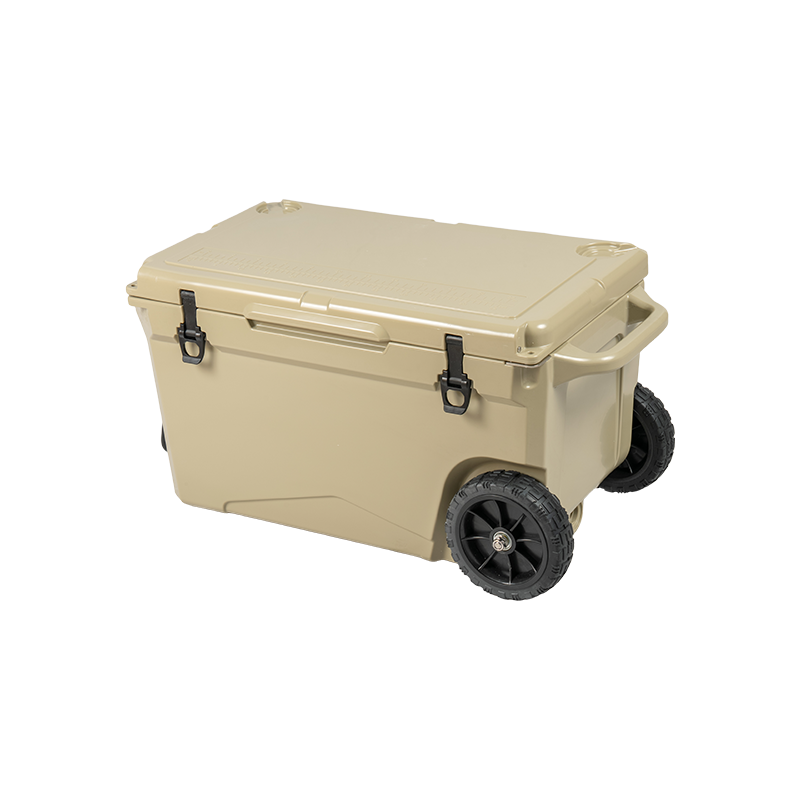
The 60QT NL-60 is defined not only by its larger capacity but also by its wheels. With an interior of about 62.7 × 32.5 × 32.8 cm, a full load of ice, drinks and food can become heavy, so the wheeled ...
See Details -
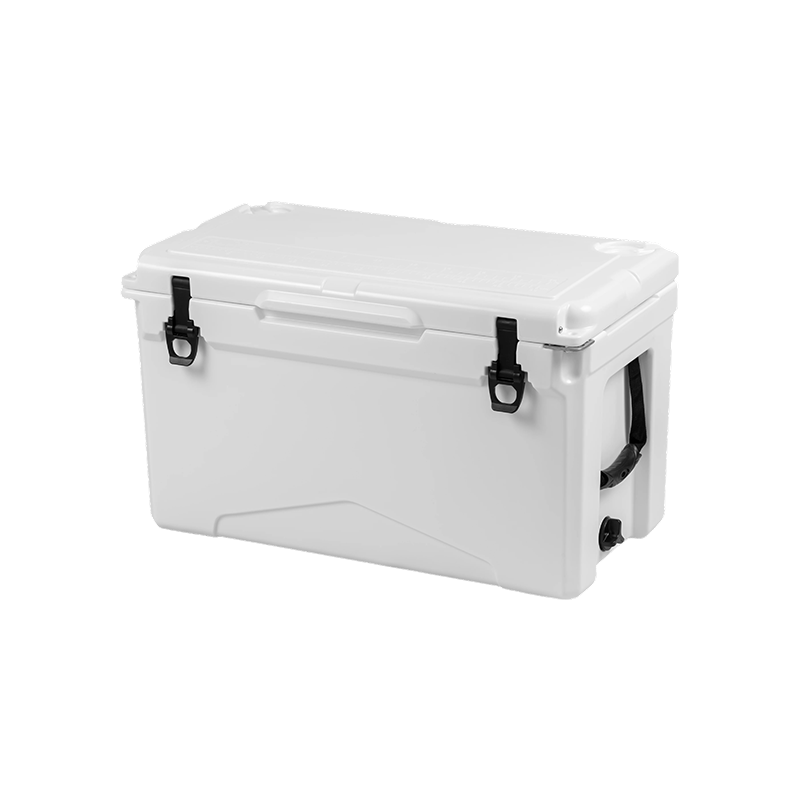
The 50QT NL-50 has an interior of about 55.1 × 27.8 × 32.5 cm and a long-body format that naturally suits marine and boat use. Longer fish, bottled drinks and rows of food packs can be arranged more e...
See Details -
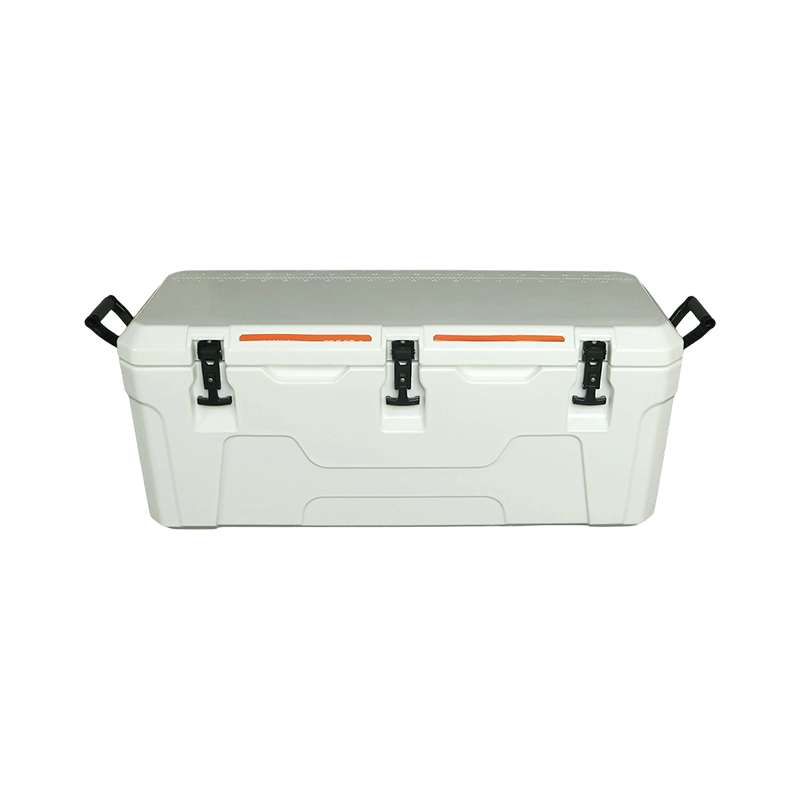
The 140QT NL-140 has an interior of about 105 × 32 × 38 cm, and its more-than-one-meter usable length is the key advantage of this model. It is better suited to larger fish, longer catch and supplies ...
See Details -
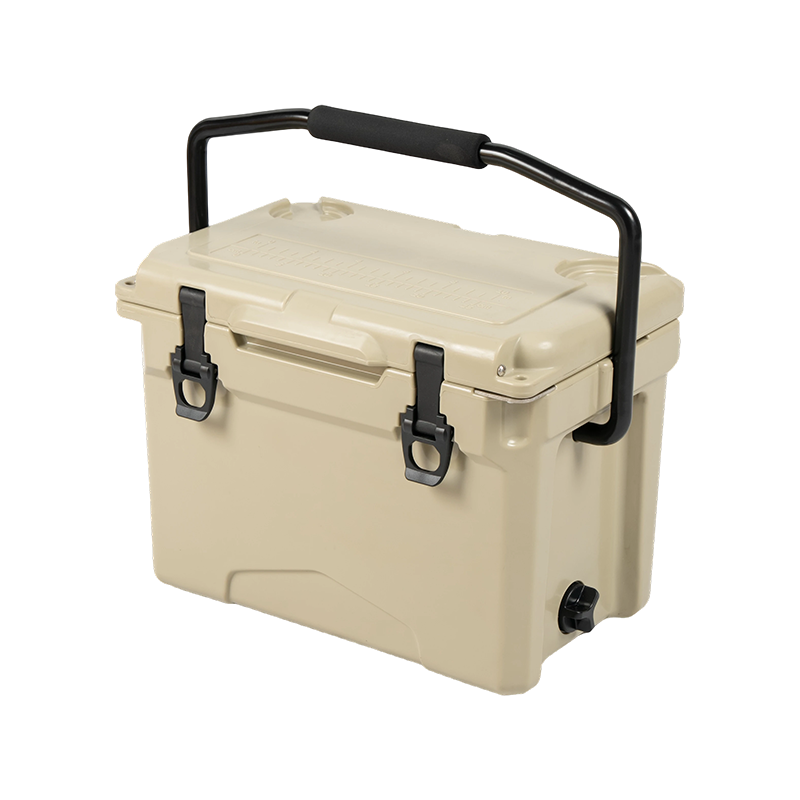
The 28QT NL-28 is noticeably taller than a conventional low-profile cooler. Its interior measures about 44.5 × 22 × 38 cm, giving extra vertical room for upright bottles and taller food containers. Th...
See Details -
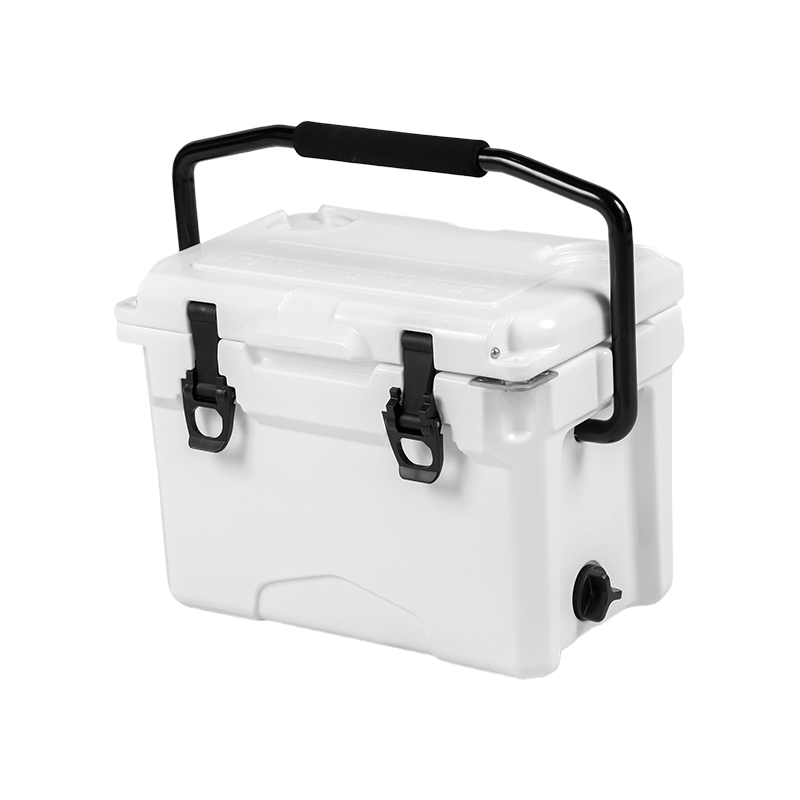
The 18QT NL-18 has an interior of about 35.3 × 21.7 × 25.8 cm, giving it noticeably more room than a personal lunch cooler without moving into bulky territory. It can carry ice, drinks and food for a ...
See Details
Related News
-
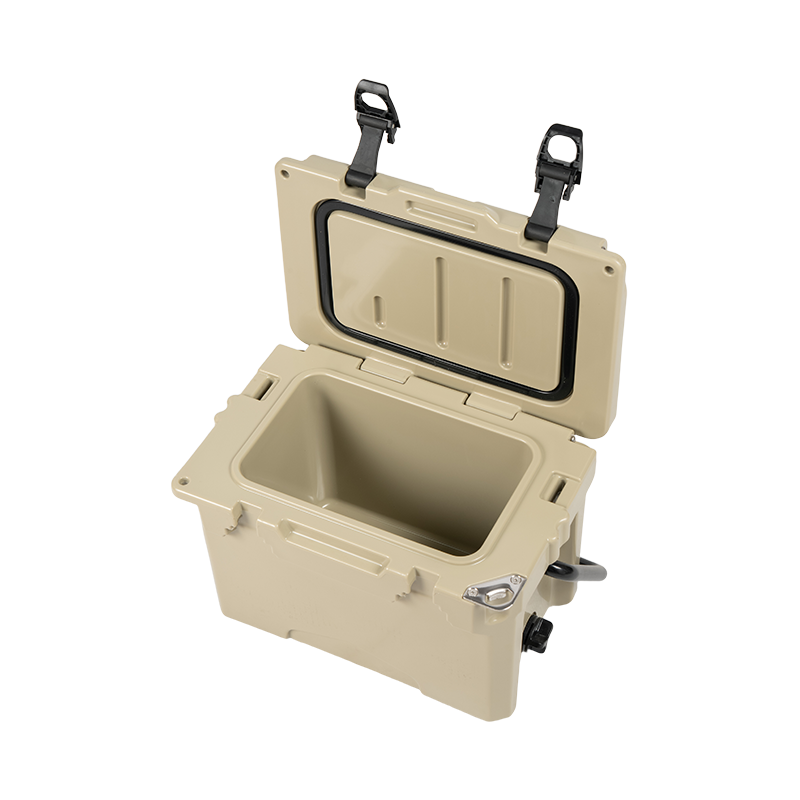
Why Choose a Rotomolded Cooler? Rotomolded Coolers: A Brief Introduction The Pinnacle of Portable Cooling Technology The modern era of outdoor recreation and de...
See Details -
Introduction to Insulated Fish Tubs When you're out on the water, whether it's a deep-sea fishing trip or a relaxing day at the lake, the freshness of your catc...
See Details -
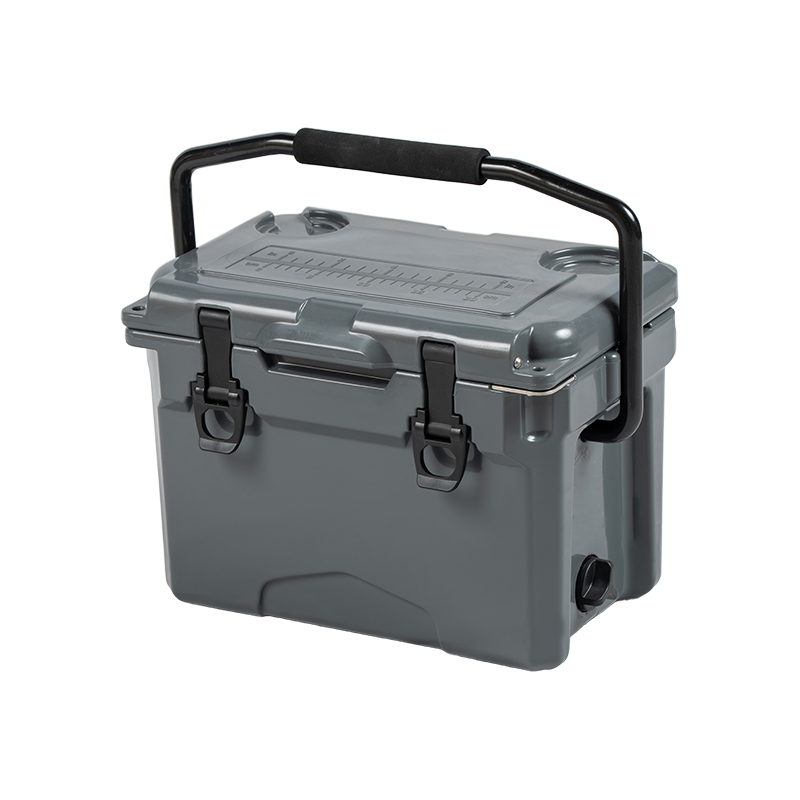
1. Insulation Quality in Outdoor Cooler Boxes When choosing an outdoor cooler box, one of the most critical factors to consider is insulation quality. The insul...
See Details -
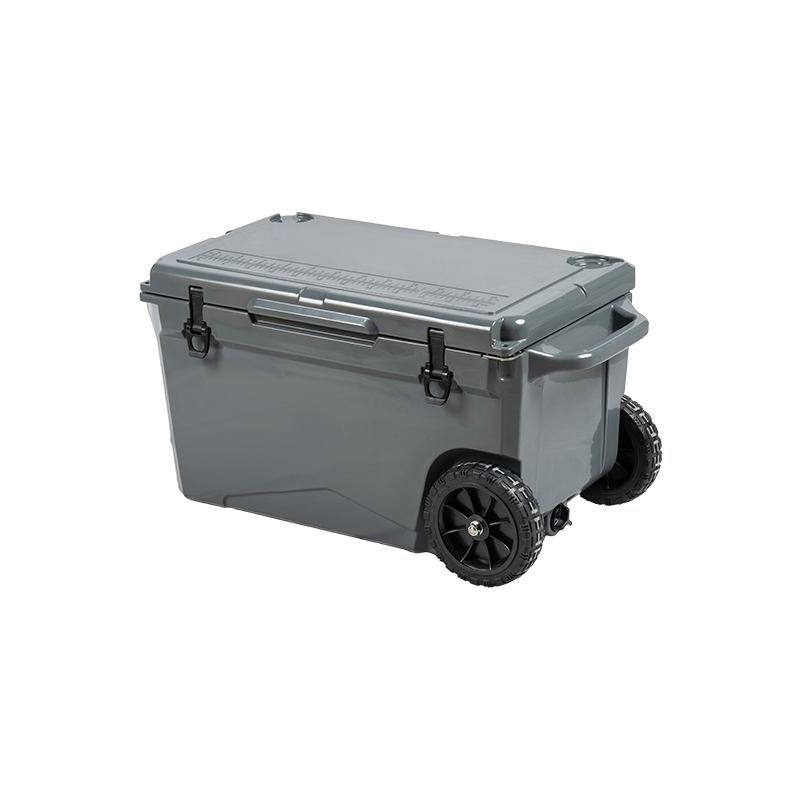
The Unmatched Advantage of ROTOMOLDING COOLER BOX Defining the Premium Standard: What exactly is a ROTOMOLDING COOLER BOX? The ROTOMOLDING COOLER BOX is not mer...
See Details
Be the First to Know
For exclusive deals and the latest offers, sign up by entering your email address below.


Contact Info
 No. 6, Guantong Road, South Zone, Xiaocaoe Town Industrial Park, Ningbo, Zhejiang, China
 +86 13736107260
  [email protected]
 Qr Code



Copyright © Ningbo Nelgreen Outdoor Products Co., Ltd. All Rights
Reserved
 OEM/ODM Seafood Insulated Boxes Manufacturers