 EN
EN
 English
  русский
  Español
  Deutsch
  عربى
عربى 
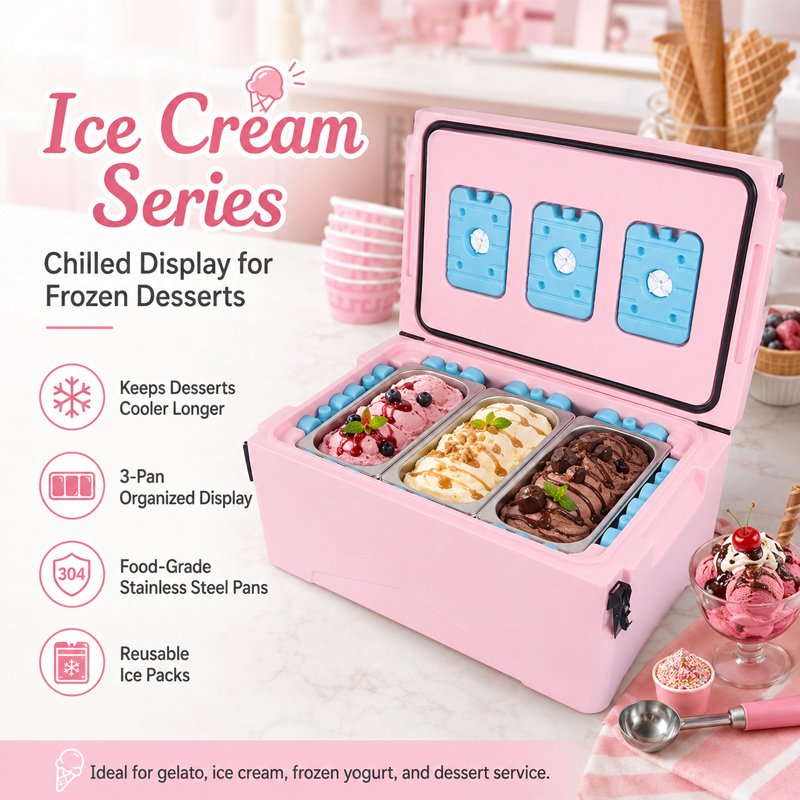
This mobile insulated ice cream display cooler is fitted with three stainless-steel pans, each approximately 6.6L / 7QT, in an overall body of about 69.5 × 44.5 × 32 cm. The separate pans allow differ...
See Details
How Long Does Ice Last in a Cooler Box? Insulation and Ice Retention Facts
2026-09-03
Picture packing a cooler box before a beach day. You fill it with ice, add drinks, and close the lid. Twelve hours later the ice is gone. That outcome is common, but it is not a rule. The actual time ice lasts in a cooler box depends on the box itself, the type and amount of ice, the outside temperature, and how often someone opens the lid.
The short answer is this: a typical cooler box holds ice for roughly 1 to 2 days, a better-insulated hard cooler box can reach 3 to 4 days, and a well-built rotomolded cooler box with thick polyurethane insulation can keep ice for 5 to 7 days or more when prechilled and managed carefully.
The Variables That Decide Ice Retention
Ice melts because heat enters the cooler box from the outside. That heat moves through the walls, through the lid gasket, and through every opening of the lid. Four variables create the difference between a box that loses ice overnight and one that keeps it all weekend.
- Wall thickness and foam density. Thin plastic walls let heat in fast. A rotomolded cooler box uses a single-piece shell and a thick polyurethane foam core, which slows heat transfer.
- Ice surface area. Cubed ice melts faster than block ice because water attacks a smaller surface area. Crushed ice melts even more quickly.
- Fill ratio. A cooler box with lots of empty air space circulates warm air. Filling the box with cold product and block ice reduces that space.
- Lid opening frequency. Every time you open the box, cold air escapes and warm air replaces it. Frequent openings can cut ice life by several hours.
Outside temperature also matters. A cooler box sitting in direct sun at 38°C loses ice faster than the same box in the shade at 18°C. The practical takeaway is that no single number applies to every situation, but the construction of the box sets the upper limit.
Cooler Box Types and Expected Ice Life
Different manufacturing methods produce very different insulation performance. An injection-mold cooler box is often lighter and cheaper, but its walls are typically thinner. That makes it a reasonable choice for a day trip, while a rotomolded cooler box becomes more valuable when you need multi-day reliability.
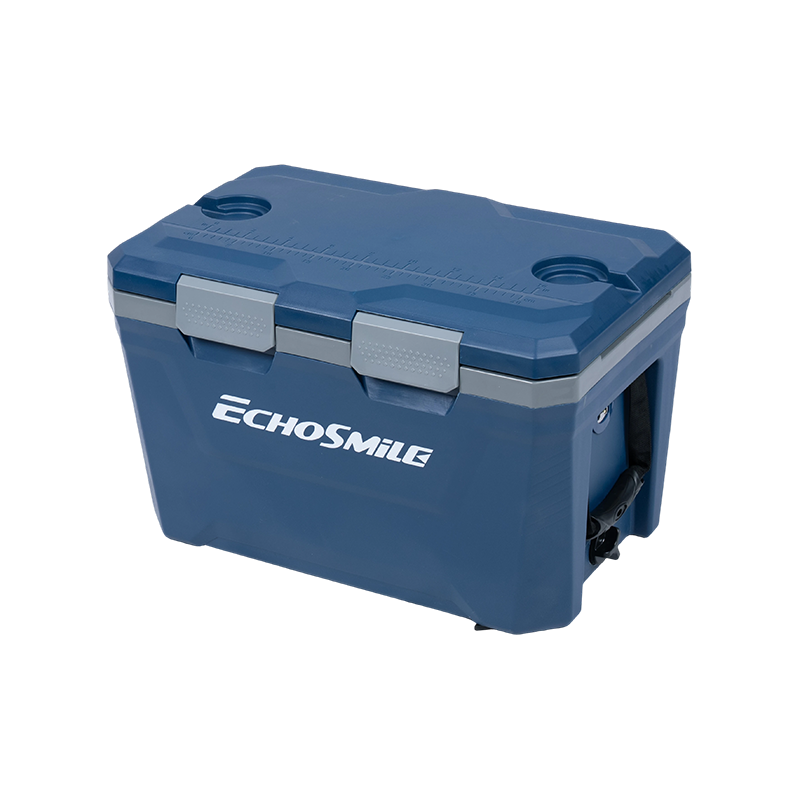 Lightweight 35QT Injection Mold Cooler for Day Trips and PicnicsThis compact injection-molded cooler box offers a lightweight and affordable option for short outings. With food-grade PP material and durable construction, it keeps food and drinks cold for about a day, making it ideal for picnics or brief camping trips.View Product →
For a simple picnic with a small amount of perishable food, a 35qt injection-mold cooler box is easy to carry and works well for around 24 hours with sufficient ice. When the trip stretches into a weekend, the same volume in a rotomolded construction will usually retain ice longer because the insulation is thicker and the shell is seam-free.
In our factory experience, the biggest difference between a cheap cooler box and a serious cooler box is the amount of foam that actually sits between the inner liner and the outer shell. A customer ordering an OEM cooler box should ask for the foam thickness, not just the total capacity in quarts or liters. That spec changes the melt rate more than almost anything else.
Cooler Box Types and Expected Ice Life
For planning, the table below gives practical ranges. These numbers assume reasonable outdoor temperatures, a mix of cube or block ice, and limited lid openings. They are not laboratory values, but they reflect what you can expect from typical products.
| Cooler box type | Expected ice life | Best suited for |
|---|---|---|
| Soft cooler bag | 4 to 8 hours | Short commutes, lunch transport, day tours |
| Injection-mold hard cooler box | 1 to 2 days | Picnics, beach trips, small-group day use |
| Rotomolded hard cooler box | 3 to 7 days | Camping, fishing, multi-day events |
| Industrial insulated fish tub | 3 to 5 days or more with preconditioning | Seafood storage, commercial transit, processing work |
The range inside each row is wide because the amount and kind of ice matter. If you put one bag of cubes into a 75qt cooler box, it will melt much faster than if you use block ice at the same total weight. The box gives you the ceiling; the ice filling and your habits determine whether you come near it.
Ice Type: Cubes, Blocks, or Dry Ice
Ice cubes are the most convenient but they are not the most efficient. A cube melts directly because heat reaches all six sides. Block ice is denser and has less exposed surface, so a 5-pound block will hold its shape far longer than 5 pounds of cubes. Many experienced anglers and campers freeze water in milk jugs or large containers before packing a cooler box. That is a simple, low-tech way to extend cold storage.
Dry ice is different. It sublimates, which means it turns from a solid directly into carbon dioxide gas. In a quality cooler box, dry ice typically lasts 18 to 36 hours depending on the amount, the box insulation, and how often it is opened. We cover the separate rules for dry ice in this guide to dry ice life in a cooler box because the safety requirements are stricter than with regular ice. You need venting, heavy gloves, and you should never seal a cooler box completely with dry ice inside.
For everyday use, block ice combined with a prechilled rotomolded cooler box is the most practical route. It avoids the handling risks of dry ice and still delivers multi-day cooling for most outdoor adventures.
How to Extend Ice Life in a Cooler Box
Anyone can increase ice retention without buying a new box. The steps are simple, and they are worth doing if a trip depends on cold drinks and fresh food.
- Prechill the cooler box. A warm shell absorbs heat from the ice. Place the closed box in a cool room or put a small amount of ice in it for a few hours before packing. If the box is cold at the start, the ice inside is used for cooling, not for cooling the box.
- Use block ice or frozen water bottles. Larger thermal mass slows melting. Frozen bottles are especially useful because they keep drinks cold and become drinkable later, without diluting the cooler with melted water.
- Fill the empty space. Air acts as a heat carrier. Pack meat and drinks tightly, use ice as the empty filler, and reduce the amount of air that moves around inside the box.
- Open the lid as little as possible. Plan the day so you take out everything you need in one opening. If you are serving drinks, pull a batch out into a separate small cooler or keep the main box closed.
- Drain melted water only when needed. A full cooler box with ice is cold and dense. Once a large amount of water has melted, draining that cold water can help slow further ice loss because water conducts heat more efficiently than frozen ice. After the first day, drain the water and add more ice if the plan runs longer.
- Keep the box out of direct sun. Some coolers are designed for sun exposure, but every Celsius degree of outside air and solar load changes the melt rate. Place the box under a shade structure, under a vehicle awning, or cover it with a light-colored blanket.
For a business that regularly loads cooler boxes for client events, open-air markets, or fishing trips, these six steps create a measurable reduction in ice costs and a lower risk of product rejection.
What to Look For When Buying or Sourcing a Cooler Box
Choosing a cooler box for ice retention is not about picking the largest capacity. It is about matching the construction to the holding time you actually need. If your plan is a six-hour hike, an injection-mold model may be enough. If the plan is a two-day camping trip, rotomolding matters.
The most important purchase considerations are wall thickness, lid seal quality, hinge durability, and the ratio of ice to payload. In an OEM or B2B setting, these are the specs a buyer should discuss with a manufacturer before ordering a branded cooler box.
Rotomolded products form as a single continuous shell with no weld seams. That shell, filled with polyurethane foam, provides consistent insulation and resists impact. When we sample materials for a new cooler box project, we measure the foam density and check the lid gasket compression. These details determine how long ice lasts more than the paint color or the handle style.
If you need a versatile daily range and you are choosing between an injection model and a rotomolded model, the rotomolded construction makes sense for longer cold chains and tougher outdoor use. A 60qt rotomolded cooler box that keeps ice for multiple days can replace several smaller boxes in a logistics plan.
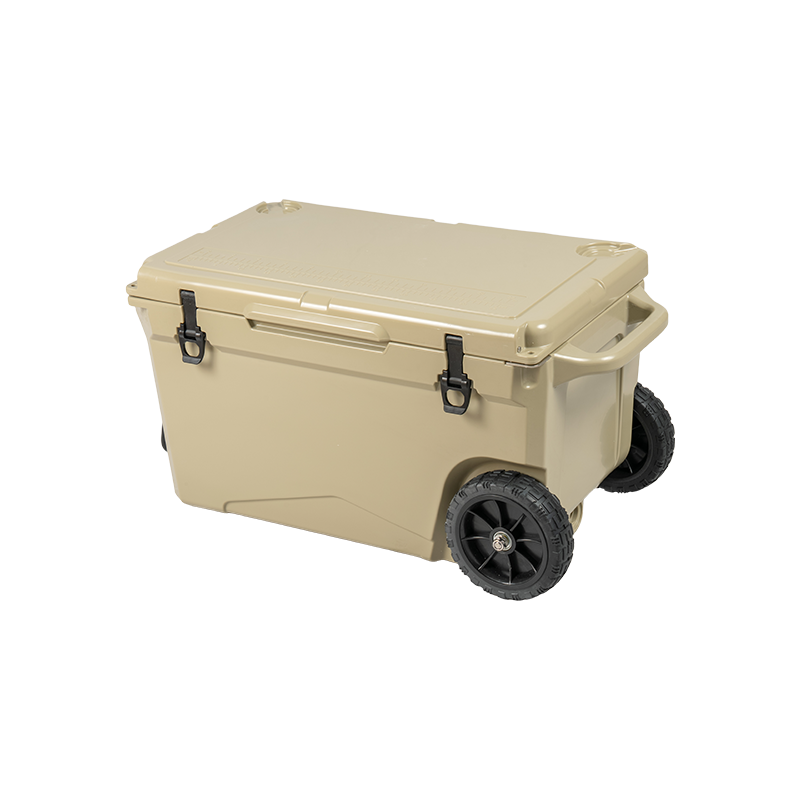 Durable 60QT Rotomolded Cooler for Multi-Day Outdoor UseBuilt with rotomolded construction and thick insulation, this 60QT cooler maintains ice for 5 to 7 days. It suits extended camping, fishing trips, and cold chain transport, providing reliable performance in harsh conditions.View Product →
Final Practical Takeaway
How long ice lasts in a cooler box is not a mystery. A standard cooler box gives you one to two days. A good rotomolded cooler box gives you a realistic three to five days, and a large, well-loaded rotomolded box with block ice can hold through a full week. The difference between those outcomes is made in the factory and in the way you pack the box.
If you regularly host a large group, need to preserve fish for a long trip, or coordinate a commercial event, a larger cooler box with a heavy lid and thick walls is the safer purchase.
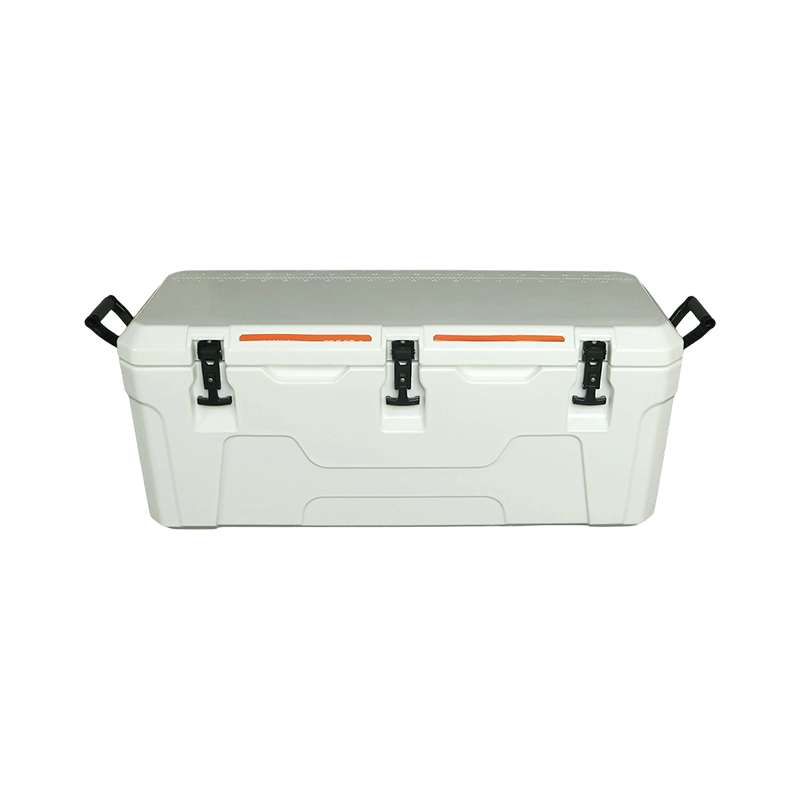 Large 140QT Rotomolded Cooler for Commercial and Group NeedsThis 140QT rotomolded cooler features a heavy-duty shell and PU insulation for 3-5 day ice retention. With UV and impact resistance, it handles large loads and tough environments, ideal for sea fishing, events, or emergency storage.View Product →
The moment you are deciding how much ice to buy, start from the box quality rather than the outside temperature. A cheap box will consume more ice across a season, adding cost and lost product. A quality box returns that investment every time the lid opens and the ice is still solid.
Our R&D team has over 15 years of rich experience in the field of rotational molding products and has applied for 6 product patents. The number of factory employees has exceeded 100. Strict management and quality control have enabled us to take the leading position in the industry. In addition, the experienced sales team can provide customers with a variety of solutions and high-quality services.
Related products
-
-

The 140QT NL-140 has an interior of about 105 × 32 × 38 cm, and its more-than-one-meter usable length is the key advantage of this model. It is better suited to larger fish, longer catch and supplies ...
See Details -
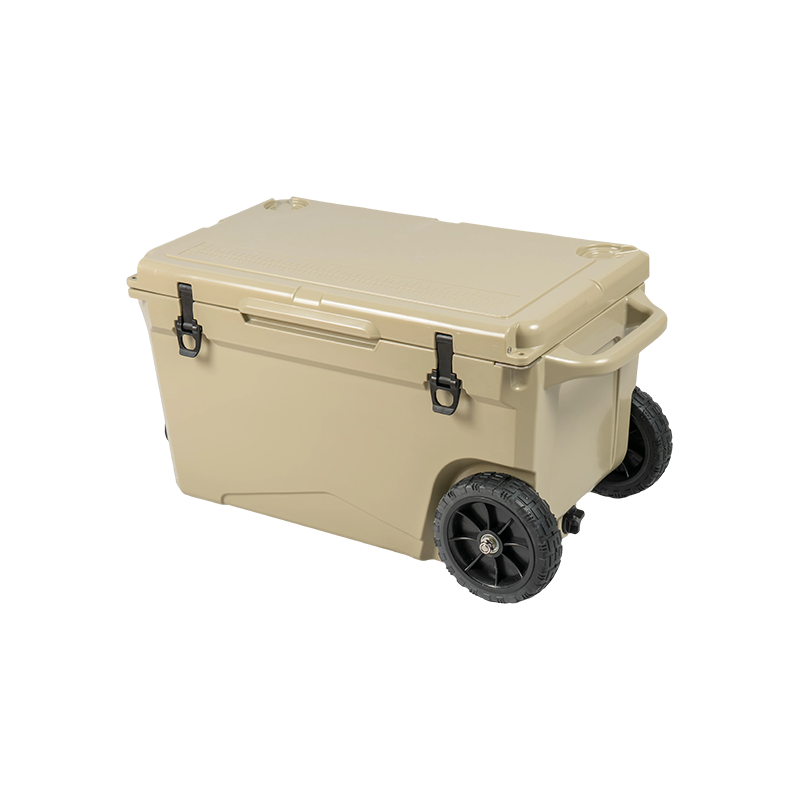
The 75QT NL-75 is a large wheeled model with an interior of about 66.2 × 34.1 × 35.8 cm. It is suited to offshore fishing, boating, family barbecues and group events where more ice, drinks, food or ca...
See Details -
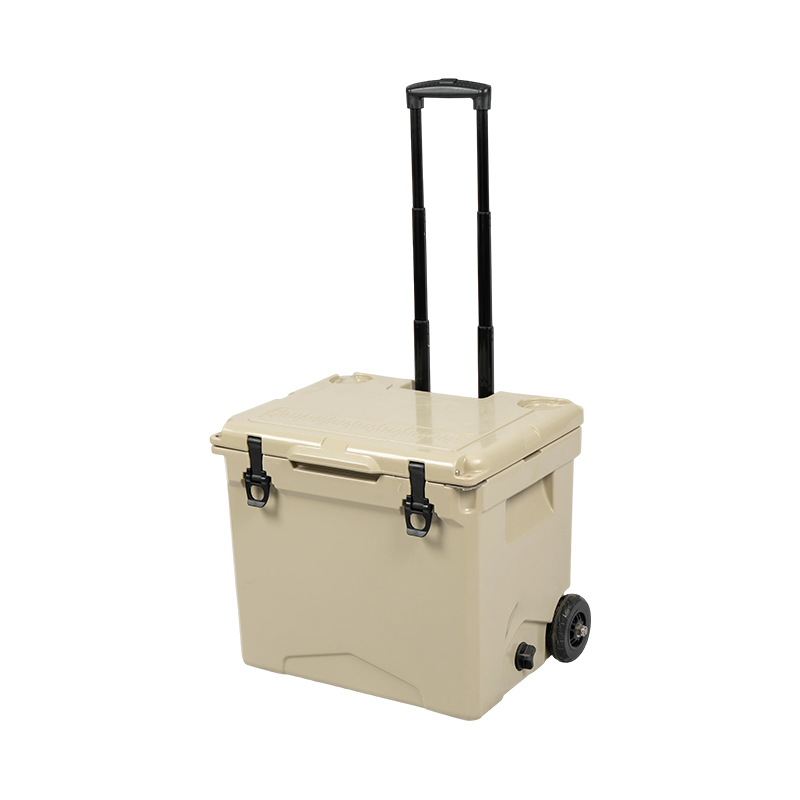
The 45QT NL-45 has a deeper interior of about 41.8 × 29.9 × 30.4 cm, making it useful when vertical storage matters. Taller food containers, bottled drinks and campsite supplies can be packed upright ...
See Details -
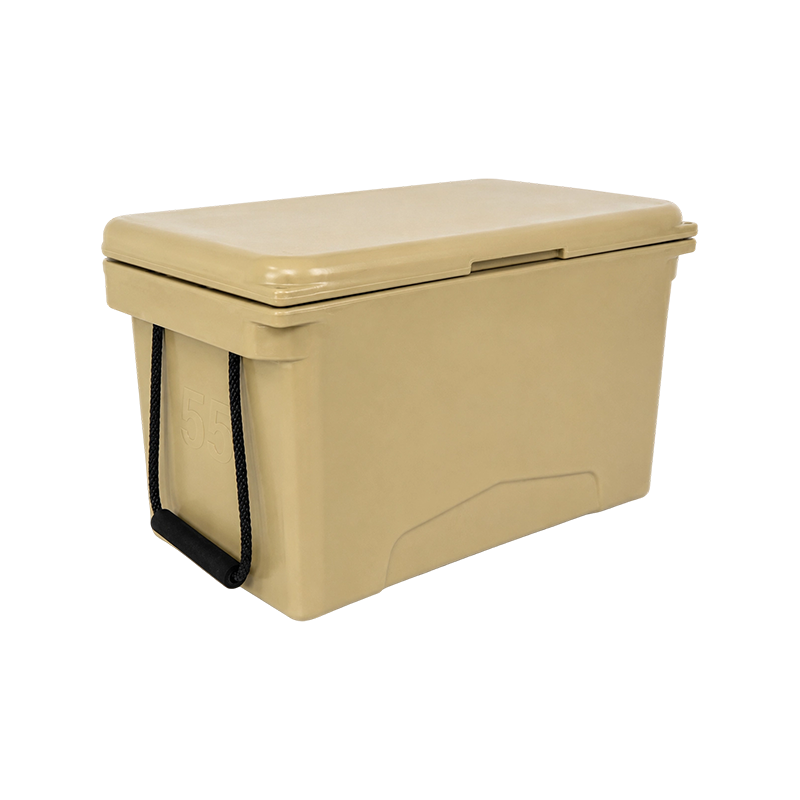
The 55QT NL-55 has a balanced interior of about 55 × 31 × 32 cm, which makes it a versatile model. It works for weekend camping, group drinks, fishing and vehicle storage, offering more room than a 40...
See Details -
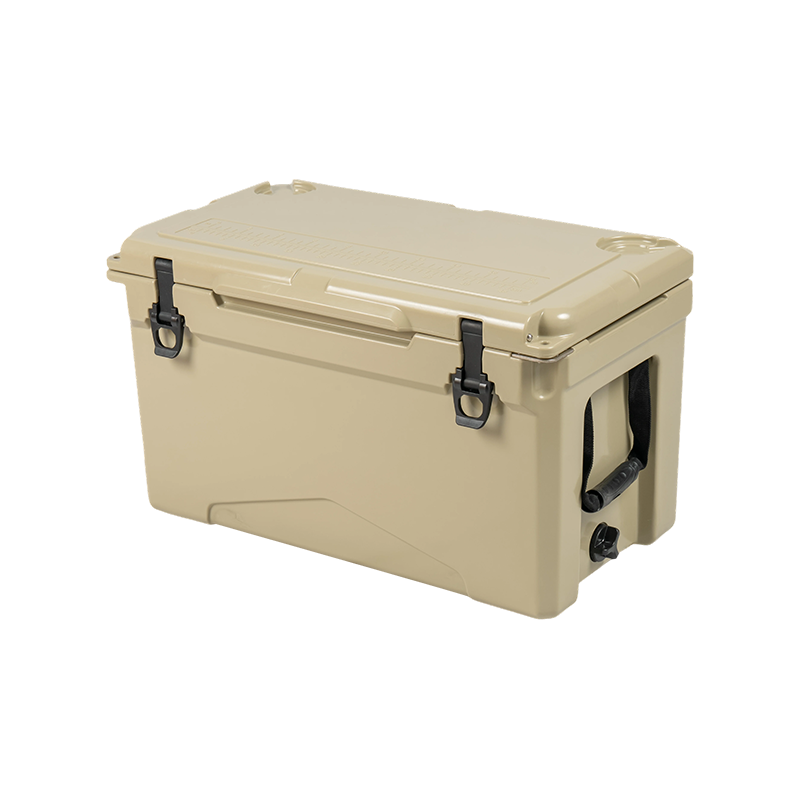
The 40QT NL-40 has an interior of about 51.8 × 26.3 × 29.9 cm and is well sized for weekend camping and family outdoor use for roughly 2–4 people. It carries more food and drinks than a personal 30QT-...
See Details
Related News
-
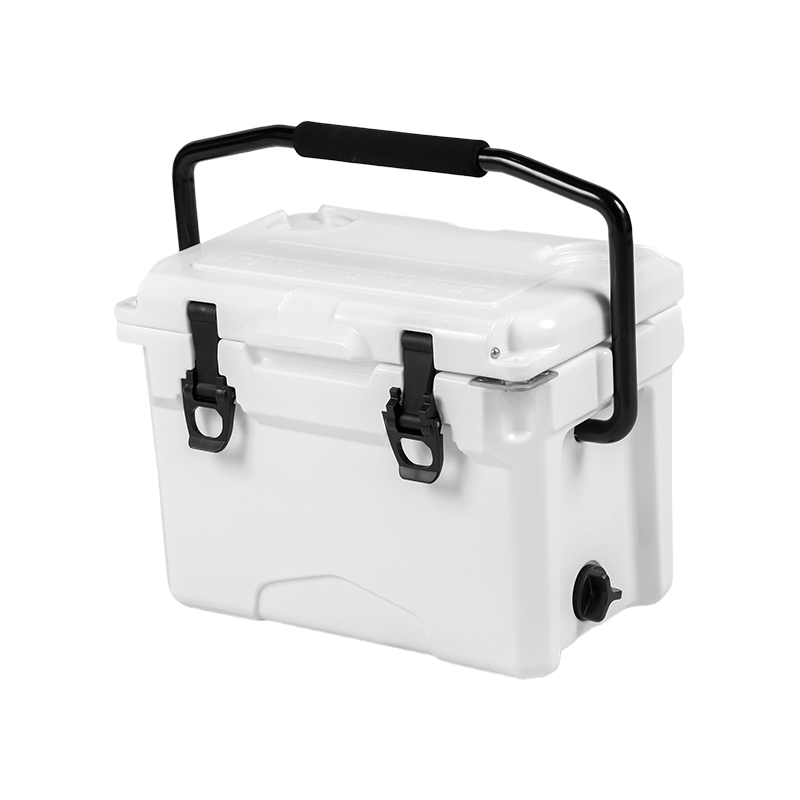
Why Choose a Rotomolded Cooler? Rotomolded Coolers: A Brief Introduction The Pinnacle of Portable Cooling Technology The modern era of outdoor recreation and de...
See Details -
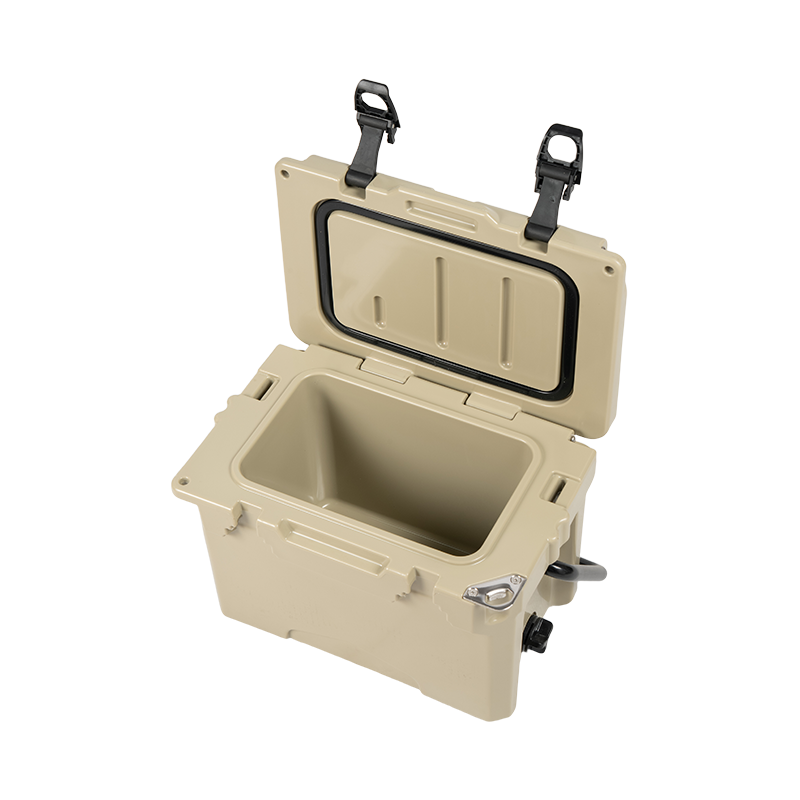
Introduction to Insulated Fish Tubs When you're out on the water, whether it's a deep-sea fishing trip or a relaxing day at the lake, the freshness of your catc...
See Details -
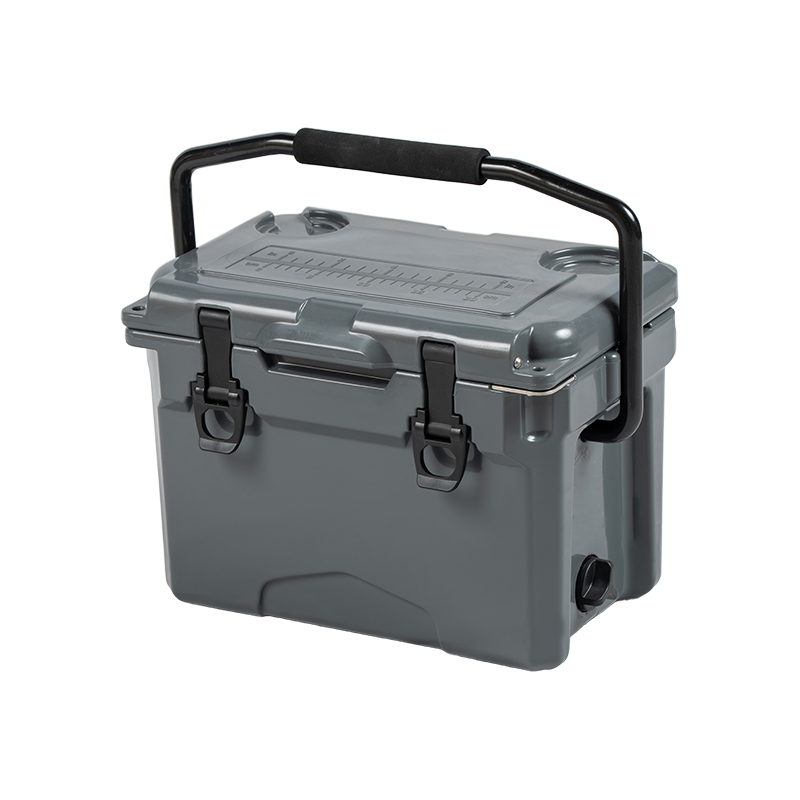
1. Insulation Quality in Outdoor Cooler Boxes When choosing an outdoor cooler box, one of the most critical factors to consider is insulation quality. The insul...
See Details -
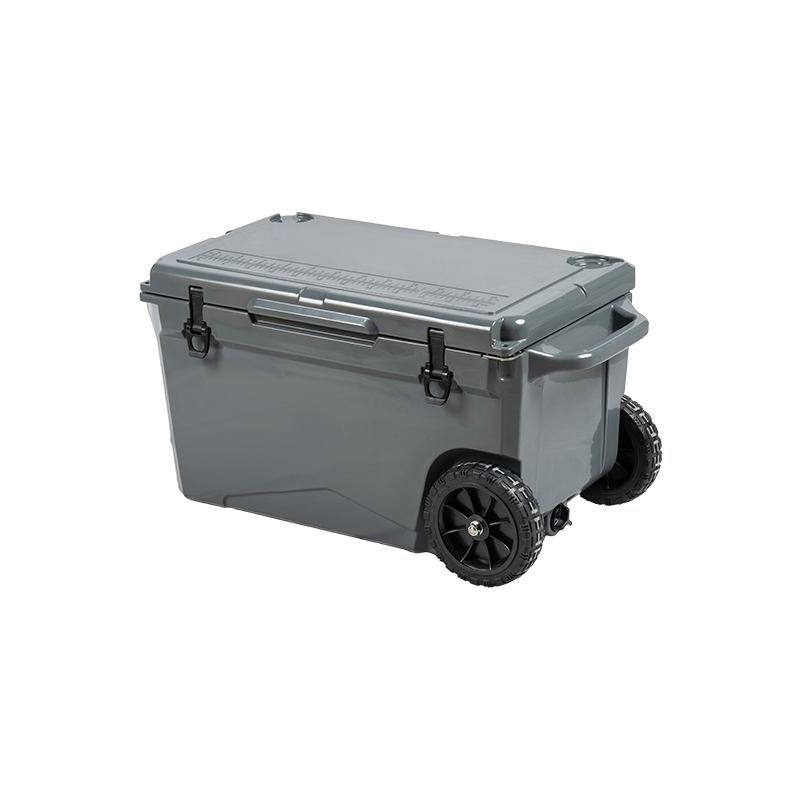
The Unmatched Advantage of ROTOMOLDING COOLER BOX Defining the Premium Standard: What exactly is a ROTOMOLDING COOLER BOX? The ROTOMOLDING COOLER BOX is not mer...
See Details
Be the First to Know
For exclusive deals and the latest offers, sign up by entering your email address below.


Contact Info
 No. 6, Guantong Road, South Zone, Xiaocaoe Town Industrial Park, Ningbo, Zhejiang, China
 +86 13736107260
  [email protected]
 Qr Code



Copyright © Ningbo Nelgreen Outdoor Products Co., Ltd. All Rights
Reserved
 OEM/ODM Seafood Insulated Boxes Manufacturers