

 EN
 English
 русский
 Español
 Deutsch
 عربى

Sea Fishing Rotomolded Cooler
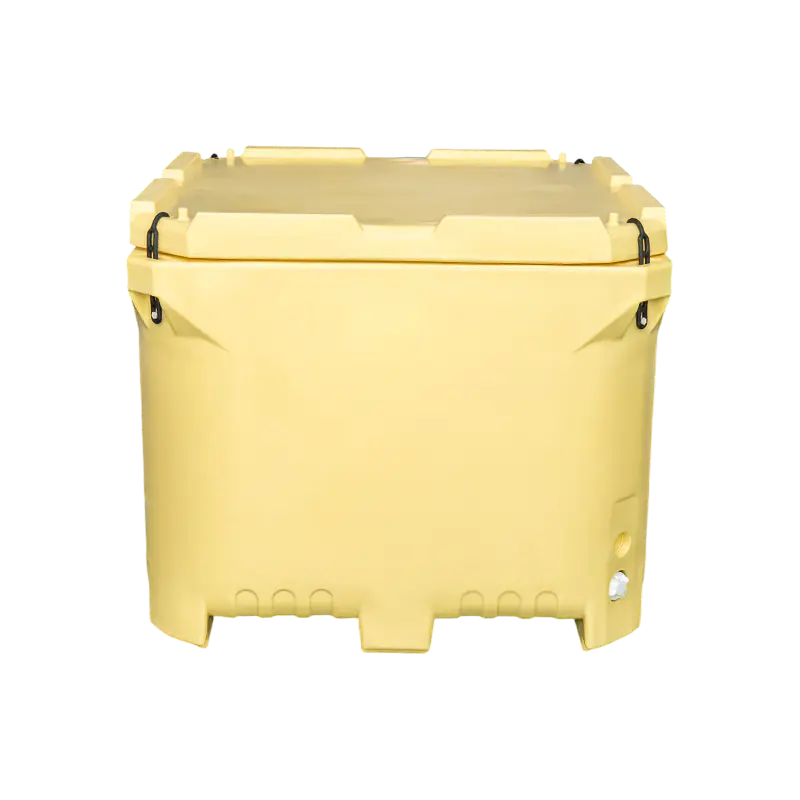
Salt, spray, sun and a moving deck wear out a cooler faster than any campsite. Nelgreen's 240QT sea fishing cooler is a seamless rotomolded LLDPE shell with polyurethane foam walls, built for the catch, with the logo, colors and hardware choices adjustable for your own marine brand.
- 10–240QT cooler range
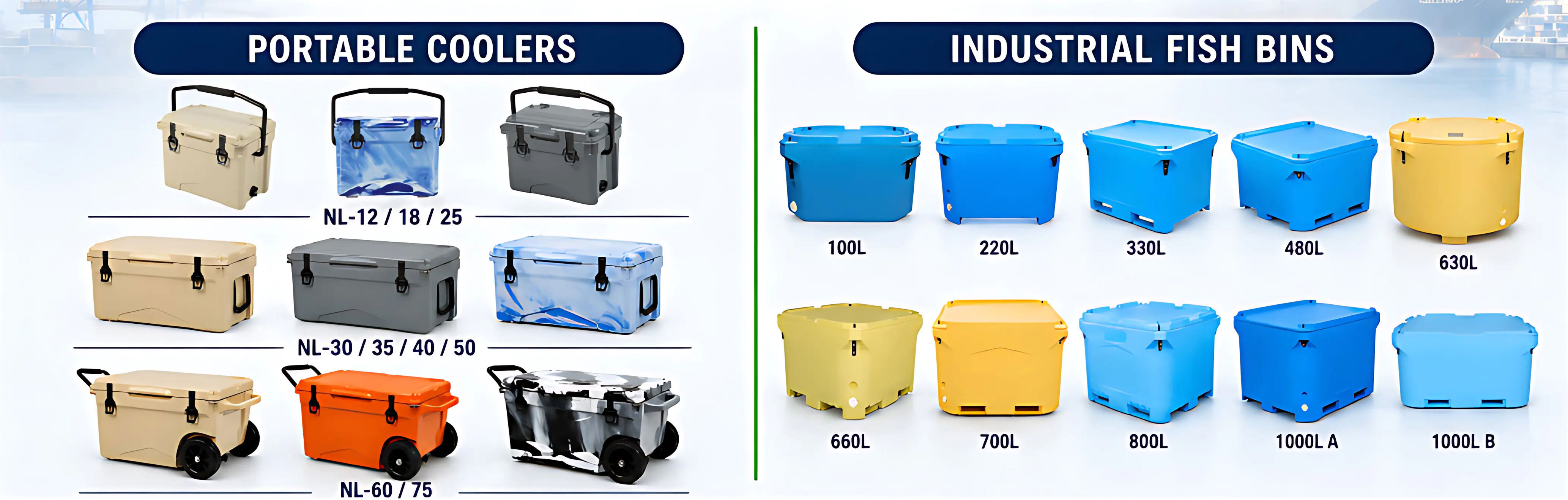
- 220–1000L fish tubs
- Product development & mold design
- BSCI · ISO 9001 · SGS · FDA
Popular models
-
-
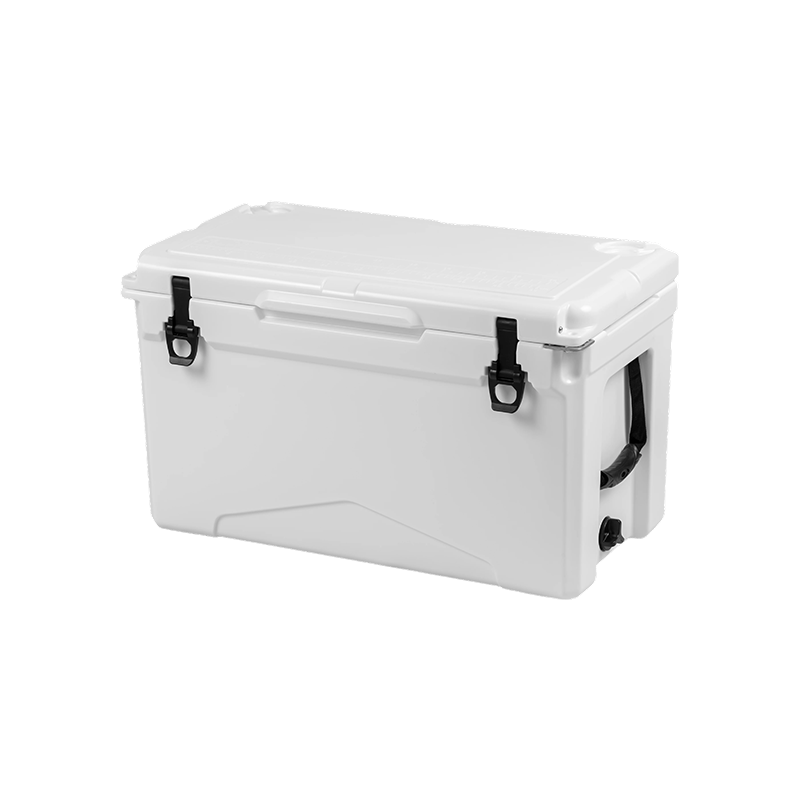 50QT Outdoor Fishing Rotomolding Cooler Box View details
-
-
-
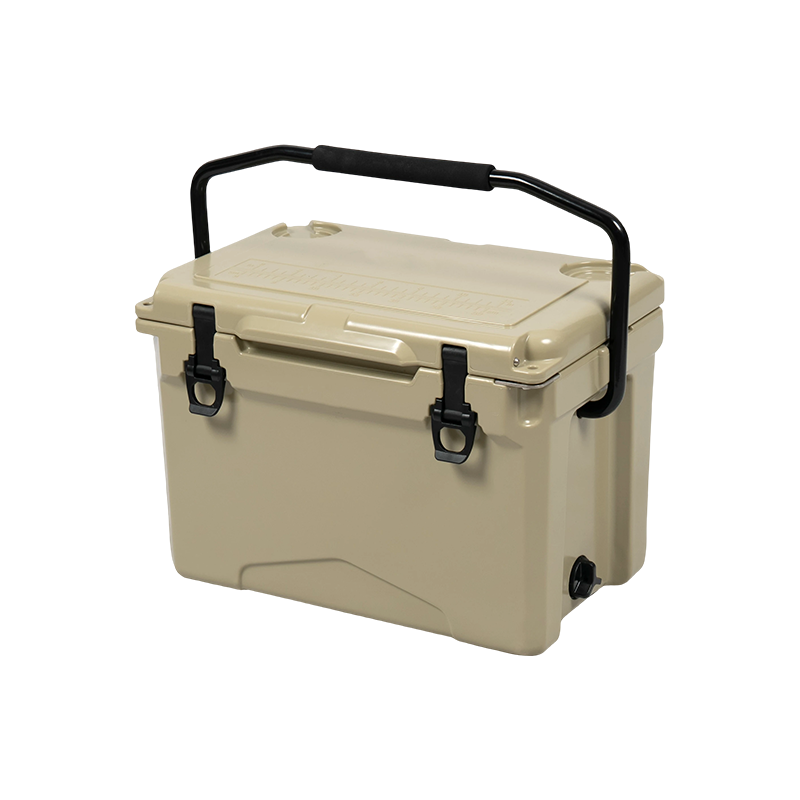 25QT Car Portable LLDPE Rotomolding Cooler Box View details
-
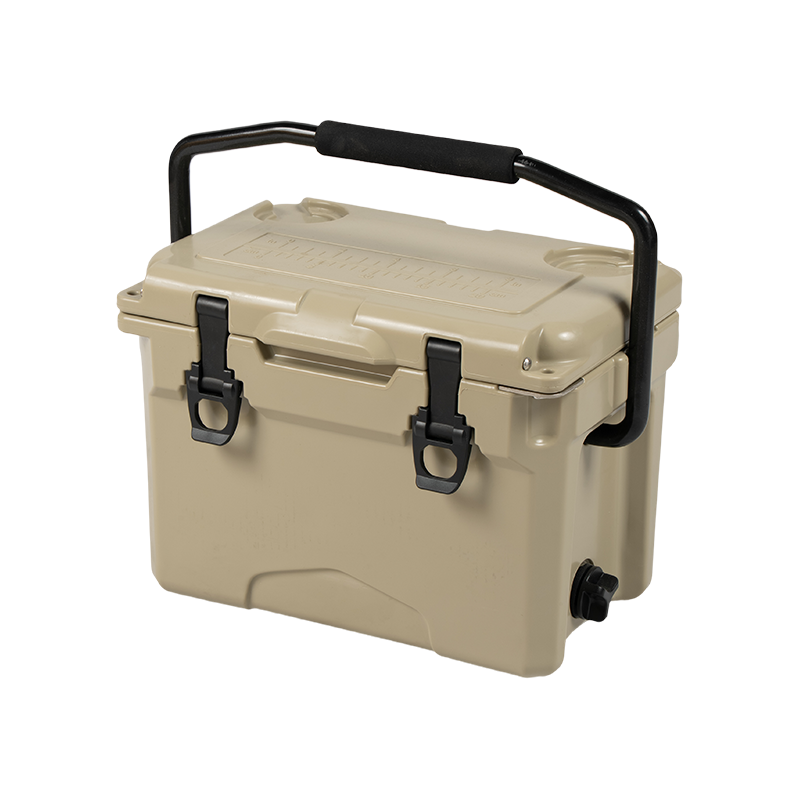 12QT Mini Rotomolding Cooler Box View details
-
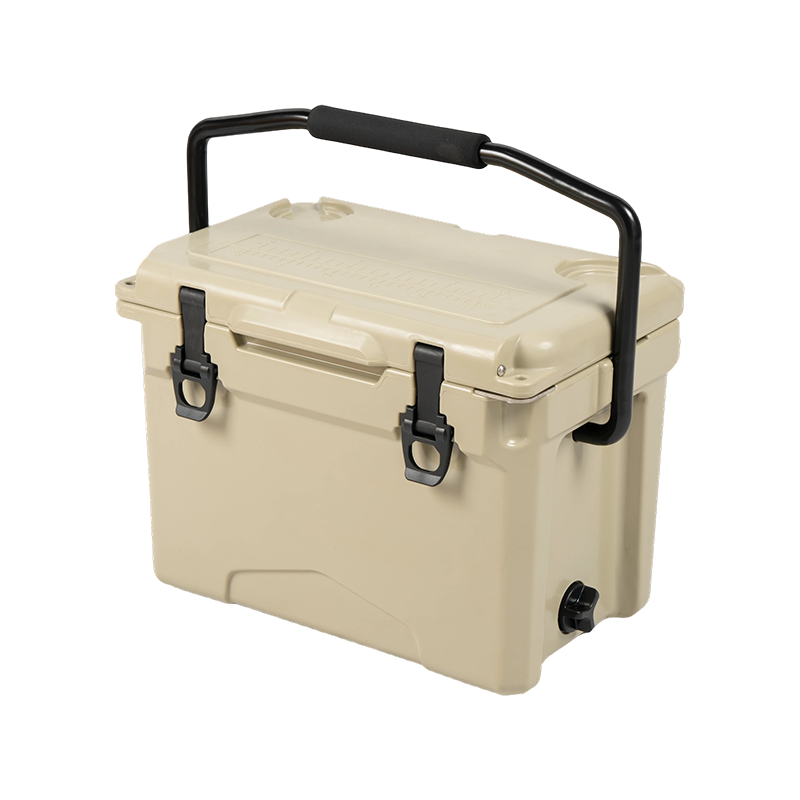 18QT Car Small Rotomolding Cooler Box View details
-
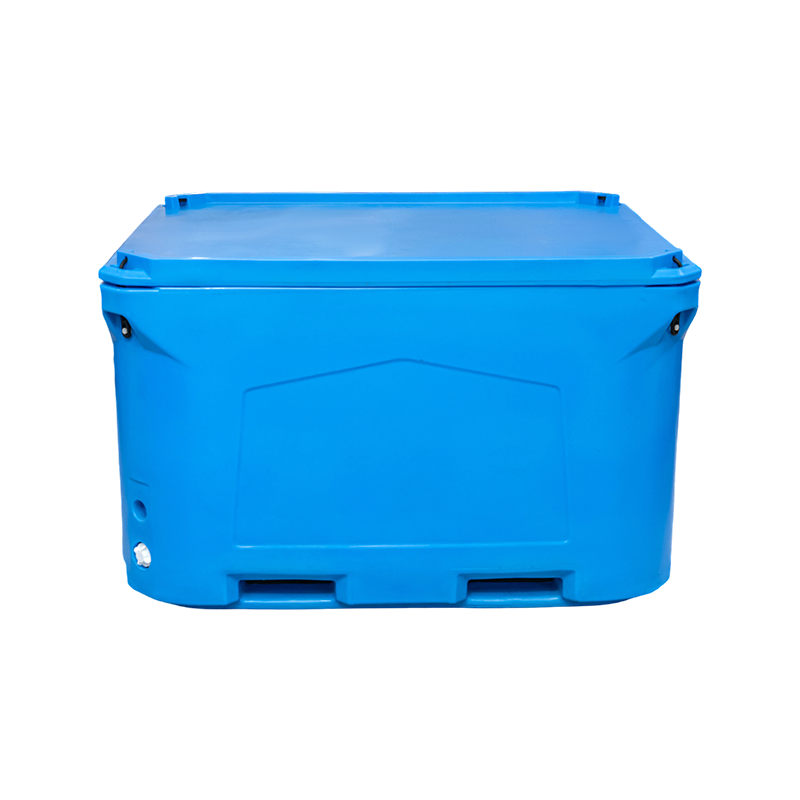
-
-
-
-
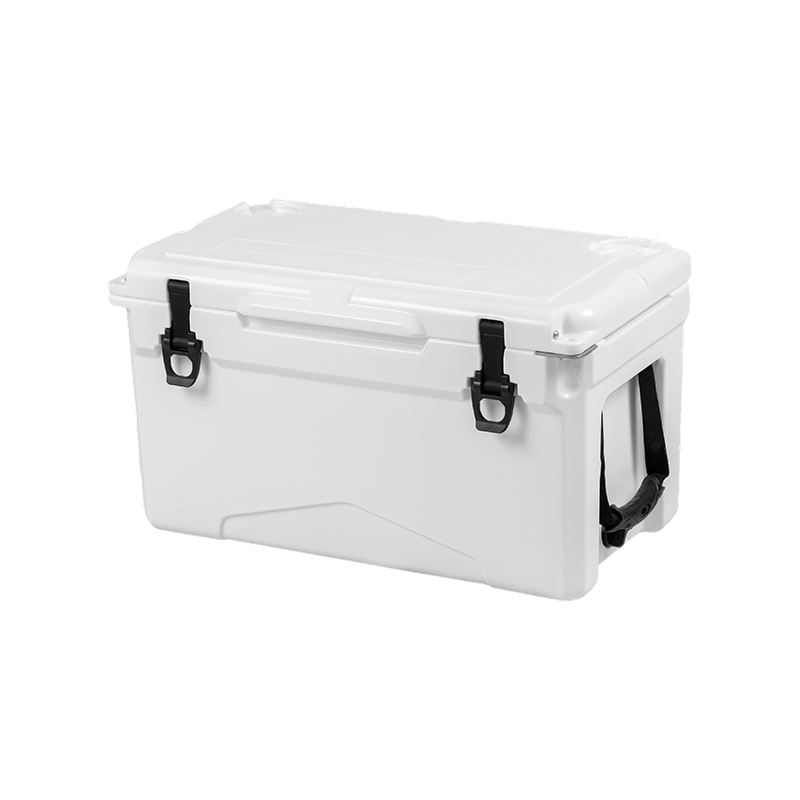 30QT Car-mounted Small Rotomolding Cooler Box View details
What buyers should check on a sea fishing rotomolded cooler
Salt water is the hardest environment a cooler can work in. The shell is rarely the problem, because rotomolded LLDPE does not rust and is not harmed by salt. The trouble starts with everything attached to it: hinges, latches, fasteners, gaskets and drain fittings. When a marine cooler fails in its first season, the cause is almost always a small part that corroded, loosened or wore out. A buyer who checks only capacity and price will miss the points that decide whether customers come back for a second cooler.
Start with the hardware. Ask what material every metal part is made of, including hinge pins and the screws that hold the latches, and what grade it is. Stainless steel grades differ widely in how well they resist salt, and some fasteners that look identical are not. Ask whether parts are rated for marine use, whether the same parts ship on every batch, and whether spares can be supplied to your dealers. Put all of this on the drawing or the quotation so that it cannot change quietly between orders.
Sun is the second enemy. A cooler on an open deck sits in direct light for hours, and ordinary polyethylene fades, chalks and becomes brittle over time. UV-stabilized options help, and the choice of color matters too: dark shells absorb far more heat than light ones, which affects how quickly ice melts at the lid. Ask which UV additive or grade is used and what test method supports the claim, and approve colors on a physical sample, because screens do not show how a color looks under strong light.
Motion is the third factor. A boat in a swell throws a cooler around, so lid retention and base grip matter as much as insulation. Check how many latches hold the lid, how they are fixed and whether the lid stays shut if the cooler tips. Look at the underside for feet or a profile that resists sliding on a wet deck, and ask whether there are anchor points for a strap. Not every model offers every feature, so ask per model instead of assuming.
The cooler is also a food container. Fish quality depends on getting the catch cold quickly and keeping it cold, so interior finish, drain performance and cleaning all count. A smooth interior without crevices is easier to wash and holds less odor. Check the drain plug size and position, and whether meltwater and slime clear quickly when the plug is open. If the cooler is sold for fish that will be eaten, request FDA and SGS reports for the exact material grade; we also hold RoHS, BSCI and ISO 9001 documentation.
For marine dealers and brands, the commercial questions are about seasons and support. Orders should be placed before the fishing season, not during it, because production takes time and shipping adds more. Compare quotes on shell weight, wall thickness and foam specification, not on price per piece alone, and agree on what counts as a defect: a latch that fails, a hinge that corrodes, a drain that leaks or a lid that warps. A clear warranty and a spare-parts plan protect your reputation more than a small discount.
A 240QT cooler is also a freight problem. It takes up a large part of a container, so ask for carton size, gross weight and units per 40HQ for every model, and tell the supplier how it will be delivered to your customers. Confirm MOQ of [XX units], sample lead time of [XX days] and production lead time of [XX days]. Before volume, request a sample, rinse it, load it with ice, test the latches and put it on a real boat or a wet dock, then decide.
| Shell material | LLDPE, UV-stabilized options for open-deck exposure |
| Insulation | Polyurethane foam, wall thickness [XX mm] |
| Sea fishing size | 240QT large capacity |
| Mid-size partner | 75QT for smaller boats and day trips |
| Hardware | Latch, hinge and fastener material [confirm per model] |
| Drain and feet | Drain plug and base feet [confirm per model] |
| Compliance | FDA, SGS, RoHS, BSCI, ISO 9001 documents on request |
Where a sea fishing cooler earns its keep
Pick a situation to see what marine buyers look for, which details to specify at the sourcing stage and which Nelgreen sizes fit.
Saltwater Deck Use
On an open deck the cooler gets spray, sun and constant movement, and it is rinsed with a hose at the end of each trip. Hardware and finish take the most wear.
What buyers need
Parts that do not corrode and a lid that stays shut when the boat moves.
Specify these when sourcing
- Material and grade of hinge pins, latches and fasteners
- Number and position of latches on the lid
- UV-stabilized shell in a light, heat-reflecting color
Recommended models
Typical buyers
Marine dealers, boat outfitters
Fish Hold on Small Commercial Boats
Small fishing boats use a large cooler as a working fish hold. It is loaded, iced, emptied and washed daily, often by a crew with little time to spare.
What buyers need
A smooth interior that cleans in minutes and a drain that clears fully.
Specify these when sourcing
- Drain size and floor shape for fast emptying
- Food-contact documents for the exact material
- Replacement parts available in your market
Recommended models
Typical buyers
Fishery suppliers, commercial boat outfitters
Dock-to-Truck Transfers
The catch leaves the boat, crosses the dock and is loaded into a truck or van. The cooler is moved by two or more people over wet, uneven ground.
What buyers need
Strong carry points and a base that does not slip on a wet dock.
Specify these when sourcing
- Handle shape and position for a two-person lift
- Base feet and profile for wet surfaces
- Exterior dimensions against truck bed or van door
Recommended models
Typical buyers
Fish transport companies, truck accessory stores
Island & Coastal Camps
Beach camps and coastal lodges are far from shops. A single large cooler holds the catch and food for several days in humid, salty air.
What buyers need
Ice that lasts and a shell that stays clean in damp, salty conditions.
Specify these when sourcing
- Foam wall thickness listed in millimetres
- Lid seal that stays tight after many openings
- A cover or shade plan for the cooler during the day
Recommended models
Typical buyers
Coastal lodge outfitters, camp suppliers
Cold-Water & Winter Sea Fishing
In cold seasons the problem changes. The cooler may need to keep fish cold without freezing them, and ice must still last as the day warms.
What buyers need
A cooler that handles the swing between cold mornings and warmer afternoons.
Specify these when sourcing
- Test data at several ambient temperatures
- Lid and latch design that works with gloves
- Drain plug that does not freeze or stick
Recommended models
Typical buyers
Cold-region marine retailers, fishing brands
Custom sea fishing cooler development
A marine cooler should be specified around its weakest part. Nelgreen works with sea fishing brands to define the shell, hardware and finish so the cooler survives salt, sun and a wet deck over many seasons.
Decisions on hardware, colors, logo, strap points and carton are made together, tested on a sample and confirmed before volume production.
Five stages from marine brief to shipment
- Marine briefBoat type, trip length and storage place turned into a size and spec.
- Hardware planLatch, hinge and fastener materials chosen and written on the drawing.
- Mold and sampleA modified or new mold, then a first sample for deck and dock testing.
- Wet-use checksLatch hold, drain flow and ice retention agreed before approval.
- Pack and shipCarton, spares and loading plan for your dealers.
What a marine brand can customize
- Size240QT, 75QT or a volume of your own through new tooling.
- Hardware gradeMaterial choices set on the drawing for every batch.
- Shell colorLight colors for heat or your own brand shade.
- LogoMarks placed on the lid or side where they show at the dock.
- Strap and feetDiscuss anchor points and non-slip feet at the drawing stage.
- Spare parts kitLatches and plugs packed for your dealers.
OEM or ODM: which route fits?
- OEMYou supply a drawing or choose our 240QT sea fishing cooler. We build it, add your logo and colors and supply volume orders.
- ODMYou describe the boat and the angler. We develop the shell, hardware spec and mold so the finished cooler carries your name.
Sea fishing cooler sizes
One large size handles open-water trips, with a mid-size partner for smaller boats. Request the datasheet for dimensions, empty weight and carton loading per 40HQ.
| Model | Capacity | Best for | Ice retention | Marine note |
|---|---|---|---|---|
| 240QT Large Capacity Sea Fishing | 240 QT | Open-water trips and fish hold use | [X] days at [XX]°C ambient | Confirm hardware material |
| 75QT Large Capacity Outdoor Fishing | 75 QT | Small boats, dock and day trips | [X] days at [XX]°C ambient | Easier two-person handling |
| Custom marine spec | To your drawing | Hardware or size on request | Per your test method | Through ODM tooling |
Rotomolded vs metal vs foam box at sea
Marine buyers weigh three construction types. This table compares them where sea conditions matter.
| At sea | Rotomolded | Metal cooler | EPS foam box |
|---|---|---|---|
| Salt exposure | Shell does not rust, hardware must be checked | Metal can corrode without protection | Not affected, but breaks down in sun |
| Sun | UV-stabilized options available | Gets hot to the touch | Degrades quickly |
| Impact on deck | Seamless shell resists cracking | Dents and scratches | Crushes and tears |
| Insulation | Thick foam walls, multi-day class | Depends on lining | Hours, not days |
| Weight | Heavy, but stable | Often heavy | Very light |
What to check before choosing a sea fishing cooler
Six points that separate a cooler built for salt water from one that only looks the part.
Ask what every metal part is made of
The shell does not rust, but the hardware can. Ask for the material and grade of latches, hinge pins and screws, and ask whether the same parts are used on every batch. Put the specification on your quotation.
Check UV and color together
A shell in direct sun absorbs heat and ages. Ask which UV grade is used, approve colors on a physical sample and prefer light shades if your customers fish in hot climates.
Test lid retention
On a rolling deck a lid that opens is a loss of ice and a mess. Check the latch count, how latches are fixed and how the lid behaves if the cooler tips.
Look at base grip and strap points
A wet deck is slippery. Ask about feet, base profile and anchor points for a strap, and check what each model offers instead of assuming.
Check drain and cleanability
Fish slime and meltwater should clear quickly. Look at the drain size and position, the floor shape and whether the interior has crevices that hold odor.
Plan season, spares and freight
Order before the season, ask for spare latches and plugs, and obtain carton size and units per 40HQ for each model so freight is clear before you compare prices.

Ningbo Nelgreen Outdoor Products Co., Ltd.
Welcome to Ningbo Nelgreen Outdoor Products Co., Ltd. as a professional manufacturer specializing in roto-molded cooler boxes, insulated containers, and cold chain solutions. As China Sea Fishing Rotomolded Cooler Manufacturers and Sea Fishing Rotomolded Cooler Factory, located in Yuyao, Ningbo, China, Nelgreen integrates product development, mold design, manufacturing, quality inspection, and global supply chain services to provide reliable cooling solutions for customers worldwide. With a comprehensive product portfolio covering outdoor cooler boxes, marine fishing coolers, industrial insulated containers, and commercial cold chain products, Nelgreen serves diverse industries including outdoor recreation, fishing, seafood transportation, beverage distribution, and professional logistics. Our products are designed for durability, excellent insulation performance, and long-term reliability in demanding environments. Our core strength lies in advanced roto-molding technology and flexible OEM/ODM manufacturing capabilities. Equipped with professional tooling facilities and experienced production teams, we provide complete customization services, including product development, mold design, logo customization, color options, structural improvements, and functional accessories. Whether supporting emerging brands with customized solutions or supplying large-scale distributors and retailers, Nelgreen delivers stable quality and efficient production capacity. Quality is at the heart of everything we do. Our products are manufactured under strict quality control systems and comply with international standards including BSCI, ISO 9001, SGS, RoHS, FDA, and Alibaba Factory Verification. Through continuous innovation, reliable manufacturing, and customer-focused service, Nelgreen is committed to becoming a trusted global partner for professional cooling solutions. Nelgreen Outdoor — Reliable Cooling Solutions Built for Global Markets.


Questions from marine dealers and fishing brands
Will salt water damage a rotomolded sea fishing cooler?
The shell is LLDPE, a polyethylene that does not rust and is not harmed by salt water, so the body itself is safe. The parts that suffer are metal ones such as hinge pins, latches and screws, and rubber parts such as gaskets, so we advise buyers to confirm the material and grade of every metal part on the quotation. Rinsing the cooler with fresh water after each trip removes salt crystals that otherwise build up in hinges and latch edges. Please ask which hardware options each model offers, and request spares for your dealers. Please send the boat type and the trips planned, and we will confirm the best hardware option for them.
What UV protection does the cooler have?
UV-stabilized options are available for coolers that will sit in direct sun. Stabilizers slow fading, chalking and brittleness, but no polyethylene is immune, so storage out of sun when not in use will still add years to the life of the shell. Color also matters: a light color reflects more heat than a dark one, which helps ice last longer on deck. We recommend approving colors on a physical sample, and we can share the resin grade and the test basis used for the UV claim when you request a quotation. Please tell us the climate of your main market, so that we can match the resin grade and color advice to it.
How many latches does the lid have, and will it stay shut?
Latch count and design differ by model, and we confirm them on the datasheet and on the sample. What matters at sea is that the lid stays shut when the boat rolls or the cooler tips, so please test the sample by tilting it with the lid latched. If your customers fish in rough water, we can discuss an extra latch or a stronger fitting on the drawing for a new order. Replacement latches and hinges can be supplied so that your dealers can fix a failure without replacing the whole cooler. Please also keep in mind that a tilted test with water inside is the quickest way to see how the latches behave.
Can the cooler be used as a fish hold on a small boat?
Yes, many small boats use a large cooler as a working fish hold, because the foam walls slow heat gain while the seamless shell is easy to wash. The 240QT is the usual size, and the 75QT suits smaller boats. Because the cooler is filled and emptied daily, check that the drain clears fully and that the interior is smooth. If the fish will be sold for food, request FDA and SGS reports for the exact material grade, and confirm local rules for fish storage before you promote the cooler for commercial use. Please tell us the number of crew and the size of the boat so we can match the cooler to the hold space.
How do you stop it sliding on a wet deck?
A wet deck is slippery, and a heavy cooler can shift in a swell. Good practice is to use base feet or a textured underside, and to strap the cooler to an anchor point or a rail. Some models offer tie-down areas and others do not, so please ask which ones do before you promise strap compatibility to your customers. For a new tooling project we can add anchor points and feet on the drawing. A rubber mat under the cooler is also a low-cost help that your shop can sell alongside it. Please test the strap method on the sample before you print any advice on your packaging or product page.
What is the best way to clean it after a trip?
Open the drain, let meltwater and slime run out, then wash the interior with mild soap and fresh water. Rinse the exterior and the hinges to remove salt, and leave the lid open so the cooler can dry before storage. Avoid harsh solvents that could mark the surface. The smooth interior has no crevices to hold odor, so regular cleaning keeps it fresh. A short care card in each carton can explain these steps, and we are glad to print it for you with your logo and your care advice. A soft brush on the gasket and drain plug thread is a good habit, because grit there can stop the lid sealing well.
What size is right for a small boat?
A 240QT cooler is large, and it is usually moved by two or more people, so it suits boats with a fixed place for it on deck or in a hold. For smaller boats and day trips, the 75QT is easier to carry and place. Please send the boat length, the deck layout and the usual trip, and we can suggest a size. We can also supply both sizes in matching colors and with the same logo, so a marine shop can offer a clear choice for different boats and budgets. Please tell us the deck layout and how many people will lift it, and we will check the dimensions against it.
How are 240QT coolers packed for export?
A 240QT cooler takes up a large part of a container, so packing method has a direct effect on landed cost. We can provide carton or pallet options, and we quote carton size, gross weight and units per 40HQ for each model. Compare suppliers on landed cost per piece instead of factory price. If your dealers sell online, tell us how coolers will be delivered to customers, so that the carton and labelling can be planned for it, and ask for a sample carton so that you can test it on your own freight route. Please tell us your delivery port and target season, so we can plan production and loading around your deadline.

 No. 6, Guantong Road, South Zone, Xiaocaoe Town Industrial Park, Ningbo, Zhejiang, China
 +86 13736107260