

 EN
 English
 русский
 Español
 Deutsch
 عربى

Insulated Portable Outdoor Cooler
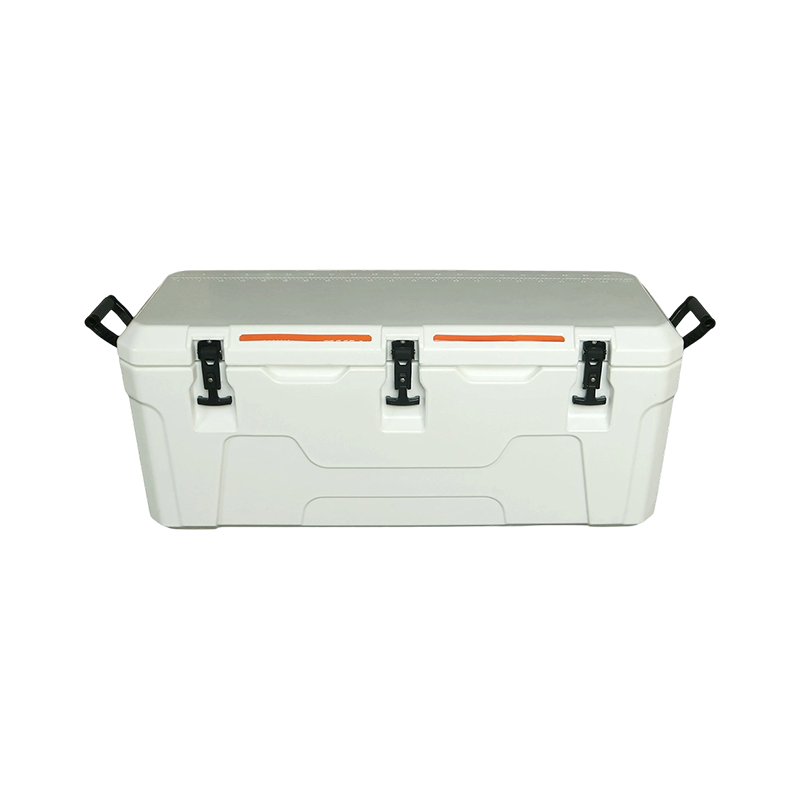
An insulated outdoor cooler is only as good as its walls and its lid. Nelgreen builds its 140QT outdoor portable cooler and its smaller 50QT, 60QT and 75QT siblings from rotomolded LLDPE with polyurethane foam, so a brand can describe and test its ice life with real data.
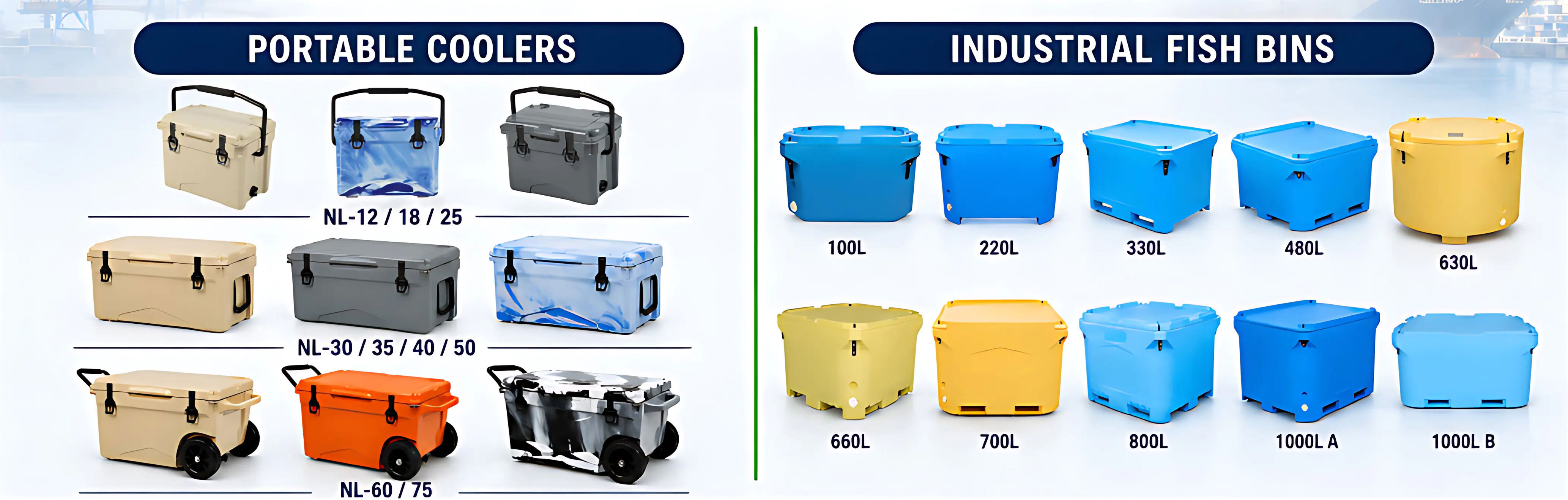
- 10–240QT cooler range
- 220–1000L fish tubs
- Product development & mold design
- BSCI · ISO 9001 · SGS · FDA
Popular models
-
-
-
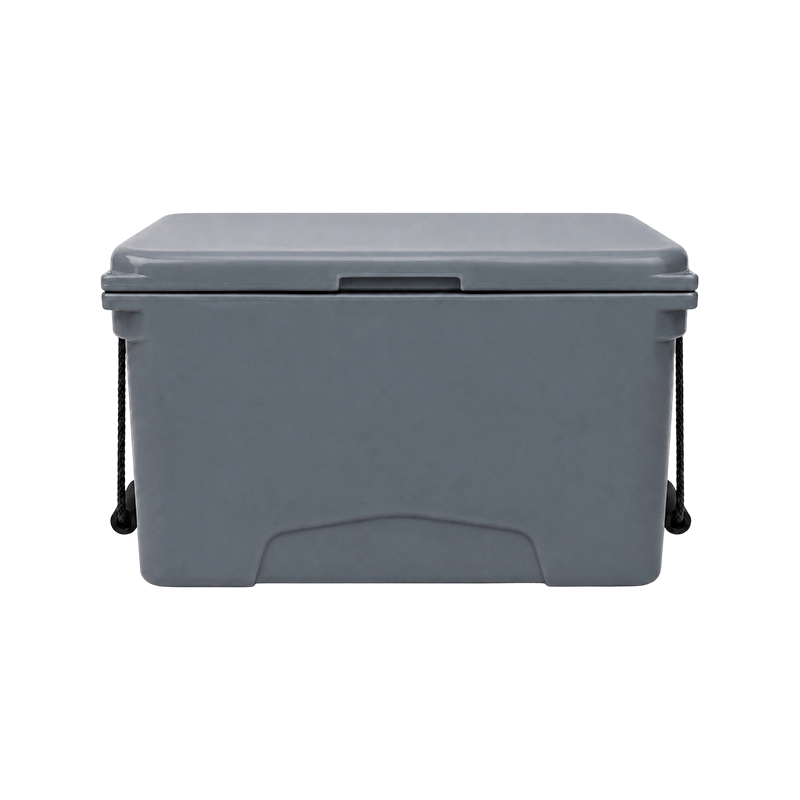 65L Large Capacity Portable Insulated Cooler Box View details
-
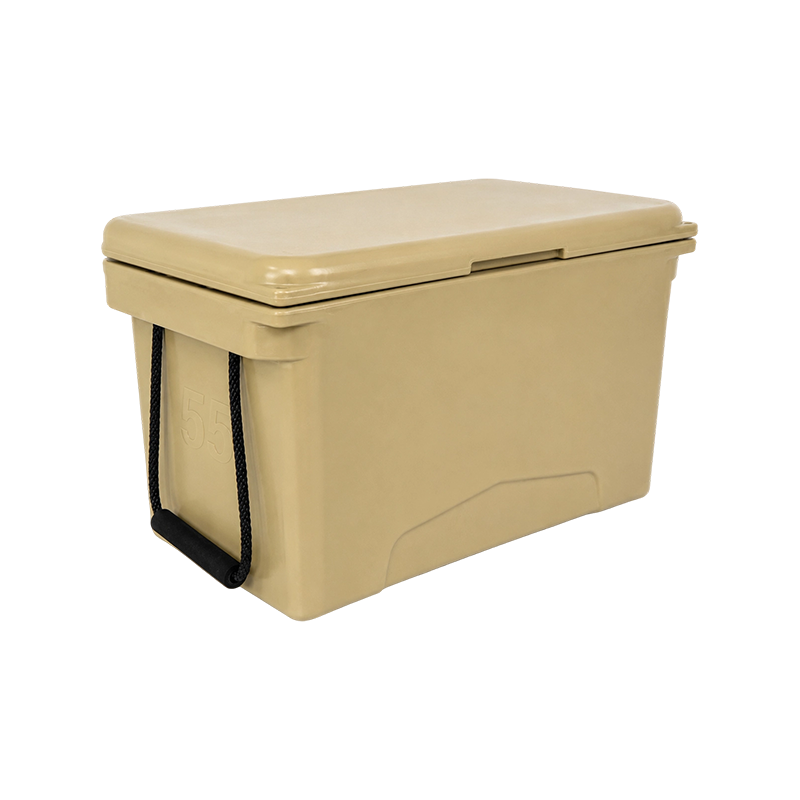 55L Portable Insulated Rotomolding Cooler Box View details
-
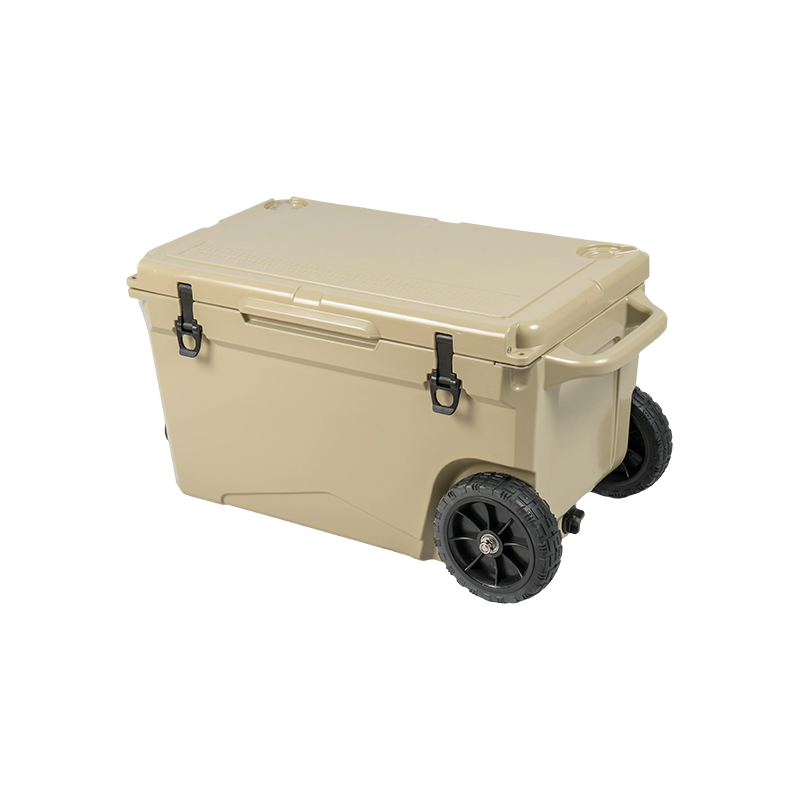
-
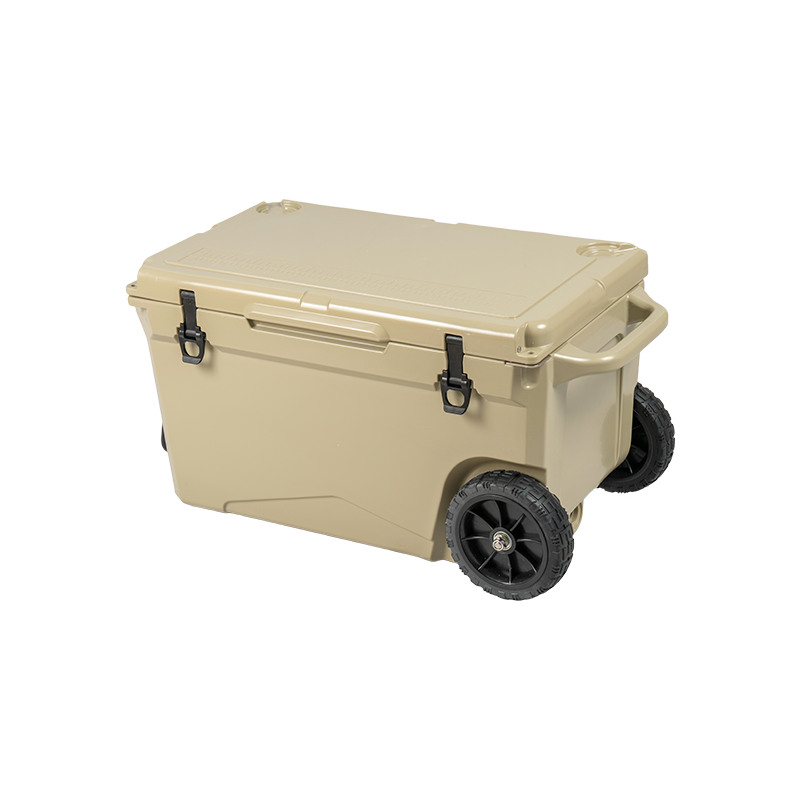 60QT Outdoor Rotomolding Cooler Box View details
-
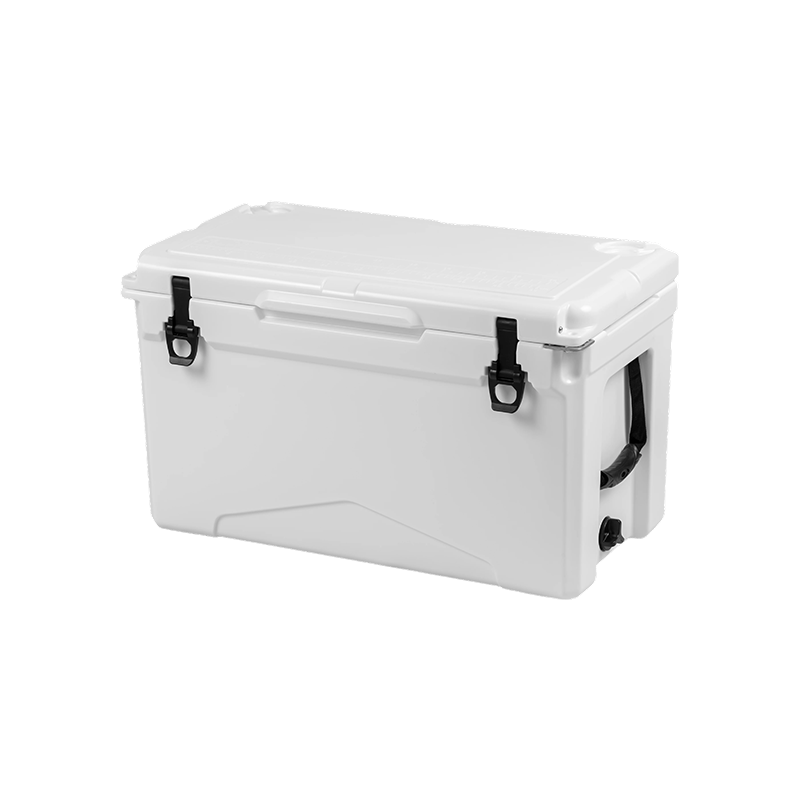 50QT Outdoor Fishing Rotomolding Cooler Box View details
-
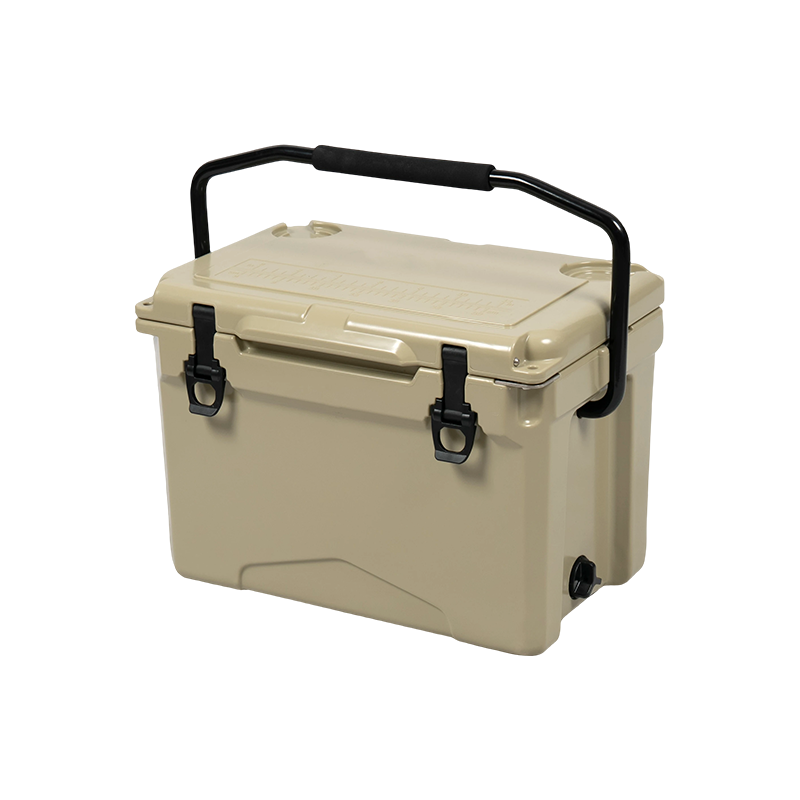 25QT Car Portable LLDPE Rotomolding Cooler Box View details
-
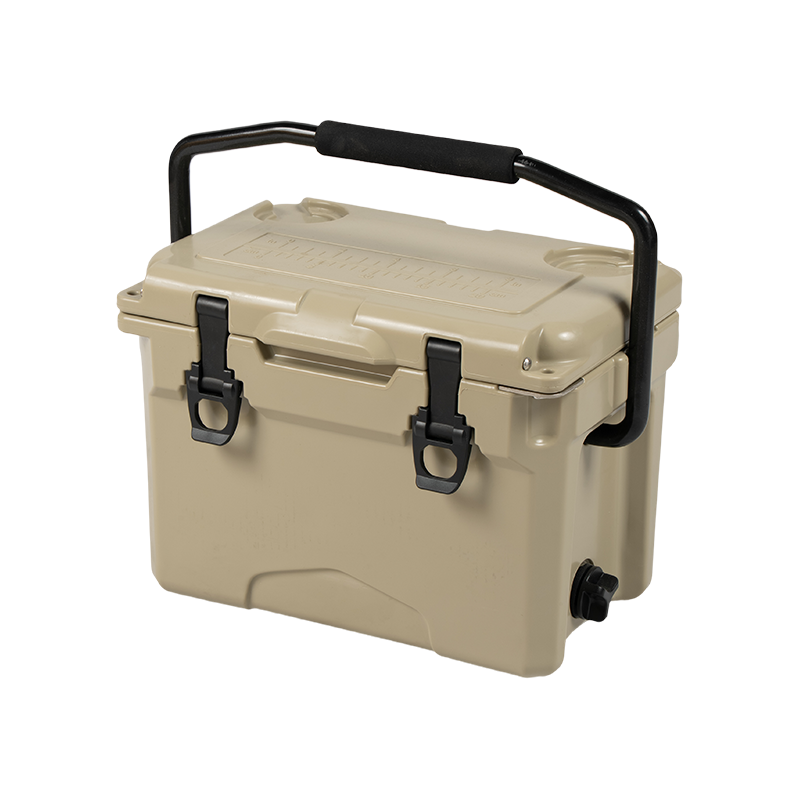 12QT Mini Rotomolding Cooler Box View details
-
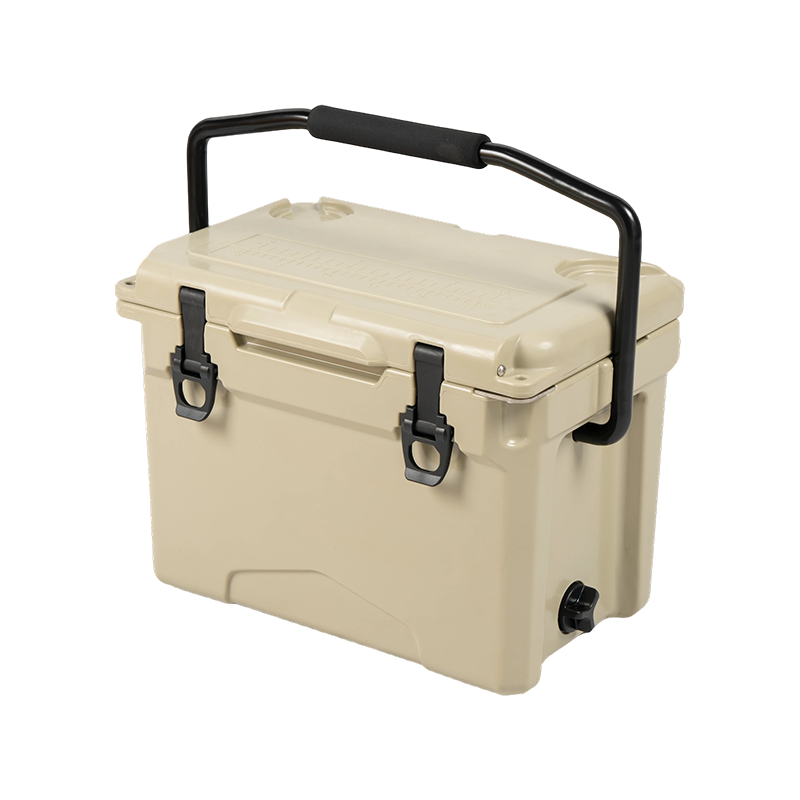 18QT Car Small Rotomolding Cooler Box View details
-
-
How to judge insulation on a portable outdoor cooler before you buy
Insulation is the feature every cooler claims and few explain. Words such as premium, extreme or multi-day appear on almost every listing, yet they say nothing about how the cooler was built or tested. For a buyer, the useful questions are narrower: how thick are the walls and the lid, how well is the foam filled, how tight is the seal, and how was the ice-life figure measured? A supplier who can answer those questions in numbers is easier to trust than one who answers with adjectives. Treat any claim without numbers as marketing until proven otherwise.
Heat enters a cooler by several routes, and the walls are only one of them. The lid is often the weakest part, because it is thinner than the body and carries a seal that has to be compressed every time it closes. Hinges, latches and the drain plug create small paths for warm air. When you compare two coolers, ask for wall thickness in millimetres, lid thickness, and how the gasket is fitted, rather than relying on a general statement that the walls are thick.
Foam fill quality is the next point. In a rotomolded cooler the cavity between inner and outer shells is filled with polyurethane foam, and a poor fill leaves voids that reduce performance and are invisible from the outside. Ask how the factory checks fill, whether filled weight is monitored per batch, and what happens to units that fail. A cooler that performs well in a sample and poorly in the tenth batch is a common source of returns, so consistency matters as much as the sample result.
Ice-life figures need context. A claim of several days is meaningless without the ambient temperature, the ratio of ice to air, whether the cooler was pre-chilled and how often it was opened. Ask for the test method in writing. A typical method loads a known amount of ice, closes the lid and records the time until the ice is gone or the interior reaches a set temperature in a controlled room. If you need independent numbers for your listing, a third-party laboratory can run the same method on samples from your batch.
Size changes the result. A 140QT cooler holds more ice and has less wall area per litre than a 50QT one, so a full large cooler tends to keep ice longer than a small one with the same wall thickness. That advantage only holds when it is kept mostly full, and a large cooler is much harder to carry. For customers who need portability more than maximum ice life, a mid-size model in the 50QT to 75QT range is a better fit, and your range should explain this honestly.
Real use differs from the laboratory. Shade, pre-chilling, tight packing and a closed lid add more days than any extra foam, so buyers should plan a short guide for customers, printed in the carton or on the listing. Dark colors absorb heat from the sun, which matters if the cooler will sit outside all day. Ask for light color options if your market is hot, and approve the color on a physical sample before production.
Finally, handle the commercial side with the same care. Compare quotes on shell weight, foam specification and hardware, not on price per piece. Ask for carton size and units per 40HQ, confirm MOQ of [XX units], sample lead time of [XX days] and production lead time of [XX days], and request FDA, SGS and RoHS documents for the material grade if the cooler will hold food. Test a sample in your own conditions before committing to volume. A few hours of careful testing before the order is far cheaper than a season of returns afterward.
| Shell material | LLDPE, UV-stabilized options |
| Insulation | Polyurethane foam, wall thickness [XX mm], lid thickness [XX mm] |
| Core model | 140QT Outdoor Portable Insulated |
| Mid-size options | 50QT, 60QT and 75QT outdoor models |
| Test method | Ice-retention method provided on request |
| Lid | Gasket-sealed lid with latches [confirm per model] |
| Compliance | FDA, SGS, RoHS, BSCI, ISO 9001 documents on request |
Where strong insulation matters outdoors
Pick a situation to see how outdoor buyers think about ice life, what to check at the sourcing stage and which Nelgreen sizes fit.
Basecamp & Multi-Day Camping
Basecamps and long camping stays mean food and drinks for several days with no refill of ice. The cooler is opened many times a day and stays in one place.
What buyers need
Ice that lasts several days and a lid that seals tightly after many openings.
Specify these when sourcing
- Wall and lid thickness listed in millimetres
- Gasket condition after repeated opening
- Written ice-retention method for your claim
Recommended models
Typical buyers
Camping brands, outdoor retailers
Hunting & Backcountry Trips
Hunting camps are far from ice and electricity. The cooler stores food and, later, game meat, and must keep contents cold for days of rough handling.
What buyers need
Reliable cold and a body that tolerates trucks, trailers and rough tracks.
Specify these when sourcing
- Foam fill consistency across batches
- Hardware strength on latches and hinges
- Earth-tone color options for low-profile gear
Recommended models
Typical buyers
Hunting retailers, off-road accessory shops
Outdoor Events & Markets
Festival stalls, farm markets and sports events use a cooler as a cold station for hours. It sits in public, often in the sun, and is opened constantly.
What buyers need
Ice that survives a full day of opening and a clean look that carries branding.
Specify these when sourcing
- Light color options for sun exposure
- Logo area and method of application
- Consistent batch color across several units
Recommended models
Typical buyers
Event suppliers, beverage brands
Hot-Climate Outdoor Use
In hot regions, ice melts fast and a cooler can face temperatures far above the standard test. Thicker walls, tight seals and light colors all count for more.
What buyers need
Performance proven at a high ambient temperature, not only at a mild one.
Specify these when sourcing
- Retention test at a high ambient temperature
- Lid seal and latch design for tight closure
- Light shell color options
Recommended models
Typical buyers
Retailers in warm markets, brand owners
Lakeside & Boat Weekends
Weekends at the lake mix sun, water and short boat trips. The cooler rides in a boat, on a dock or in a truck bed, and gets splashed along the way.
What buyers need
A shell that handles sun and water, and a size that suits the boat.
Specify these when sourcing
- UV-stabilized shell for exposure on deck
- Drain plug position for fast emptying
- Footprint against the boat's storage space
Recommended models
Typical buyers
Lake-area retailers, boat accessory stores
Custom insulated outdoor cooler development
For an insulated cooler the real product is the test result behind the label. Nelgreen works with outdoor brands to set wall and lid design, foam fill checks and test methods, so that the claim on the box matches what the cooler does.
Size, colors, logo and carton are decided together, and a sample is tested before volume orders, so your range can be described honestly and with confidence.
Five stages from insulation target to shipment
- Insulation targetTrip length and climate turned into a wall and lid specification.
- Foam and lid designWall, lid and seal design set to the target and written on the drawing.
- Mold and sampleA modified or new mold, then a first sample for your own test.
- Test and reviewIce retention measured under an agreed method before approval.
- Batch checksFoam fill and weight checks during production, then packing and shipping.
What an outdoor brand can customize
- Size rangeChoose from 50QT to 140QT, or add a size through new tooling.
- Wall and lid designFoam thickness set to your target ice life.
- Shell colorsLight shades for heat or your own brand colors.
- LogoMarks on the lid and sides, placed for shelf and outdoor visibility.
- HardwareLatches, hinges and handles specified on the drawing.
- Test reportA written method and result for your listing.
OEM or ODM: which route fits?
- OEMYou supply a drawing or choose a model from our outdoor range. We build to your target, add your colors and logo and supply volume.
- ODMYou describe the climate and the customer. We develop the insulation design, mold and test plan so the finished cooler carries your name.
Insulated outdoor cooler sizes
Four outdoor sizes cover day trips to basecamps. Ask for the datasheet to see wall and lid thickness, empty weight and carton loading per 40HQ.
| Model | Capacity | Best for | Ice retention | Insulation note |
|---|---|---|---|---|
| 50QT Outdoor Fishing | 50 QT | Weekend trips, boat days | [X] days at [XX]°C ambient | Wall [XX mm], lid [XX mm] |
| 60QT Outdoor | 60 QT | Camping, tailgating | [X] days at [XX]°C ambient | Wall [XX mm], lid [XX mm] |
| 75QT Large Capacity Outdoor Fishing | 75 QT | Group trips, events | [X] days at [XX]°C ambient | Wall [XX mm], lid [XX mm] |
| 140QT Outdoor Portable Insulated | 140 QT | Basecamp and long stays | [X] days at [XX]°C ambient | Wall [XX mm], lid [XX mm] |
Rotomolded vs injection vs soft insulation
Outdoor coolers use different ways of keeping cold. This table shows how they compare on the points that decide ice life.
| Insulation | Rotomolded | Injection-molded | Soft cooler |
|---|---|---|---|
| Wall build | Foam-filled cavity between two shells | Thinner walls, often with foam | Fabric with a thin foam layer |
| Lid | Thick lid with gasket | Thinner lid | Zip or fold closure |
| Typical ice life | Multi-day class | One to two days | A few hours |
| Consistency | Depends on foam fill checks | Depends on tooling | Varies widely |
| Best for | Long trips and hot weather | Short trips and budget lines | Short outings and light loads |
What to check before choosing an insulated outdoor cooler
Six points that turn an insulation claim into something a buyer can verify.
Ask for wall and lid thickness in numbers
Words like premium or extreme do not describe insulation. Ask for wall thickness and lid thickness in millimetres for each model, and compare quotes on those figures.
Check how the foam fill is verified
Voids in the foam reduce performance and are hidden. Ask how fill is checked, whether filled weight is monitored per batch and what happens to units that fail.
Get the test method in writing
A figure for days of ice means nothing without ambient temperature, ice ratio, pre-chilling and opening frequency. Ask for the method and the result for each model.
Look at the lid and seal
The lid is usually the weakest thermal path. Check its thickness, the gasket design, how the seal compresses and how many latches hold it shut.
Match the size to the use
A full large cooler keeps ice longer than a small one, but it is harder to carry. Offer mid-size models for customers who value portability over maximum ice life.
Plan your own verification
Test a sample in your own conditions, and consider a third-party laboratory if you need independent data for your listing. Confirm MOQ, lead time and units per 40HQ before volume.

Ningbo Nelgreen Outdoor Products Co., Ltd.
Welcome to Ningbo Nelgreen Outdoor Products Co., Ltd. as a professional manufacturer specializing in roto-molded cooler boxes, insulated containers, and cold chain solutions. As China Insulated Portable Outdoor Cooler Manufacturers and Insulated Portable Outdoor Cooler Factory, located in Yuyao, Ningbo, China, Nelgreen integrates product development, mold design, manufacturing, quality inspection, and global supply chain services to provide reliable cooling solutions for customers worldwide. With a comprehensive product portfolio covering outdoor cooler boxes, marine fishing coolers, industrial insulated containers, and commercial cold chain products, Nelgreen serves diverse industries including outdoor recreation, fishing, seafood transportation, beverage distribution, and professional logistics. Our products are designed for durability, excellent insulation performance, and long-term reliability in demanding environments. Our core strength lies in advanced roto-molding technology and flexible OEM/ODM manufacturing capabilities. Equipped with professional tooling facilities and experienced production teams, we provide complete customization services, including product development, mold design, logo customization, color options, structural improvements, and functional accessories. Whether supporting emerging brands with customized solutions or supplying large-scale distributors and retailers, Nelgreen delivers stable quality and efficient production capacity. Quality is at the heart of everything we do. Our products are manufactured under strict quality control systems and comply with international standards including BSCI, ISO 9001, SGS, RoHS, FDA, and Alibaba Factory Verification. Through continuous innovation, reliable manufacturing, and customer-focused service, Nelgreen is committed to becoming a trusted global partner for professional cooling solutions. Nelgreen Outdoor — Reliable Cooling Solutions Built for Global Markets.


Questions from outdoor brands and retailers
How thick are the walls of your insulated coolers?
Wall thickness differs by model, and we list it in millimetres on the datasheet rather than describing it in general terms. The cavity between inner and outer shells is filled with polyurethane foam, and the lid has its own thickness and gasket. We recommend you compare two coolers on wall thickness, lid thickness and the foam specification, not on the quart rating. Please ask for these values for each model you are considering, and we will also share how the figures are checked during production so that your listing can use accurate numbers. Please tell us your target market so we can suggest a sensible wall thickness for it.
How do you measure ice retention?
A good test states the ambient temperature, the ice-to-air ratio, whether the cooler was pre-chilled and how often it was opened. A typical method loads a known amount of ice, closes the lid in a controlled room and records the time until the ice is gone or the interior reaches a set temperature. We share the method and the result under a statement such as [X days at XX°C, ice-to-air ratio X:1]. You can repeat the test on a sample, or send it to an independent laboratory. We are glad to run the same test on a sample you send, so that both results can be compared side by side.
Does a bigger cooler always keep ice longer?
Usually, but not always. A larger cooler has less wall area for each litre it holds, so heat enters more slowly in proportion to the ice inside, and a full 140QT often outperforms a 50QT with the same walls. That edge disappears if the cooler is half empty, because air inside melts ice fast, and a 140QT is much harder to carry. We suggest matching size to trip length and carrying needs, and we can supply several sizes so that your range gives customers a real choice. Please tell us your usual trip length so that we can compare the two sizes on your actual use case.
How do you make sure foam fill is consistent between batches?
A consistent foam fill is one of the main differences between a good rotomolded cooler and an average one. We check the cavity fill during production and monitor the weight of filled units, so that voids and short fills are caught. Units that do not meet the standard are set aside. We are happy to explain the checks in detail when you request a quotation, and you can ask for a sample from a recent batch, not only a first sample, to see what regular production looks like. Please also tell us how many units you plan per order, because that decides how many we can sample.
Will the cooler work in very hot weather?
Hot weather shortens ice life for every cooler, so a test at high ambient temperature is worth requesting. Thick walls, a tight lid seal, light shell colors, shade and pre-chilling all help. We can run or share a test at a higher temperature than the standard figure for markets with hot summers, so your claims reflect real conditions. Packing the cooler full of ice, keeping the lid closed and placing it out of direct sun usually add more hours than any extra feature, and a short guide in the carton can teach your customers. Please tell us the hottest month in your market so the test can match it.
Can I use my own test method or a third-party lab?
Yes. You can run your own test on a sample, or send samples to an independent laboratory to produce numbers for your listing or packaging. We recommend you test samples from a regular production batch as well as a first sample, so the results reflect what customers will receive. We are happy to provide samples for this purpose and to explain our own method so that results can be compared. If a laboratory needs particular dimensions or documents, please send us the request and we will support it. Please also keep the test conditions the same for each size, because a fair comparison depends on them.
Which size is best for a portable outdoor cooler?
It depends on how far the cooler will be carried. The 140QT gives the most ice and the best retention, but it is large and heavy when full, so it suits basecamps and vehicle use. The 50QT, 60QT and 75QT are easier to move and suit weekends, tailgating and boat days. Many brands offer two or three sizes in matching colors. Tell us your customers' usual trip and how they carry the cooler, and we will suggest a starting mix and send datasheets for each. Please include your target price band, because it helps us suggest a realistic number of sizes for the first order.
Can you adjust the insulation level for my market?
Yes. Foam thickness and lid design are part of what we can adjust, through a modified or new mold, and the result is tested on a sample before production. A thicker wall means a heavier cooler and a higher cost, so it is worth deciding the target first: a short trip may not need maximum ice life, while a hot-climate or multi-day market might. We can quote two designs side by side so you can compare weight, price and ice retention before you choose. Please tell us your price target too, so we can propose design options that actually fit it, and we will respond with a comparison table.

 No. 6, Guantong Road, South Zone, Xiaocaoe Town Industrial Park, Ningbo, Zhejiang, China
 +86 13736107260