

 EN
 English
 русский
 Español
 Deutsch
 عربى

Large Insulated Fish Cooler Box
The same job, holding fish close to 0°C from the water to the buyer, is done by two Nelgreen product families: large rotomolded fishing coolers up to 240QT and insulated fish tubs from 220L to 1000L. Both use a seamless LLDPE shell with polyurethane foam, so one supplier can cover a recreational and a commercial customer.
- 10–240QT cooler range
- 220–1000L fish tubs
- Product development & mold design
- BSCI · ISO 9001 · SGS · FDA
Popular models
-
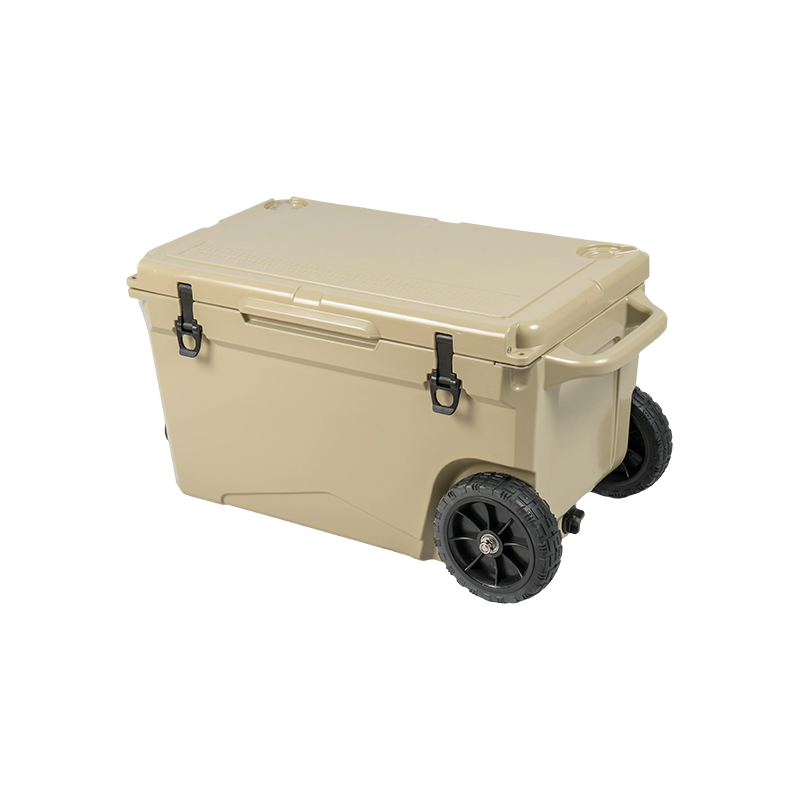
-
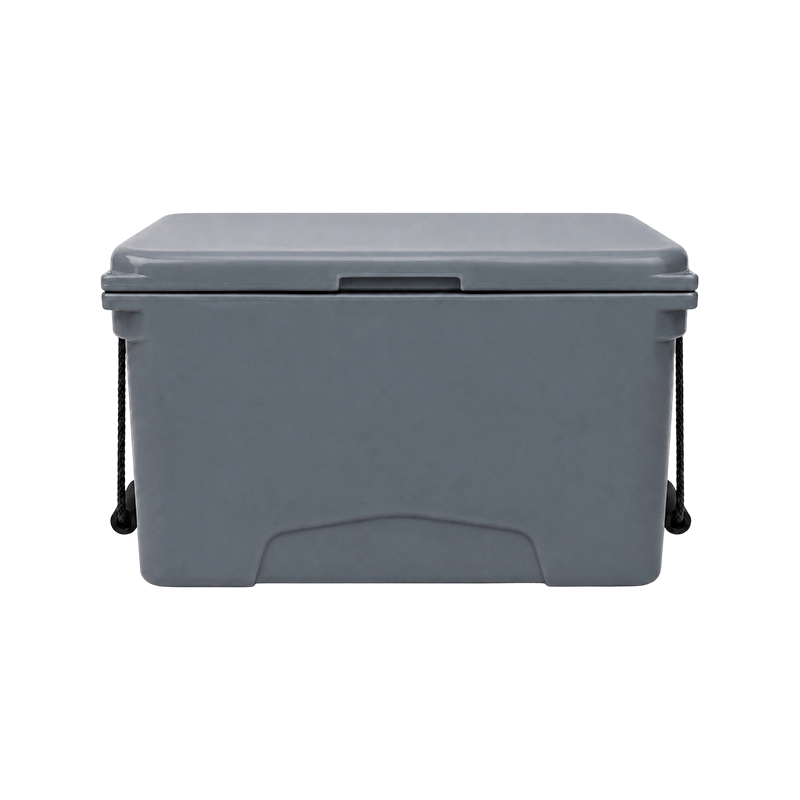 65L Large Capacity Portable Insulated Cooler Box View details
-
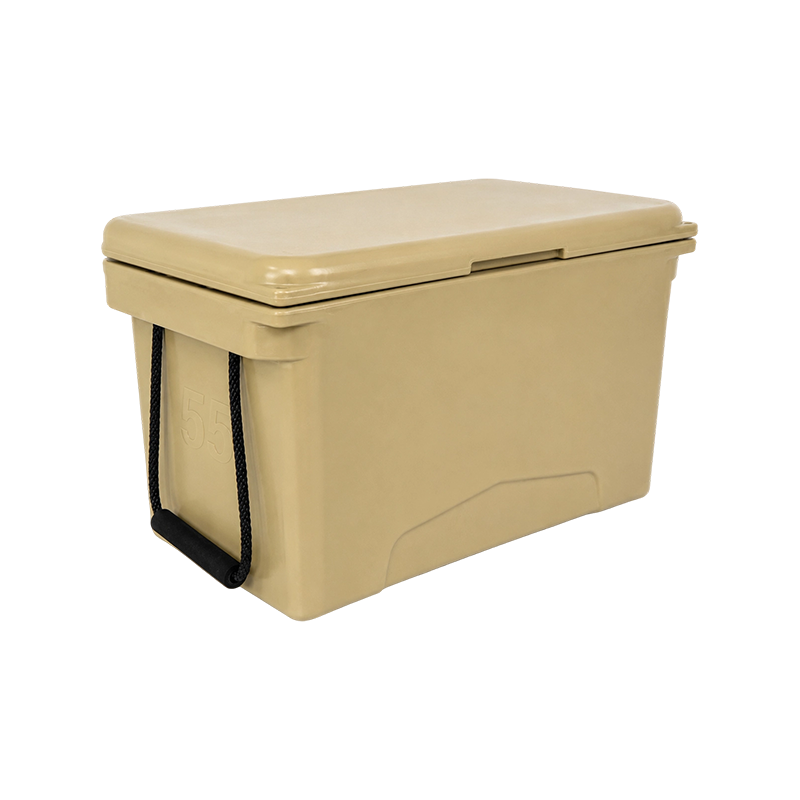 55L Portable Insulated Rotomolding Cooler Box View details
-
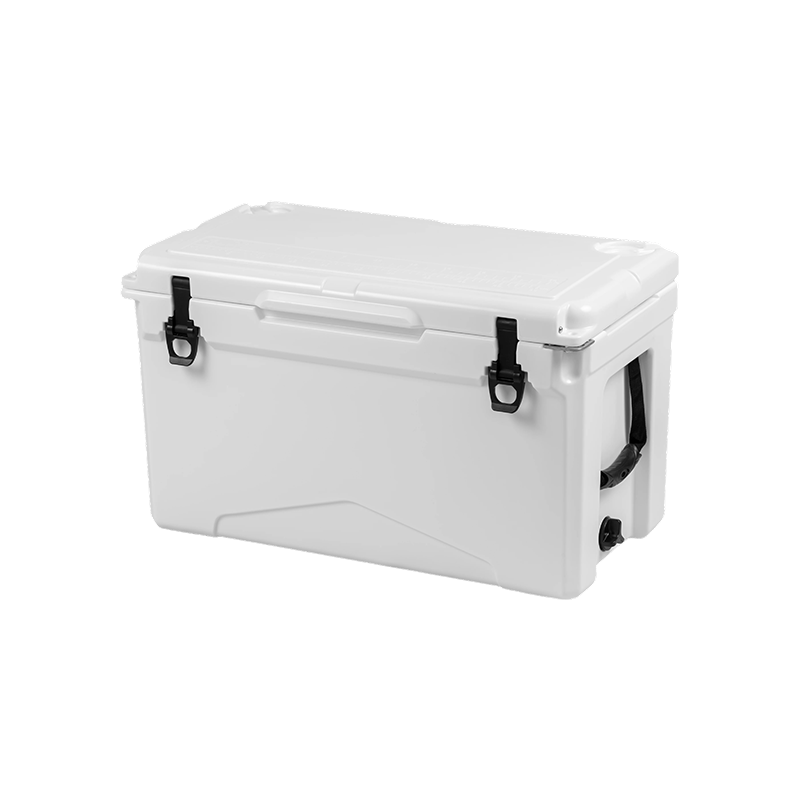 50QT Outdoor Fishing Rotomolding Cooler Box View details
-
-
-
-
-
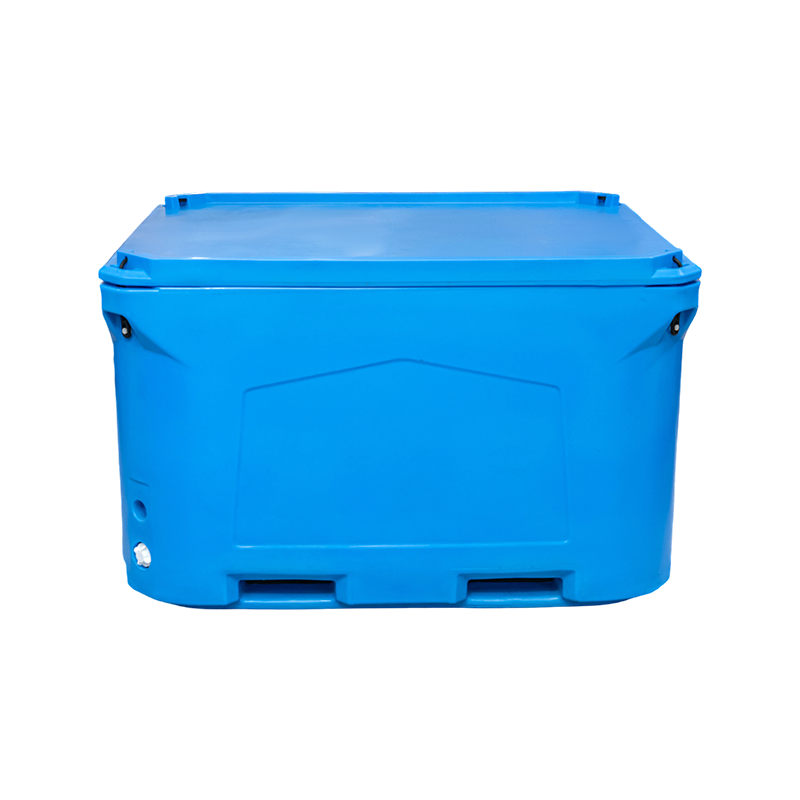
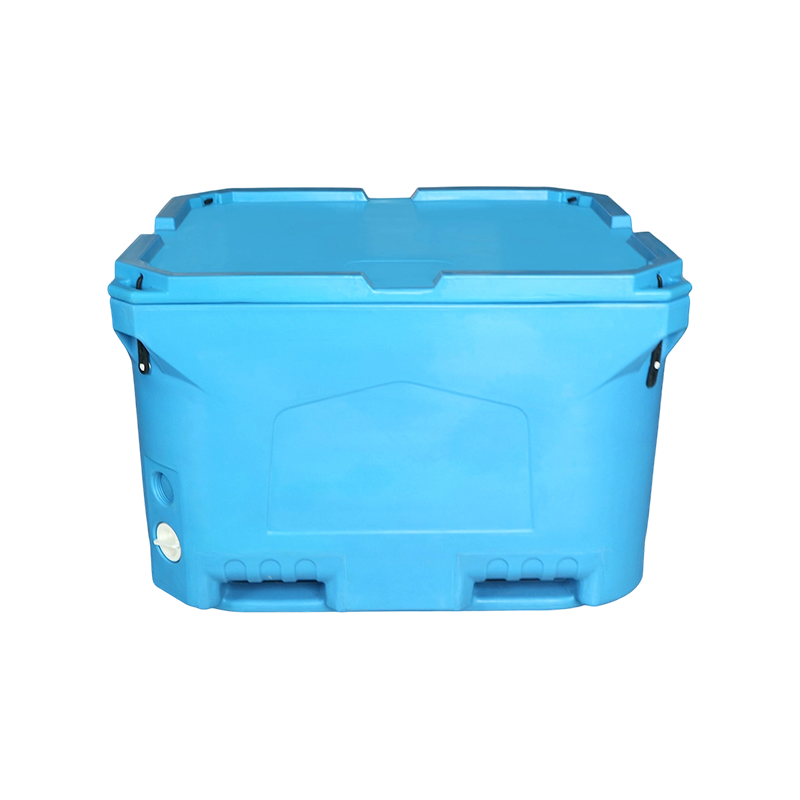
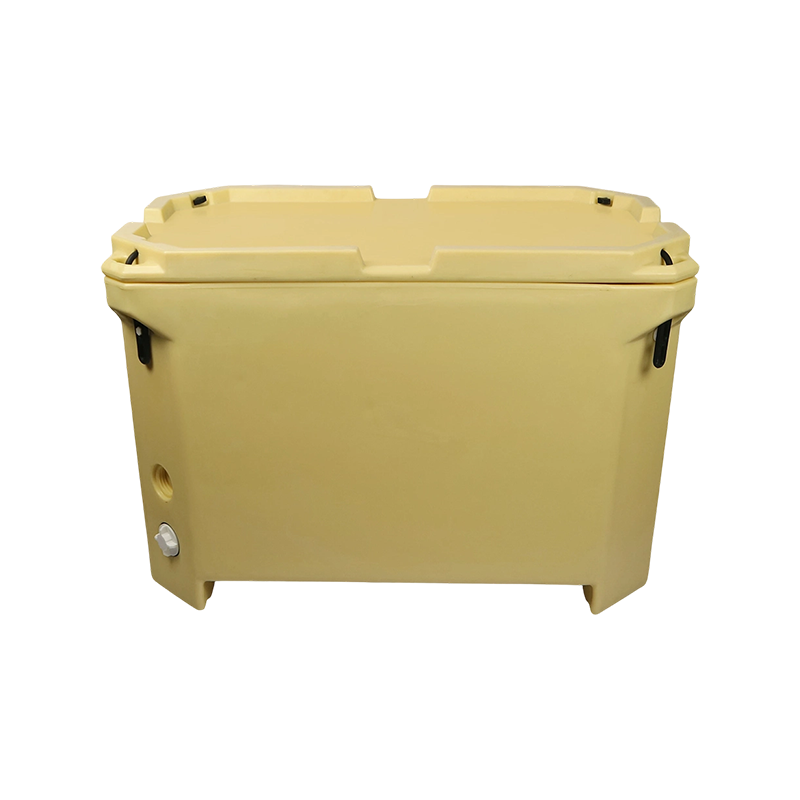
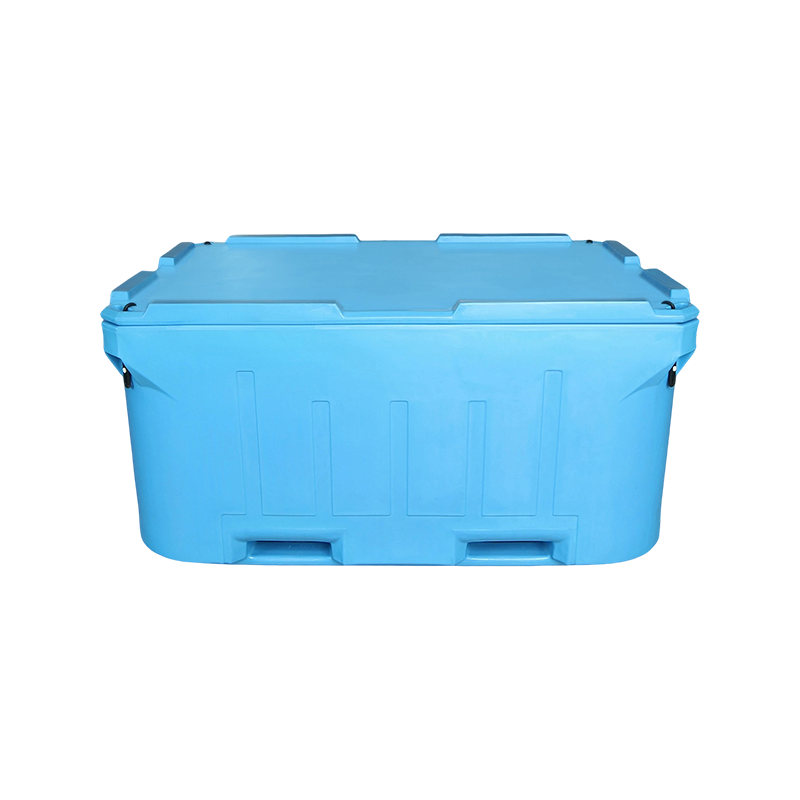 NL1000B Large Rotomolding Insularted Fish Tub View details
-
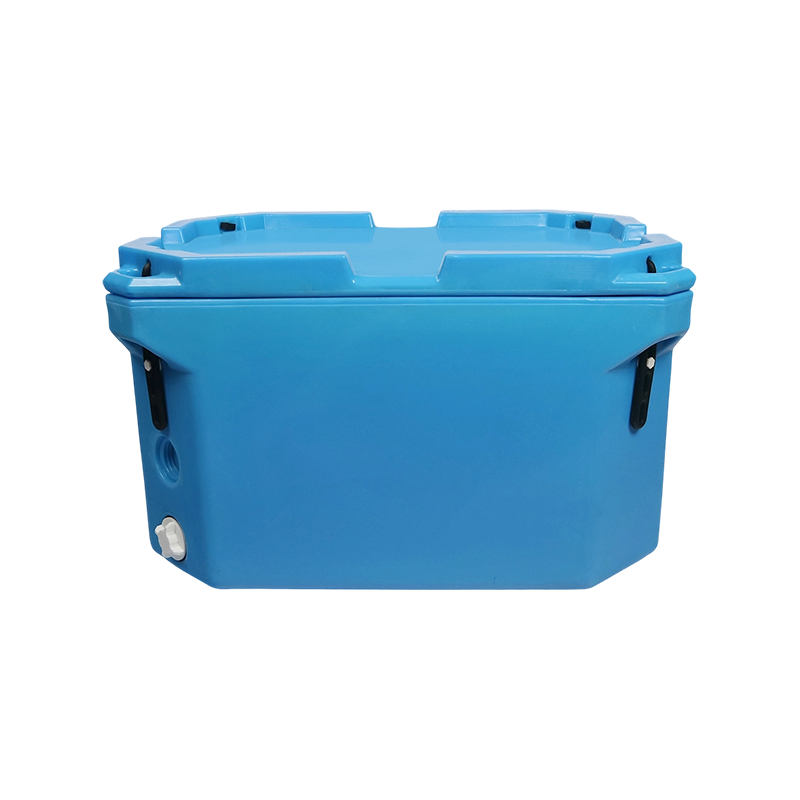
-
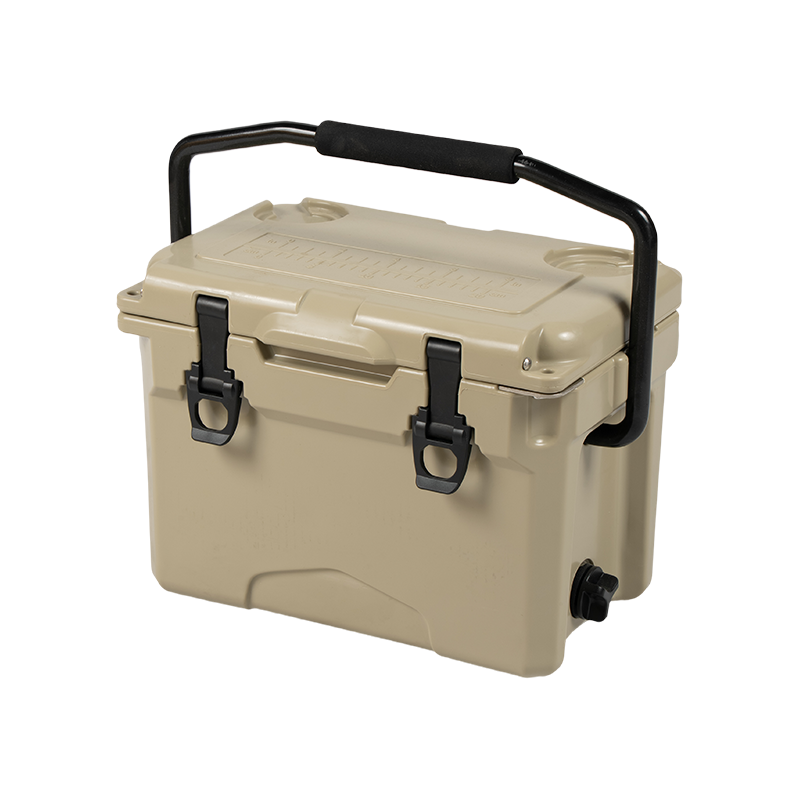 12QT Mini Rotomolding Cooler Box View details
-
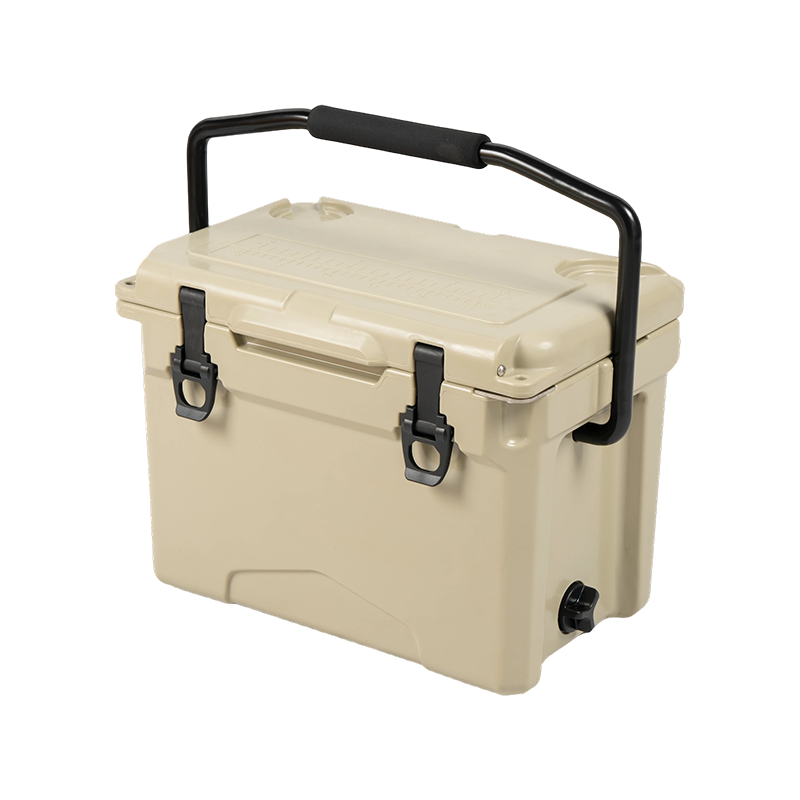 18QT Car Small Rotomolding Cooler Box View details
How to choose between a large fish cooler box and an insulated fish tub
Buyers who sell to anglers and to fish handlers often discover that their customers describe the same need in different words. A charter skipper asks for a big fish cooler. A dockside buyer asks for an insulated tub. Both want the catch held close to 0°C (32°F) until it is processed or sold, and both rely on the same construction: a seamless rotomolded LLDPE shell with a rigid polyurethane foam core. The difference lies in geometry, handling and the paperwork that follows the product.
Geometry is the first point. A large hard cooler, such as the 240QT, has a hinged, gasketed lid, side handles and a body shaped for a boat deck or a truck bed, with a nominal volume of about 227 litres. An insulated fish tub offers a much larger range, from 220L to 1000L, and is usually loaded from above, which suits fast sorting and icing of whole fish. Ask for internal length, width and depth, not only the nominal volume, and compare them with the longest fish and the typical lot size your customers handle.
Temperature control decides quality. Fish lose freshness quickly when the product temperature rises, so the objective is rapid chilling followed by stable holding. Wall thickness and foam density reduce the heat load, which lowers ice consumption and keeps the interior cold between icing cycles. Ask each supplier for a hold-time result under a stated method, with ambient temperature, ice-to-product ratio and lid-opening pattern, and request data for a loaded unit, not an empty box. Guidance on ice quantity varies by species and climate, so present your customers with a starting point and not a guarantee.
Drainage and hygiene are the next criteria. The shell is seamless, with a smooth, non-porous interior that is easier to clean than a seamed or painted surface. The drain should be large enough to clear meltwater and fish slime quickly, positioned at the lowest point and fitted with a plug that seals well. Commercial handlers working under HACCP-based programs will look at cleanability and cross-contamination risk first, so supply a simple cleaning and sanitizing guide with each shipment and consider color coding for raw and ready-to-eat product.
Handling is where the two families diverge most. A 240QT cooler filled with ice and fish is a two-person lift at best. A tub in the 480L to 1000L range is a fixed-position container for a dock, a vehicle bed or a processing floor, normally moved with a forklift or a hoist, so check the handle design, the base profile and what lifting method each model supports. Never promise a mobility feature that has not been confirmed on the drawing for that model.
Compliance follows the use. For fish that will be sold as food, buyers commonly request food-contact declarations against the relevant regulations, for example the FDA requirements for olefin polymers and Regulation (EU) No 10/2011, supported by migration reports that name the resin and pigment actually used. Nelgreen holds FDA, SGS and RoHS documentation, along with BSCI and ISO 9001 certification, and reports can be shared during quotation.
Commercially, the two families can be bought together. A mixed order makes better use of a 40HQ container, and a matched color and logo across hard coolers and tubs gives a brand one coherent range. Confirm MOQ of [XX units], sample lead time of [XX days] and production lead time of [XX days], and plan around two seasons: the fishing season for coolers and the landing season for tubs. Before volume, test a sample with real ice and fish. Record the product temperature at loading and at delivery, and keep these records with the batch documents so that later orders can be compared against the same baseline.
| Shell material | LLDPE rotomolding resin, UV-stabilized options |
| Insulation | Closed-cell rigid polyurethane foam, wall thickness [XX mm] |
| Hard cooler sizes | 75QT, 140QT, 240QT large fishing coolers |
| Fish tub sizes | NL220L, NL330L, NL480L, NL660L, NL700L, NL1000L |
| Drain | Drain plug on tubs and coolers [confirm per model] |
| Handling | Handles and base profile [confirm per model] |
| Compliance | FDA, SGS, RoHS, BSCI, ISO 9001 documents on request |
Where a large fish cooler or tub is put to work
Pick a fish-handling situation to see which product family buyers choose, which details matter at the sourcing stage and which Nelgreen models fit.
Fishing Charters Selling the Catch
Charter operators often ice the catch for customers and sometimes sell surplus fish at the dock. A large cooler on deck serves both jobs and has to look presentable.
What buyers need
Fast icing on deck and a clean, branded surface that customers see.
Specify these when sourcing
- Internal length against the target species
- Lid seal and latch function on a moving deck
- Brand color and logo placement on the lid
Recommended models
Typical buyers
Charter operators, marine outfitters
Dockside Fish Buyers
Buyers at a dock receive a mixed catch from several boats in a short window. They need tubs that are loaded quickly, iced properly and moved to a vehicle.
What buyers need
A wide opening for fast loading and a drain that clears at once.
Specify these when sourcing
- Opening size and lid design for fast loading
- Drain size and position
- Forklift or hoist method [confirm per model]
Recommended models
Typical buyers
Fish buyers, seafood traders
Small Fisheries & Co-ops
Cooperatives pool landings from small boats, so the container has to be easy to clean and tolerant of rough, wet handling across a long season.
What buyers need
Durable tubs with a smooth interior and simple cleaning routines.
Specify these when sourcing
- Food-contact documents for the exact material
- Cleaning agent compatibility
- Replacement parts for plugs and lids
Recommended models
Typical buyers
Fishery co-operatives, local seafood suppliers
Fish Markets & Wholesale Halls
Market halls hold fish on ice for display and then for the next trading day. Containers are washed daily and stacked or arranged in a tight floor plan.
What buyers need
Stable temperature across a trading day and quick wash-down.
Specify these when sourcing
- Hold-time data with a stated ice ratio
- Exterior footprint against stall layout
- Color coding for different products
Recommended models
Typical buyers
Market operators, seafood wholesalers
Lodges & Expedition Camps
Remote lodges collect a large number of fish across several days and must store them until departure. Ice resupply is limited and transport is by boat or truck.
What buyers need
A large, durable cooler that holds ice through multi-day stays.
Specify these when sourcing
- Wall thickness and foam specification
- Drain that works with a hose and no sink
- Packing plan for remote delivery
Recommended models
Typical buyers
Lodge suppliers, expedition outfitters
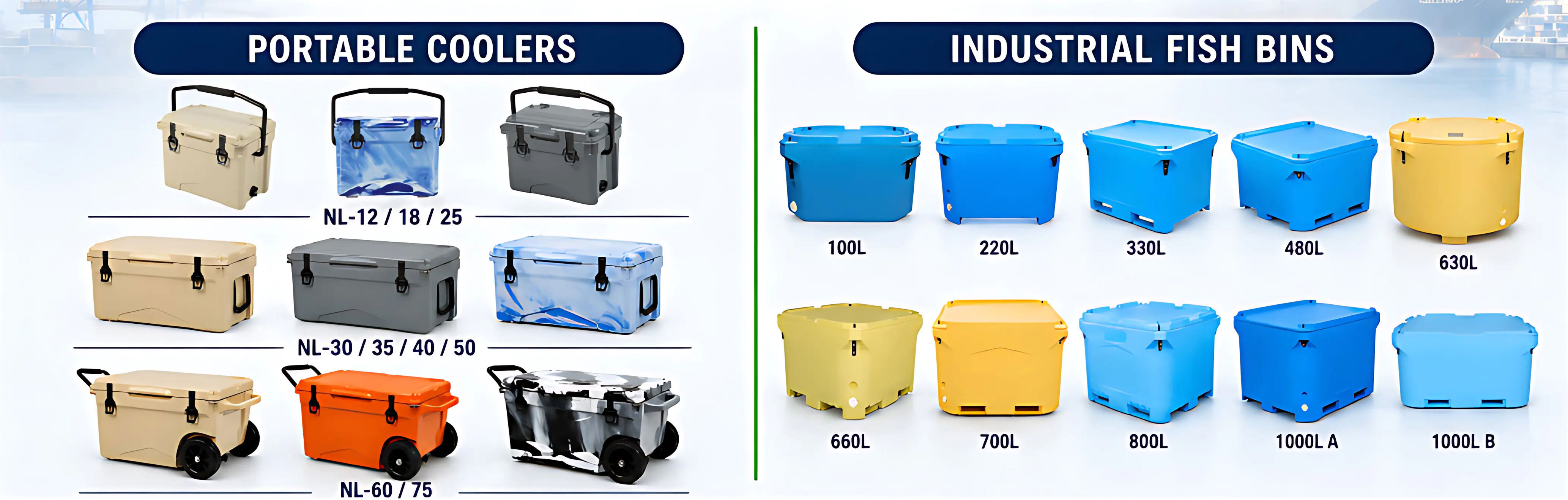
Custom fish-handling product lines across coolers and tubs
Many brands sell a fishing cooler and a commercial fish tub under the same name and want both to look and perform as one range. Nelgreen develops matched rotomolded products across both families, from the 75QT cooler to the 1000L tub.
Shell color, logo, drain design, handle layout and carton are specified once and applied to every model, so the range is consistent on a dock, in a market and on a retailer's shelf.
Five stages from range plan to shipment
- Range planDecide which cooler sizes and tub volumes your customers need.
- Common specificationOne color, logo and hardware standard across the range.
- Mold and sampleModified or new molds, then samples for ice and fish testing.
- Hold-time reviewLoaded tests under a stated method before approval.
- Mixed shipmentCombined 40HQ plan for coolers and tubs with units per container.
What a fish-handling brand can customize
- Size rangeFrom 75QT coolers to 1000L tubs, or a new volume.
- Drain designPlug size and position set on the drawing.
- Color and logoA matched master color across coolers and tubs.
- Handles and baseCarry points, forklift access and feet [confirm per model].
- Lid and sealLid type and gasket for hold-time targets.
- Cleaning guideA printed guide for your customers, with your logo.
OEM or ODM: which route fits?
- OEMYou supply drawings or pick sizes from both ranges. We build to your standard, add your colors and logo and supply mixed orders.
- ODMYou describe the fish-handling customer. We develop the shell, drain and mold across the range so everything carries your name.
Large fish coolers and insulated fish tubs compared by model
Models from the Hard Coolers range and the Industrial Insulated Containers range share one construction. Request the datasheet for internal dimensions, empty weight and units per 40HQ.
| Family | Model | Volume | Typical use | Items to confirm |
|---|---|---|---|---|
| Hard cooler | 75QT Large Capacity Outdoor Fishing | 75 QT | Boat days, charters | Handles, latch count |
| Hard cooler | 240QT Large Capacity Sea Fishing | 240 QT | Offshore and lodge use | Internal length, empty weight |
| Fish tub | NL480L / NL660L | 480–660 L | Dockside and transport | Drain, handling method |
| Fish tub | NL700L / NL1000L | 700–1000 L | Markets and wholesale halls | Footprint, units per 40HQ |
Hard cooler vs insulated fish tub for fish handling
The two families solve the same cooling problem with different shapes. This table sets out how they differ in practice.
| For fish handling | Large hard cooler | Insulated fish tub |
|---|---|---|
| Volume | Up to about 227 L (240QT) | 220 L to 1000 L |
| Loading | Hinged lid, side handles | Wide opening, fast loading |
| Movement | Two-person lift or vehicle | Forklift, hoist or fixed position |
| Best fit | Boats, trucks, lodges | Docks, markets, processing |
| Brand positioning | Consumer and charter | Commercial and co-operative |
What to check before ordering large fish coolers and tubs
Six points that apply to both product families when the job is holding fish cold.
Compare internal dimensions
Nominal volume is not usable space. Ask for internal length, width and depth, and compare them with your longest fish and the lot size your customers handle.
Ask for loaded hold-time data
Request results with ambient temperature, ice-to-product ratio and lid-opening pattern. A figure for an empty cooler says little about a loaded one.
Check the drain
Look at plug size, position and seal. Meltwater and slime must clear quickly, and a leaking plug is the most common fault in service.
Confirm the handling method
Decide how the unit will be lifted or moved: by hand, forklift or hoist. Check handle design and base profile for each model.
Request food-contact documents
Ask for declarations and migration reports that name the resin and pigment used, together with RoHS and REACH where required.
Plan a mixed order
Combine coolers and tubs in one 40HQ plan, and agree on a common color and logo standard so the range looks uniform.

Ningbo Nelgreen Outdoor Products Co., Ltd.
Welcome to Ningbo Nelgreen Outdoor Products Co., Ltd. as a professional manufacturer specializing in roto-molded cooler boxes, insulated containers, and cold chain solutions. As China Large Insulated Fish Cooler Box Manufacturers and Large Insulated Fish Cooler Box Factory, located in Yuyao, Ningbo, China, Nelgreen integrates product development, mold design, manufacturing, quality inspection, and global supply chain services to provide reliable cooling solutions for customers worldwide. With a comprehensive product portfolio covering outdoor cooler boxes, marine fishing coolers, industrial insulated containers, and commercial cold chain products, Nelgreen serves diverse industries including outdoor recreation, fishing, seafood transportation, beverage distribution, and professional logistics. Our products are designed for durability, excellent insulation performance, and long-term reliability in demanding environments. Our core strength lies in advanced roto-molding technology and flexible OEM/ODM manufacturing capabilities. Equipped with professional tooling facilities and experienced production teams, we provide complete customization services, including product development, mold design, logo customization, color options, structural improvements, and functional accessories. Whether supporting emerging brands with customized solutions or supplying large-scale distributors and retailers, Nelgreen delivers stable quality and efficient production capacity. Quality is at the heart of everything we do. Our products are manufactured under strict quality control systems and comply with international standards including BSCI, ISO 9001, SGS, RoHS, FDA, and Alibaba Factory Verification. Through continuous innovation, reliable manufacturing, and customer-focused service, Nelgreen is committed to becoming a trusted global partner for professional cooling solutions. Nelgreen Outdoor — Reliable Cooling Solutions Built for Global Markets.


Questions from fish-handling brands and distributors
Is a hard cooler or a fish tub better for commercial fish handling?
It depends on volume and movement. A hard cooler with a gasketed lid suits boats, trucks and lodges, where one or two people handle it and the lid must stay shut. A tub from 220L to 1000L suits docks, markets and processing floors, where fish are loaded quickly in larger lots. Many buyers stock both. Tell us the typical lot size and how the container is lifted, and we will suggest a model and send the datasheet with internal dimensions, empty weight and carton loading. Please tell us your usual lot size, the species and the way the container is lifted, so that we can compare models using your actual conditions before you place a volume order.
How cold should fish be kept?
Good practice for fresh fish is to chill quickly and hold close to 0°C (32°F), but exact requirements vary by species, product form and local regulation, so commercial customers should follow the rules of their market. An insulated container helps by reducing heat gain, which lowers ice use and keeps temperature stable between icing cycles. We can share hold-time results under a stated method, such as [X hours at XX°C ambient, ice-to-product ratio X:1], so that your customers can plan realistic icing. Please tell us your destination market, because the cold-holding requirements for fish differ between regions and product forms, and your documentation should match them.
How much ice should customers use?
Handling guides commonly begin with ice at between half the weight of the fish and equal weight, then adjust for species, ambient temperature, trip length and how often the container is opened. A tight pack with ice above, below and between layers performs better than loose loading. Because conditions vary, we suggest presenting this as a starting point and not a guarantee on your packaging. We can provide a short loading and icing guide with your logo for inclusion in each carton. Your own test is the best guide, so we are glad to supply samples for a trial with real ice and fish in your climate and your handling routine.
What drain options do the models have?
Coolers and tubs are supplied with a drain plug, and plug size and position differ by model, so we list them on the datasheet and confirm them on the sample. For fish use, the drain should sit at the lowest point and clear meltwater and slime quickly. Please test a filled sample by opening the plug and tilting the unit, and tell us if you need a larger opening or a different position. For a new tooling project, drain design can be specified on the drawing. If your customers use a pump or a hose to empty meltwater, tell us the connector size, and we will check whether it can be fitted.
Can I mix coolers and fish tubs in one container order?
Yes. A mixed order often fills a 40HQ more efficiently than a single product, and it lets you offer one brand across recreational and commercial customers. We provide carton or pallet plans, gross weight and units per container for each model, and we can suggest a combined loading plan after you tell us the quantities. Please also tell us whether tubs will be nested or shipped upright, because that changes the number of units that fit and the freight cost per piece. Please send the quantities of each model, and we will return a combined plan with units per container and the expected gross weight.
Can colors and logos match across both product families?
Yes. We can use one master color and one logo standard across coolers and tubs, agreed through a physical sample and a numeric color tolerance. Because the shell material is the same family, color behavior is consistent, though large and small parts may show slight differences in surface texture, so please approve each model separately. For private-label programs, we can also prepare a shared packaging style, label template and care guide, so that your entire range appears as one product line. For a private-label range, we can also match the lid color, the handle color and the printed carton, which keeps the whole line visually consistent.
Which food-contact documents can you provide?
We hold FDA, SGS and RoHS documentation, along with BSCI and ISO 9001 certification, and we can send reports that identify the exact resin and pigment used on your model. Buyers commonly request declarations against the regulations of their destination market, for example the FDA requirements for olefin polymers in the United States and Regulation (EU) No 10/2011 in Europe. Please tell us the market and the foods involved, and check the date and the sample tested on every report before you rely on it. Reports should be refreshed if the resin or pigment changes, so please ask us to confirm the material for every new order.
How should fish containers be cleaned?
A simple routine is to remove ice and residue, open the drain, wash the interior with a detergent suitable for food-contact surfaces, rinse with potable water, apply a diluted food-safe sanitizer if your program requires it, then rinse and leave the container to dry with the lid open. Avoid abrasive pads that scratch the surface, because scratches can hold residue. The smooth, non-porous shell makes cleaning easier, and we can provide a printed guide with your logo for each carton. Please also keep the drain plug and gasket clean, and replace them when worn, because small parts are the usual source of odor and leaks over time.

 No. 6, Guantong Road, South Zone, Xiaocaoe Town Industrial Park, Ningbo, Zhejiang, China
 +86 13736107260