 EN
EN
 English
  русский
  Español
  Deutsch
  عربى
عربى 
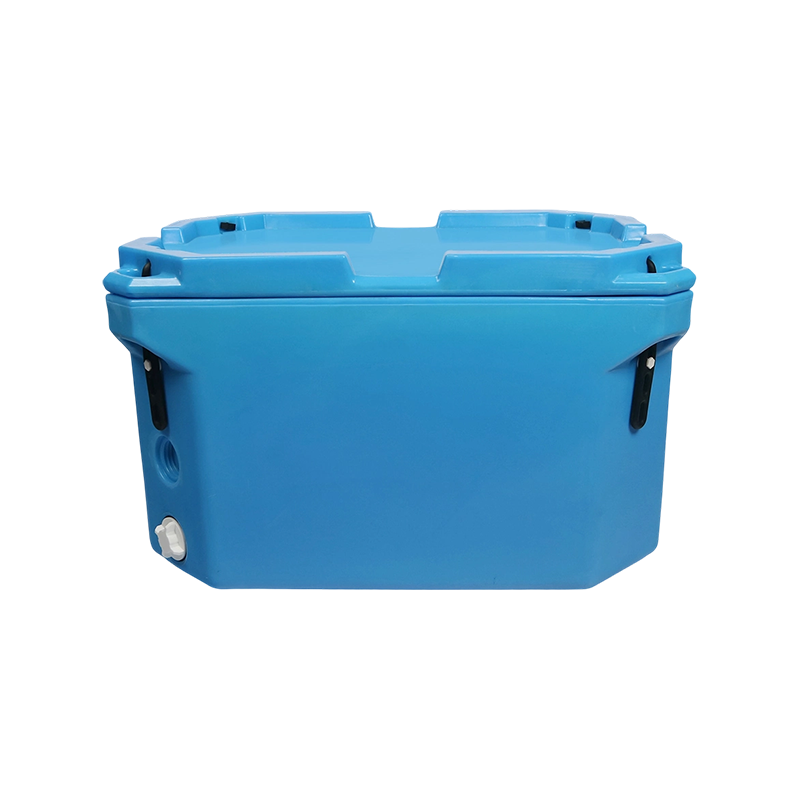
The NL-100 100L is the more compact and flexible size in the industrial fish-tub range, with an interior of about 68 × 48 × 38 cm. Its food-grade LLDPE rotomolded body and PU insulation suit catering ...
See Details
Why is the Insulated Fish Tub Essential for Maintaining Seafood Peak Freshness?
2026-02-05
In the demanding world of seafood logistics, the quality of storage equipment determines the value of the catch. The Insulated Fish Tub has become a cornerstone of modern cold chain management, providing a robust environment for temperature-sensitive products. Specifically, the 800L Thickened Insulated Plastic Fish Bucket for the Seafood Industry—often referred to by its professional designation, the NL800L—offers a massive capacity combined with high-performance thermal barriers. This specialized Insulated Fish Tub is designed to bridge the gap between the moment of harvest and the final point of sale, ensuring that premium seafood remains in pristine condition throughout its journey.
What Makes the NL800L Thickened Insulated Plastic Fish Bucket a Leader in Durability?
Durability in a maritime or processing environment is non-negotiable. The 800L Thickened Insulated Plastic Fish Bucket for the Seafood Industry is built to withstand the harshest conditions.
How does the one-piece rotational molding process enhance structural strength?
Unlike traditional containers that may have seams or joints, this Insulated Fish Tub is constructed using a advanced one-piece rotational molding process. By using food-grade LLDPE (Linear Low-Density Polyethylene), the molding process ensures a uniform wall thickness and eliminates weak points. This results in a Thickened Insulated Plastic Fish Bucket with superior impact resistance, capable of withstanding the rough handling common in docks, processing plants, and during heavy-duty transportation.
Is the material used safe for direct contact with food?
Safety is the top priority for the 800L Thickened Insulated Plastic Fish Bucket for the Seafood Industry. The use of 100% food-grade LLDPE ensures that the Insulated Fish Tub does not leach chemicals or odors into the seafood. This non-toxic material is also resistant to corrosion from salt water and chemicals, making it an ideal long-term asset for the seafood industry where hygiene standards are exceptionally high.
How Does the Built-in Polyurethane Insulation Layer Extend Shelf Life?
The core function of any Insulated Fish Tub is temperature retention, and the NL800L excels in this category through high-tech internal layering.
Can this bucket really keep seafood fresh for up to 5 days?
Yes, the 800L Thickened Insulated Plastic Fish Bucket for the Seafood Industry features a built-in high-density polyurethane (PU) insulation layer. This foam is injected between the double walls of the LLDPE shell, creating a thermal bridge that significantly slows down heat exchange. Under proper icing conditions, this Insulated Fish Tub can extend the shelf life of seafood by 3 to 5 days. This extended window is critical for long-distance cold chain transportation where traditional containers might fail.
What role does high-density insulation play in cold chain efficiency?
By maintaining a stable internal temperature, the Thickened Insulated Plastic Fish Bucket reduces the frequency of re-icing. This not only saves on ice costs but also reduces the weight of the load during transport, improving fuel efficiency for logistics providers. Whether it is used for deep-sea fishing or regional distribution, the thermal performance of this Insulated Fish Tub ensures that the "cold chain" remains unbroken.
|
Specification Feature |
Details of NL800L Insulated Fish Tub |
|---|---|
|
Model Name |
NL800L Thickened Insulated Plastic Fish Bucket |
|
Material |
Food-Grade LLDPE (Linear Low-Density Polyethylene) |
|
Manufacturing Process |
One-piece Rotational Molding |
|
Insulation Material |
High-Density Polyurethane (PU) Foam |
|
Capacity |
800 Liters |
|
Thermal Retention |
3 to 5 Days (with ice) |
|
Primary Application |
Seafood Storage, Processing, and Transport |
Why Is the 800L Capacity Perfect for Large-Scale Seafood Processing?
Volume management is a key factor in industrial seafood operations, and an Insulated Fish Tub must provide enough space without becoming unmanageable.
Is an 800L volume the ideal size for modern fishing vessels?
The 800L Thickened Insulated Plastic Fish Bucket for the Seafood Industry offers a balanced capacity that accommodates large volumes of fish, such as tuna or salmon, while still fitting within the standard dimensions of most logistics vehicles and ship decks. The 800L size allows for efficient stacking and organization, maximizing the use of space in cold storage warehouses.
How does the "Thickened" design affect the bucket's longevity?
By emphasizing a "Thickened" wall design, this Insulated Fish Tub offers more than just better insulation. The extra material thickness adds a layer of protection against punctures from sharp fins or mechanical equipment like forklifts. For a Thickened Insulated Plastic Fish Bucket, this means a lower replacement rate and a better return on investment for seafood companies that require equipment that can survive years of daily use.
How Does This Insulated Fish Tub Meet High Food Safety Standards?
Regulatory compliance is a major hurdle in the global seafood trade, and the right equipment can simplify the process.
Does the smooth interior surface prevent bacterial growth?
Because the 800L Thickened Insulated Plastic Fish Bucket for the Seafood Industry is made via rotational molding, the interior surfaces are exceptionally smooth and free of crevices. This design makes the Insulated Fish Tub very easy to clean and sanitize. Without cracks for bacteria or organic matter to hide in, the risk of cross-contamination is significantly reduced, helping processors meet strict HACCP and FDA requirements.
Is it easy to drain and clean after a long transport cycle?
Practicality is built into the design. Most models of the Thickened Insulated Plastic Fish Bucket include integrated drainage plugs that allow for the easy removal of meltwater and cleaning fluids. This ensures that the seafood is not sitting in stagnant water, which is a key factor in preventing spoilage and maintaining the aesthetic quality of the fish.
Is the NL800L Suitable for Long-Term Cold Chain Transportation?
Logistics providers face unique challenges when moving high-value seafood across borders or continents.
How does the bucket handle the stresses of long-distance shipping?
The structural integrity of the 800L Thickened Insulated Plastic Fish Bucket for the Seafood Industry is specifically engineered for the vibration and shifting that occurs during sea and road transport. The base of the Insulated Fish Tub is typically designed with forklift pockets, allowing for safe and rapid loading and unloading without damaging the insulation layer or the outer shell.
Can it be used for both fresh and frozen seafood?
While often used for fresh fish on ice, the high-density PU insulation also makes this Thickened Insulated Plastic Fish Bucket effective for maintaining frozen temperatures. It acts as a portable "mini-cold room," providing a buffer against external temperature spikes during transit. This versatility makes it an indispensable tool for companies dealing in a wide variety of seafood products.
What are the Benefits of Using LLDPE Over Traditional Materials?
Material science is the foundation of the Insulated Fish Tub's performance.
Why is LLDPE preferred over standard plastic or metal?
Metal containers are heavy and prone to corrosion, while standard plastics can become brittle in extreme cold. The LLDPE used in the 800L Thickened Insulated Plastic Fish Bucket for the Seafood Industry remains flexible and tough even at sub-zero temperatures. It has high environmental stress-crack resistance, meaning this Insulated Fish Tub won't fail when exposed to the combination of heavy loads and freezing environments.
How does rotational molding compare to injection molding for this product?
Rotational molding allows for the creation of much thicker and more durable walls than injection molding. For an Insulated Fish Tub, this is essential to house the thick PU insulation layer. The resulting Thickened Insulated Plastic Fish Bucket is a heavy-duty piece of equipment that outperforms lighter, thinner alternatives in every thermal and physical test.
Why Is This Insulated Fish Tub Considered a Sustainable Choice?
Sustainability in the seafood industry involves reducing waste and ensuring equipment longevity.
Does a longer-lasting bucket reduce environmental impact?
Because the 800L Thickened Insulated Plastic Fish Bucket for the Seafood Industry is built for extreme durability, it does not need to be replaced as often as lower-quality containers. This longevity reduces the overall plastic waste generated by a processing facility. Furthermore, by extending the shelf life of the seafood itself, the Insulated Fish Tub plays a direct role in reducing food waste, ensuring that more of the catch reaches the consumer in edible condition.
Can the insulation efficiency contribute to lower carbon emissions?
By maintaining temperatures more effectively, the Thickened Insulated Plastic Fish Bucket allows for more efficient use of refrigerated transport. In some cases, it may even allow for transport in non-refrigerated trucks over short distances if the insulation is sufficient, leading to significant energy savings. The Insulated Fish Tub is therefore not just a storage container, but a tool for more sustainable and efficient global seafood logistics.
Our R&D team has over 15 years of rich experience in the field of rotational molding products and has applied for 6 product patents. The number of factory employees has exceeded 100. Strict management and quality control have enabled us to take the leading position in the industry. In addition, the experienced sales team can provide customers with a variety of solutions and high-quality services.
Related products
-
-
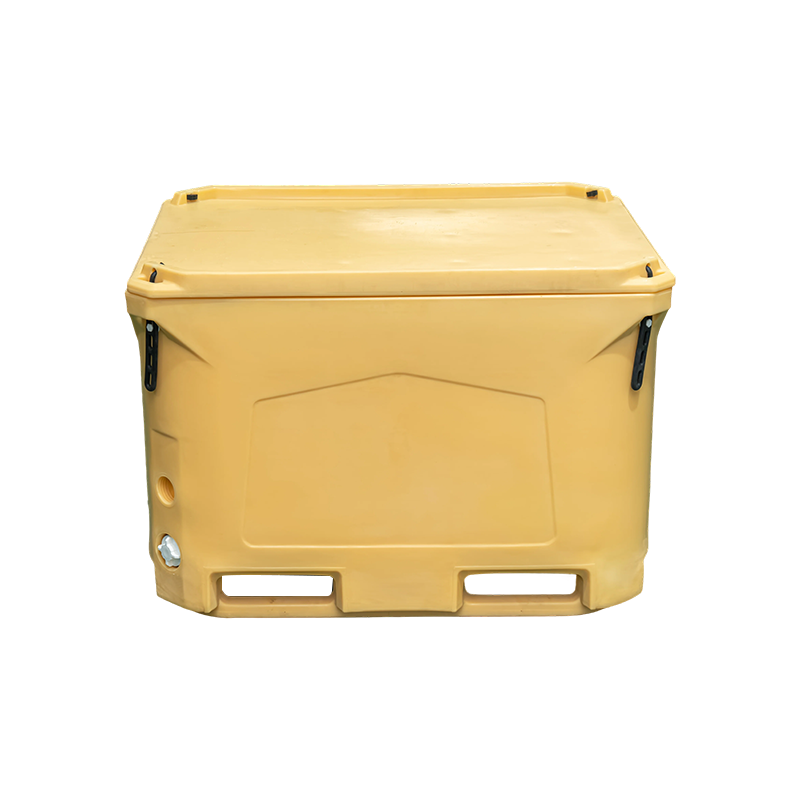
The NL-330 330L has an interior of about 92 × 68 × 53 cm and is particularly useful for sorting after vessel landing and handling medium seafood batches. Its food-grade LLDPE rotomolded body with PU i...
See Details -
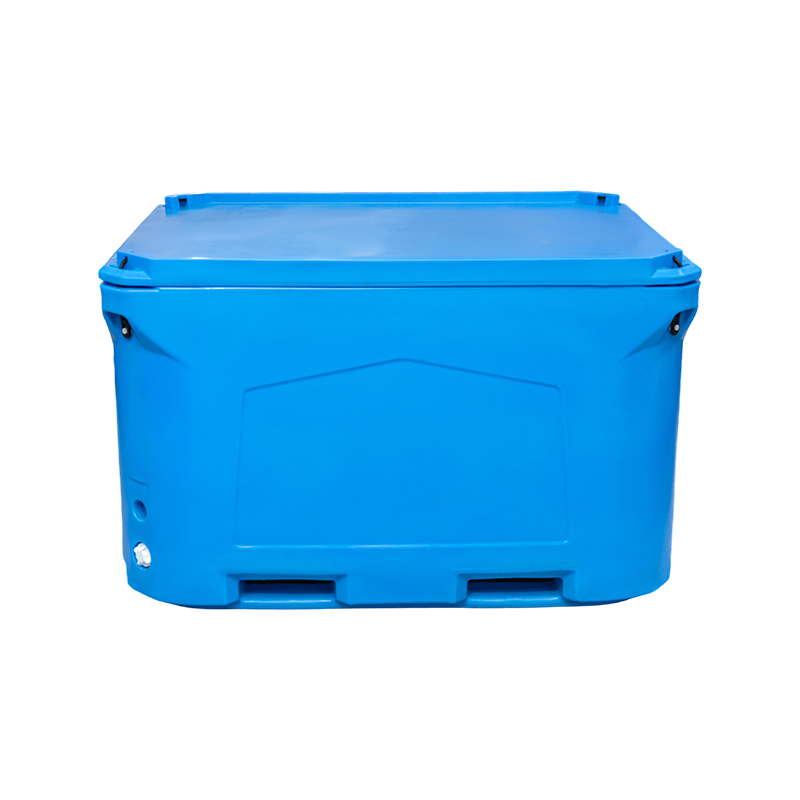
The NL-1000 A uses a high-profile body with an interior of about 140 × 108 × 73 cm and is designed for operations that handle large seafood volumes at one time. Processing plants, aquaculture harvests...
See Details -
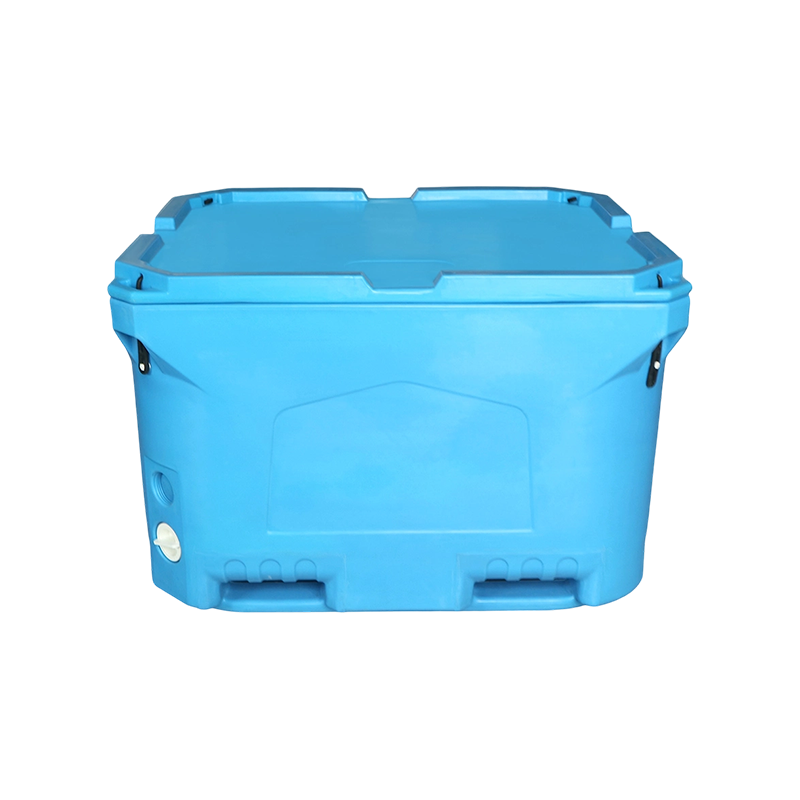
The NL-660 660L has an interior of about 114 × 94 × 63 cm, with a broad footprint suited to seafood distribution, dock loading and batch handling in processing plants. The wider floor area can accommo...
See Details -
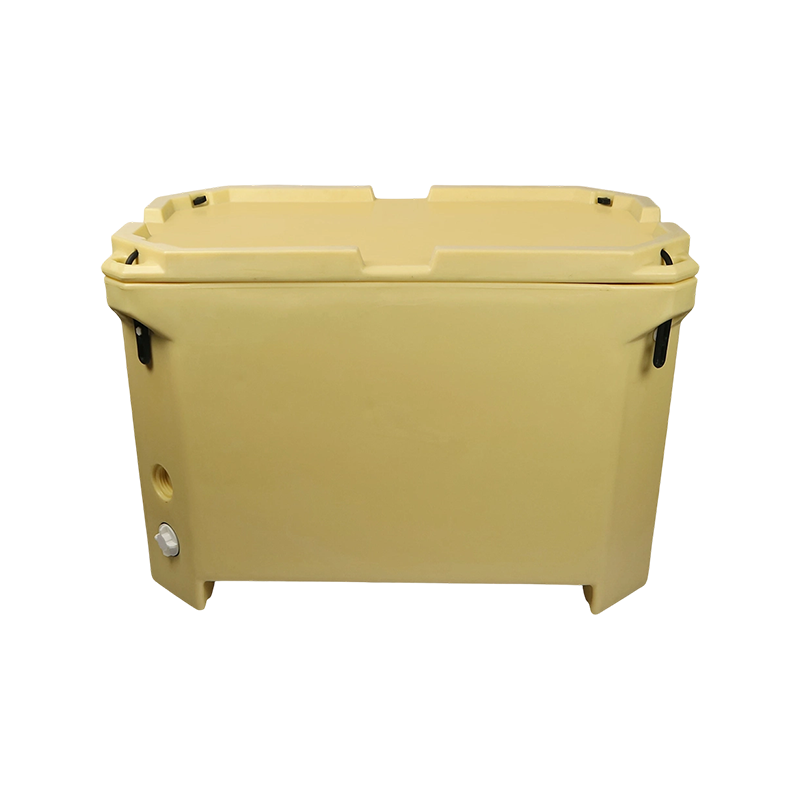
The NL-220 220L has an interior of about 88 × 48 × 53 cm, adding useful capacity over the 100L model while remaining a relatively compact industrial tub. Food-grade LLDPE rotomolded construction and P...
See Details -
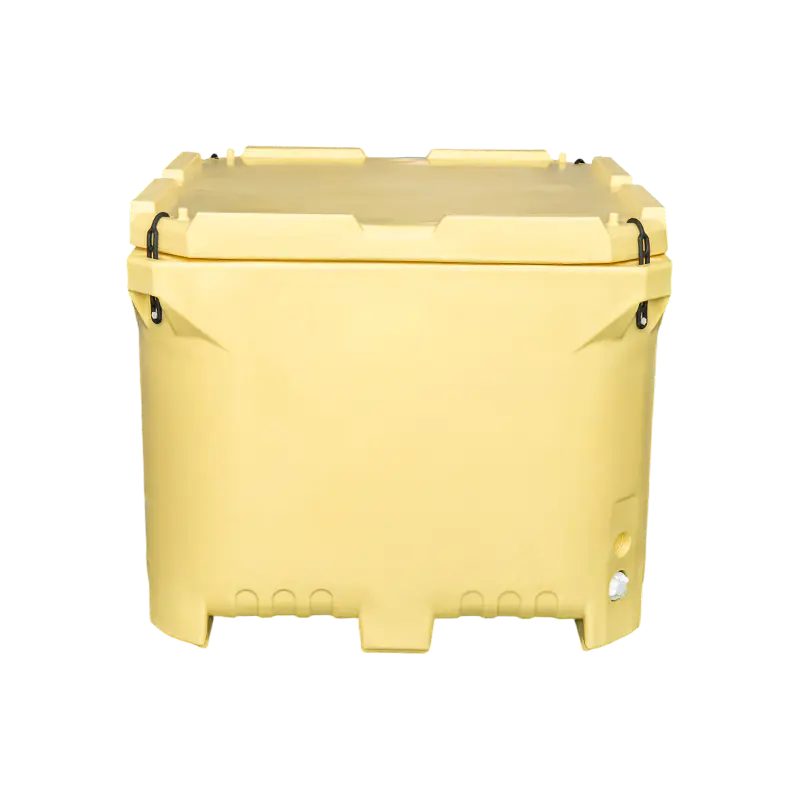
The NL-800 800L has an interior of about 106.5 × 96.5 × 74 cm and is deeper than the 700L model, making it useful when more load is needed in each tub. Larger fish, bulk seafood and processing-plant s...
See Details
Related News
-
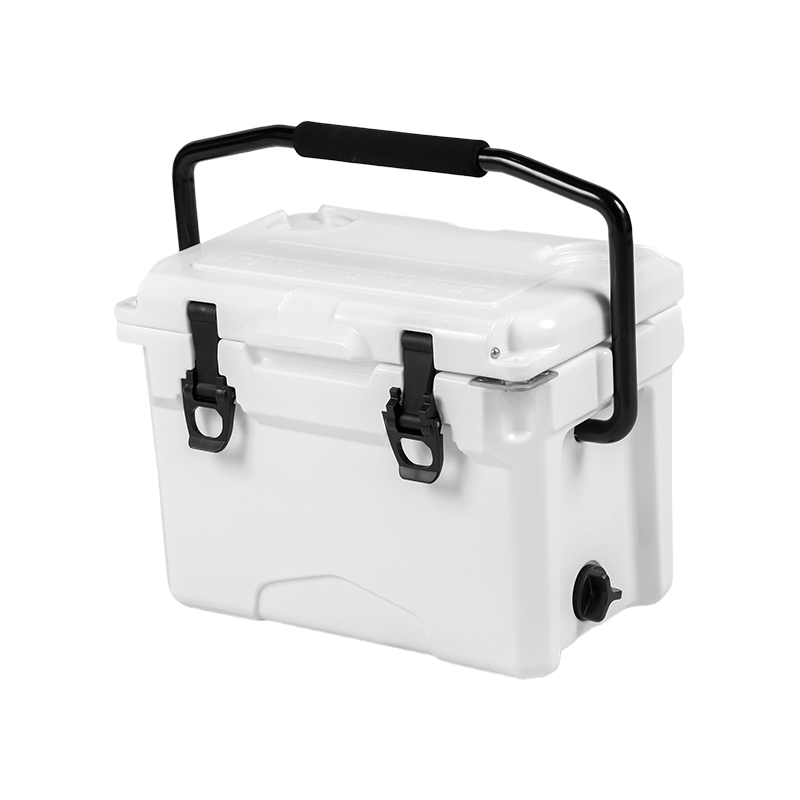
Why Choose a Rotomolded Cooler? Rotomolded Coolers: A Brief Introduction The Pinnacle of Portable Cooling Technology The modern era of outdoor recreation and de...
See Details -
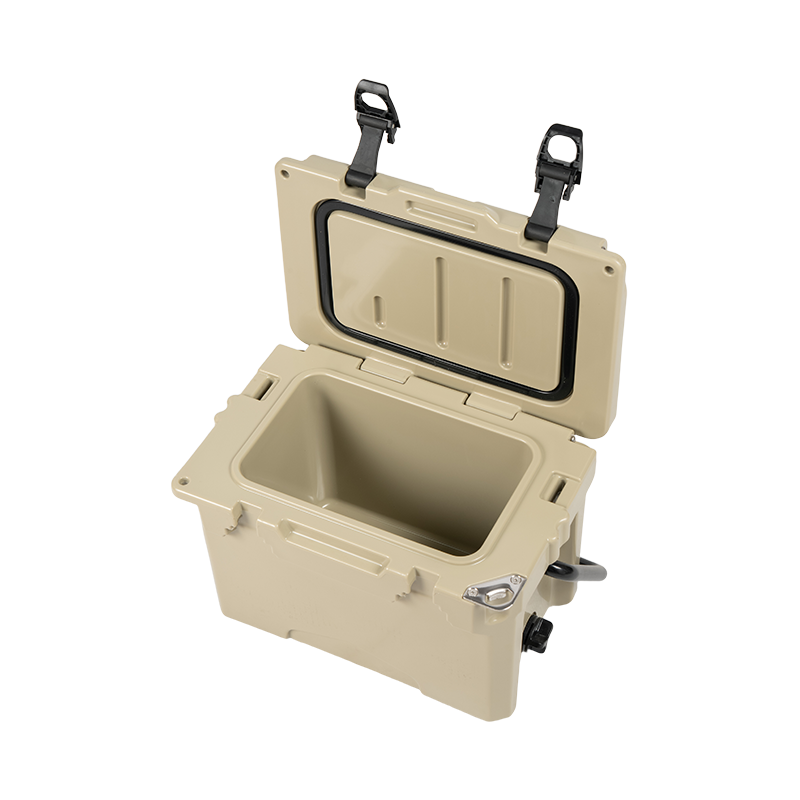
Introduction to Insulated Fish Tubs When you're out on the water, whether it's a deep-sea fishing trip or a relaxing day at the lake, the freshness of your catc...
See Details -
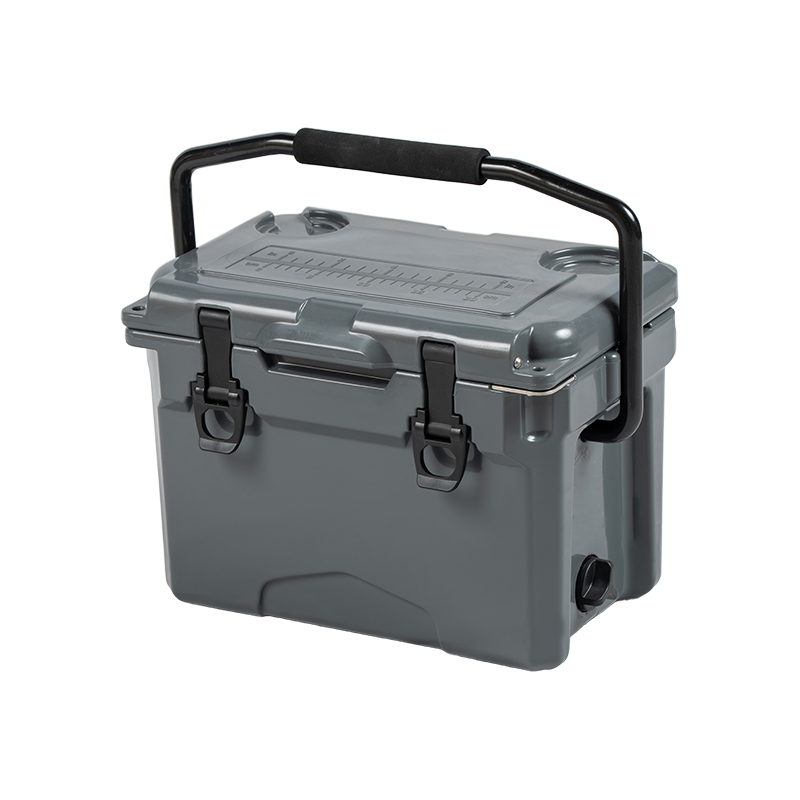
1. Insulation Quality in Outdoor Cooler Boxes When choosing an outdoor cooler box, one of the most critical factors to consider is insulation quality. The insul...
See Details -
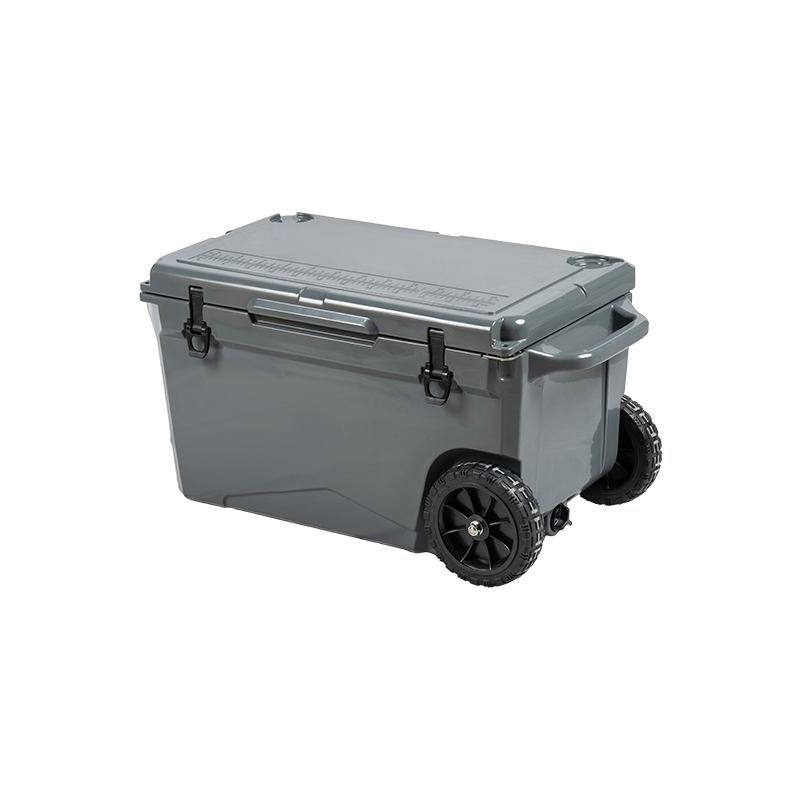
The Unmatched Advantage of ROTOMOLDING COOLER BOX Defining the Premium Standard: What exactly is a ROTOMOLDING COOLER BOX? The ROTOMOLDING COOLER BOX is not mer...
See Details
Be the First to Know
For exclusive deals and the latest offers, sign up by entering your email address below.


Contact Info
 No. 6, Guantong Road, South Zone, Xiaocaoe Town Industrial Park, Ningbo, Zhejiang, China
 +86 13736107260
  [email protected]
 Qr Code



Copyright © Ningbo Nelgreen Outdoor Products Co., Ltd. All Rights
Reserved
 OEM/ODM Seafood Insulated Boxes Manufacturers