 EN
EN
 English
  русский
  Español
  Deutsch
  عربى
عربى 
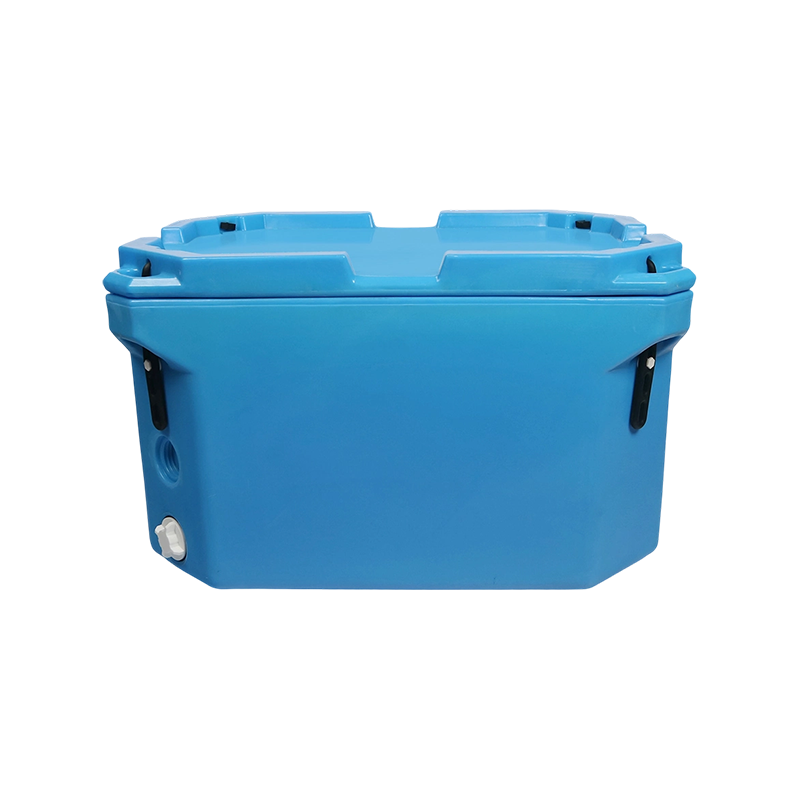
The NL-100 100L is the more compact and flexible size in the industrial fish-tub range, with an interior of about 68 × 48 × 38 cm. Its food-grade LLDPE rotomolded body and PU insulation suit catering ...
See Details
Why Is Food-Grade LLDPE the Best Material for Insulated Fish Tubs and Seafood Cold Chain Transport?
2026-06-04
The success of seafood cold chain logistics depends on maintaining stable temperatures while withstanding harsh working environments. For commercial fisheries, seafood processors, and cold chain operators, choosing the right insulated fish tub directly affects product freshness, transportation efficiency, and operating costs.
Among all available materials, food-grade Linear Low-Density Polyethylene (LLDPE) has become the preferred choice due to its outstanding durability, impact resistance, food safety, and insulation performance.
At Ningbo Nelgreen Outdoor Products Co., Ltd., we specialize in manufacturing high-performance insulated fish tubs using imported food-grade LLDPE, advanced rotational molding technology, and high-pressure polyurethane insulation systems. Our flagship NL480L insulated fish tub is specifically designed to meet the demanding requirements of modern seafood transportation and processing.
Why Food-Grade LLDPE Outperforms Other Materials in Fishing Environments?
Linear Low-Density Polyethylene offers a unique molecular structure that distinguishes it from traditional high-density or low-density plastics. For an insulated fish tub, this material provides a perfect balance of flexibility and toughness. Unlike more brittle plastics that might crack under extreme cold or high-impact collisions on a fishing vessel, LLDPE is designed to absorb energy and resist puncturing. This makes it an ideal material for the heavy-duty handling common in seafood plants and during logistics. The material is inherently resistant to environmental stress cracking, which is a vital characteristic when the tub is constantly exposed to salt water, fish oils, and various cleaning chemicals.
The choice of imported food-grade LLDPE at Ningbo Nelgreen ensures that the containers are non-toxic, odorless, and completely safe for direct contact with raw seafood. In an industry where food safety regulations are increasingly stringent, using a material that is naturally inert and does not leach chemicals is a critical requirement. Furthermore, the performance of LLDPE remains stable across a wide temperature range, ensuring that the tub does not become warped in the sun or brittle in the freezer. This durability translates directly into a higher return on investment for commercial fisheries and processing plants, as the containers require less frequent replacement despite the rigors of daily use.
How Rotational Molding Improves the Strength of Insulated Fish Tubs?
The manufacturing process used to create an insulated fish tub is just as critical as the raw material itself. Ningbo Nelgreen employs a sophisticated shuttle rotational molding process to produce a one-piece, seamless structure. Rotomolding allows for a uniform wall thickness across the entire container, including the corners and edges, which are typically the weakest points in injection-molded products. Because there are no seams or welds, there is no risk of the container splitting or leaking over time. This seamless design is also essential for hygiene, as it eliminates cracks and crevices where bacteria and organic matter could accumulate.
Our facility is equipped with multiple high-precision shuttle rotational molding machines that allow us to maintain an annual production capacity of 400,000 products. This scale of production is supported by our independent research and development mold factory, which gives us the flexibility to provide customized production for unique client requirements. The integrity of a rotomolded LLDPE shell is what allows the NL480L LLDPE insulated fish tub to handle the weight of hundreds of kilograms of ice and seafood without deformation. The process ensures that the inner and outer skins are perfectly fused, creating a robust housing for the insulation layer that follows.
Superior Thermal Insulation and Long Ice Retention
While the LLDPE shell provides the armor, the insulation provides the life-preserving climate control for the seafood. In our insulated fish tub designs, the cavity between the double walls is injected with high-density polyurethane foaming material. This PU foam is applied using high-pressure foaming machines to ensure complete coverage without any air pockets or thermal bridges. The resulting insulation is exceptionally dense, providing both thermal resistance and structural shock absorption.
A high-quality insulated fish tub or seafood transport container must be able to retain ice for extended periods to ensure seafood freshness during long-haul transport. Our products are engineered to maintain their insulation performance for up to 120 hours. This is achieved through the synergy between the thick LLDPE walls and the high-grade PU core. This level of cold retention is critical for maintaining the "cold chain," preventing the growth of spoilage bacteria and ensuring that the final consumer receives a product of the highest quality. Whether the tub is being used for brining in a processing plant or storing fresh catch on a boat, the thermal stability provided by our PU-injected LLDPE containers is industry-leading.
NL480L Insulated Fish Tub: Designed for Commercial Seafood Processing
The NL480L LLDPE insulated fish tub is a heavy-duty seafood transport container specifically developed for commercial fishing operations, seafood processing plants, and cold chain logistics companies. This model is built to be a workhorse in the field, featuring a reinforced structure that can withstand the stresses of being moved by forklifts and pallet jacks. The NL480L is not just a storage box; it is a specialized tool for the seafood sector. It incorporates a large-diameter drainage outlet that allows for rapid cleaning and easy removal of meltwater or brine. This feature is crucial for maintaining the hygiene of the catch and simplifying the workflow in a fast-paced processing environment.
In addition to its thermal properties, the NL480L is designed with a stackable footprint. This allows for the efficient use of space in warehouses and on transport trucks, significantly reducing logistics costs. The ergonomic handles integrated into the design ensure that even when the tub is empty, it can be handled safely and easily by workers. Every aspect of the NL480L, from its impact-resistant corners to its smooth interior surfaces, is optimized for the practical realities of the fishing industry. By utilizing imported food-grade LLDPE, this specific model meets the highest safety standards required by global markets, including the United States, Canada, and Europe.
LLDPE Insulated Fish Tub vs Traditional Storage Containers
When evaluating options for industrial seafood storage, it is helpful to look at how different materials and manufacturing methods compare in terms of performance and longevity. The following table provides a perspective on why the combination of LLDPE and rotomolding is the preferred professional choice.
|
Feature |
LLDPE Rotomolded Tub |
Standard Plastic Injection Tub |
Metal or Wood Containers |
|
Impact Resistance |
Extremely High; absorbs shock without cracking |
Moderate; prone to cracking under heavy impact |
High but prone to permanent denting or rotting |
|
Hygiene and Cleaning |
Superior; seamless design prevents bacteria buildup |
Fair; seams and thin walls can trap debris |
Poor; seams and porous surfaces are hard to sanitize |
|
Thermal Efficiency |
Excellent; thick walls with high-pressure PU foam |
Poor to Moderate; often uses thin air-gap insulation |
Very Poor; high thermal conductivity |
|
Weight and Handling |
Optimized for strength-to-weight ratio |
Lightweight but lacks durability |
Very heavy and difficult to maneuver manually |
|
Chemical Resistance |
High resistance to salt, oils, and detergents |
Moderate; can degrade with harsh cleaners |
Prone to corrosion or chemical absorption |
Practical Design Features for Seafood Logistics and Transportation
The design of a professional insulated fish tub goes beyond material choice; it involves careful engineering of functional features that improve daily operations. At Ningbo Nelgreen, we focus on making our containers as reliable and safe as possible. This includes the integration of features like non-slip surfaces and secure lid-locking mechanisms that prevent spills during transport. The ergonomic handles are designed to be used with gloves, recognizing the cold and wet conditions of the fishing environment.
Safety is also a matter of regulatory compliance. Our production process strictly adheres to FDA and EU standards, ensuring that our products are suitable for the global food industry. We have passed rigorous SGS and CE certifications, which serve as a testament to our quality control protocols. From the initial procurement of raw materials to the final inspection of the finished product, every step is monitored to ensure consistency. This commitment to quality has allowed us to establish a leading position in the sector, with our products being highly praised in markets such as Spain, Mexico, Japan, and Southeast Asia.
Continuous Innovation and Product Development
The success of our LLDPE insulated fish tub lineup is driven by a strong focus on independent research and development. Our R&D team brings over 15 years of rich experience in rotational molding, having applied for 6 distinct product patents. This experience allows us to constantly refine our designs, improving aspects like wall thickness distribution and lid seal integrity. By owning and operating our own mold factory, we can rapidly prototype new ideas and bring improved versions of the NL480L and other models to market more quickly than our competitors.
Our R&D efforts also extend to the customization services we offer. We provide both OEM (Original Equipment Manufacturer) and ODM (Original Design Manufacturer) services, allowing us to act as a versatile partner for companies worldwide. Whether a client needs a specific size, a unique color, or specialized integrated features for their seafood cold chain, our engineering team can provide a tailored solution. This flexibility is supported by our substantial output value, which exceeds 150 million yuan annually, demonstrating our capacity to handle large-scale international orders while maintaining high standards of craftsmanship.
Strict Quality Control and Advanced Manufacturing Capabilities
Located at No. 6 Guantong Road in the South District of Xiaocao’e Town Industrial Park, our 10,000 square meter factory is the heart of our operations. Employing approximately 100 skilled individuals, we maintain a culture of strict management and quality control. The use of advanced equipment, such as polyurethane high-pressure foaming machines and precision rotational molding machines, ensures that every insulated fish tub meets our exacting specifications.
We believe that quality builds the brand and service wins the future. This philosophy is embedded in our quality control process, where we test for impact resistance, thermal retention, and material purity. By using only high-quality imported raw materials, we ensure that our performance remains industry-leading. Our focus on the mid-to-high-end market means that we do not compromise on the density of our foam or the thickness of our LLDPE shells. This dedication to excellence is why Ningbo Nelgreen has become a well-regarded name among China’s insulated plastic container manufacturers and suppliers. We welcome customers from around the world to visit our facilities and see firsthand the precision that goes into every seafood cooler and ice bucket we produce.
Frequently Asked Questions About LLDPE Insulated Fish Tubs
How long can an LLDPE insulated fish tub keep ice?
High-quality LLDPE insulated fish tubs with polyurethane foam insulation can maintain ice retention for up to 120 hours under standard ambient conditions (approximately 200°C ).
Why is LLDPE better than standard plastic for fish storage?
LLDPE offers superior impact resistance, flexibility, chemical resistance, and durability, making it ideal for demanding seafood transportation environments.
Are LLDPE insulated fish tubs food safe?
Yes. Food-grade LLDPE is non-toxic, odorless, and compliant with international food-contact safety standards.
What industries use insulated fish tubs?
Insulated fish tubs are widely used in commercial fishing, seafood processing, aquaculture, cold chain logistics, and food distribution industries.
Our R&D team has over 15 years of rich experience in the field of rotational molding products and has applied for 6 product patents. The number of factory employees has exceeded 100. Strict management and quality control have enabled us to take the leading position in the industry. In addition, the experienced sales team can provide customers with a variety of solutions and high-quality services.
Related products
-
-
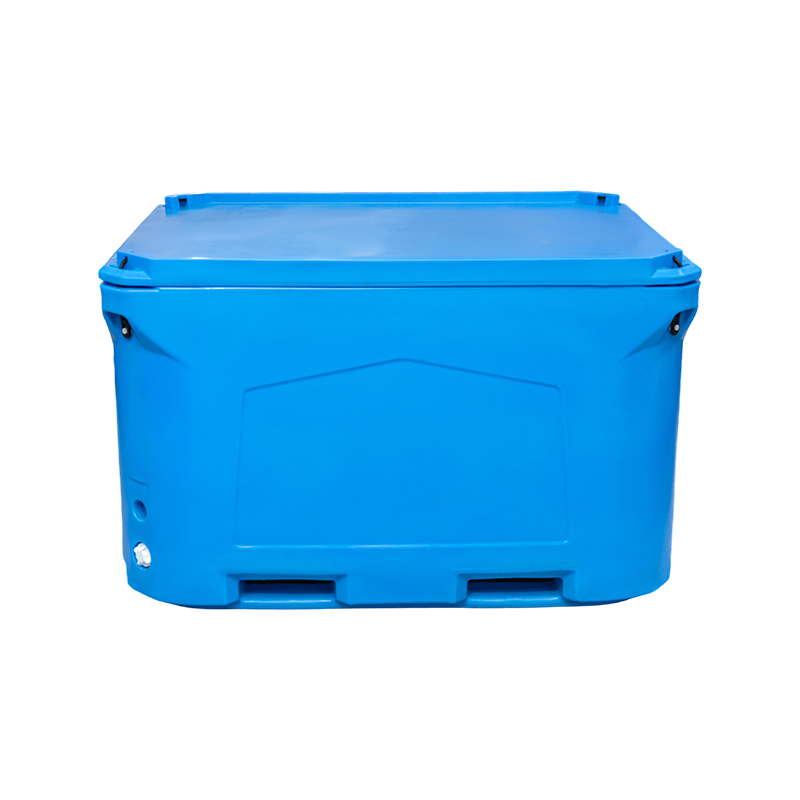
The NL-1000 A uses a high-profile body with an interior of about 140 × 108 × 73 cm and is designed for operations that handle large seafood volumes at one time. Processing plants, aquaculture harvests...
See Details -
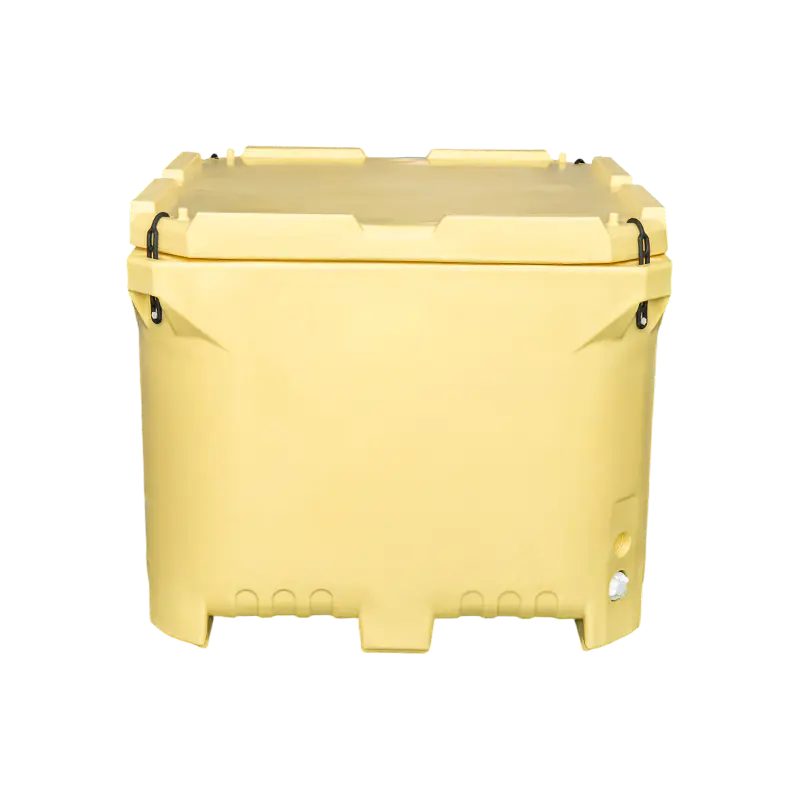
The NL-800 800L has an interior of about 106.5 × 96.5 × 74 cm and is deeper than the 700L model, making it useful when more load is needed in each tub. Larger fish, bulk seafood and processing-plant s...
See Details -
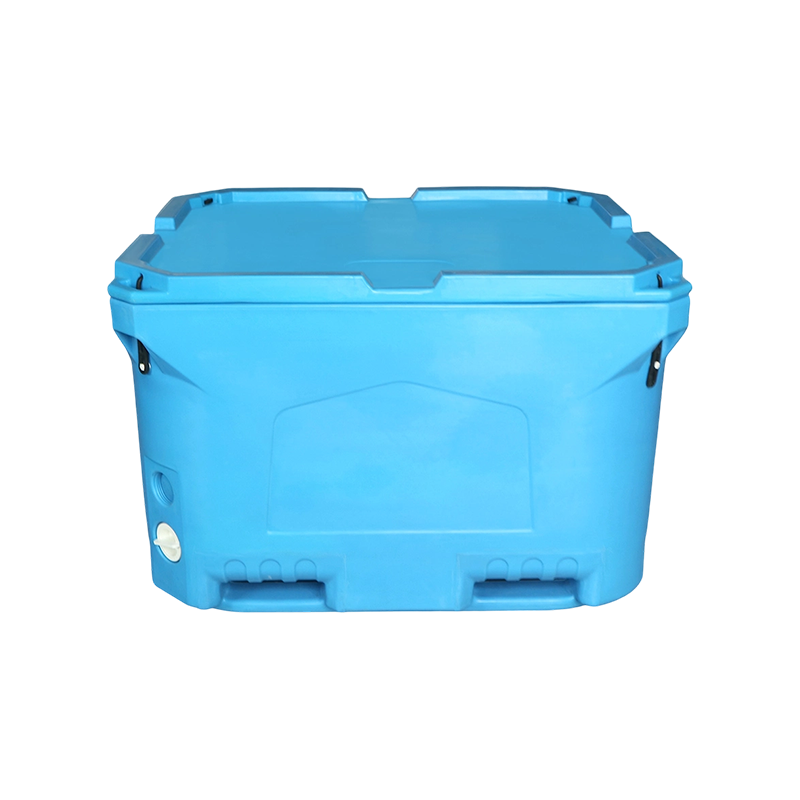
The NL-660 660L has an interior of about 114 × 94 × 63 cm, with a broad footprint suited to seafood distribution, dock loading and batch handling in processing plants. The wider floor area can accommo...
See Details -
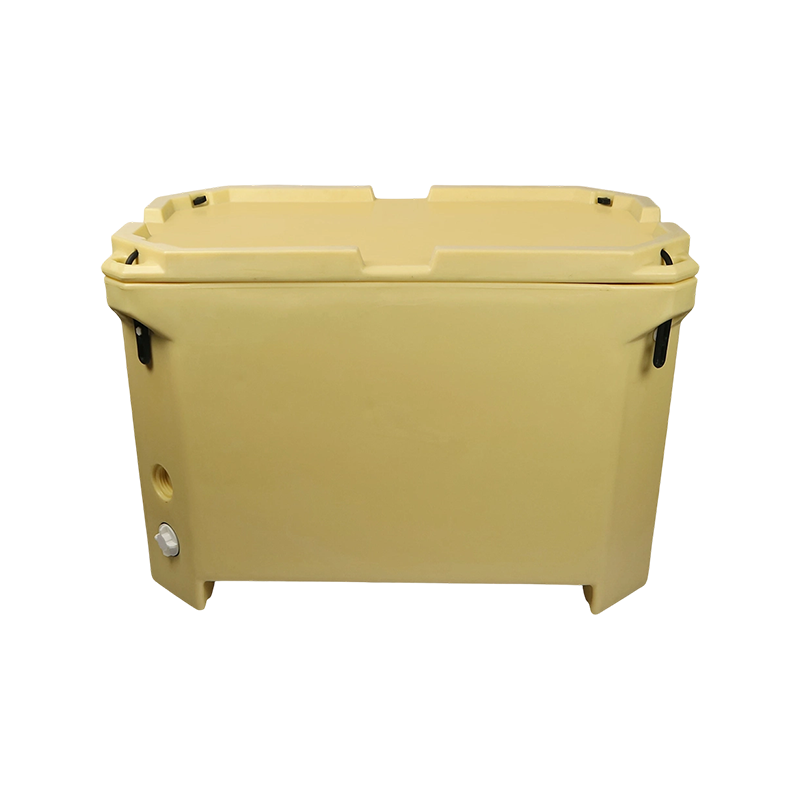
The NL-220 220L has an interior of about 88 × 48 × 53 cm, adding useful capacity over the 100L model while remaining a relatively compact industrial tub. Food-grade LLDPE rotomolded construction and P...
See Details -
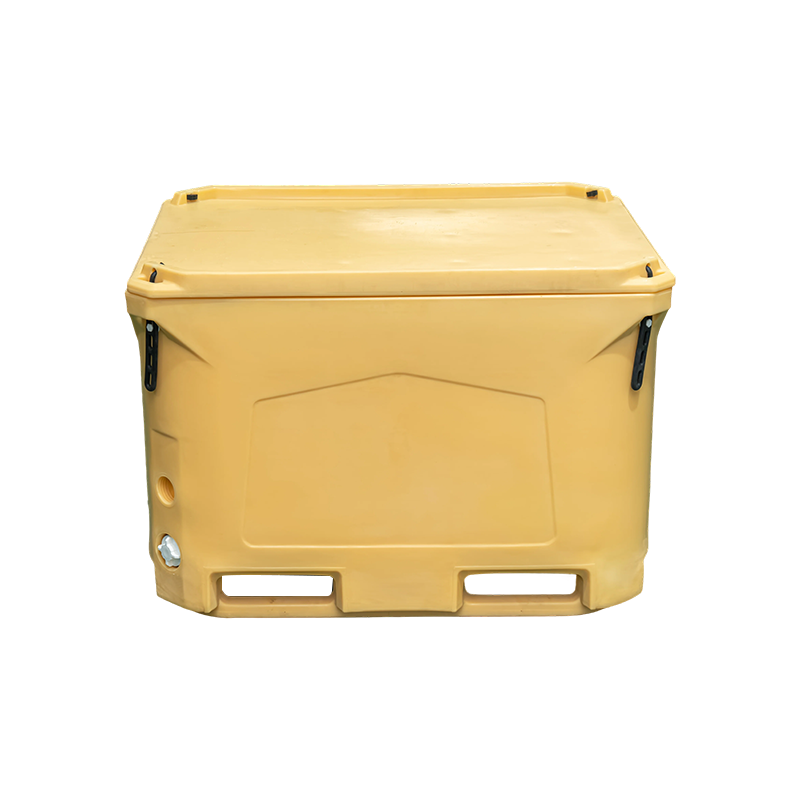
The NL-330 330L has an interior of about 92 × 68 × 53 cm and is particularly useful for sorting after vessel landing and handling medium seafood batches. Its food-grade LLDPE rotomolded body with PU i...
See Details
Related News
-
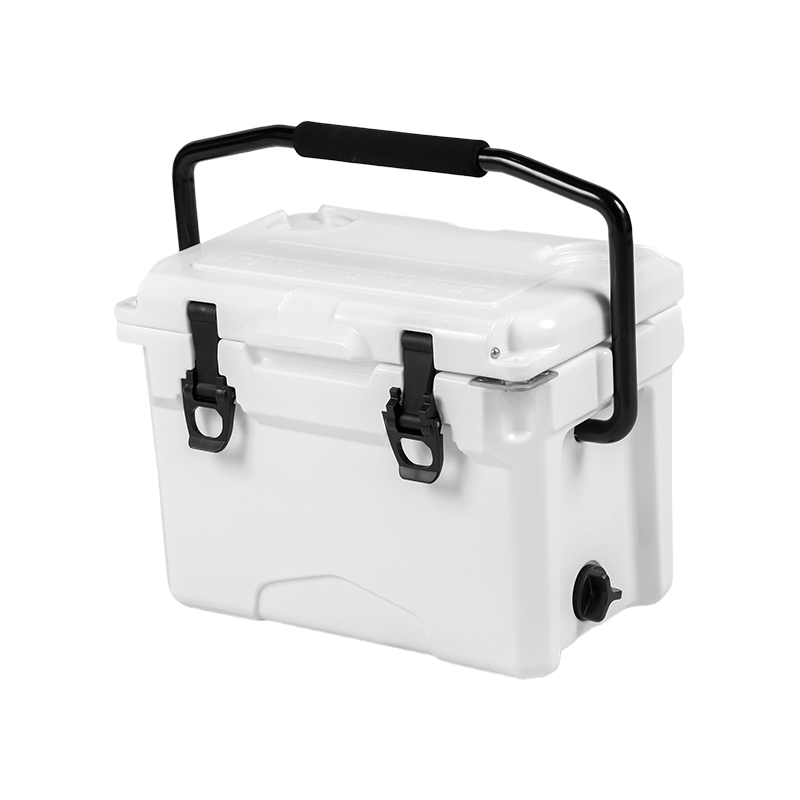
Why Choose a Rotomolded Cooler? Rotomolded Coolers: A Brief Introduction The Pinnacle of Portable Cooling Technology The modern era of outdoor recreation and de...
See Details -
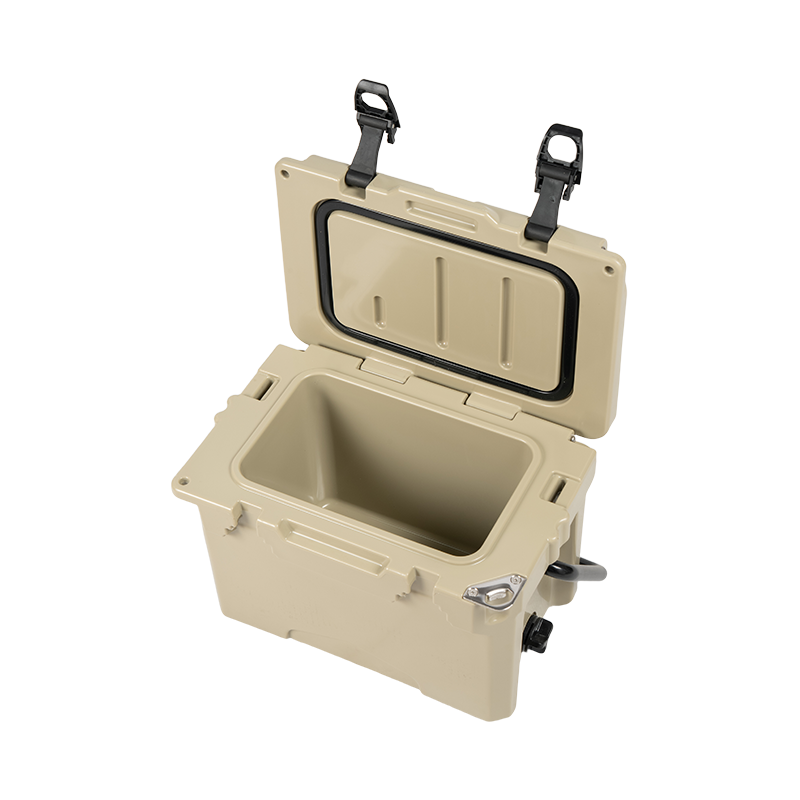
Introduction to Insulated Fish Tubs When you're out on the water, whether it's a deep-sea fishing trip or a relaxing day at the lake, the freshness of your catc...
See Details -
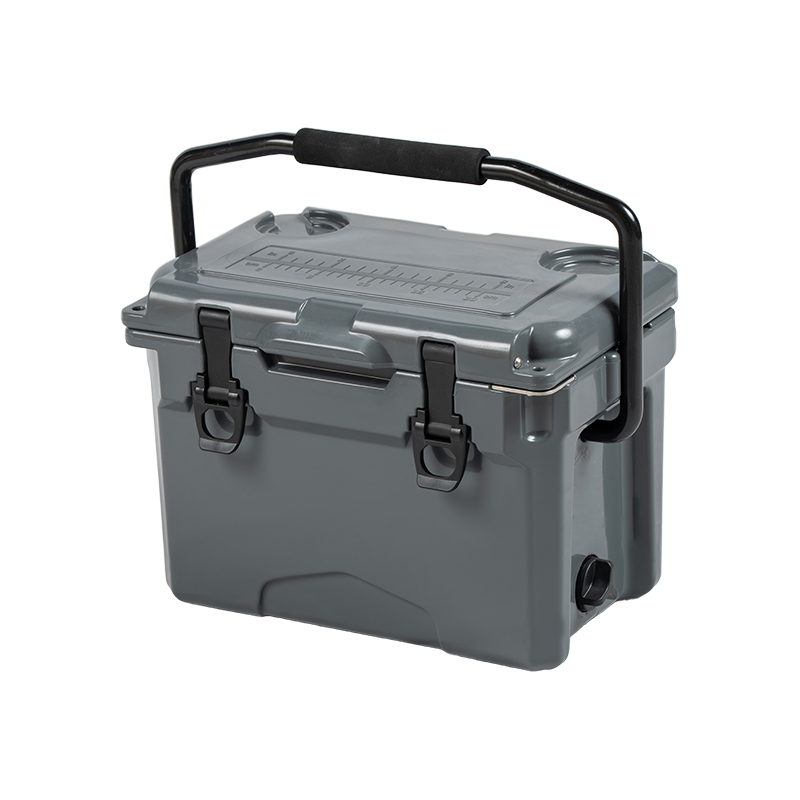
1. Insulation Quality in Outdoor Cooler Boxes When choosing an outdoor cooler box, one of the most critical factors to consider is insulation quality. The insul...
See Details -
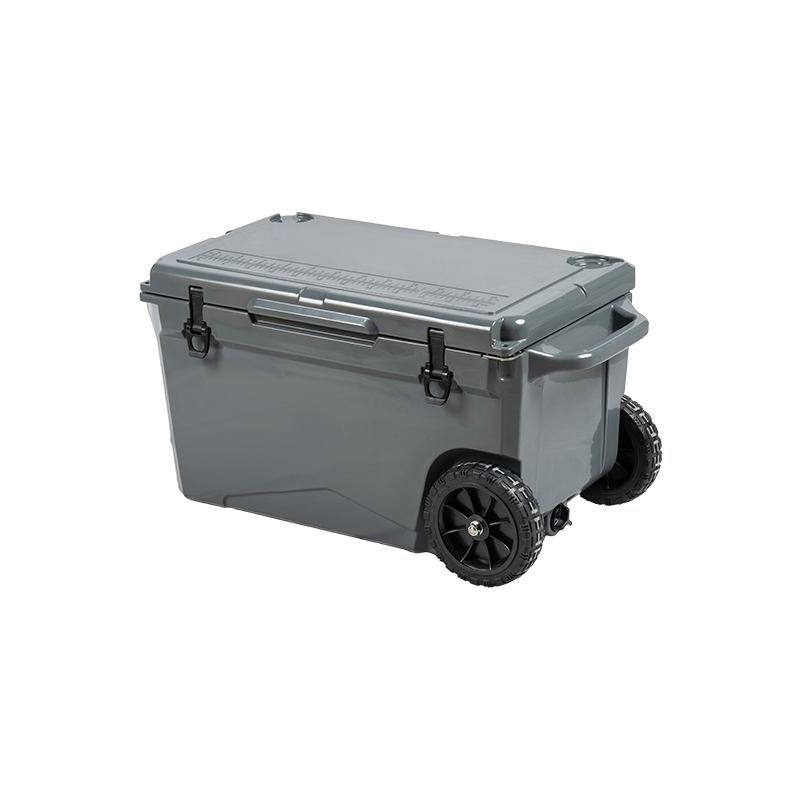
The Unmatched Advantage of ROTOMOLDING COOLER BOX Defining the Premium Standard: What exactly is a ROTOMOLDING COOLER BOX? The ROTOMOLDING COOLER BOX is not mer...
See Details
Be the First to Know
For exclusive deals and the latest offers, sign up by entering your email address below.


Contact Info
 No. 6, Guantong Road, South Zone, Xiaocaoe Town Industrial Park, Ningbo, Zhejiang, China
 +86 13736107260
  [email protected]
 Qr Code



Copyright © Ningbo Nelgreen Outdoor Products Co., Ltd. All Rights
Reserved
 OEM/ODM Seafood Insulated Boxes Manufacturers