 EN
EN
 English
  русский
  Español
  Deutsch
  عربى
عربى 
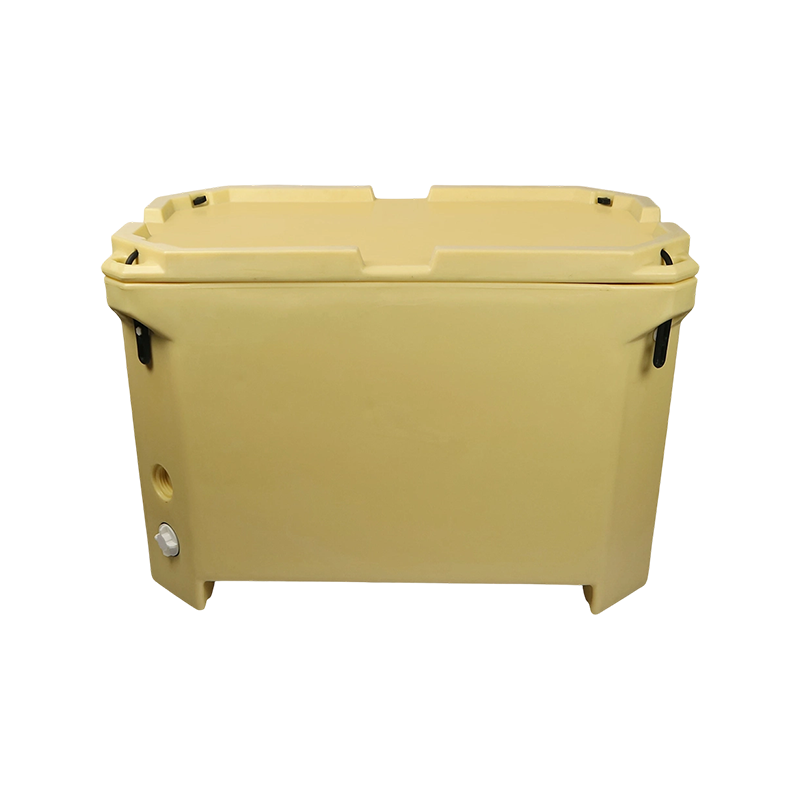
The NL-220 220L has an interior of about 88 × 48 × 53 cm, adding useful capacity over the 100L model while remaining a relatively compact industrial tub. Food-grade LLDPE rotomolded construction and P...
See Details
What Are Insulated Fish Tubs? A Comprehensive Guide to Their Design and Uses
2026-05-21
Advanced insulated fish tubs are essential for preserving seafood quality by maintaining stable temperatures and structural integrity throughout the supply chain. Ningbo Nelgreen Outdoor Products Co., Ltd., a leading manufacturer of insulated plastic containers and fish tubs in China, leverages advanced materials and manufacturing techniques such as rotational molding and high-pressure polyurethane foaming to produce durable, food-grade containers. These tubs are designed to minimize heat transfer, protect fish from physical damage, and maintain optimal conditions during harvesting, storage, and transportation. Specialized models cater to various stages of the seafood industry, from on-deck marine harvesting to large-scale international logistics, ensuring freshness, safety, and efficiency.
The Science of Thermal Retention in Seafood Preservation
Seafood is highly perishable, and spoilage begins almost immediately after harvest due to bacterial growth, enzymatic activity, and chemical oxidation. Maintaining a stable temperature just above freezing is essential to slow these processes and extend shelf life. Insulated Fish Tubs provide a controlled environment that protects seafood from temperature fluctuations throughout the supply chain, preserving freshness from harvest to market.
Insulated Fish Tubs achieve this by minimizing heat transfer through conduction, convection, and radiation. Low-conductivity polyurethane foam between durable plastic walls limits conduction, airtight lids prevent convective heat loss, and thick opaque outer walls reflect radiant heat. By keeping seafood out of the “danger zone” (temperatures above 4°C), these tubs slow the growth of psychrophilic bacteria, maintain flesh firmness, prevent skin discoloration, and preserve the fresh aroma, making them indispensable in modern seafood logistics.
Material Composition and Manufacturing Excellence of Insulated Fish Tubs
To withstand the harsh environments of marine harvesting and industrial food processing, insulated fish tubs must be manufactured from materials that are exceptionally durable, chemically inert, and highly insulative. The manufacturing standard relies on a combination of advanced plastics and high-performance foam materials, synthesized through precise engineering processes.
Durable and Food-Safe Materials
Insulated Fish Tubs are designed to withstand harsh marine and industrial environments, requiring materials that are durable, chemically inert, and highly insulative. High-quality tubs are made from food-grade Linear Low Density Polyethylene (LLDPE), ensuring no harmful additives, heavy metals, or plasticizers can migrate into seafood. UV-stabilized pigments protect the tub from yellowing, brittleness, and degradation caused by prolonged sunlight exposure on fishing vessels.
Double-Walled Polyethylene Construction
The structural shell of Insulated Fish Tubs is formed using rotational molding, a process that heats polymer powder in a rotating mold to create a seamless, double-walled structure. This method ensures uniform wall thickness and eliminates weak seam lines common in injection or blow molding. The seamless design improves mechanical strength, allowing Insulated Fish Tubs to endure heavy stacking, rough handling, and drop impacts without cracking or deforming.
High-Performance Polyurethane Foam Core
Between the double walls of the polyethylene shell lies a dense polyurethane foam core, which acts as the primary thermal barrier. The foam is injected under high pressure and cures into a rigid, closed-cell structure. This closed-cell foam prevents water absorption, maintaining insulation even if the outer shell is damaged, and its millions of gas-filled cells minimize heat transfer. The foam core also reinforces the tub, bonding the inner and outer walls into a single cohesive unit that resists bowing, denting, or deformation under heavy loads.
Thermal Efficiency and Structural Integrity
The combination of LLDPE walls and polyurethane foam ensures that Insulated Fish Tubs provide exceptional thermal retention while remaining structurally robust. This design keeps seafood at safe temperatures for extended periods during marine harvesting, aquaculture transport, and long-distance logistics, making these tubs indispensable for modern seafood cold chains.
Structural Design Features of Modern Insulated Fish Tubs
Industrial-grade insulated fish tubs are designed to be highly functional, ergonomic, and easy to integrate into automated and semi-automated logistics workflows. Every design element, from the shape of the base to the style of the drainage system, is engineered to solve specific operational challenges encountered in the seafood supply chain.
Seamless One-Piece Design
Insulated Fish Tubs benefit from rotational molding, which creates a seamless, one-piece structure. This design is essential for food safety and hygiene, as it eliminates joints and seams where dirt, fish slime, blood, and bacteria could accumulate. The seamless construction also enhances mechanical strength, distributing stress evenly when tubs are lifted, stacked, or transported, preventing leaks, cracking, and structural failures even under heavy loads.
Integrated Handling and Transport Features
Modern Insulated Fish Tubs are designed for efficient handling and transport. Bases include integrated forklift and pallet jack entry ports reinforced with thick plastic to prevent damage. For secure transport on trucks or vessels, tubs feature molded-in tie-down points and heavy-duty latches made of weather-resistant materials. These features keep lids tightly sealed during vibrations, rough seas, or sudden stops, ensuring the contents remain safe and protected throughout the supply chain.
The following table highlights the operational characteristics and suitable scenarios for different configurations of insulated fish tubs:
| Container Capacity | Primary Handling Method | Optimal Logistics Stage | Stackability and Space Efficiency |
| Medium-Capacity 200L to 300L | Hand jacks, light forklifts, manual lifting | Inshore vessels, regional distribution, fresh fish retail displays | High vertical stacking, compact footprint for smaller transport vehicles |
| Standard-Capacity 300L to 450L | Standard forklifts, overhead crane slings | Commercial aquaculture harvests, processing facility storage | Interlocking lid designs prevent shifting during stack transit |
| Large-Capacity 500L to 700L | Heavy forklifts, industrial cranes, pallet systems | Deep-sea trawler landings, international bulk seafood freight | Maximize container cube utilization in standard shipping containers |
Deep Dive into Specialty Insulated Fish Tub Models
To address the diverse needs of different sectors within the seafood and aquaculture industries, manufacturers have developed specialized container models optimized for specific volume, weight, and handling requirements.
Heavy-Duty Industrial Processing: The NL220L Series
The NL220L Thickened Seafood Industrial Insulated Fish Tub is designed for on-deck harvesting, inland processing, and medium-volume distribution. Its thick polyethylene walls provide superior impact resistance, structural rigidity, and thermal efficiency, maintaining stable temperatures even under direct sunlight. Compact and durable, it is ideal for facilities that frequently move raw seafood between filleting, washing, and packaging stations.
Versatile Storage Solutions: The NL330L Series
The NL330L Rotomolded Plastic Insulated Fish Tub balances high storage capacity with ease of handling, offering 330 liters of space. Its stackable design with molded-in lid recesses ensures safe, secure stacking during transport. This model is widely used by regional wholesalers, aquaculture farms, and high-volume restaurants to store bulk seafood under precise temperature control while optimizing space in cold storage and delivery vehicles.
High-Volume Bulk Transport: The NL660L Series
The NL660L Large Container Insulated Fish Tub, with a 660-liter capacity, is engineered for bulk logistics, international shipping, and industrial harvesting. Structural reinforcements and heavy-duty base runners support extreme payloads, while the large-diameter drain allows quick water and ice removal. This tub maintains a stable thermal environment over long distances, protecting high-value seafood and ensuring quality during extended transport.
Industrial and Commercial Applications of Insulated Fish Tubs
Insulated fish tubs are versatile tools utilized at every stage of the global seafood supply chain, from the initial harvest in open waters to the final distribution to retail markets.
Marine Harvesting and Onboard Storage
Immediately after capture, fish must be cooled rapidly to prevent spoilage. Insulated Fish Tubs on commercial fishing vessels allow catches to be stored on deck with ice slurry, lowering the internal temperature faster than traditional dry ice or conventional refrigeration. This method also protects the fish from physical damage by distributing the load across multiple containers, ensuring the fish arrive at port in pristine condition.
Aquaculture and Inland Fish Farming
In aquaculture and inland fish farming, insulated fish tubs are crucial for transporting harvested fish from ponds or coastal pens to processing facilities. They maintain product quality during road transit, even from remote locations, and can be adapted for live seafood transport. With specialized aeration systems, the tubs preserve cool water temperatures, reducing stress and mortality rates for lobsters, crabs, and shellfish during long-distance shipping.
Wholesale Distribution and Seafood Cold Chains
After processing, seafood must reach domestic and international markets safely. Insulated Fish Tubs serve as the primary transport units for air, sea, and road freight, protecting the cargo from temperature fluctuations during delays or equipment failures. Their ability to maintain ice for up to 120 hours allows long-distance, passive cooling without relying on costly and failure-prone active refrigeration, making them a reliable and energy-efficient solution for modern seafood logistics.
Our R&D team has over 15 years of rich experience in the field of rotational molding products and has applied for 6 product patents. The number of factory employees has exceeded 100. Strict management and quality control have enabled us to take the leading position in the industry. In addition, the experienced sales team can provide customers with a variety of solutions and high-quality services.
Related products
-
-
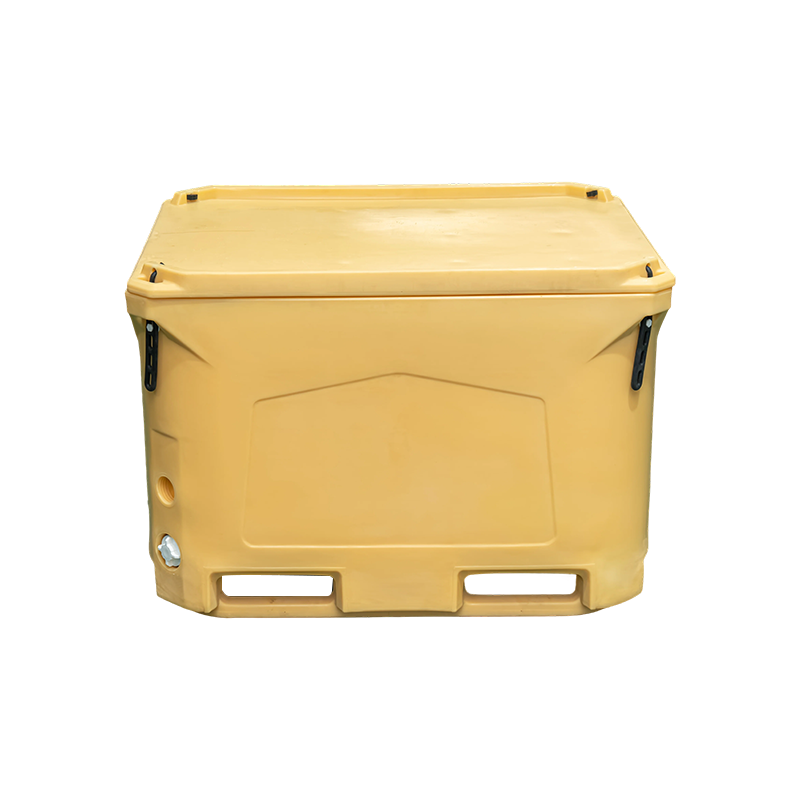
The NL-330 330L has an interior of about 92 × 68 × 53 cm and is particularly useful for sorting after vessel landing and handling medium seafood batches. Its food-grade LLDPE rotomolded body with PU i...
See Details -
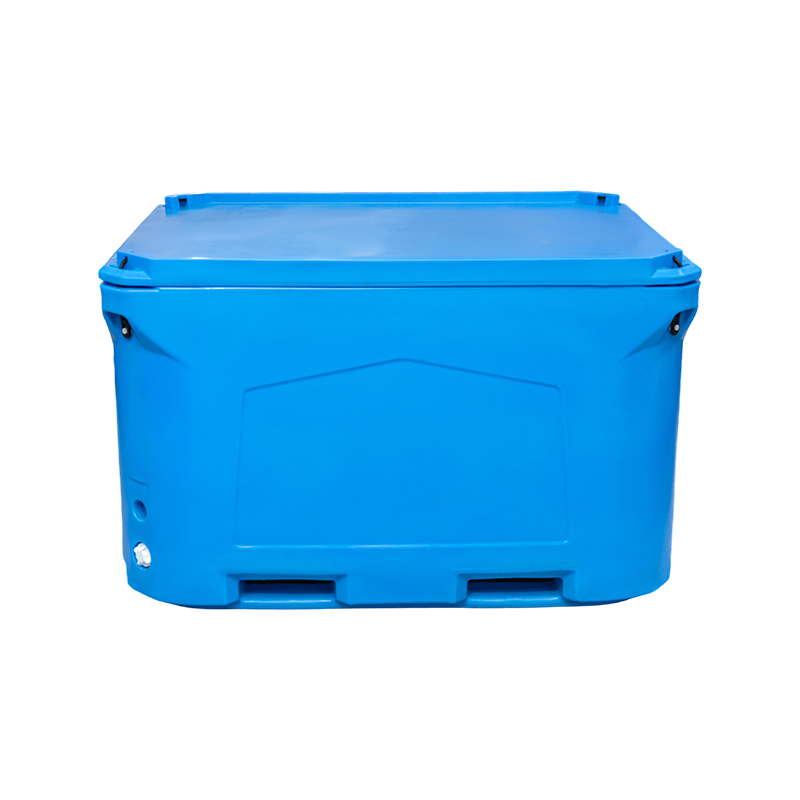
The NL-1000 A uses a high-profile body with an interior of about 140 × 108 × 73 cm and is designed for operations that handle large seafood volumes at one time. Processing plants, aquaculture harvests...
See Details -
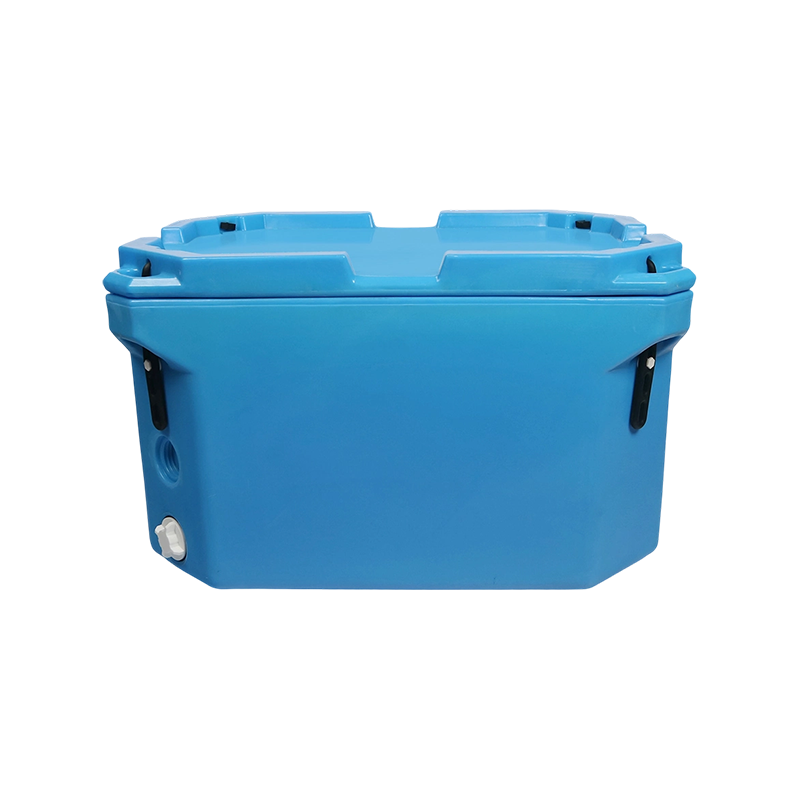
The NL-100 100L is the more compact and flexible size in the industrial fish-tub range, with an interior of about 68 × 48 × 38 cm. Its food-grade LLDPE rotomolded body and PU insulation suit catering ...
See Details -
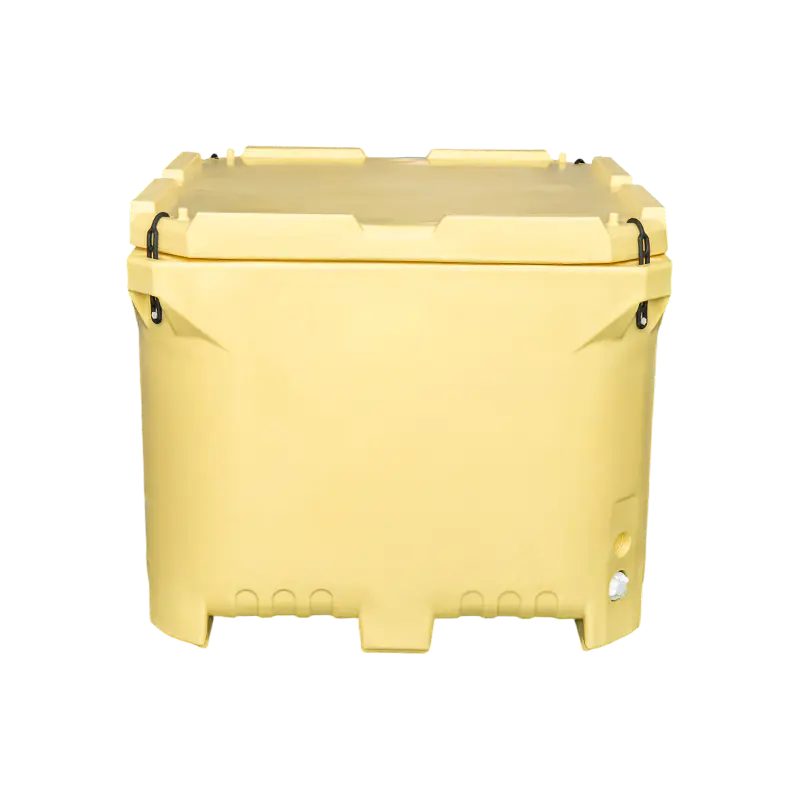
The NL-800 800L has an interior of about 106.5 × 96.5 × 74 cm and is deeper than the 700L model, making it useful when more load is needed in each tub. Larger fish, bulk seafood and processing-plant s...
See Details -
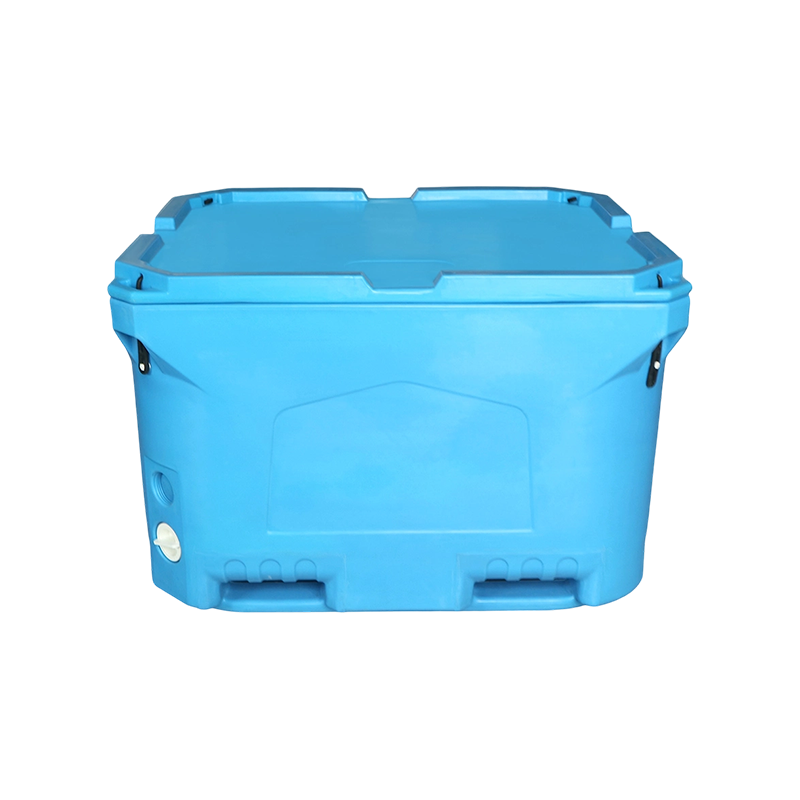
The NL-660 660L has an interior of about 114 × 94 × 63 cm, with a broad footprint suited to seafood distribution, dock loading and batch handling in processing plants. The wider floor area can accommo...
See Details
Related News
-
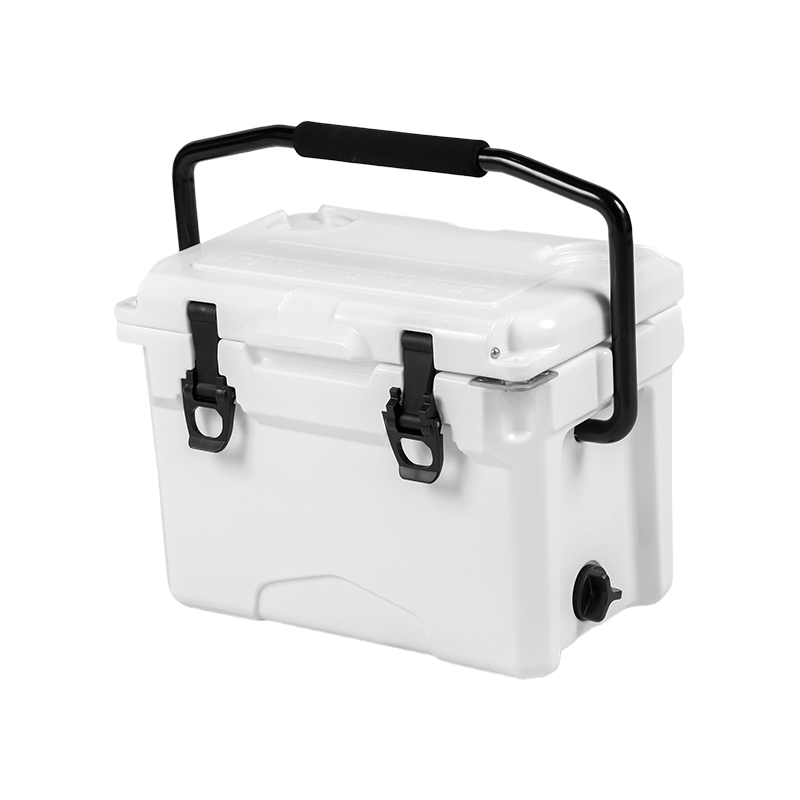
Why Choose a Rotomolded Cooler? Rotomolded Coolers: A Brief Introduction The Pinnacle of Portable Cooling Technology The modern era of outdoor recreation and de...
See Details -
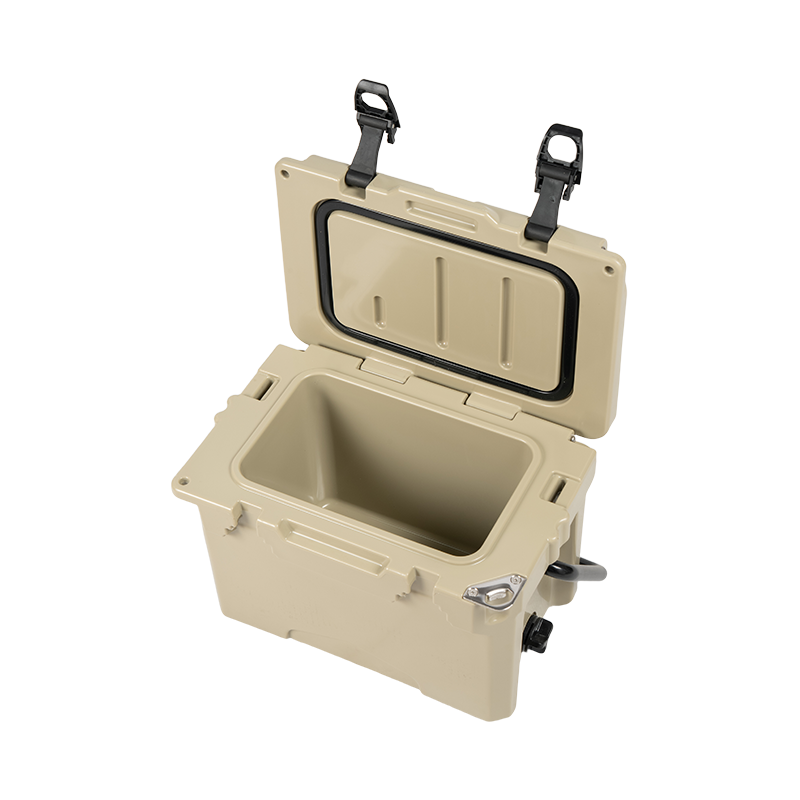
Introduction to Insulated Fish Tubs When you're out on the water, whether it's a deep-sea fishing trip or a relaxing day at the lake, the freshness of your catc...
See Details -
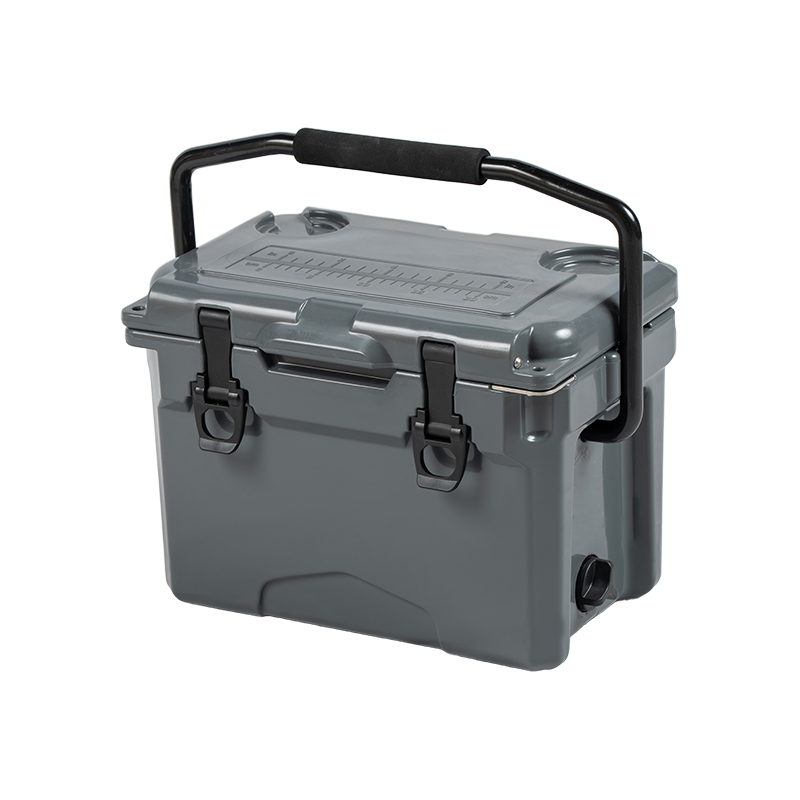
1. Insulation Quality in Outdoor Cooler Boxes When choosing an outdoor cooler box, one of the most critical factors to consider is insulation quality. The insul...
See Details -
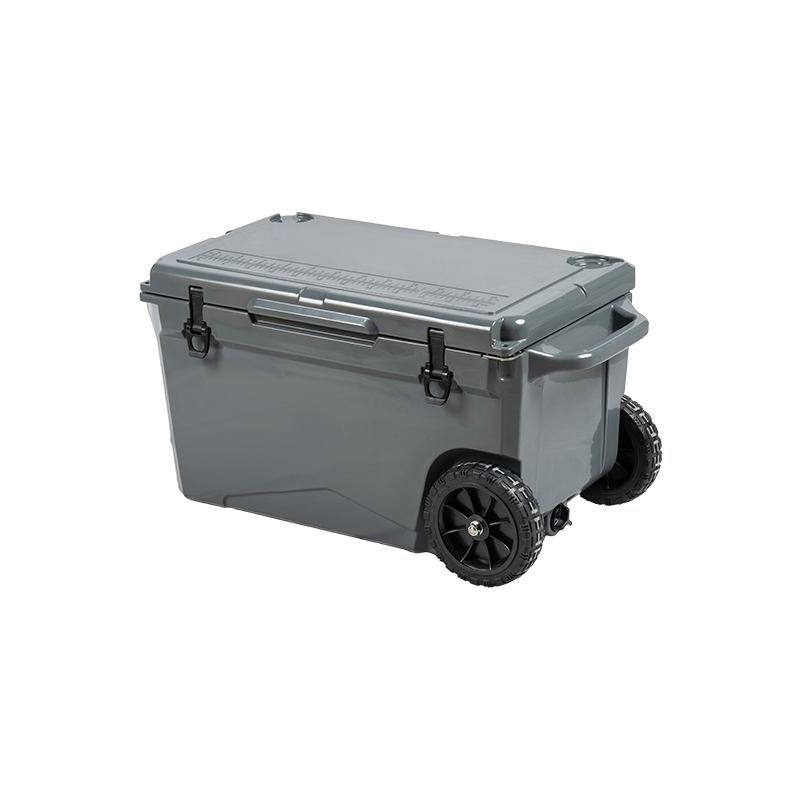
The Unmatched Advantage of ROTOMOLDING COOLER BOX Defining the Premium Standard: What exactly is a ROTOMOLDING COOLER BOX? The ROTOMOLDING COOLER BOX is not mer...
See Details
Be the First to Know
For exclusive deals and the latest offers, sign up by entering your email address below.


Contact Info
 No. 6, Guantong Road, South Zone, Xiaocaoe Town Industrial Park, Ningbo, Zhejiang, China
 +86 13736107260
  [email protected]
 Qr Code



Copyright © Ningbo Nelgreen Outdoor Products Co., Ltd. All Rights
Reserved
 OEM/ODM Seafood Insulated Boxes Manufacturers