 EN
EN
 English
  русский
  Español
  Deutsch
  عربى
عربى 
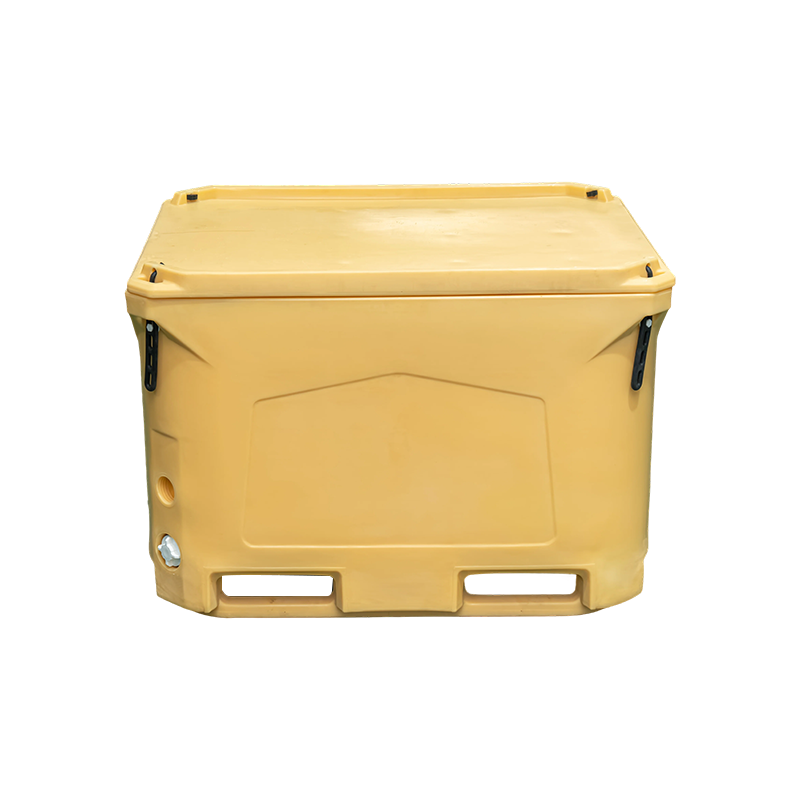
The NL-330 330L has an interior of about 92 × 68 × 53 cm and is particularly useful for sorting after vessel landing and handling medium seafood batches. Its food-grade LLDPE rotomolded body with PU i...
See Details
How to Choose the Best Insulated Fish Box for Freshness and Durability?
2026-07-02
What Is an Insulated Fish Box and Why Is It Essential?
An insulated fish box is a thermally insulated container specifically designed for storing and transporting fish, seafood, or other perishable items that need to remain cold. Unlike ordinary coolers, fish boxes are built with marine-grade materials, UV-resistant plastics, and robust sealing systems to prevent water ingress and maintain ice for extended periods. They are used by commercial fishing operations, sport fishermen, charter boats, and even home users who want to keep their catch fresh after a day on the water or during long road trips.
The primary purpose of a fish box is to keep fish at a temperature as close to freezing as possible without actually freezing them (which can damage texture). This slows bacterial growth, preserves the fish's natural flavor and texture, and prevents spoilage. A good insulated fish box can hold ice for 24 to 72 hours or more, depending on the design and external conditions. In addition to ice retention, these boxes are built to be durable, resistant to saltwater corrosion, and easy to clean – all essential for marine use.
Types of Insulated Fish Boxes
Insulated fish boxes come in several construction types, each with its own set of advantages and trade-offs. Understanding these differences is key to selecting the right box for your needs.
Rotomolded Fish Boxes
Rotomolding (rotational molding) is a manufacturing process where plastic powder is placed in a mold and heated while rotating. This creates a seamless, one-piece construction with uniform wall thickness, making rotomolded boxes extremely durable and impact-resistant. They are often referred to as "bear-proof" coolers because they can withstand heavy loads and rough handling. Rotomolded fish boxes are the top choice for commercial fishermen and serious anglers who demand maximum ice retention and durability.
Injection-Molded Fish Boxes
Injection molding involves injecting molten plastic into a mold under high pressure. This process allows for more complex shapes and thinner walls, resulting in lighter and more affordable boxes. While they are not as rugged as rotomolded boxes, injection-molded fish boxes still offer good insulation and durability for recreational use. They are a great balance between cost and performance for weekend anglers.
Soft-Sided Insulated Fish Boxes
These are made from durable fabric with a foam insulation layer inside. They are lightweight, portable, and easy to store when not in use. Soft-sided boxes are ideal for kayak fishing, shore casting, or short trips where you don't need heavy-duty protection. They are less expensive but offer limited ice retention (typically 12-24 hours) and are more susceptible to punctures.
Commercial-Grade Fish Boxes
Built with thick, marine-grade polyethylene and reinforced hinges and latches, these boxes are designed for daily use in harsh conditions. They often come in large capacities (up to 100+ quarts) and may be stackable for efficient storage on boats or in warehouses. Many commercial boxes have molded-in handles and are equipped with drainage plugs for easy cleaning.
Key Features to Consider When Buying an Insulated Fish Box
Selecting the right insulated fish box involves evaluating several critical features. Here's what to look for.
Ice Retention Performance
This is the most important factor for any fish box. Ice retention is measured by how long the box can keep ice from melting at a given ambient temperature. Premium rotomolded boxes with thick insulation (2-inch walls or more) can retain ice for 5-7 days or longer. Injection-molded boxes typically offer 2-4 days. Check the manufacturer's ice retention claims and read user reviews for real-world performance. Factors that affect ice retention include wall thickness, insulation type (polyurethane foam is excellent), and the quality of the seal.
Capacity (Quarts / Liters)
Fish boxes range from small 20-quart models for a few fish to massive 120-quart boxes for commercial hauls. Choose a size based on how much fish you typically catch and how much space you have on your boat or in your vehicle. As a rule, a 50-70 quart box is suitable for most recreational anglers. Consider that ice takes up about 30-40% of the volume, so a 60-quart box holds approximately 40 quarts of fish and 20 quarts of ice.
Construction Material and Durability
Look for high-density polyethylene (HDPE) or similar marine-grade plastics that resist UV rays, saltwater corrosion, and impacts. Rotomolded boxes are the most durable. Also check the thickness of the walls – thicker walls provide better insulation and structural integrity. Inspect the hinges, latches, and handles – they should be robust and corrosion-resistant (stainless steel or heavy-duty plastic).
Sealing System
A tight seal is crucial for keeping cold air in and warm air out. Look for a lid with a gasket or a rubber seal that compresses when closed. Some boxes have a "freeze-lock" or "labyrinth" seal that prevents air exchange. The lid should close firmly with a positive latch system that keeps it sealed even in rough seas.
Drainage
Fish boxes accumulate water from melting ice and fish slime. A drain plug allows you to empty water without tipping the box over. Look for a large, easy-to-use drain plug that is recessed to avoid damage. Some boxes have a built-in drain channel that guides water away from the fish.
Portability and Handling
If you need to carry your fish box over long distances or up and down docks, look for models with comfortable handles (rope or rubber-coated) and, for larger boxes, molded-in wheels or a wheel kit. Weight is also a factor – a 100-quart rotomolded box can weigh 50-60 lbs empty, so consider how you will move it.
Stackability
For commercial users or those with limited storage, stackable boxes are a great feature. Check if the lid is designed to interlock with the base of another box for stable stacking.
Ease of Cleaning
Fish boxes can get messy. Look for a box with smooth interior surfaces, rounded corners, and no crevices where grime can accumulate. The material should be non-porous and easy to wash with soap and water. Some boxes have a fish-friendly white interior that makes it easier to see any remaining residue.
Insulated Fish Box vs. Regular Cooler: What's the Difference?
While a regular cooler can hold ice and fish, it is not optimized for the specific demands of fishing. Here are the key differences.
Durability: Fish boxes are built with thicker, more impact-resistant plastics and reinforced corners to withstand the rigors of marine use. Regular coolers often have thinner walls and may crack or dent.
Ice retention: Fish boxes are engineered for maximum insulation, often with higher-density foam or thicker walls, resulting in longer ice retention.
Sealing: Fish boxes have superior sealing systems to prevent water ingress and air exchange, crucial for keeping fish cold and preventing cross-contamination.
Drainage: Fish boxes feature robust drain plugs and often have sloped interiors or drain channels to remove meltwater effectively, reducing the need to open the lid.
Marine-grade materials: Fish boxes are made from UV-resistant and saltwater-resistant plastics that won't degrade in the sun or salty environment.
Design: Fish boxes are often longer and narrower to accommodate the shape of fish, while regular coolers are more square.
How to Maximize Ice Retention in Your Insulated Fish Box
Even the best box will underperform if not used correctly. Follow these tips to get the longest ice life.
Pre-cool the box: Before putting in fish and ice, add a bag of ice or cold water and let the box chill for an hour. This lowers the internal temperature, so the fresh ice lasts longer.
Use block ice or ice packs: Block ice melts slower than crushed ice. Use a combination – a block at the bottom, crushed ice around the fish.
Drain meltwater regularly: Water conducts heat better than air, so standing water will accelerate ice melting. Drain the box every few hours.
Keep the box in the shade: Direct sunlight heats the exterior, transferring heat to the interior. Place the box under a canopy or cover it with a reflective tarp.
Minimize lid openings: Every time you open the lid, warm air enters. Plan your fishing so you open the box only when necessary.
Don't overfill with fish: Leave some space for ice and air circulation. A good ratio is about 1:1 fish to ice by weight.
Use a fish brine or slurry: For optimal cooling, you can create a slurry of ice and saltwater (about 3 parts ice to 1 part water) which can cool fish to near freezing very quickly.
Maintenance and Care for Your Insulated Fish Box
Proper maintenance extends the life of your fish box and ensures it remains hygienic.
After each use: Empty the box, rinse it with a hose, and use a mild detergent with a soft brush to remove any fish scales, slime, or debris. Pay special attention to the drain plug area.
Sanitize occasionally: Use a solution of water and bleach (1 tablespoon per gallon) to disinfect the interior. Rinse thoroughly and let it dry with the lid open.
Check the seals: Inspect the lid gasket for cracks or wear. Replace if it becomes damaged to maintain a tight seal.
Store with the lid slightly open: This prevents mold and mildew growth by allowing air circulation.
Avoid harsh chemicals: Do not use strong solvents or abrasive cleaners that could damage the plastic.
Protect from UV: When not in use, store the box out of direct sunlight to prevent UV degradation.
Top Brands of Insulated Fish Boxes
Several brands are well-regarded for their quality fish boxes. Some of the most popular include:
Yeti: The Tundra series is legendary for ice retention and durability, though expensive. Their marine-grade boxes are top-tier.
Pelican: Pelican coolers are also rotomolded and offer excellent performance at a slightly lower price than Yeti.
Engel: Engel produces lightweight, durable fish boxes with exceptional ice retention, often preferred by kayak and offshore anglers.
Igloo (Sportman, Marine lines): Igloo offers a wide range from affordable to heavy-duty, including rotomolded models.
Coleman: While more known for camping coolers, Coleman has marine-specific boxes that are budget-friendly.
Lifetime: Offers rotomolded coolers with a great price-to-performance ratio.
Grizzly: Another brand known for bear-resistant coolers that also excel as fish boxes.
Budget Considerations
Insulated fish box prices range from about $50 for a basic 30-quart model to over $500 for a large rotomolded box. Your choice should reflect how often you fish, the duration of your trips, and whether you need commercial-grade durability. For occasional weekend fishing, an injection-molded or soft-sided box is sufficient. For frequent offshore trips or charter use, invest in a rotomolded box – it will pay for itself in ice savings and fish quality.
Frequently Asked Questions (FAQ)
How long does an insulated fish box keep fish cold? Depending on the quality and ambient temperature, a good rotomolded box can keep ice for 3-7 days. Injection-molded boxes typically last 2-4 days, and soft-sided boxes about 12-24 hours.
Can I use a fish box for other purposes like camping or storage? Absolutely. Many fish boxes double as camping coolers, and they are also used for transporting seafood from markets or for catering events.
What size fish box do I need for a day trip? For a solo angler or small boat, a 30-50 quart box is sufficient. For a family or group, consider 60-80 quarts.
Are insulated fish boxes waterproof? Most are water-resistant, but not completely waterproof if submerged. They are designed to keep water out when properly closed, but they are not intended for immersion.
Can I use regular ice packs instead of ice? Yes, but ice packs may not cool as quickly as crushed ice. For long trips, a combination of block ice and ice packs works well.
How do I clean the drain plug if it gets clogged? Use a pipe cleaner or a thin brush to clear any debris. Some plugs are removable for thorough cleaning.
Do fish boxes come with a warranty? Yes, most reputable brands offer warranties ranging from 1 to 5 years, often covering manufacturing defects and, in some cases, freezer damage.
Are rotomolded fish boxes worth the extra cost? Yes, if you fish frequently, need maximum ice retention, or handle heavy loads. They are significantly more durable and provide better insulation.
Can I put a fish box on my boat without it sliding? Many boxes have non-slip feet or pads. You can also use tie-down straps to secure them.
Is it safe to store fish in an insulated fish box for several hours before cleaning? Yes, as long as the box maintains a temperature near 32°F (0°C). Proper icing and draining are key to keeping fish fresh.
How do I prevent odors from lingering in the fish box? After cleaning, sprinkle baking soda inside and let it sit for a few hours before rinsing. Also, ensure the box is completely dry before sealing.
What is the best way to transport a fish box in a pickup truck? Place it in the shade, secure it with straps to prevent shifting, and consider using a reflective blanket on top to deflect heat.
Can I use a fish box for transporting live bait? Not recommended for live bait, as the sealed environment may lack oxygen. Use a bait bucket or aerated livewell instead.
Do fish boxes have a fish-specific design compared to regular coolers? Many fish boxes have a longer, narrower shape to accommodate fish length, and some include measuring rulers on the lid for quick size checks.
Final recommendation: A insulated fish box is an indispensable tool for anyone who wants to preserve the quality of their catch. Prioritize ice retention, durability, and ease of cleaning when choosing a model. Consider your typical fishing conditions and frequency to decide between rotomolded and injection-molded, and always invest in a box that fits your boat or vehicle space. With proper care, a quality fish box will serve you for many seasons, keeping your fish fresh and your adventures enjoyable.
Our R&D team has over 15 years of rich experience in the field of rotational molding products and has applied for 6 product patents. The number of factory employees has exceeded 100. Strict management and quality control have enabled us to take the leading position in the industry. In addition, the experienced sales team can provide customers with a variety of solutions and high-quality services.
Related products
-
-
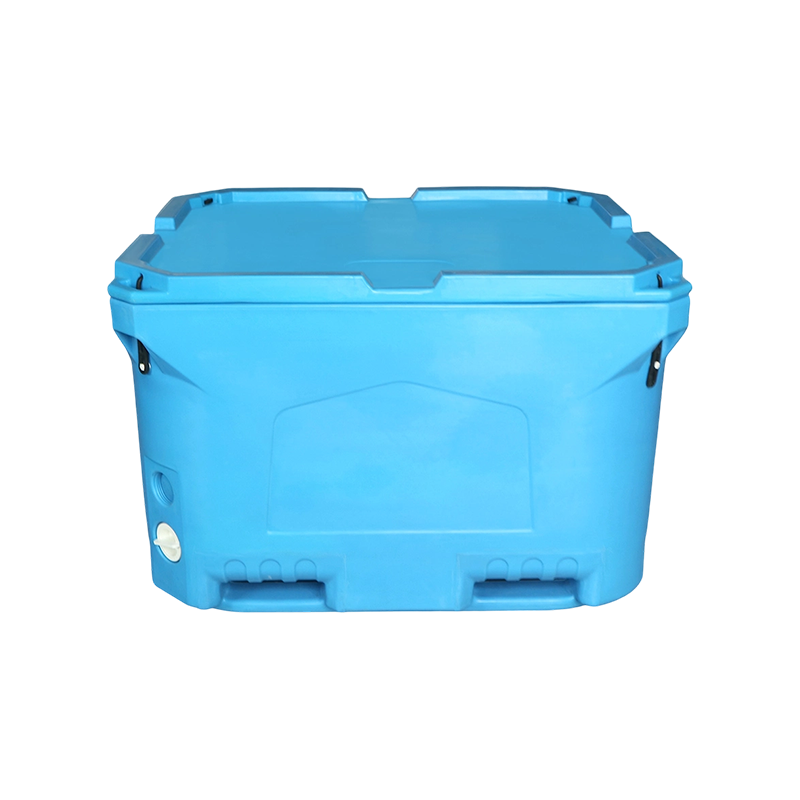
The NL-660 660L has an interior of about 114 × 94 × 63 cm, with a broad footprint suited to seafood distribution, dock loading and batch handling in processing plants. The wider floor area can accommo...
See Details -
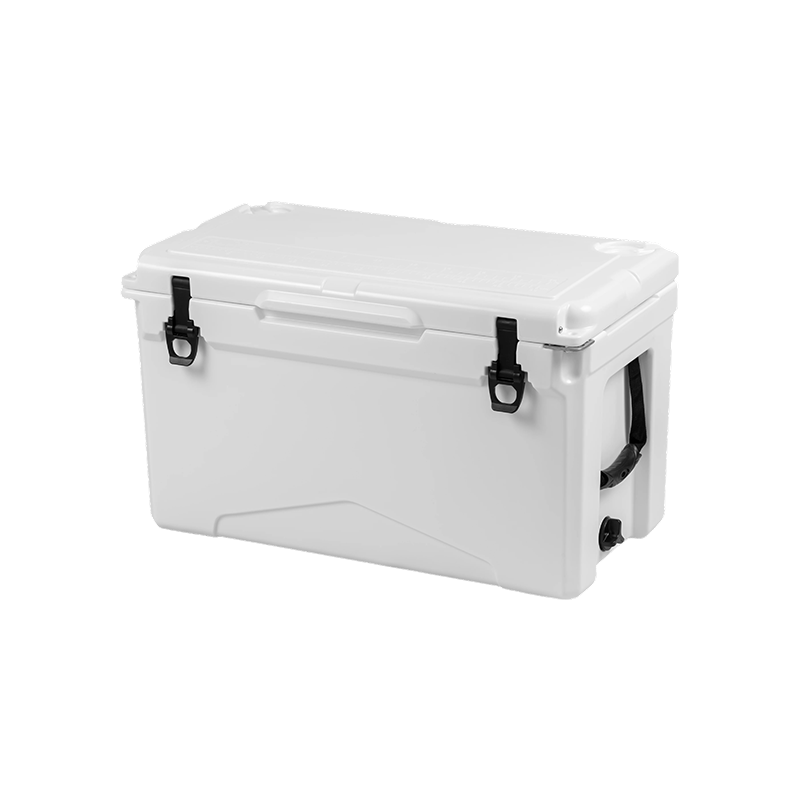
The 50QT NL-50 has an interior of about 55.1 × 27.8 × 32.5 cm and a long-body format that naturally suits marine and boat use. Longer fish, bottled drinks and rows of food packs can be arranged more e...
See Details -
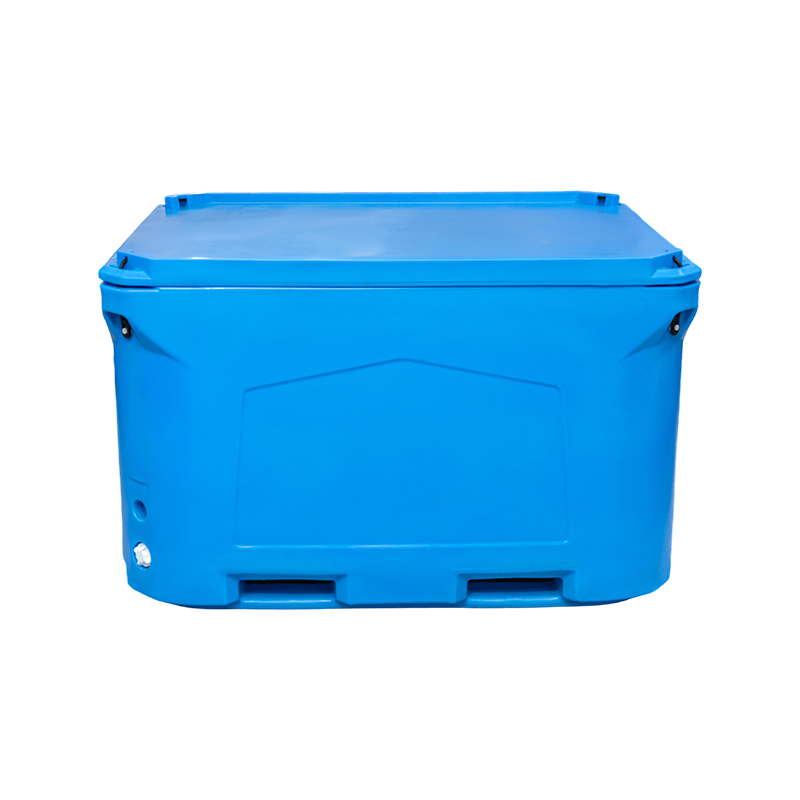
The NL-1000 A uses a high-profile body with an interior of about 140 × 108 × 73 cm and is designed for operations that handle large seafood volumes at one time. Processing plants, aquaculture harvests...
See Details -
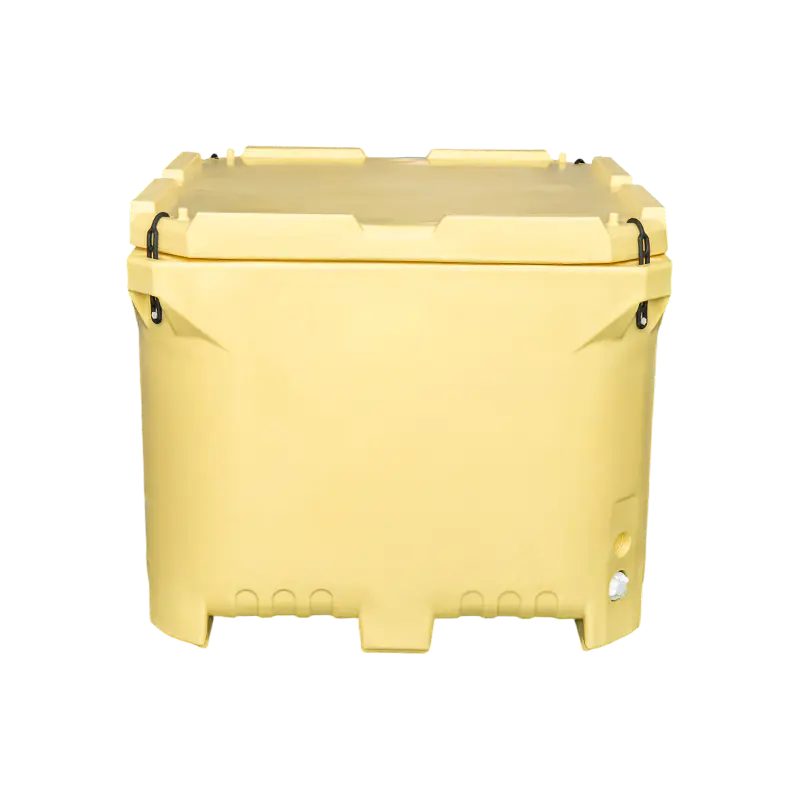
The NL-800 800L has an interior of about 106.5 × 96.5 × 74 cm and is deeper than the 700L model, making it useful when more load is needed in each tub. Larger fish, bulk seafood and processing-plant s...
See Details -
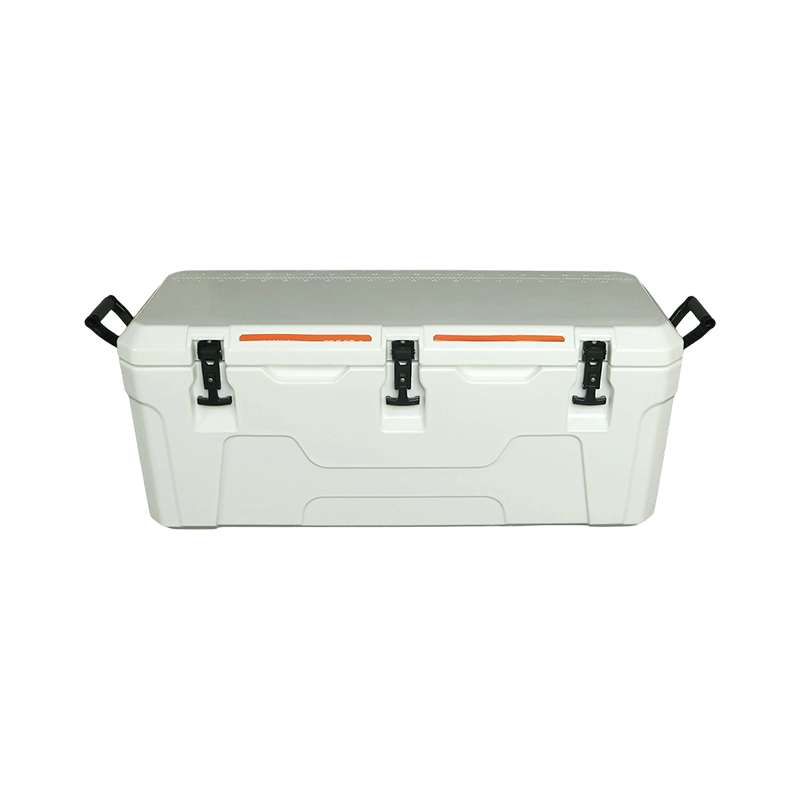
The 140QT NL-140 has an interior of about 105 × 32 × 38 cm, and its more-than-one-meter usable length is the key advantage of this model. It is better suited to larger fish, longer catch and supplies ...
See Details
Related News
-
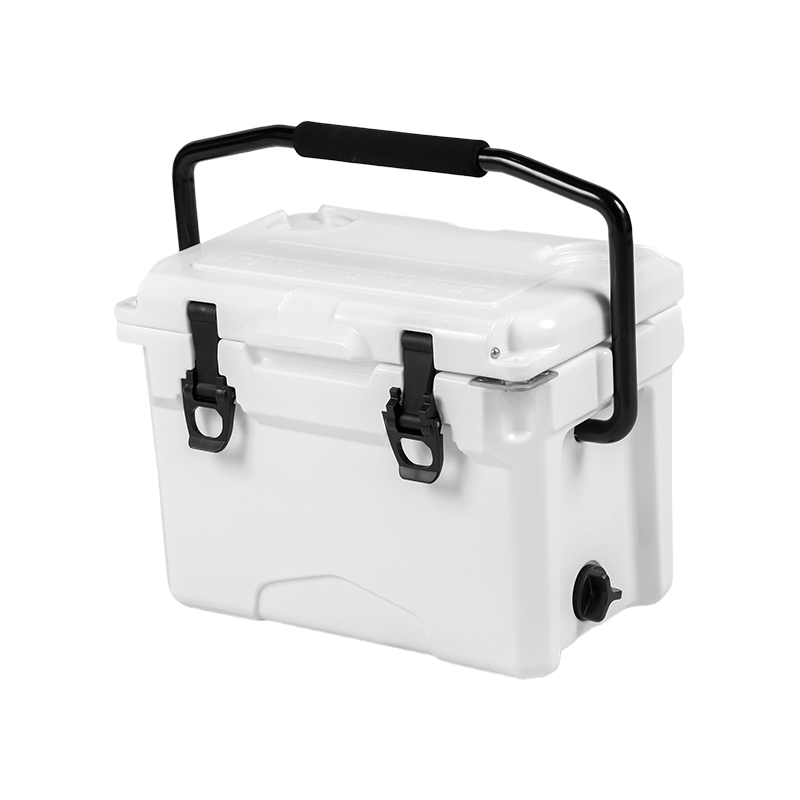
Why Choose a Rotomolded Cooler? Rotomolded Coolers: A Brief Introduction The Pinnacle of Portable Cooling Technology The modern era of outdoor recreation and de...
See Details -
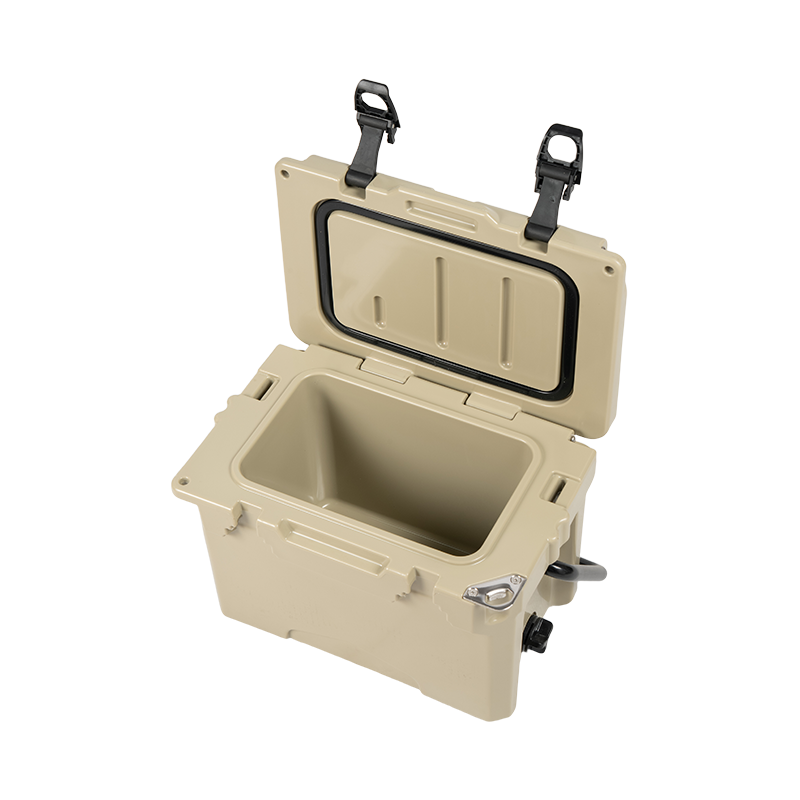
Introduction to Insulated Fish Tubs When you're out on the water, whether it's a deep-sea fishing trip or a relaxing day at the lake, the freshness of your catc...
See Details -
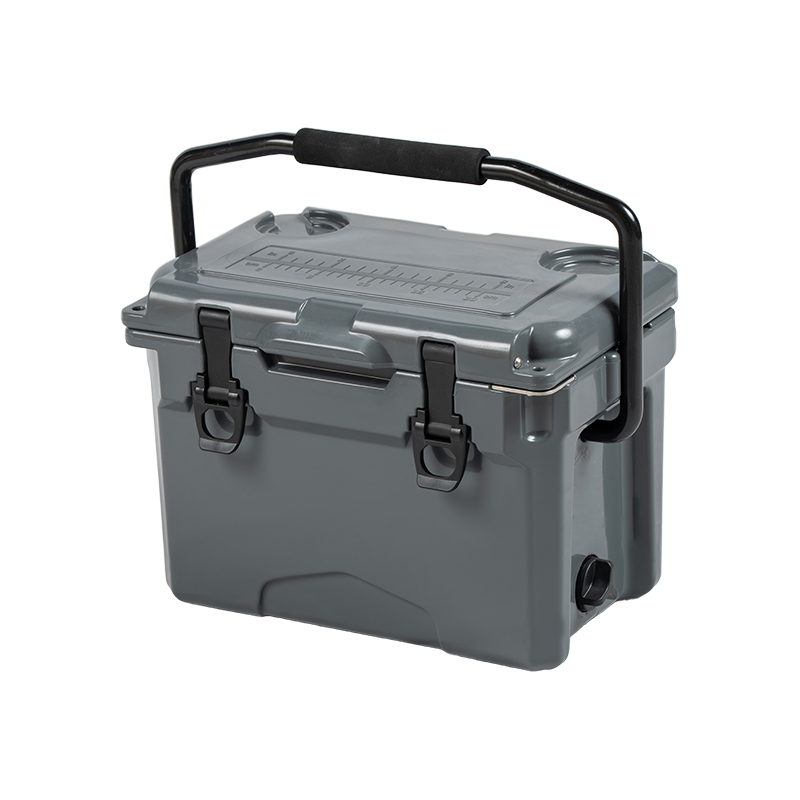
1. Insulation Quality in Outdoor Cooler Boxes When choosing an outdoor cooler box, one of the most critical factors to consider is insulation quality. The insul...
See Details -
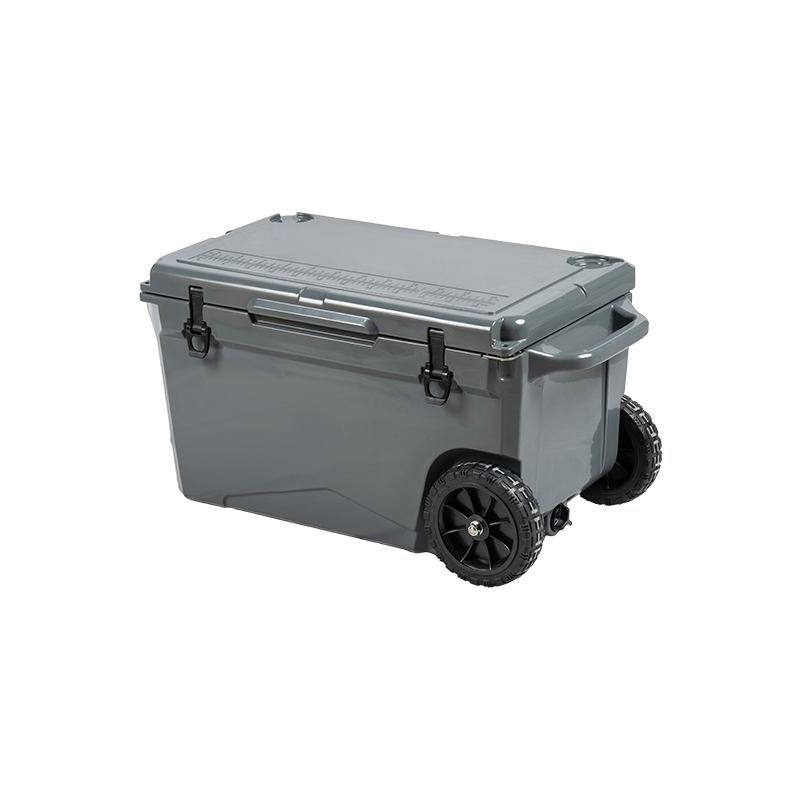
The Unmatched Advantage of ROTOMOLDING COOLER BOX Defining the Premium Standard: What exactly is a ROTOMOLDING COOLER BOX? The ROTOMOLDING COOLER BOX is not mer...
See Details
Be the First to Know
For exclusive deals and the latest offers, sign up by entering your email address below.


Contact Info
 No. 6, Guantong Road, South Zone, Xiaocaoe Town Industrial Park, Ningbo, Zhejiang, China
 +86 13736107260
  [email protected]
 Qr Code



Copyright © Ningbo Nelgreen Outdoor Products Co., Ltd. All Rights
Reserved
 OEM/ODM Seafood Insulated Boxes Manufacturers