 EN
EN
 English
  русский
  Español
  Deutsch
  عربى
عربى 
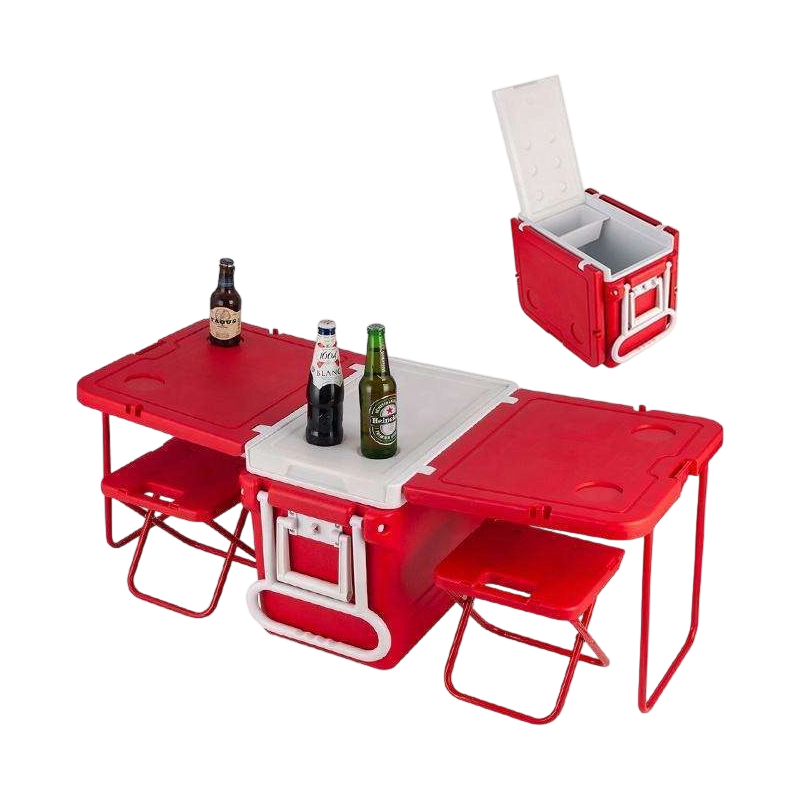
The 28QT NL-28 is noticeably taller than a conventional low-profile cooler. Its interior measures about 44.5 × 22 × 38 cm, giving extra vertical room for upright bottles and taller food containers. Th...
See Details
Dual Evolution of Performance and Value: How Injection Mold Cooler Boxes Define New Standards for Outdoor Cold Chains?
2026-02-19
Why is the Injection Mold Cooler Box Gradually Replacing Traditional Blow-Molded Coolers?
For a long time, the entry-level cooler market was dominated by blow molding technology. While blow molding is low-cost and fast to produce, it often falls short when facing high-intensity outdoor demands and rigorous insulation challenges. With the iteration of material science, Injection Mold Cooler Boxes based on high-performance PP (Polypropylene) are beginning to demonstrate a generational advantage.
What "Hardcore" Attributes Does Injection Molding Confer?
Structural Strength: Absolute Uniformity and Impact Resistance In traditional blow molding, the plastic parison is inflated by high-pressure air, which often leads to thinning at corners and edges—creating natural structural weaknesses. Conversely, the Injection Mold Cooler Box utilizes a high-pressure injection process where molten plastic is forced into a closed precision steel mold. This ensures that the wall thickness strictly adheres to engineering standards throughout the entire body, allowing for integrated reinforcement ribs at high-stress points. Consequently, these coolers possess extreme impact resistance, maintaining structural integrity even during violent tremors in a pickup truck bed or accidental drops on rocky shores.
Surface Texture: The Sophisticated Aesthetics and Safety of PP (Polypropylene) Injection molding can replicate fine mold textures with nearly 100% accuracy, providing either a premium matte or mirror finish. Coolers made from PP (Polypropylene) are not only delicate to the touch and vibrant in color but also offer superior food-grade safety. PP is naturally BPA-free and remains chemically stable even under the continuous high-temperature exposure of summer sunlight, ensuring no harmful chemicals are released. Furthermore, the high-density PP surface is hydrophobic and oleophobic, preventing the absorption of organic odors from seafood or meat, which significantly enhances cleaning efficiency and health safety.
Sealing Design: Laboratory-Grade Precision A cooler is essentially a controlled thermodynamic system, and the core of preservation is "absolute sealing." The manufacturing tolerances of injection molding are extremely tight, typically within ±0.1mm, allowing for laboratory-grade fit between the lid and the body. Combined with high-performance silicone or EPDM gaskets, the Injection Mold Cooler Box creates a near-impenetrable barrier against heat exchange. This prevents external hot air infiltration and internal cold air escape far more effectively than blow-molded boxes, which are prone to warping and larger tolerances.
20QT PP Injection Mold Cooler Box: The "All-Purpose Powerhouse" for Short Trips?
In the "personal and short-trip" segment, the 20QT PP Injection Mold cooler box (approx. 19 liters) is widely regarded as the optimal solution. it solves the pain points of heavy coolers being "hard to lift and hard to place" while delivering surprising performance in freshness retention.
Why is 20QT the Golden Standard for Weekend Camping and Fishing?
Lightweight Advantage: Absolute Freedom for Solo Travelers While heavy Roto-molded coolers excel in insulation, their empty weight often exceeds 10kg, making them nearly impossible for one person to carry over long distances once filled. The 20QT PP Injection Mold cooler box leverages the "structure over thickness" philosophy of injection molding. By utilizing intelligent physical reinforcement designs, it optimizes weight without sacrificing strength. Even users with average physical strength can easily transfer it from a trunk to a campsite with one hand.
Space Utilization: Measured Loading Capacity Despite its compact size, the internal space utilization of the 20QT model is precisely calculated. Testing shows it can easily accommodate approximately 24 standard 330ml cans while leaving enough room for crushed ice or two large ice packs. For 1-2 day solo hikes, couple's camping, or short-duration seaside fishing, this capacity ensures core ingredients (like steaks or sashimi) and beverages stay within the 0-4°C "golden freshness zone."
PP Durability: Defying Salt Spray and Rugged Environments In outdoor settings, coolers frequently face friction from sand and corrosion from salt spray. The PP Injection Mold cooler box features excellent surface hardness with significant scratch and fade resistance. Additionally, the natural inertness of PP means that after holding sea fish, blood, or heavily seasoned ingredients, a simple rinse with mild detergent and water restores it to a new-like state, preventing the "scent-leaching" common in lower-end plastics.
35QT Injection Mold Cooler Box: The "Endurance Specialist" for Families and Commercial Use?
When demand upgrades from "individual" to "family" or "commercial operations," the 35QT Injection Mold cooler box (approx. 33 liters) demonstrates its dominance as a middleweight champion. It finds a near-perfect balance between cargo volume, insulation duration, and physical footprint.
What are the Performance Limits of the 35QT for Long Hauls?
Ice Retention Testing: Remarkable "Cold Storage" Endurance In environmental tests simulating mid-summer heat (approx. 30°C), a 35QT box loaded with a standard 2:1 ice-to-meat ratio shows incredible stamina. Because the larger volume allows for a larger "cold core" of ice, the time for ice to melt completely can reach 3-4 days, with some high-performance models even exceeding 5 days. This is sufficient for multi-province road trips. The injection process, combined with high-density polyurethane (PU) foam insulation, ensures every joule of cold energy is locked within the double-walled structure.
Multi-functional Design: A Mobile Outdoor Workstation Modern 35QT coolers are more than just boxes. Thanks to the flexibility of injection molds, features like cast-in fish rulers, deep-set anti-slip cup holders, and even stainless steel bottle openers or tie-down points can be integrated directly into the body. This transforms the cooler into an integrated outdoor center—acting as a temporary prep table, a stable fishing seat, or a utility hub.
Commercial Adaptability: Cost Reduction for Fresh Logistics Beyond recreation, this product performs excellently in the commercial sector. For high-frequency use in food delivery, community fresh-buying groups, and medical cold chain sampling, the 35QT Injection Mold cooler box offers a lower initial purchase cost than expensive roto-molded bins while providing a service life several times longer than cheap blow-molded alternatives. Its standardized profile and anti-slip base allow for safe multi-layer stacking in delivery vans, optimizing logistics load rates.
Injection vs. Roto-molded: How Should Users Choose Wisely?
When purchasing high-performance refrigeration equipment, the Injection Mold Cooler Box is often compared to the "heavy tank" of the industry—the Roto-molded cooler.
Where is the Balance Between Preservation and Budget?
Cost Comparison: From "Luxury" to "High-Quality Tool" Roto-molding has a long production cycle (30-60 minutes per unit) and low mold turnover efficiency, resulting in high retail prices. Conversely, Injection Mold Cooler Boxes benefit from highly automated, fast-cycle production lines taking only minutes. This allows injection-molded coolers to provide 80%-90% of professional-grade insulation performance at approximately 40% of the price of roto-molded units.
Weight Comparison: Ending the Burden of "Heavy as a Mountain" The ultra-thick walls of roto-molded boxes are the source of their insulation but also a nightmare for portability. An empty weight of over 15kg makes outdoor activities feel like manual labor. Injection molding uses structural analysis to thicken critical areas and thin non-load-bearing points, achieving scientific weight reduction. Typically, an injection-molded box is 4-6kg lighter than a roto-molded box of the same volume.
Target Audience: Who is the Loyal Fan of Injection-Molded Coolers? If your goal is a 10-day crossing of an uninhabited wilderness, a top-tier roto-molded box is your safety net. However, if you are a Glamping enthusiast, a weekend family traveler, a coastal fishing hobbyist, or an efficiency-seeking fresh-food entrepreneur, the 20QT or 35QT injection-molded cooler will meet your performance needs while saving a significant portion of your equipment budget.
How to Extend the Preservation Time of Your PP Injection Mold Cooler?
Hardware excellence is only the foundation; scientific usage maximizes the potential of your cooler.
"Pro Tips" for Maximizing Cooler Performance
Pre-cooling Strategy: The Secret to Winning the Head Start Most users mistakenly load meat into a cooler taken directly from a hot garage. This causes the insulation material to consume ice just to cool itself down. It is recommended to place two frozen 1.5L water bottles in the box 12 hours before departure for "pre-cooling." Once the PP walls and PU foam are chilled, loading pre-chilled ingredients can extend preservation by 12-18 hours.
Scientific Loading: Thermodynamic Density Optimization Professional outdoor players follow the "ice on bottom, meat in middle, cover on top, fill the gaps" principle. Since cold air is denser and sinks, placing a thin ice mat or cold pack on top is much more effective than only having ice at the bottom. Additionally, filling gaps with beverages or extra ice reduces internal air volume, significantly lowering air convection loss when the lid is opened.
Maintenance Guide: Preserving Polymer Luster While PP has high chemical stability, long-term direct UV exposure is the primary culprit of plastic aging. At camp, try to place the cooler under a canopy or in the shade. After every trip, wash it with neutral detergent and dry it completely to prevent mold on the gaskets. Regularly checking the drain valve and latches ensures "day-one performance" for years to come.
Our R&D team has over 15 years of rich experience in the field of rotational molding products and has applied for 6 product patents. The number of factory employees has exceeded 100. Strict management and quality control have enabled us to take the leading position in the industry. In addition, the experienced sales team can provide customers with a variety of solutions and high-quality services.
Related products
-
-
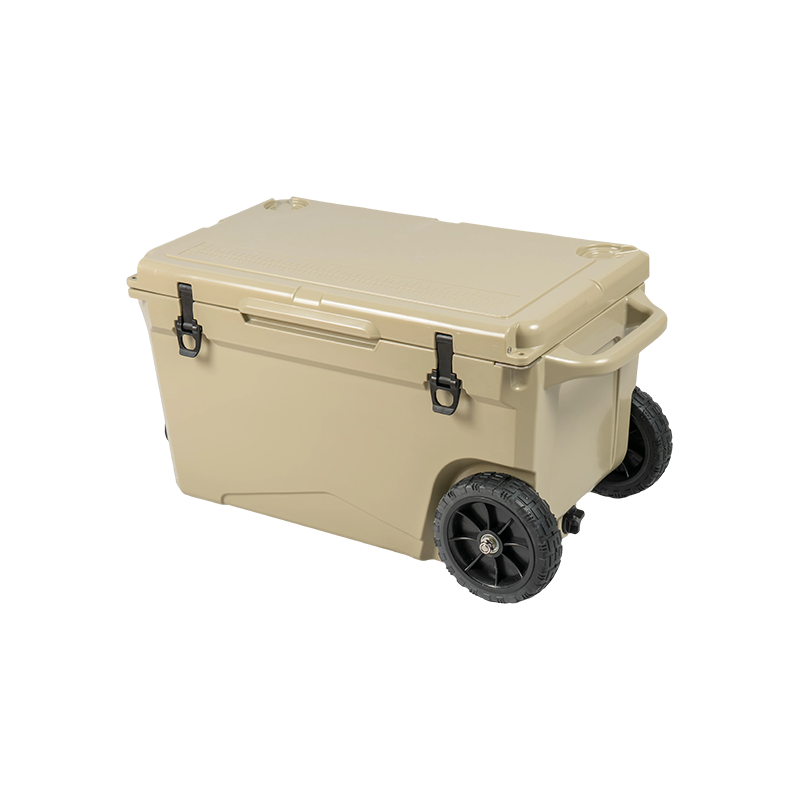
The 75QT NL-75 is a large wheeled model with an interior of about 66.2 × 34.1 × 35.8 cm. It is suited to offshore fishing, boating, family barbecues and group events where more ice, drinks, food or ca...
See Details -
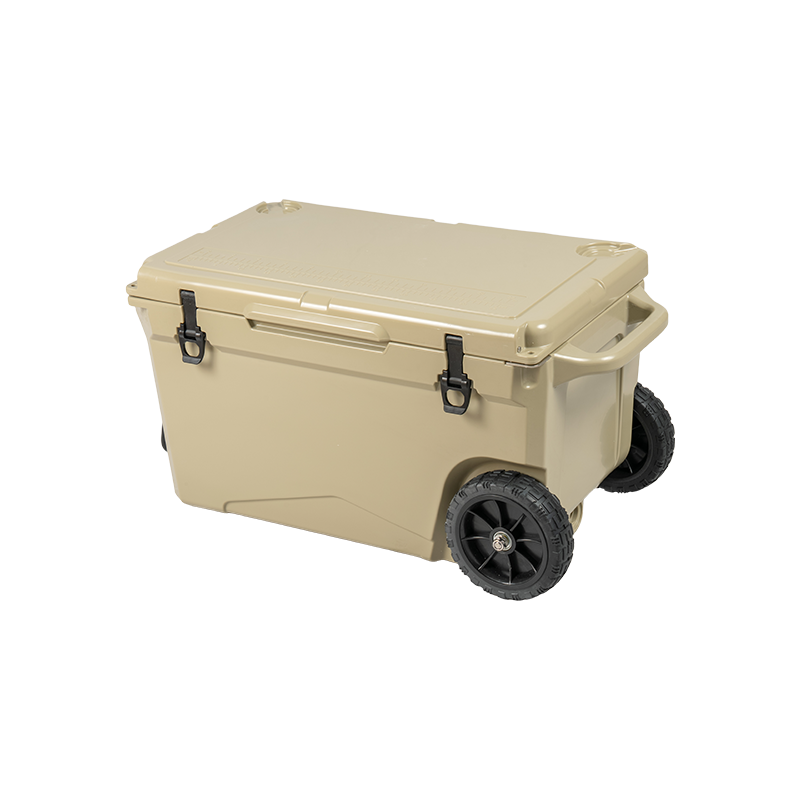
The 60QT NL-60 is defined not only by its larger capacity but also by its wheels. With an interior of about 62.7 × 32.5 × 32.8 cm, a full load of ice, drinks and food can become heavy, so the wheeled ...
See Details -
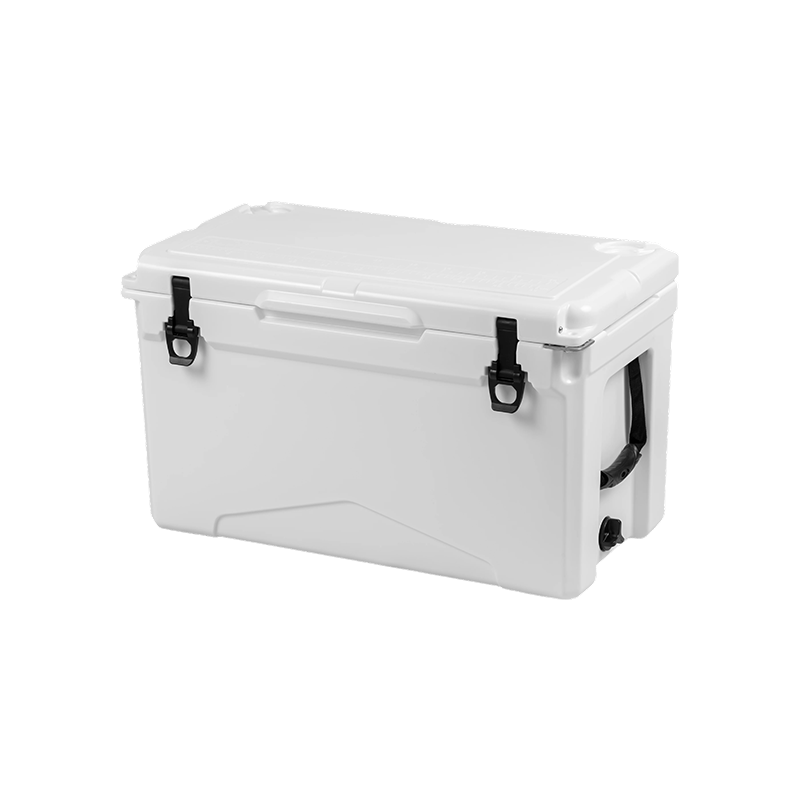
The 50QT NL-50 has an interior of about 55.1 × 27.8 × 32.5 cm and a long-body format that naturally suits marine and boat use. Longer fish, bottled drinks and rows of food packs can be arranged more e...
See Details -
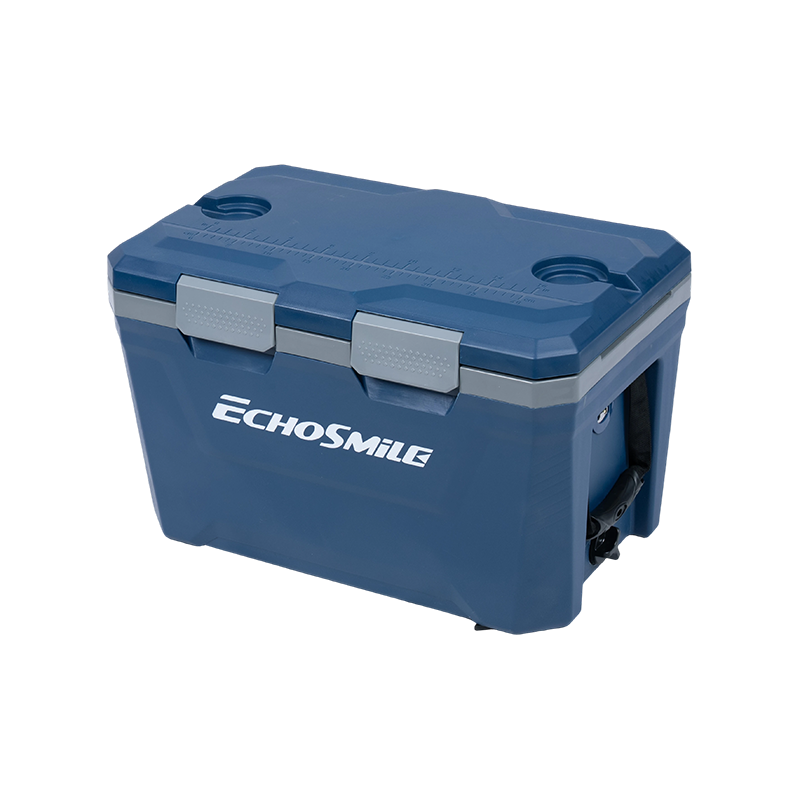
This 35QT cooler uses an injection-molded outer shell with PU foam insulation, with a clear focus on portability and everyday use. It measures approximately 58.2 × 36.1 × 36.4 cm externally and 45.5 ×...
See Details -
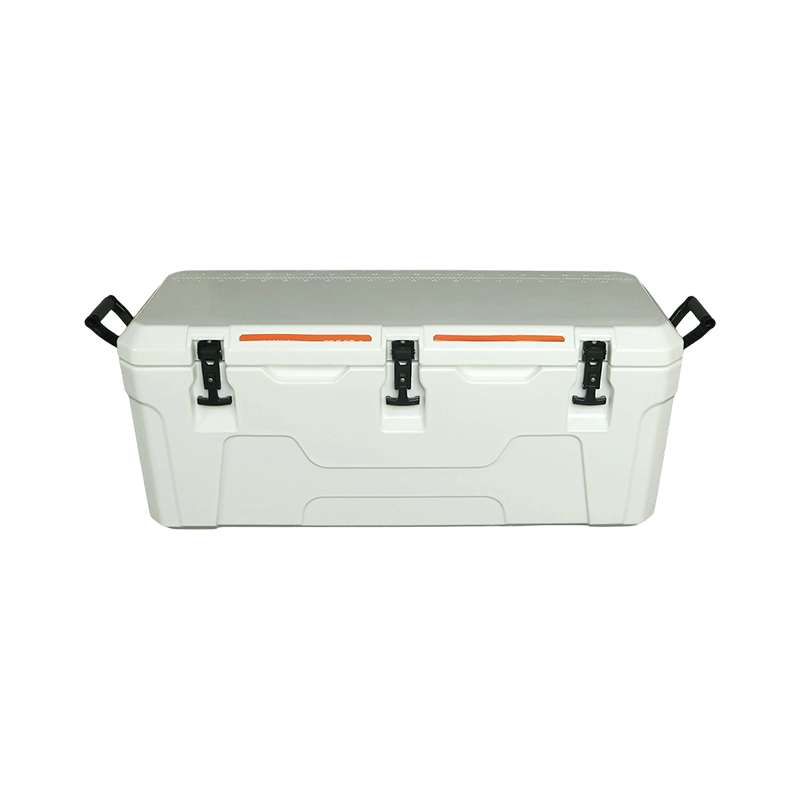
The 140QT NL-140 has an interior of about 105 × 32 × 38 cm, and its more-than-one-meter usable length is the key advantage of this model. It is better suited to larger fish, longer catch and supplies ...
See Details
Related News
-
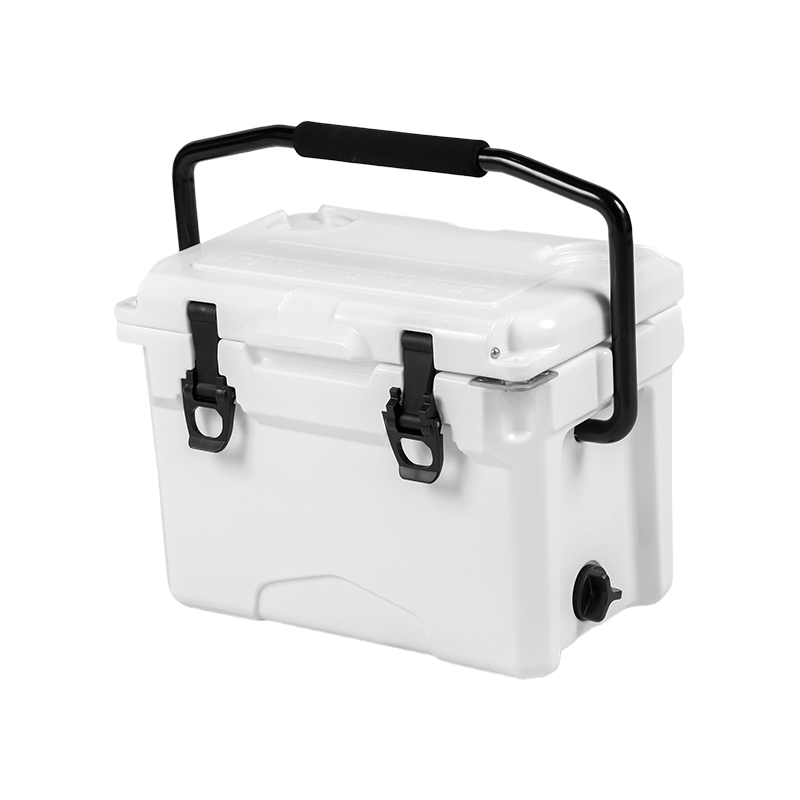
Why Choose a Rotomolded Cooler? Rotomolded Coolers: A Brief Introduction The Pinnacle of Portable Cooling Technology The modern era of outdoor recreation and de...
See Details -
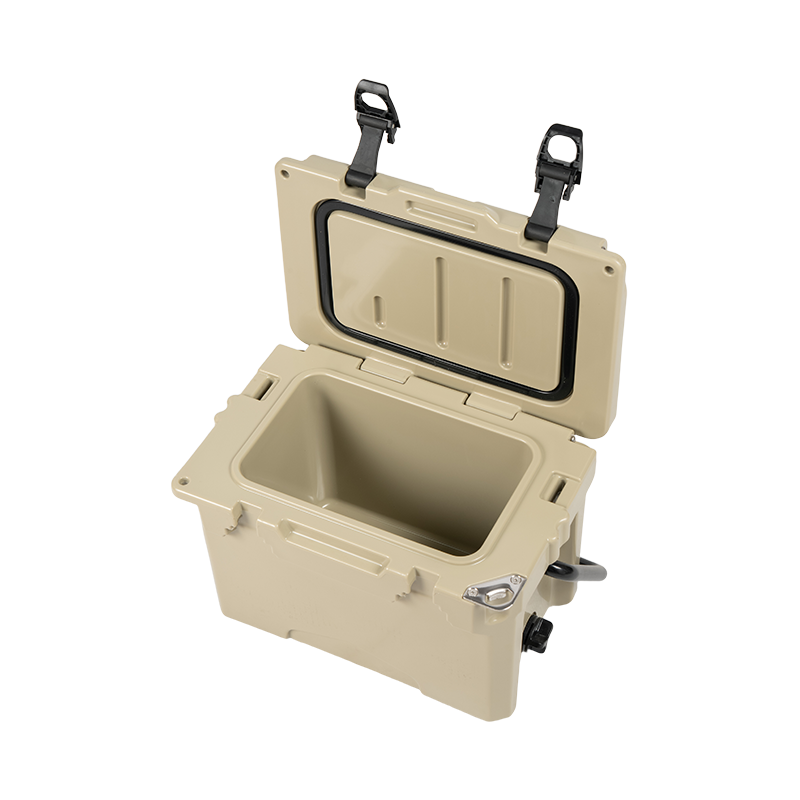
Introduction to Insulated Fish Tubs When you're out on the water, whether it's a deep-sea fishing trip or a relaxing day at the lake, the freshness of your catc...
See Details -
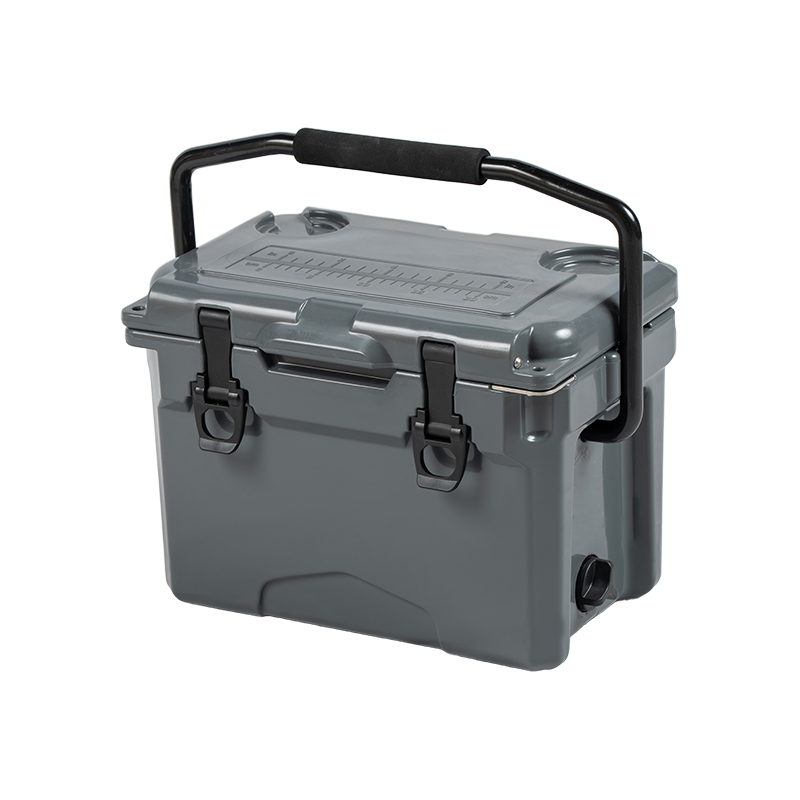
1. Insulation Quality in Outdoor Cooler Boxes When choosing an outdoor cooler box, one of the most critical factors to consider is insulation quality. The insul...
See Details -
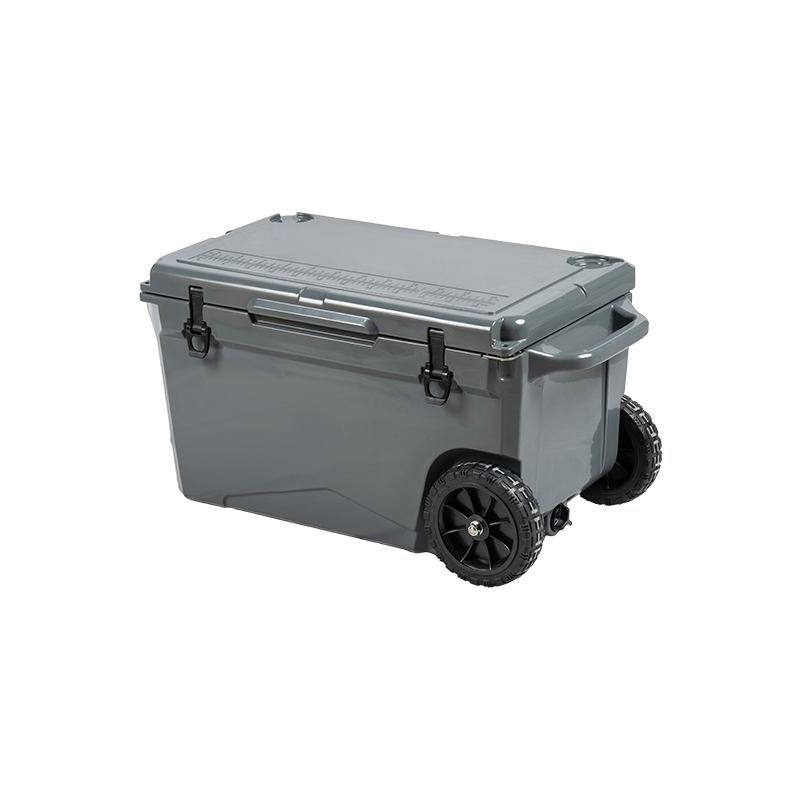
The Unmatched Advantage of ROTOMOLDING COOLER BOX Defining the Premium Standard: What exactly is a ROTOMOLDING COOLER BOX? The ROTOMOLDING COOLER BOX is not mer...
See Details
Be the First to Know
For exclusive deals and the latest offers, sign up by entering your email address below.


Contact Info
 No. 6, Guantong Road, South Zone, Xiaocaoe Town Industrial Park, Ningbo, Zhejiang, China
 +86 13736107260
  [email protected]
 Qr Code



Copyright © Ningbo Nelgreen Outdoor Products Co., Ltd. All Rights
Reserved
 OEM/ODM Seafood Insulated Boxes Manufacturers